

 Preview
 Send
Send Share
Share
 Details

 Download
 Similars
 X-Ray
X-Ray Diaporama
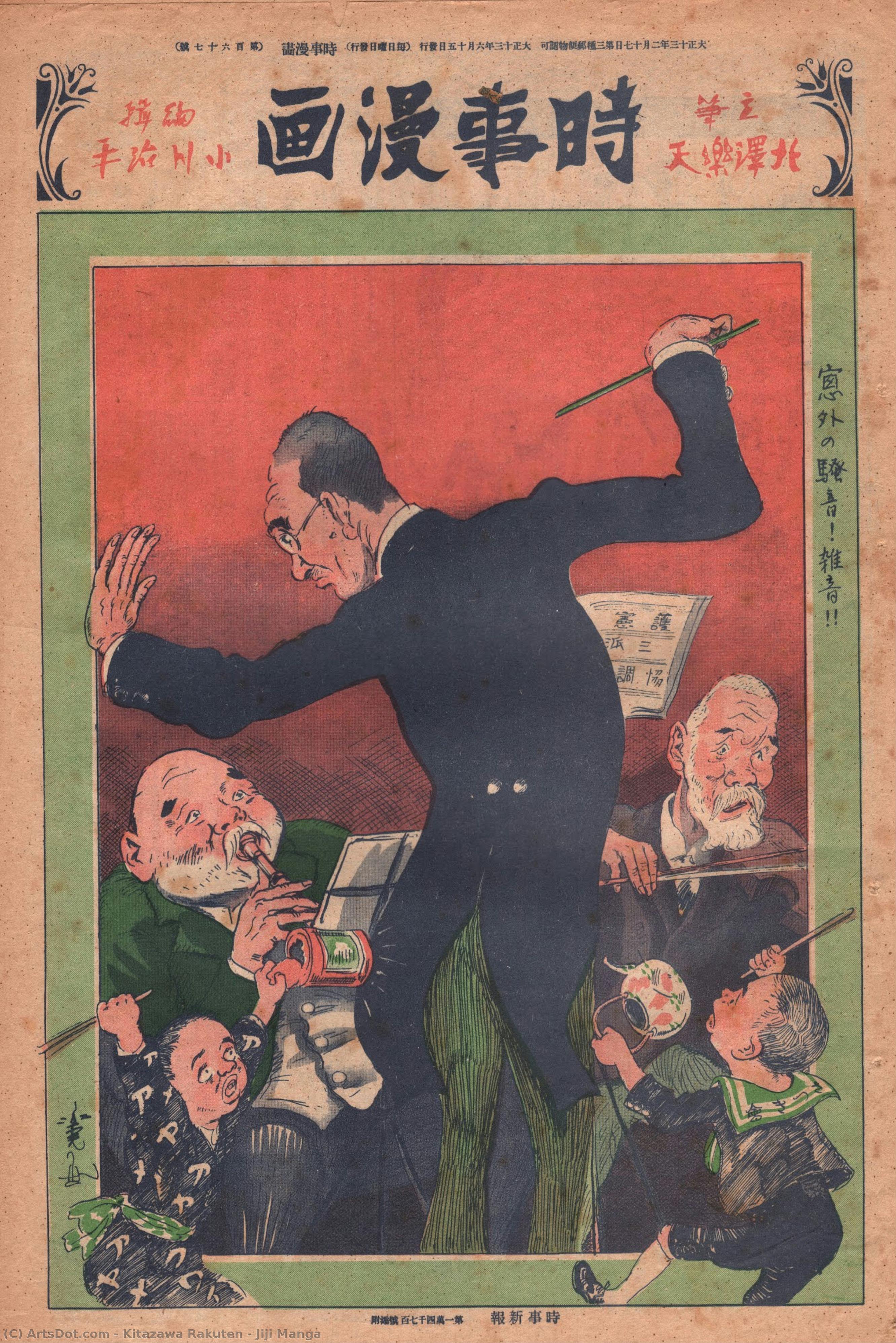
Jiji Manga
 1924
1924- Modern
 27.0 x 40.0 cm
 Bujalance Collection
 Read More
Purchase a high-resolution, enhanced digital image, far superior to the online preview.
Each file is meticulously prepared by our in-house specialists using advanced tools and expert manual retouching. We ensure every image has exceptional clarity, precise color accuracy, and fine detail.
The final file is delivered via email within 72 hours, optimized for immediate use in professional, editorial, and print environments. This is the same quality trusted by top-tier design studios, publishers, and galleries.
Digital Image
Download a high-resolution file for personal display, printing, and creative projects. ( Buy Print Buy Hand Made Painting)
Included in Every Digital Image Order
Expert Digital Delivery, Guaranteed
When you choose ArtsDot.com, you're not just getting an image - you're receiving a professionally enhanced digital artwork, crafted with precision and backed by a satisfaction guarantee. Here's everything that comes with your order, automatically:

Fast Email Delivery
Your high-resolution digital image file will be emailed to you within 72 hours of ordering - ready for immediate use.

AI-Enhanced Digital File
Your artwork is professionally optimized using advanced AI tools and manual editing, ensuring maximum detail, clarity, and color accuracy.

Free Lifetime Re-Delivery
Accidentally deleted or lost your file? No worries - we'll resend it to you anytime, free of charge.

No Import Fees - Ever
Enjoy your artwork instantly with zero customs, duties, or delivery fees - digital downloads are always tax-free.

Color Accuracy Guarantee
We ensure your digital image reflects the original colors as closely as possible using professional tools and color management.

60-Day Satisfaction Guarantee
If you're not satisfied with your digital image, we'll revise it or refund 100% within 60 days - no questions asked.

100% Money-Back Guarantee
Not satisfied? Get a full refund within 60 days of receiving your digital file - no questions asked.

Bulk Order Discounts
Buy 3 images, save 10% - Buy 5, save 15% - Buy 10+, save 20%. Great for creative projects, galleries, and agencies.
Collectible Description
A Symphony of Lines: Rediscovering Jiji Manga
In the delicate interplay of ink and imagination, Jiji Manga emerges as a captivating window into the cultural pulse of 1924 Japan. This evocative piece, crafted by the legendary Kitazawa Rakuten, transcends the boundaries of mere illustration to become a profound narrative of communal harmony. At first glance, the viewer is drawn into a meticulously detailed scene where a conductor, poised with a baton, directs an ensemble of musicians. The composition breathes with the energy of a live performance; one can almost hear the rhythmic cadence of instruments and the focused breathing of the players. Rakuten’s ability to capture the subtle tension between the conductor's leadership and the collective effort of the group creates a sense of movement that is both static and vibrantly alive.
The artistry within this work lies in its masterful use of detail and spatial arrangement. The figures, some seated with quiet intensity and others standing in attentive readiness, are rendered with a precision that speaks to Rakuten’s foundational role in the evolution of modern manga. Through fine lines and thoughtful positioning, the artist establishes a hierarchy of focus, guiding the eye from the commanding gesture of the baton to the individual faces of the ensemble. The presence of formal attire, such as ties, hints at a sophisticated social gathering, grounding this artistic moment in a specific historical era of transition and modernization in Tokyo.
The Visionary Legacy of Kitazawa Rakuten
To understand the emotional depth of Jiji Manga, one must look toward the man behind the pen. Kitazawa Rakuten was not merely an illustrator; he was a pioneer who bridged the gap between traditional Japanese aesthetics and the burgeoning global language of sequential art. As the "father of modern manga," Rakuten infused his work with a satirical wit and a deep empathy for the human condition. In this particular piece, we see a departure from pure satire toward a more lyrical, observational style. The technique reflects a sophisticated command over line weight and density, allowing the artist to suggest texture—from the fabric of a suit to the polished wood of an instrument—without the need for heavy shading.
For the discerning collector or interior designer, this artwork offers much more than visual appeal; it provides a historical anchor. The piece serves as a testament to the Taisho and early Shōwa era's spirit of collaboration and cultural synthesis. It is an ideal acquisition for those looking to introduce a sense of intellectual depth and nostalgic elegance into a space. Whether placed in a contemporary gallery setting or a classic study, Jiji Manga acts as a conversation starter, inviting viewers to contemplate the enduring power of collective harmony and the timeless beauty of the artistic process.
Related Artworks


Artist Biography
The Genesis of Manga: Kitazawa Rakuten’s Pioneering Vision
Kitazawa Rakuten (1876-1955), a name synonymous with the birth of modern manga, stands as an undeniable figure in Japanese artistic history. Born in Tokyo amidst the burgeoning industrialization and cultural dynamism of the late Meiji era, Rakuten’s journey from humble beginnings to international acclaim exemplifies unwavering dedication to his craft and a profound understanding of visual storytelling—a skillset that would irrevocably reshape Japan's artistic landscape. He wasn’t merely an artist; he was arguably the first professional cartoonist in Japan, establishing himself as a visionary who championed innovation and challenged conventional artistic boundaries.- Early Life & Artistic Training:
- The Founding Father of Manga:
- Notable Works: Jiji Manga & Beyond:
- Influence on Subsequent Artists:
- Legacy and Historical Significance:
Early Life & Artistic Training
Rakuten’s formative years were steeped in traditional Nihonga painting, the Japanese style emphasizing subtle tonal gradations and expressive brushwork. Trained under renowned masters like Hiroshi Yoshida, he absorbed the principles of capturing atmospheric landscapes and conveying emotion through nuanced visual cues—skills that would later inform his distinctive approach to comic illustration. This grounding in classical aesthetics provided him with a foundational understanding of composition, color theory, and artistic technique – elements crucial for communicating narratives effectively.The Founding Father of Manga
Rakuten’s contribution to art history transcends mere stylistic innovation; he fundamentally redefined what constituted “art.” In 1908, he established ‘Jiji Manga,’ a satirical comic strip published in the Tokyo Puck magazine—a groundbreaking endeavor that cemented his place as the inaugural professional cartoonist in Japan. More importantly, he coined the term 'manga' itself – originally referring to "pictures" or "drawings," Rakuten skillfully adapted it into its current form, encapsulating the essence of serialized visual storytelling and establishing a genre that would dominate Japanese popular culture for decades to come. He recognized the potential of combining narrative with illustration, anticipating the future direction of artistic expression.Notable Works: Jiji Manga & Beyond
‘Jiji Manga’ remains Rakuten's most celebrated achievement, lauded for its witty commentary on social issues and its masterful execution of ukiyo-e techniques. The series tackled subjects ranging from political corruption to urban life, utilizing humor and caricature to provoke thought and engage audiences. However, Rakuten’s artistic output extended far beyond this single project. He continued to produce editorial cartoons throughout the tumultuous years of World War I and the interwar period, consistently demonstrating his ability to capture the zeitgeist of his time while maintaining a steadfast commitment to artistic excellence. His work appeared in publications like ‘Jiji Manga Series,’ showcasing his versatility and enduring appeal.Influence on Subsequent Artists
Rakuten’s pioneering spirit ignited the imaginations of countless younger artists who would come to define the trajectory of manga as we know it today. He championed a style characterized by bold lines, vibrant colors, and dynamic compositions—elements that became hallmarks of the genre's aesthetic language. His insistence on storytelling alongside visual artistry served as an inspiration for generations of creators, shaping the very DNA of anime and manga production.Legacy and Historical Significance
Kitazawa Rakuten’s legacy extends beyond his artistic accomplishments; he represents a pivotal moment in Japanese cultural history—the genesis of a global phenomenon. He irrevocably altered perceptions of art and storytelling, establishing manga as a powerful medium for social commentary and entertainment. His influence continues to resonate within the contemporary anime and manga industry, securing his place as an icon among artists and cementing his status as ‘The Father of Manga,’ a title justly earned through unwavering dedication to innovation and artistic vision.
kitazawa rakuten
1876 - 1955 , Japan
Quick Facts
- Artistic Movement Or Style: Manga & Nihonga
- Date Of Birth: Tokyo, Japan (1876)
- Date Of Death: 1955
- Full Name: Kitazawa Rakuten
- Nationality: Japanese
- Notable Artworks: ['Jiji Manga']
- Place Of Birth: Tokyo

