 Preview
 Send
Send Share
Share
 Details

 Download
 Similars
 X-Ray
X-Ray Diaporama
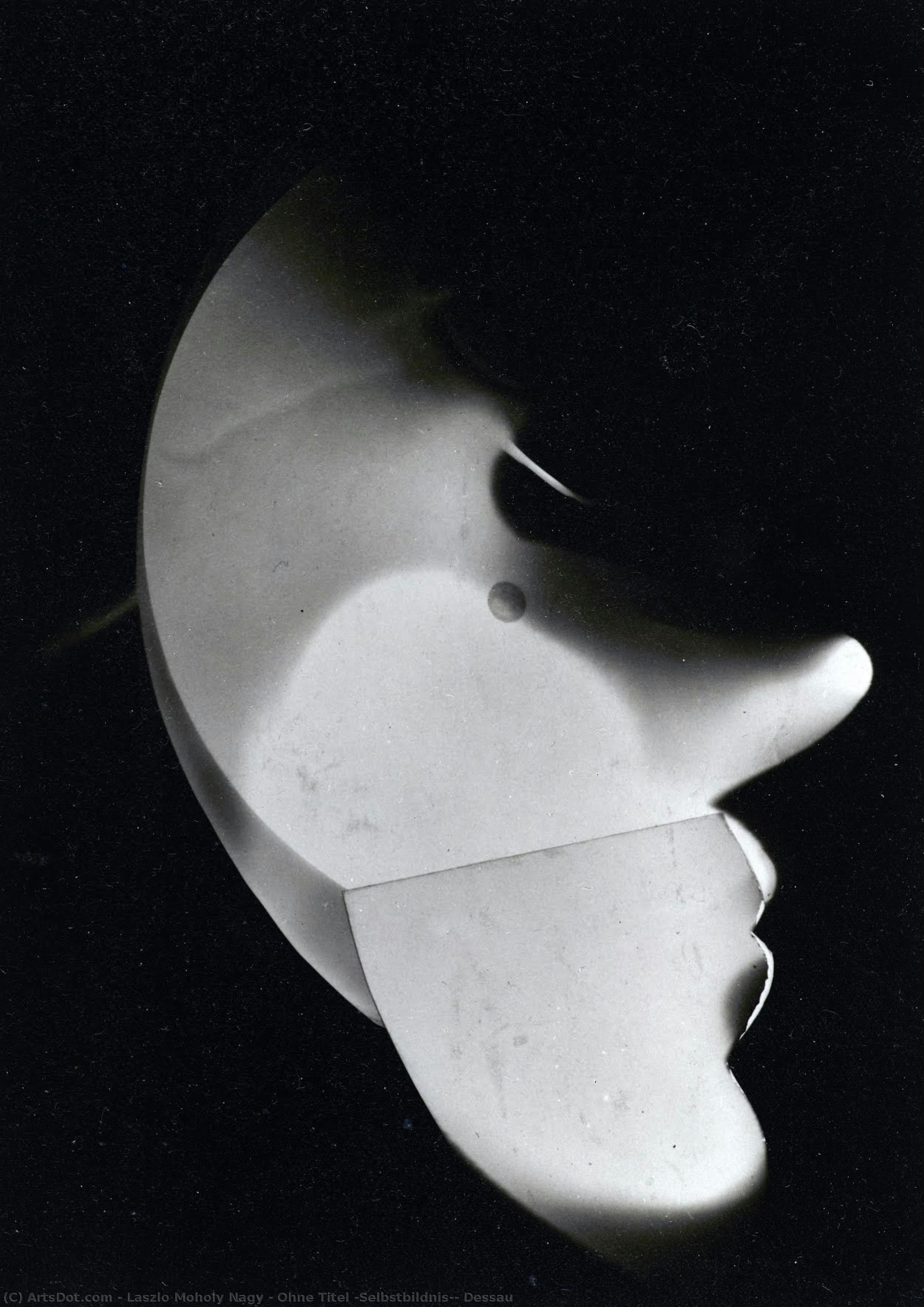
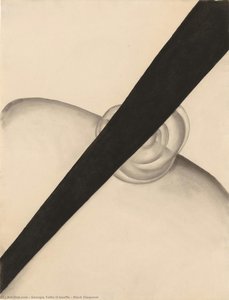
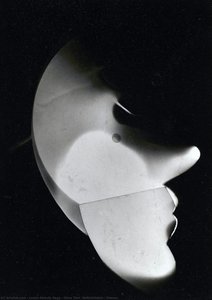
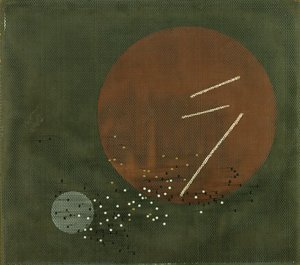
Ohne Titel (Selbstbildnis), Dessau


 Read More
Hand Made Oil Reproduction
Hand-painted oil on canvas in your size and frame, made to order by our artists. ( Buy Print Buy Image)




P118B $10

P118H $10

P118W $10

P438Z $10

P508JH $12

P508YH $12

P805H $10

P805Z $10

P919BZ $10

P919G $10

P919XJ $10

P959ZH $10

P968JZ $12

W106C $8

W218G $10

W218JH $8

W218Y $10

W307PJ $10

W316G $10

W316PJ $8

W316Y $10

W398PJ $8

W4111J $10

W500HY $15

W500JH $15

W692G $12

W849H $8

W940BG $15

W953PJ $8




Pick from our preset sizes that match the artwork's original proportions.

You may enter your own dimensions to fit a specific frame or space. If your selected size does not match the original image's proportions, we will either crop the artwork or extend the painting with additional hand-painted elements. A digital mockup will be sent for your approval before production begins.
Please note that the on-screen preview does not reflect the actual cropping or extension. Only the mockup will accurately show the final composition.
While custom sizes are available, we recommend selecting a dimension from the predefined list to preserve the original proportions.
After order, ArtsDot.com team will email client for instructions and provide a mockup preview
Worldwide Delivery () in 3/4 weeks instead of standard 5 weeks. (17 August). No compromise on quality.

Free Worldwide Express Shipping

High-Quality Linen Canvas

Full Shipping Insurance

Customs Tax Refund Guarantee

True Color Matching Guarantee

60-Day Return Policy (Defects Only)

100% Money-Back Guarantee

Bulk Discount Offer
 Glass option is only available in size under 110 CM

Ohne Titel (Selbstbildnis), Dessau
Reproduction Medium
Reproduction Size
-


Total Price
$ 263
Artwork Description
Ohne Titel (Selbstbildnis), Dessau – A Pioneering Exploration of Identity Through Geometric Abstraction
The artwork "Ohne Titel (Selbstbildnis)," created by László Moholy-Nagy in 1926, stands as a cornerstone of Constructivism and New Objectivity—movements that fundamentally challenged traditional artistic conventions. More than just a portrait, it’s an ambitious experiment in visual language, reflecting the artist's fascination with technology and his desire to represent the human psyche through geometric forms. Examining this piece reveals layers of meaning rooted in both formal innovation and intellectual engagement with the burgeoning ideas of the era.Composition and Technique: Fragmented Reflection
Moholy-Nagy’s masterful use of silver bromide gelatin photography—a technique he championed—is central to conveying the artwork's impact. The image depicts a stylized self-portrait, where the face is dissected into angular shapes – primarily a prominent rectangular block overlaid with fragmented lines and curves. This deliberate fracturing isn't merely stylistic; it symbolizes a dismantling of conventional notions of representation, mirroring the artist’s own exploration of psychological complexity. The stark contrast between light and shadow amplifies these geometric forms, emphasizing their materiality and creating a dynamic visual experience. Lines dominate the composition, delineating contours and defining spatial relationships—a characteristic feature of Constructivist aesthetics aimed at conveying clarity and precision.Historical Context: Bauhaus and Beyond
“Ohne Titel (Selbstbildnis)” emerged during Moholy-Nagy’s influential tenure at the Bauhaus school in Weimar, Germany. This institution represented a radical rethinking of art education and design practice, prioritizing functionality alongside artistic expression. Bauhaus artists sought to synthesize art with industrial production, believing that creativity could contribute to societal progress. Moholy-Nagy's approach aligns perfectly with this ethos—he wasn’t interested in capturing reality but rather in constructing an image that communicates ideas about perception and consciousness. The artwork reflects the broader intellectual currents of the time, including discussions surrounding psychoanalysis and the exploration of subconscious processes.Symbolism: Deconstructing the Self
The geometric abstraction employed in “Ohne Titel (Selbstbildnis)” carries significant symbolic weight. The rectangular block represents stability and structure—a counterpoint to the fragmented lines that depict the artist’s inner turmoil. This duality speaks to the core of Constructivist philosophy, which posits that art should grapple with fundamental questions about human experience. Furthermore, Moholy-Nagy's deliberate simplification of form underscores the idea that true understanding requires stripping away extraneous details and focusing on essential elements—a concept applicable not only to visual representation but also to broader intellectual pursuits. The image invites contemplation on themes of identity, perception, and the relationship between mind and matter.Emotional Impact: A Quiet Intensity
Despite its austere aesthetic, “Ohne Titel (Selbstbildnis)” possesses a palpable emotional resonance. The careful manipulation of light and shadow creates an atmosphere of subdued drama—a subtle tension that underscores the psychological depth of the portrait. Moholy-Nagy’s artistic vision wasn't about eliciting overt emotion but rather about conveying a sense of inner contemplation and intellectual curiosity. This understated approach aligns with New Objectivity’s rejection of sentimentalism, prioritizing clarity and precision over emotional expression—a testament to the enduring power of geometric abstraction to communicate profound ideas about human consciousness. The artwork remains a compelling reminder that beauty can reside in simplicity and that art can serve as a vehicle for exploring complex psychological concepts.Related Artworks
Artist Biography
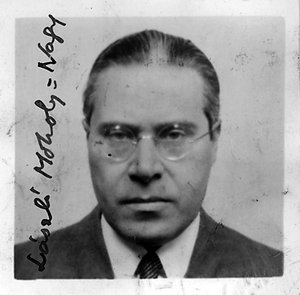
László Moholy-Nagy: A Pioneer of Modern Art and the Bauhaus
- Born: Bacs-Kajala, Hungary (1895)
- Died: 1946
László Moholy-Nagy was a profoundly influential Hungarian painter, photographer, sculptor, and designer. He is best known for his significant contributions to the Bauhaus school and his pioneering work in Constructivism, typography, photography, and kinetic art. His artistic philosophy centered on integrating technology and industry into the arts, advocating for a new vision of creativity that embraced the modern world.
Early Life and Influences
- Early Years & Family: Born László Weisz to a Jewish family in Bacsborsód, Hungary, he later adopted the surname Moholy-Nagy. His cousin was the renowned conductor Sir Georg Solti.
- Education and War Service: He initially studied law in Budapest before serving in World War I, sustaining a serious injury. This period exposed him to avant-garde movements through journals like "Jelenkor" and the “activist” circle around Lajos Kassák’s journal "Ma."
- Early Artistic Training: Following his military service, he studied with Hungarian Fauvist artist Róbert Berény, demonstrating an early interest in modern artistic trends. He briefly supported the Hungarian Soviet Republic.
- Key Influences: Moholy-Nagy was heavily influenced by Constructivism and Suprematism, movements that emphasized geometric abstraction and industrial materials. These influences are evident in his later works.
The Bauhaus Years and "New Vision"
- Joining the Bauhaus: In 1923, Moholy-Nagy joined the Bauhaus school in Weimar, Germany, initially co-teaching the preliminary course with Josef Albers and eventually replacing Johannes Itten as head of the metal workshop.
- Shifting the Bauhaus Direction: His arrival marked a shift away from Expressionism towards a more Constructivist and design-oriented approach, aligning with the school’s original aims.
- "New Vision" (Neues Sehen): Moholy-Nagy is most famously known for coining the term "New Vision," which championed the camera's ability to reveal aspects of reality invisible to the human eye. This concept underpinned his photographic and artistic experimentation.
- Photograms: He pioneered the photogram technique – creating images by placing objects directly on light-sensitive paper, without a camera – demonstrating innovative approaches to photography.
- Experimentation with Materials & Technology: Moholy-Nagy embraced industrial materials like metal, plexiglass, and electric lighting in his sculptures and designs, reflecting his belief in the integration of art and technology.
Major Achievements and Innovations
- "Lichtrequisit einer elektrischen bühne" (Light-Space Modulator): Completed in 1930, this kinetic sculpture used moving parts and projected light to create dynamic patterns on surrounding surfaces, considered a precursor to both kinetic art and light art.
- Photography & Film: His photographic work explored abstraction, texture, and movement, often utilizing unconventional techniques like photomontage and experimental lighting. He also ventured into filmmaking.
- Teaching Legacy: As an educator at the Bauhaus and later at the New Bauhaus in Chicago (which he founded), Moholy-Nagy profoundly influenced generations of artists and designers.
- Stage Design & Advertising: Beyond his fine art practice, he designed sets for theatrical productions and created advertising campaigns, demonstrating a versatility that reflected his design philosophy.
Historical Significance
- Pioneer of Modern Art: László Moholy-Nagy stands as a pivotal figure in 20th-century modern art, bridging the gap between painting, sculpture, photography, and industrial design.
- Influence on Bauhaus Design: His contributions to the Bauhaus school were instrumental in shaping its curriculum and aesthetic, leaving a lasting impact on design education worldwide.
- Advocate for Technological Integration: Moholy-Nagy's emphasis on integrating technology into art anticipated many developments in contemporary art practices.
- Legacy of "New Vision": His concept of “New Vision” continues to inspire artists and photographers to explore the possibilities of perception and representation through innovative techniques.
László Moholy-Nagy
1895 - 1946 , Hungary
Quick Facts
- Artistic Movement Or Style: Constructivism, Bauhaus
- Artists Or Movements Influenced By This Artist:
- Marianne Brandt
- György Kepes
- Andor Weininger
- Artists Who Influenced This Artist: ['Robert Berény']
- Date Of Birth: 1895
- Date Of Death: 1946
- Full Name: László Moholy-Nagy
- Nationality: Hungarian
- Notable Artworks:
- Small Composition
- Flower
- Mass Psychosis
- Untitled
- The Storm
- Photogram
- Place Of Birth: Bacs-Kajala, Hungary
Related Articles
Beyond Form & Color: Geometric Abstraction's Enduring Legacy in Art History
Explore the captivating world of geometric abstraction! Discover its origins, key artists like Malevich & Mondrian, and why this movement remains highly valued by art collectors today. Expert insights at ArtsDot.

Geometric Abstraction's 10 Defining Masterpieces | Art for Your Home - ArtsDot
Explore 10 defining masterpieces of Geometric Abstraction! Discover Kandinsky, Mondrian & Malevich’s iconic works. Find museum-quality art reproductions and curated decor ideas to elevate your home at ArtsDot.com.
Beyond Form & Color: Geometric Abstraction's Evolution in 20th/21st Century Art
Explore the evolution of geometric abstraction from Cubism to contemporary art. Discover key artists like Malevich & Mondrian, investment insights, and expert collecting advice at ArtsDot.
Geometric Design in Art: A Historical Survey & Contemporary Appeal for Collectors
Explore the enduring legacy of geometric abstraction! Discover key artists, historical movements & investment insights for discerning art collectors. Expert guidance from ArtsDot.
Constructivism: A Revolutionary Aesthetic – Ideology, Form & Impact on 20th-Century Art
Explore the revolutionary world of Constructivism! Discover key artists like Malevich & Lissitzky, its impact on modern art & design, and guidance for building a valuable collection. Expert insights at ArtsDot.
![Untitled [flower]](/media/artworks/images/thumbnails/12/b9/12b965f0372549fab6b89a4f5699ff83.jpg)