 Preview
 Send
Send Share
Share
 Details

 Download
 Similars
 X-Ray
X-Ray Diaporama
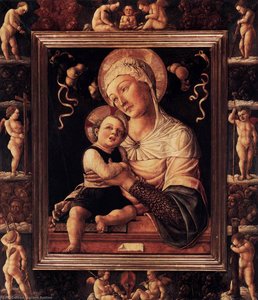
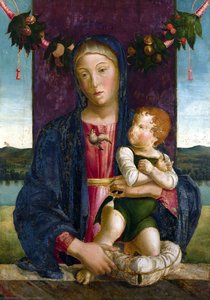
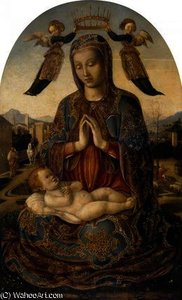
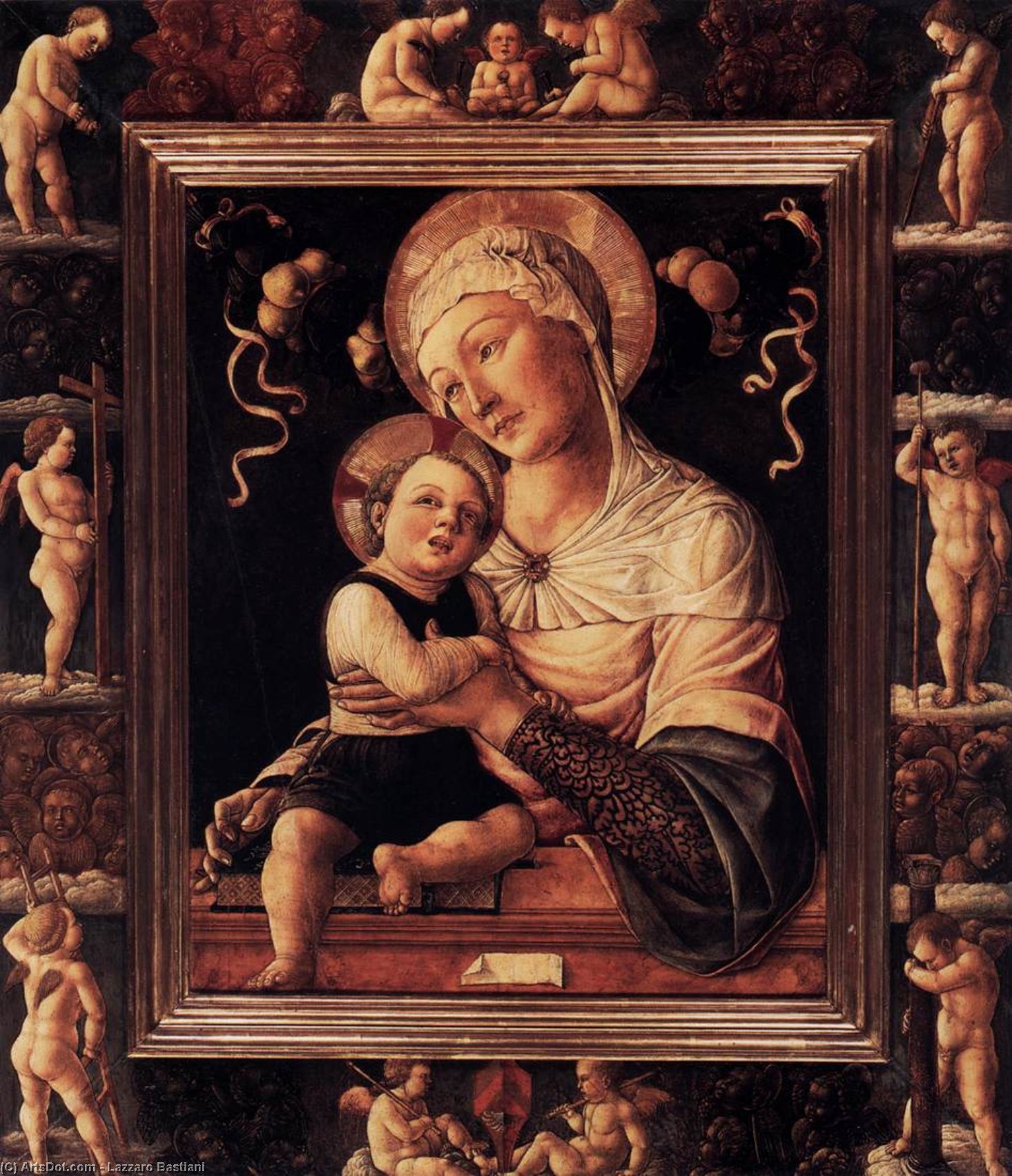
Madonna and Child in Painted Frame
 Oil On Canvas
- WallArt
- Early Renaissance
 79.0 x 67.0 cm
 Staatliche Museen
 Read More
Hand Made Oil Reproduction
Hand-painted oil on canvas in your size and frame, made to order by our artists. ( Buy Print Buy Image)




P118B $10

P118H $10

P118W $10

P438Z $10

P508JH $12

P508YH $12

P805H $10

P805Z $10

P919BZ $10

P919G $10

P919XJ $10

P959ZH $10

P968JZ $12

W106C $8

W218G $10

W218JH $8

W218Y $10

W307PJ $10

W316G $10

W316PJ $8

W316Y $10

W398PJ $8

W4111J $10

W500HY $15

W500JH $15

W692G $12

W849H $8

W940BG $15

W953PJ $8




Pick from our preset sizes that match the artwork's original proportions.

You may enter your own dimensions to fit a specific frame or space. If your selected size does not match the original image's proportions, we will either crop the artwork or extend the painting with additional hand-painted elements. A digital mockup will be sent for your approval before production begins.
Please note that the on-screen preview does not reflect the actual cropping or extension. Only the mockup will accurately show the final composition.
While custom sizes are available, we recommend selecting a dimension from the predefined list to preserve the original proportions.
After order, ArtsDot.com team will email client for instructions and provide a mockup preview
Worldwide Delivery () in 3/4 weeks instead of standard 5 weeks. (17 August). No compromise on quality.

Free Worldwide Express Shipping

High-Quality Linen Canvas

Full Shipping Insurance

Customs Tax Refund Guarantee

True Color Matching Guarantee

60-Day Return Policy (Defects Only)

100% Money-Back Guarantee

Bulk Discount Offer
 Glass option is only available in size under 110 CM

Madonna and Child in Painted Frame
Reproduction Medium
Reproduction Size
-


Total Price
$ 288
Artwork Description
A Vision of Devotion: The Madonna and Child in Painted Frame
Lazzaro Bastiani’s “Madonna and Child in Painted Frame,” a captivating oil painting from the early 16th century, transcends mere religious iconography to become a profound meditation on motherhood, grace, and the enduring power of faith. Born in Padua and trained under the influential Maestro Andrea Mantegna, Bastiani quickly established himself as a key figure within the vibrant artistic landscape of Venice – a city renowned for its patronage of the arts during the High Renaissance. This particular work, now housed in a private collection, offers a rare glimpse into the meticulous craftsmanship and deeply felt spirituality characteristic of Venetian painting at this pivotal moment.
The scene itself is deceptively simple: the Virgin Mary, rendered with an almost ethereal beauty, cradles the infant Jesus within her arms. Yet, beneath this serene surface lies a complex tapestry of symbolism and artistic technique. The composition is vertically oriented, drawing the eye upwards towards the divine presence embodied by Mary, while the carefully arranged figures – including Saint John the Baptist presented as a young child – create a sense of courtly dignity and reverence. Notice the subtle use of perspective; though flattened compared to later Renaissance masters, it skillfully guides the viewer’s gaze through the scene, emphasizing the central figures and creating a tangible depth within the painted space.
The Language of Color and Light
Bastiani's mastery lies not only in his depiction of form but also in his manipulation of color and light. The palette is rich and luminous, dominated by deep blues, reds, and golds – colors traditionally associated with royalty, divinity, and spiritual contemplation. The drapery of Mary’s robes flows with an almost palpable grace, rendered through layers of translucent glazes that create a shimmering effect, as if illuminated from within. Pay particular attention to the way light catches on the infant Jesus' face—a delicate highlight that draws attention to his innocence and vulnerability. The dark background serves not as mere emptiness but rather as a dramatic foil, intensifying the brilliance of Mary’s garments and highlighting the central figures.
A Venetian Renaissance Master
Bastiani’s work is firmly rooted in the Venetian Renaissance tradition, yet it also demonstrates a subtle departure from earlier Italo-Byzantine styles. He skillfully blended elements of Byzantine formality with emerging humanist ideals, creating a style that is both deeply spiritual and remarkably naturalistic. His training under Mantegna is evident in his attention to architectural detail and his use of hierarchical scale – placing the Virgin Mary and Christ Child at the apex of the composition. However, Bastiani’s figures possess a newfound sense of volume and weight, reminiscent of classical sculpture, suggesting a move towards greater realism and emotional depth.
Symbolism and Spiritual Resonance
Beyond its aesthetic beauty, “Madonna and Child in Painted Frame” is laden with symbolic meaning. The book held by Mary represents her role as the embodiment of scripture, while Saint John the Baptist’s presence alludes to the promise of salvation. The small cross held by one of the angels serves as a potent reminder of Christ's sacrifice. More broadly, the painting speaks to the timeless themes of motherhood, faith, and divine grace—emotions that continue to resonate with viewers centuries after its creation. The overall effect is profoundly moving, evoking feelings of reverence, serenity, and an intimate connection between mother and child within a sacred context.
Related Artworks


Artist Biography
The Venetian Legacy of Lazzaro Bastiani
Lazzaro Bastiani stands as a significant, albeit somewhat enigmatic, figure within the Venetian artistic landscape of the fifteenth and sixteenth centuries. Born in Padua in 1429, he emerged as a painter during a period marked by burgeoning humanist ideals and unparalleled artistic innovation—a time when Venice reigned supreme as a commercial powerhouse and cultural epicenter. While his output wasn’t as prolific or celebrated as contemporaries like Titian or Bellini, Bastiani nonetheless contributed substantially to the stylistic evolution of Venetian painting, particularly within the Scuola Grande di San Marco and its associated workshops.
Bastiani's artistic journey began in Padua, where he honed his skills under the tutelage of Andrea Mantegna—a master whose influence is palpable in Bastiani’s early works. This foundation in the rigorous, sculptural style of Mantegna provided him with a technical precision that would later blend seamlessly with the softer, more atmospheric qualities of the Venetian school. Records indicate that he swiftly established himself as a painter in Venice by 1460, securing commissions for altarpieces commissioned by the Procurators of San Marco, demonstrating an immediate grasp of the prevailing artistic tastes and expectations of the Venetian elite. Notably, his payment rate mirrored that of Giovanni Bellini at the time, signifying his recognition as a rising talent within the influential Bellini workshop—a connection that undoubtedly shaped his stylistic development.
A Collaborative Spirit in the Heart of Venice
Bastiani’s involvement with the Scuola Grande di San Marco proved pivotal to his career. From the 1480s onwards, he collaborated closely with Gentile Bellini, engaging in ambitious projects aimed at glorifying Venetian civic pride and commemorating important religious events. Their partnership exemplifies the collaborative spirit characteristic of Venetian painting during this era—a tradition where shared workshops and collective commissions allowed for a rich exchange of ideas and techniques. Through these large-scale endeavors, Bastiani helped weave the narrative of Venetian identity into the very fabric of its religious and civic institutions.
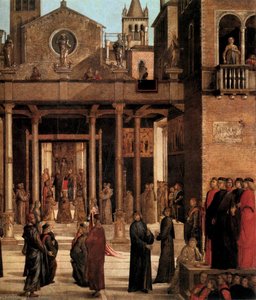
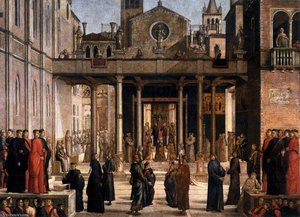
His mastery is perhaps most evident in his ability to balance sacred solemnity with human emotion. In works such as St. Veneranda Enthroned and the Madonna of Humility, one can observe a delicate interplay of light and shadow that breathes life into the divine subjects. His religious compositions often served as more than mere decoration; they were profound theological statements designed to inspire devotion. This is particularly evident in his detailed depictions of sacred ceremonies, such as The Relic of the Holy Cross is offered to the Scuola Grande di San Giovanni Evangelista, where he captures the intricate ritualism and communal fervor of the period with remarkable clarity.
Artistic Significance and Enduring Influence
As his career progressed, Bastiani’s work became a bridge between the structured, linear traditions of the early Renaissance and the more fluid, color-driven approach that would eventually define the High Renaissance in Venice. His ability to integrate the monumental presence of Mantegnesque figures with the luminous, atmospheric qualities pioneered by the Bellini family allowed him to create works that were both physically imposing and spiritually resonant.
Though history often focuses on the titans of the Venetian school, the contributions of Lazzaro Bastiani remain vital to understanding the cohesive movement of 15th-century art. His legacy is found in:
- The development of the Venetian altarpiece: Refining the use of religious iconography to serve both church and state.
- Collaborative excellence: Demonstrating how workshop partnerships drove the innovation of the Renaissance era.
- Stylistic synthesis: Merging Paduan precision with Venetian luminosity, creating a unique visual language for his era.
By the time of his death in 1512, Bastiani had left an indelible mark on the workshops of Venice, ensuring that his influence would ripple through the generations of painters who followed him into the golden age of the Venetian Renaissance.
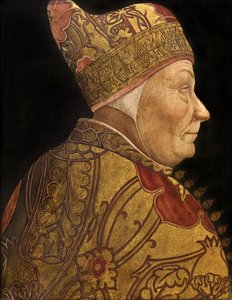
Lazzaro Bastiani
1429 - 1512 , Italy
Quick Facts
- Artistic Movement Or Style: Renaissance
- Artists Who Influenced This Artist:
- Giovanni Bellini
- Gentile Bellini
- Date Of Birth: Padua, Italy (1429)
- Date Of Death: 1512
- Full Name: Lazzaro Bastiani
- Nationality: Italian
- Notable Artworks:
- St. Jerome
- Madonna of Humility
- Madonna and Child enthroned with St. George
- Place Of Birth: Venice
Related Articles
Raphael's Masterpieces: 25 Iconic Paintings & Renaissance Art for Your Home
Explore 25 breathtaking Raphael paintings! Journey through the Italian Renaissance with masterpieces like 'School of Athens' & iconic Madonnas. Find museum-quality art reproductions and elevate your home decor on ArtsDot.com.

The Enduring Legacy of Oil on Canvas: Technique, History & Aesthetic Impact
Explore the rich history & techniques of oil painting – from Renaissance masters to Impressionism. Discover pigments, layering methods, and why this timeless medium endures. Expert insights for artists & art enthusiasts.

Oil on Canvas: A Historical & Technical Exploration of a Timeless Artistic Medium
Explore the rich history & enduring techniques of oil painting on canvas. Discover the science behind its longevity, conservation practices, and contemporary relevance. Expert insights for art enthusiasts.

The Enduring Power of Painting: A Historical & Contemporary Exploration of Form and Emotion
Explore the rich history & enduring techniques of oil painting with ArtsDot. Discover masterpieces, learn about art collecting, and find authentic handmade reproductions crafted by skilled artists.
The Enduring Legacy of Oil Paint: Technique, History & Emotional Resonance in Western Art
Explore the rich history & techniques of oil painting! Discover Renaissance masters, scientific principles behind color, and emotional resonance in art. Learn about glazing, layering, and atmospheric perspective – a guide for enthusiasts & collectors.