

 Preview
 Send
Send Share
Share
 Details

 Download
 Similars
 X-Ray
X-Ray Diaporama
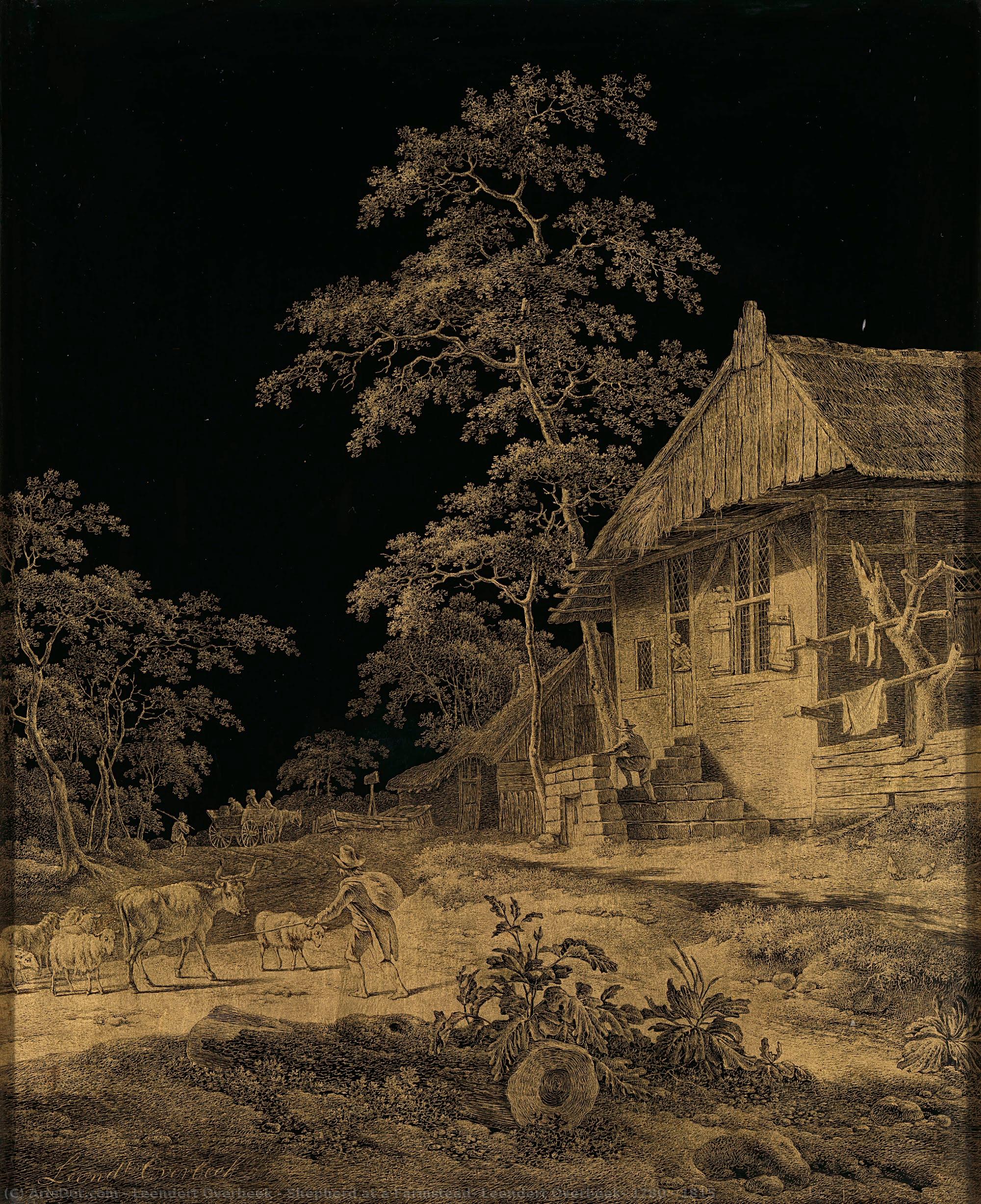
Shepherd at a Farmstead, Leendert Overbeek, 1780 - 1815
 Romanticism
 1815
1815 36.0 x 29.0 cm
 Read More
Hand Made Oil Reproduction
Hand-painted oil on canvas in your size and frame, made to order by our artists. ( Buy Print Buy Image)




P118B $10

P118H $10

P118W $10

P438Z $10

P508JH $12

P508YH $12

P805H $10

P805Z $10

P919BZ $10

P919G $10

P919XJ $10

P959ZH $10

P968JZ $12

W106C $8

W218G $10

W218JH $8

W218Y $10

W307PJ $10

W316G $10

W316PJ $8

W316Y $10

W398PJ $8

W4111J $10

W500HY $15

W500JH $15

W692G $12

W849H $8

W940BG $15

W953PJ $8




Pick from our preset sizes that match the artwork's original proportions.

You may enter your own dimensions to fit a specific frame or space. If your selected size does not match the original image's proportions, we will either crop the artwork or extend the painting with additional hand-painted elements. A digital mockup will be sent for your approval before production begins.
Please note that the on-screen preview does not reflect the actual cropping or extension. Only the mockup will accurately show the final composition.
While custom sizes are available, we recommend selecting a dimension from the predefined list to preserve the original proportions.
After order, ArtsDot.com team will email client for instructions and provide a mockup preview
Worldwide Delivery () in 3/4 weeks instead of standard 5 weeks. (17 August). No compromise on quality.

Free Worldwide Express Shipping

High-Quality Linen Canvas

Full Shipping Insurance

Customs Tax Refund Guarantee

True Color Matching Guarantee

60-Day Return Policy (Defects Only)

100% Money-Back Guarantee

Bulk Discount Offer
 Glass option is only available in size under 110 CM

Shepherd at a Farmstead, Leendert Overbeek, 1780 - 1815
Reproduction Medium
Reproduction Size
-


Total Price
$ 263
Artwork Description
Related Artworks
Artist Biography
Leendert Overbeek: A Dutch Master of Rural Tranquility
Leendert Overbeek, a name perhaps less familiar than Rembrandt or Vermeer, nevertheless represents a significant and quietly compelling voice within the pantheon of 18th-century Dutch Masters. Born in Amsterdam around 1752 and tragically passing away in London in 1815, Overbeek’s life was marked by both artistic ambition and practical necessity. His journey from aspiring artist to wallpaper manufacturer reveals a fascinating interplay between formal training, commercial demands, and a deeply rooted appreciation for the natural world – particularly the serene landscapes of his native Netherlands. Initially apprenticed to the Stadstekenacademie in Amsterdam, he honed his skills amidst a vibrant artistic community, absorbing influences while simultaneously navigating the competitive landscape of the Dutch art market. However, financial realities soon steered him towards a more lucrative path: the production of wallpaper, a venture that ironically provided him with both sustenance and continued opportunities for artistic expression.Early Life and Artistic Foundations
Overbeek’s early years were shaped by the bustling atmosphere of Amsterdam, a city renowned as a center of trade and artistic innovation during the Enlightenment. The Stadstekenacademie, or City Drawing Academy, offered a rigorous education in drawing, composition, and perspective – essential tools for any aspiring artist seeking to capture the beauty of the world around them. While details about his formal training remain somewhat sparse, it’s clear that Overbeek benefited from the collective expertise of his peers and instructors. Crucially, he spent time in Haarlem, a city with a rich artistic heritage and a thriving printmaking industry. This period proved pivotal, exposing him to diverse styles and techniques while simultaneously providing him with practical experience in producing decorative arts – an experience that would later inform his approach to landscape painting. The influence of the Dutch Golden Age is palpable in his work; he inherited a tradition of meticulous observation, atmospheric perspective, and a deep connection to the land.From Wallpaper to Landscape: A Dual Career
The decision to establish a wallpaper factory in Haarlem marked a significant turning point in Overbeek’s career. While seemingly a departure from his artistic aspirations, this venture provided him with financial stability and, perhaps more importantly, continued access to the world he so passionately depicted. The production of wallpaper demanded a keen eye for detail, an understanding of color theory, and a mastery of pattern design – skills that undoubtedly informed his later landscape paintings. Moreover, the repetitive nature of the work likely served as a valuable exercise in observation and compositional planning. It’s tempting to view this period as a compromise, but it's more accurate to see it as a strategic adaptation—a way for an artist to sustain himself while simultaneously nurturing his creative spirit. His pupils, including Cornelis Apostool, Jos van den Berg, and Egbert van Driels, were all influenced by his artistic vision and continued the tradition of Dutch landscape painting.A Style Defined by Serenity and Detail
Overbeek’s paintings are characterized by a remarkable sense of tranquility and realism. He eschewed dramatic narratives or heroic subjects in favor of intimate scenes of rural life – farmers tending their fields, shepherds guiding their flocks, and families enjoying the simple pleasures of the countryside. His compositions are typically balanced and harmonious, reflecting a deep appreciation for order and symmetry. A key element of his style is his meticulous attention to detail—from the individual blades of grass in a field to the weathered faces of his subjects. This commitment to realism was further enhanced by his use of light and shadow, creating a palpable sense of atmosphere and depth. His landscapes are not merely representations of scenery; they are imbued with a quiet dignity and an underlying spirituality. His work often evokes a feeling of nostalgia for a bygone era—a time when life moved at a slower pace and the rhythms of nature dictated the seasons.Legacy and Recognition
Despite his relatively modest fame during his lifetime, Leendert Overbeek’s legacy endures through his captivating landscapes. His paintings offer a poignant glimpse into the lives of ordinary people in 18th-century Holland—a testament to the enduring appeal of rural beauty and the power of observation. Works like “Shepherd at a Farmstead” (1815) exemplify his signature style, showcasing his mastery of light, color, and composition. Today, Overbeek’s paintings are held in prestigious collections, including the Stedelijk Museum Amsterdam, where they continue to inspire admiration for their quiet elegance and profound sense of place. His story serves as a reminder that artistic success is not always measured by fame or fortune, but rather by the enduring quality of one's work—a testament to a life dedicated to capturing the beauty of the natural world.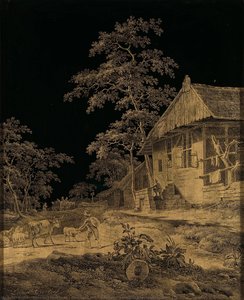
leendert overbeek
1815 , Netherlands
Quick Facts
- Artistic Movement Or Style: Old Masters
- Date Of Birth: c. 1752
- Date Of Death: 1815
- Full Name: Leendert Overbeek
- Nationality: Dutch
- Notable Artworks: ['Shepherd at a Farmstead']
- Place Of Birth: Amsterdam, Netherlands
Related Articles
Golden Light & Dutch Skies: Bringing the Magic of Dutch Golden Age Landscapes into Your Home
Transform your home with the breathtaking light of Dutch Golden Age landscapes. Discover how hand-painted oil reproductions of masterworks like Ruisdael and Vermeer bring timeless elegance, atmosphere, and soulful texture to modern interiors. Elevate your space with museum-quality art.

Beyond the Horizon: 10 Landscape Masterpieces for Your Home Decor
Journey through 10 breathtaking landscape paintings by Monet, Van Gogh & more! Explore iconic artworks, artistic techniques & find inspiration for your home decor. Museum-quality reproductions at ArtsDot.com. Discover all masterpieces on ArtsDot.com
Jan van Goyen: Master of Dutch Landscape & Atmospheric Perspective
Discover Jan van Goyen, the master of Dutch landscape painting. Explore his subtle technique, atmospheric realism & lasting influence on art history. Learn about this 17th-century pioneer at ArtsDot.
Jacob van Ruisdael: Master of Dutch Landscape & the Evocation of National Identity
Explore the life & work of Jacob van Ruisdael, the preeminent Dutch landscape painter. Discover his technical brilliance, symbolic depth, and lasting influence on art history. Learn about collecting Ruisdael's masterpieces.
Nicolaes Berchem: Dutch Golden Age Pastoralism & the Evolution of Landscape Painting
Explore the captivating world of Nicolaes Berchem, a leading Dutch Golden Age painter. Discover his idyllic landscapes, masterful technique & lasting influence on art history. Learn more at ArtsDot.

