 Preview
 Send
Send Share
Share
 Details

 Download
 Similars
 X-Ray
X-Ray Diaporama
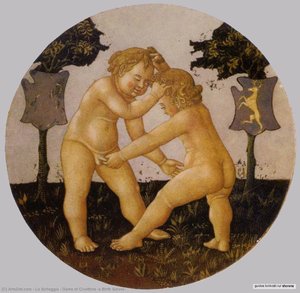
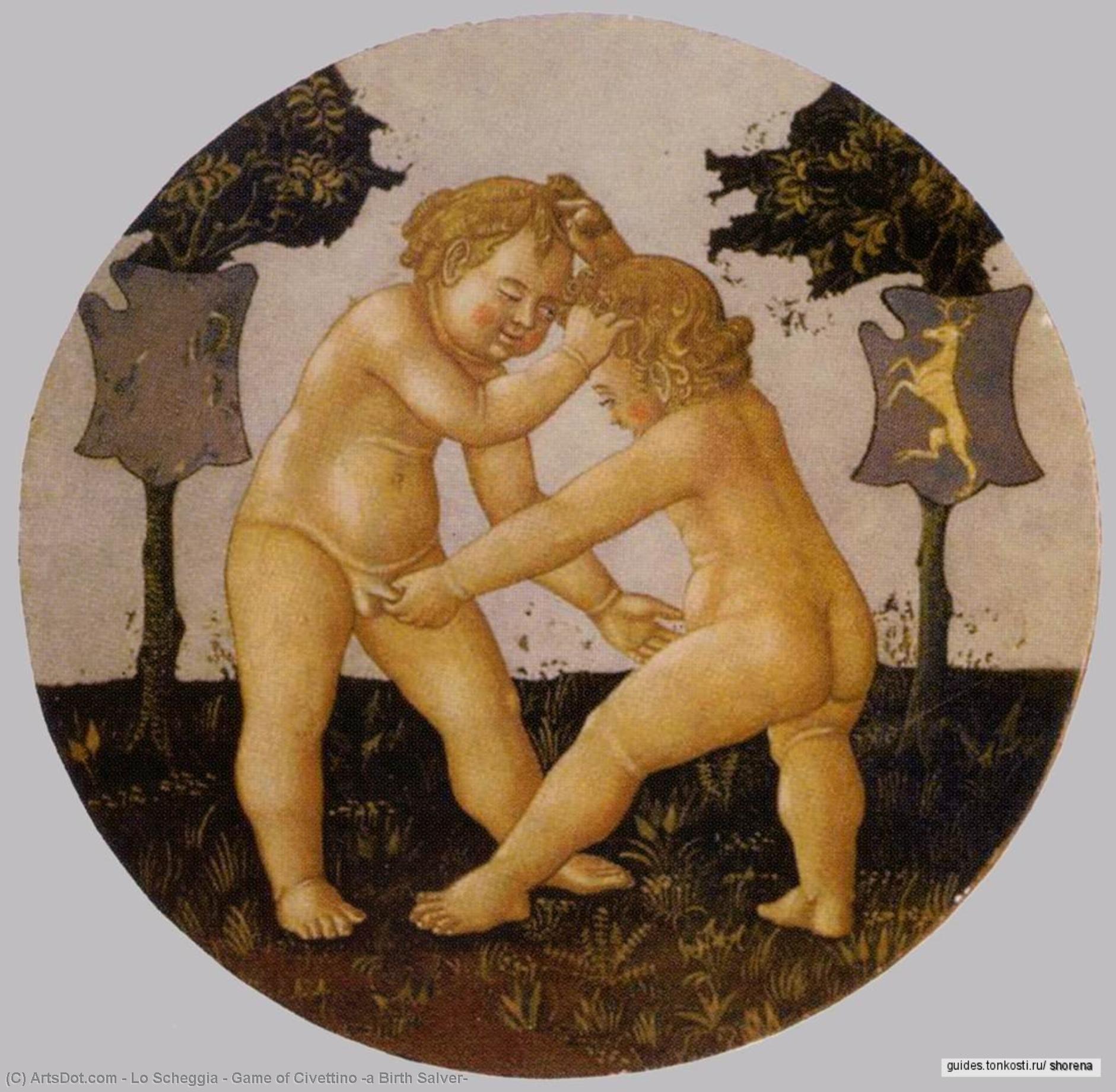
Game of Civettino (a Birth Salver)
 Tempera
- Early Renaissance
 1450
1450- Renaissance
 59.0 x 59.0 cm
 Museo di Palazzo Davanzati
 Read More
Giclée / Art Print
Museum-quality giclée or canvas print with fast production and flexible finish options. ( Buy Hand Made Painting Buy Image)




P118B $10

P118H $10

P118W $10

P438Z $10

P508JH $12

P508YH $12

P805H $10

P805Z $10

P919BZ $10

P919G $10

P919XJ $10

P959ZH $10

P968JZ $12

W106C $8

W218G $10

W218JH $8

W218Y $10

W307PJ $10

W316G $10

W316PJ $8

W316Y $10

W398PJ $8

W4111J $10

W500HY $15

W500JH $15

W692G $12

W849H $8

W940BG $15

W953PJ $8




Pick from our preset sizes that match the artwork's original proportions.

You may enter your own dimensions to fit a specific frame or space. If your selected size does not match the original image's proportions, we will either crop the artwork or extend the image with a mirrored or solid-fill edge. A digital mockup will be sent for your approval before production begins.
Please note that the on-screen preview does not reflect the actual cropping or extension. Only the mockup will accurately show the final composition.
While custom sizes are available, we recommend selecting a dimension from the predefined list to preserve the original proportions.
Worldwide Delivery () in 2 weeks instead of standard 4/5 weeks. (27 August)

Free Worldwide Express Shipping

High-Quality Linen Canvas

Full Shipping Insurance

Customs Tax Refund Guarantee

True Color Matching Guarantee

60-Day Return Policy (Defects Only)

100% Money-Back Guarantee

Bulk Discount Offer
 Glass option is only available in size under 110 CM

Game of Civettino (a Birth Salver)
Giclée / Art Print
Reproduction Size
-


Total Price
$ 63
Collectible Description
Game of Civettino (a Birth Salver): A Renaissance Echo
Filippo Lippi’s “Game of Civettino,” painted in 1450, is more than just a depiction of two infants engaged in a playful wrestling match; it's a poignant window into the burgeoning artistic sensibilities of the Early Renaissance. Executed with meticulous detail in tempera on gessoed panel, this circular painting immediately draws the viewer into its intimate world – a world where youthful rivalry and the innocent struggle for dominance are rendered with a captivating naiveté. The composition, tightly focused on the central figures within an oval frame, creates a sense of immediacy, as if we’ve stumbled upon a private moment frozen in time. The muted gold ground, subtly textured, provides a grounding backdrop for the dynamic interaction of the children, while stylized foliage and heraldic shields – strategically placed – introduce elements of decorative richness and potentially allude to family lineage or status.
Technique and Materials: The Language of Tempera
- Tempera Paint Mastery: Lippi’s skill lies in his masterful manipulation of tempera paint, a technique characterized by layering translucent washes to build up color and detail. This creates a remarkable sense of depth and luminosity, particularly evident in the rendering of the infants' skin – each brushstroke subtly conveying texture and form.
- Gessoed Panel Support: The painting is executed on a gessoed panel, providing an ideal surface for tempera’s adherence and allowing for smooth application of color.
- Limited Palette: The muted palette—primarily golds, browns, and ochres—contributes to the painting's contemplative atmosphere, focusing attention on the figures themselves rather than distracting visual embellishments.
Symbolism and Context: A Renaissance Childhood
The scene itself is rich in symbolic potential. The wrestling match represents not just childish play but also a broader exploration of youthful rivalry, power dynamics, and the struggle for dominance – themes frequently explored within Renaissance art. The circular format, common in Florentine painting during this period, emphasizes unity and completeness, mirroring the cyclical nature of life itself. The inclusion of heraldic shields adds another layer of meaning, suggesting connections to family or noble heritage. Painted around 1450, “Game of Civettino” reflects the growing interest in depicting everyday scenes with realism and psychological depth – a hallmark of the Early Renaissance’s shift away from purely religious iconography.
Emotional Impact and Artistic Legacy
Despite its seemingly simple subject matter, "Game of Civettino" possesses a remarkable emotional resonance. The infants' expressions—a mixture of determination and playful aggression—capture the essence of childhood innocence and exuberance. Lippi’s ability to imbue these figures with such palpable emotion is a testament to his artistic genius. This painting stands as a significant example of Lippi’s early work, showcasing his developing style and foreshadowing his later mastery of light and psychological realism. It offers a captivating glimpse into the world of a Renaissance childhood, inviting viewers to contemplate themes of competition, innocence, and the enduring power of play.
Related Artworks


Artist Biography
Filippo Lippi: A Renaissance Rebel and Master of Light
Filippo Lippi, born around 1406 in Florence and tragically dying in Spoleto in 1469, remains one of the most enigmatic and compelling figures of the Early Renaissance. More than just a painter, he was a complex individual – a reluctant friar, a passionate lover, a rebellious spirit, and ultimately, a profoundly gifted artist who defied convention and redefined the possibilities of visual storytelling. His life, shrouded in both romantic legend and documented scandal, mirrors the turbulent artistic landscape of his time, while his art continues to captivate with its luminous beauty and psychological depth.Early Life and Unconventional Beginnings
Lippi’s early years were marked by an unusual upbringing. Orphaned at two, he was entrusted to the care of his aunt, who placed him in the Carmelite friary of Santa Maria del Carmine in Florence – a decision driven more by necessity than affection. This placement, however, proved transformative. While initially intended as a temporary arrangement, Lippi’s artistic talent quickly shone through, captivating the attention of the prior and leading to his formal entry into the order at the age of sixteen. His life within the friary was far from serene; he struggled with religious discipline, harboring a deep-seated desire for worldly pleasures – most notably, a passionate affair with Lucrezia Buti, a nun who bore him two children. This scandalous relationship led to his expulsion from the convent and eventual marriage, forever branding him as a figure of contradiction: a devout artist wrestling with earthly desires. This unconventional background profoundly shaped his artistic vision, imbuing it with a sense of human drama and emotional complexity rarely seen in contemporary works.Influences and Artistic Development
Lippi’s early style was undeniably influenced by the revolutionary work of Masaccio at the Brancacci Chapel in Santa Maria del Carmine. The use of linear perspective, anatomical accuracy, and a nascent sense of realism were all hallmarks of Masaccio's approach, and Lippi initially adopted these techniques with enthusiasm. However, as he matured, his style underwent a dramatic shift, moving away from strict academic precision towards a more expressive and decorative aesthetic. He embraced rich color palettes, intricate details – particularly in drapery and ornamentation – and a dynamic sense of movement that set him apart from his contemporaries. His work began to reflect the humanist ideals of the era, exploring psychological states and capturing fleeting moments of emotion with unprecedented sensitivity. The influence of Donatello’s sculpture is also evident in Lippi's figures, particularly their dynamism and expressive gestures.Major Works and Innovations
Lippi’s artistic output was remarkably prolific, encompassing a diverse range of subjects including religious scenes, portraits, and decorative panels. His *Madonna and Child Enthroned* (c. 1437-1438), now in the Uffizi Gallery, exemplifies his early style – characterized by meticulous detail, balanced composition, and a subtle use of perspective. However, it was his monumental fresco cycle in Prato Cathedral, depicting the lives of St Stephen and St John the Baptist (1452–66), that cemented his reputation as one of the greatest artists of his time. This ambitious project showcased Lippi’s mastery of color, composition, and narrative storytelling, establishing him as a leading figure in the Florentine art world. Furthermore, he pioneered the use of the *sacra conversazione*, a format featuring multiple figures within a single frame, creating dynamic and engaging compositions that were revolutionary for their time. His work on the Barbadori Altarpiece (1437-1440) is considered one of the earliest examples of this innovative approach.Legacy and Historical Significance
Filippo Lippi’s legacy extends far beyond his individual works. He was a pivotal figure in the transition from Gothic to Renaissance art, embodying the spirit of innovation and experimentation that characterized the era. His willingness to challenge conventional artistic norms – both religious and stylistic – made him a controversial yet admired figure. His influence on subsequent generations of artists is undeniable, particularly Sandro Botticelli, who undoubtedly studied under Lippi and absorbed his distinctive style. Lippi’s life story—a blend of piety, passion, scandal, and artistic genius—continues to fascinate art historians and enthusiasts alike, solidifying his place as one of the most intriguing and important figures in Renaissance Italy. His work remains a testament to the power of art to capture both the beauty and the complexities of human experience.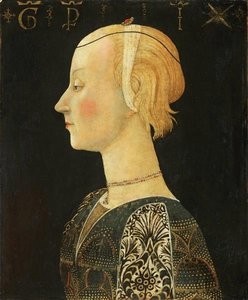
lo scheggia
1406 - 1486 , Italy
Quick Facts
- Artistic Movement Or Style: Early Renaissance
- Artists Or Movements Influenced By This Artist: ['Botticelli']
- Artists Who Influenced This Artist: ['Masaccio']
- Date Of Birth: c. 1406
- Date Of Death: 1469
- Full Name: Filippo Lippi
- Nationality: Italian
- Notable Artworks:
- Madonna and Child
- Annunciation
- Seven Saints
- Place Of Birth: Florence, Italy
Related Articles
Illuminating Surfaces: A Comprehensive Exploration of Tempera on Panel Painting Techniques & Historical Significance
Explore the rich history & techniques of tempera painting! Discover Renaissance masters like Botticelli & Fra Angelico, conservation insights, and the enduring legacy of this captivating art form. Learn more now!
Illuminating History: A Comprehensive Exploration of Tempera Painting Techniques & Artistic Legacy
Explore the rich history & techniques of tempera painting! Discover Renaissance masters like Botticelli & Fra Angelico, conservation insights, and the enduring legacy of this captivating art form.
Tempera's Timeless Legacy: 10 Masterpieces That Revolutionized Art | ArtsDot
Journey through 10 legendary tempera on panel masterpieces by Giotto, Duccio & Botticelli. Explore the history, symbolism & enduring beauty of these iconic artworks. Find museum-quality reproductions for your home at ArtsDot.com.
Mario Sironi: A Poetic of Modern Italian Identity Through Symbolism & Social Commentary
Explore the profound works of Mario Sironi, a key figure in Italian Modernism. Discover his evolution from Futurism to Metaphysical painting and his powerful social commentary. Learn about his legacy at ArtsDot.
Giovanni Fattori: Realism, Identity & the Tuscan Landscape – A Macchiaioli Master
Explore the life & art of Giovanni Fattori, a leading figure of the Macchiaioli movement. Discover his revolutionary realism, captivating Tuscan landscapes, and lasting impact on Italian painting. Learn more at ArtsDot.