 Preview
 Send
Send Share
Share
 Details

 Download
 Similars
 X-Ray
X-Ray Diaporama
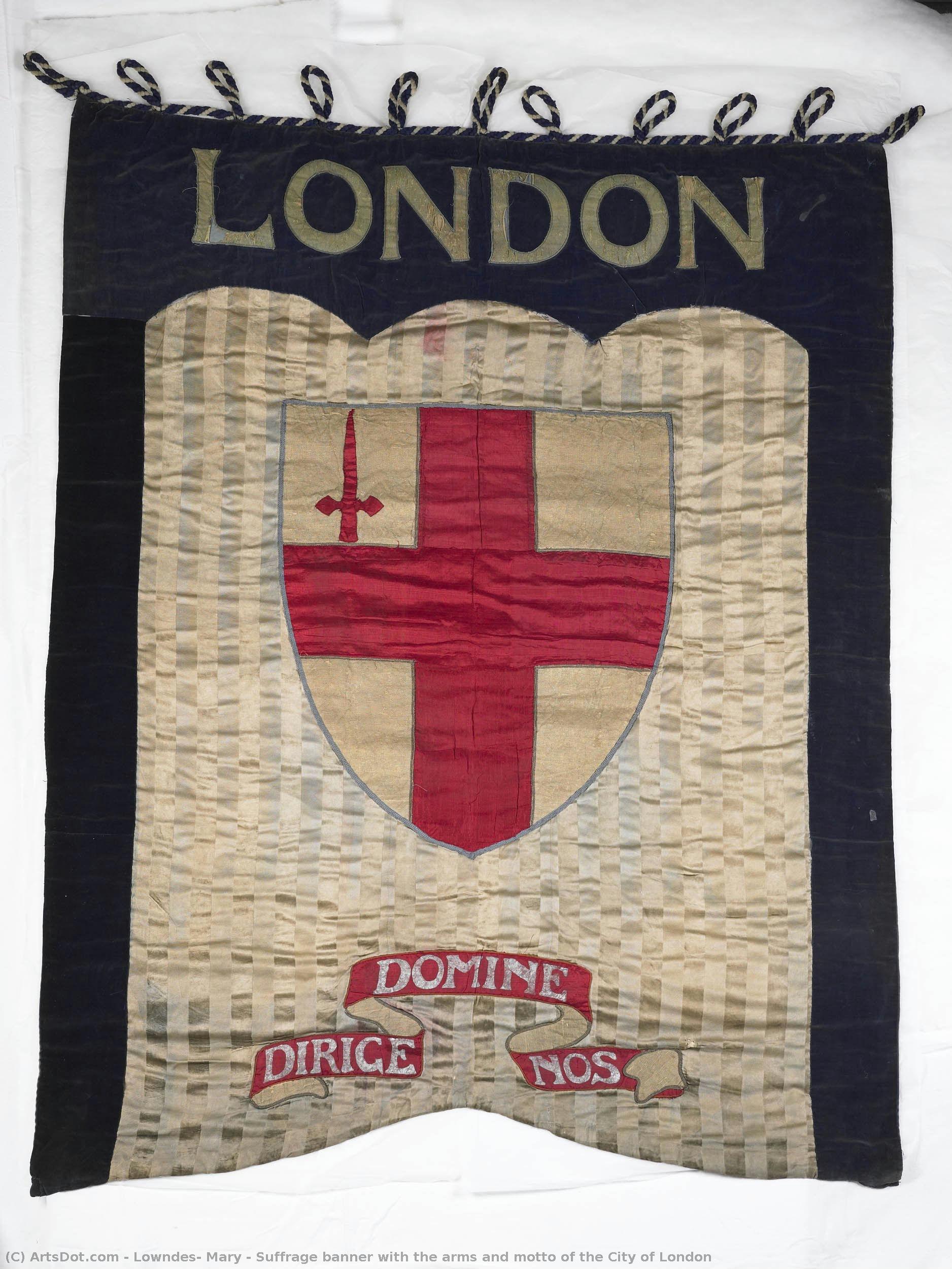
Suffrage banner with the arms and motto of the City of London


 Read More
Giclée / Art Print
Museum-quality giclée or canvas print with fast production and flexible finish options. ( Buy Hand Made Painting Buy Image)




P118B $10

P118H $10

P118W $10

P438Z $10

P508JH $12

P508YH $12

P805H $10

P805Z $10

P919BZ $10

P919G $10

P919XJ $10

P959ZH $10

P968JZ $12

W106C $8

W218G $10

W218JH $8

W218Y $10

W307PJ $10

W316G $10

W316PJ $8

W316Y $10

W398PJ $8

W4111J $10

W500HY $15

W500JH $15

W692G $12

W849H $8

W940BG $15

W953PJ $8




Pick from our preset sizes that match the artwork's original proportions.

You may enter your own dimensions to fit a specific frame or space. If your selected size does not match the original image's proportions, we will either crop the artwork or extend the image with a mirrored or solid-fill edge. A digital mockup will be sent for your approval before production begins.
Please note that the on-screen preview does not reflect the actual cropping or extension. Only the mockup will accurately show the final composition.
While custom sizes are available, we recommend selecting a dimension from the predefined list to preserve the original proportions.
Worldwide Delivery () in 2 weeks instead of standard 4/5 weeks. (4 September)

Free Worldwide Express Shipping

High-Quality Linen Canvas

Full Shipping Insurance

Customs Tax Refund Guarantee

True Color Matching Guarantee

60-Day Return Policy (Defects Only)

100% Money-Back Guarantee

Bulk Discount Offer
 Glass option is only available in size under 110 CM

Suffrage banner with the arms and motto of the City of London
Giclée / Art Print
Reproduction Size
-


Total Price
$ 63
A Beacon of Civic Pride: Mary Lowndes’ Suffrage Banner
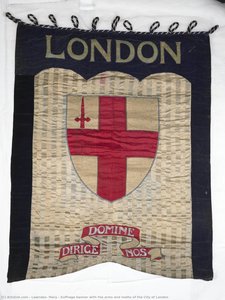
This striking suffrage banner, created by Mary Lownds in 1908, stands as a testament to the Arts and Crafts movement's commitment to elevating everyday objects with beauty and craftsmanship. More than just a decorative item, it embodies the spirit of activism and the desire for social reform prevalent during its time – a period marked by significant advancements in women’s suffrage advocacy. The banner’s enduring appeal lies not only in its aesthetic qualities but also in its rich historical narrative and symbolic representation of London's values.Design and Symbolism: Capturing Light and Heritage
Mary Lowndes, driven by her profound admiration for the magnificent east window at Sturminster Newton church – a masterpiece of stained glass artistry – embarked on a mission to translate that luminous experience into tangible form. Her design skillfully incorporates elements reflecting London’s heritage and civic identity. At its core is a heraldic shield emblazoned with a prominent cross, symbolizing Christian faith and representing the City of London's spiritual roots. Above the shield rests the motto “London,” boldly proclaiming the banner’s dedication to the city’s aspirations for equality and justice. The artist’s meticulous attention to detail ensured that every element contributed to conveying a powerful message: unwavering resolve in pursuit of a brighter future.Technique and Craftsmanship: The Arts and Crafts Legacy
Lowndes' mastery of stained glass technique exemplifies the core principles of the Arts and Crafts movement. Utilizing traditional methods passed down through generations, she skillfully fused molten glass rods with lead cames to construct intricate geometric patterns – a hallmark of the era’s stylistic preferences. The vibrant hues achieved through careful pigment mixing demonstrate an understanding of color theory rooted in observation and experimentation. Unlike mass-produced decorative items prevalent at the time, this banner represents painstaking labor and unwavering dedication to preserving artisanal skills—a deliberate rejection of industrialization's homogenizing influence.Historical Context: A Moment of Reform
The creation of this banner coincided with a pivotal moment in British history – the burgeoning suffrage movement. Women tirelessly campaigned for the right to vote, facing considerable opposition from entrenched societal norms. The banner served as a visual declaration of their cause, projecting an image of strength and determination alongside London’s enduring traditions. Its presence within public spaces underscored the importance of civic engagement and symbolized the collective yearning for social progress—a sentiment that continues to resonate today.Emotional Impact: Beauty Rooted in Purpose
More than simply pleasing to the eye, Mary Lowndes' Suffrage Banner possesses a palpable emotional resonance. The luminous quality of the stained glass captures the essence of spiritual contemplation while simultaneously conveying the fervent hope for societal transformation. Its enduring beauty serves as a reminder that art can be both aesthetically enriching and ethically significant—a testament to Lowndes’ vision and her unwavering belief in the transformative power of craftsmanship. It stands as an inspiring emblem of artistic integrity intertwined with social responsibility, inviting viewers to contemplate the intersection between heritage and aspiration.Related Artworks
Artist Biography
Mary Lowndes: A Pioneer of Light and Voice
The stained glass artist Mary Lowndes (1857-1929) wasn’t merely a craftsman; she was a vital force in the late 19th and early 20th century British arts scene, a period defined by a fervent desire to reconnect with traditional craftsmanship and imbue everyday objects with beauty. Born into a family of modest means in Dorset, her early life offered little indication of the profound impact she would have on the world of art, particularly within the burgeoning Arts and Crafts movement. Her fascination with stained glass began not through formal training, but through an encounter with a magnificent east window installed in Sturminster Newton church – a piece that ignited a lifelong passion for capturing light and color within durable, enduring materials.
Lowndes’ journey into the world of stained glass was initially shaped by her apprenticeship at the renowned Britten and Gilson workshop in Southwark. This experience proved invaluable, exposing her to the intricate processes involved – from designing the initial sketches to meticulously cutting the individual pieces of colored glass, assembling them within a lead framework, and finally, firing the entire panel in a kiln. However, it was her partnership with Christopher Whall, a leading figure in the Arts and Crafts movement known for his innovative designs and masterful use of color, that truly propelled her artistic development. Whall recognized Lowndes’ talent and encouraged her to embrace the full spectrum of stained glass creation, fostering an environment where she could experiment, learn, and ultimately establish her own studio.
The Birth of Lowndes & Drury
In 1897, a pivotal moment arrived with the formation of Lowndes & Drury – a collaborative venture with Alfred J. Drury, a skilled glazier who brought invaluable expertise in construction and assembly to the partnership. This wasn’t simply a business arrangement; it was a deliberate act of empowerment for women within a traditionally male-dominated field. The studio, located at 35 Park Walk in Chelsea, became a hub for artistic innovation, attracting other talented artists and providing a space where they could collectively refine their skills and realize ambitious projects. Crucially, Lowndes & Drury established a dedicated workshop, allowing her to oversee every stage of the process – a rarity for female stained glass artists at the time.
The studio’s output was remarkably diverse, encompassing ecclesiastical windows for churches across the United Kingdom, as well as secular commissions for private residences and public buildings. Lowndes' designs were characterized by their elegant simplicity, rich color palettes, and a subtle integration of symbolic imagery – often reflecting themes of faith, nature, and social justice. Her work wasn’t merely decorative; it was imbued with a profound sense of purpose, reflecting her own commitment to the suffragette movement.
A Voice for Suffrage
Beyond her artistic creations, Mary Lowndes emerged as a passionate advocate for women's rights and social reform. Recognizing the power of visual communication, she skillfully harnessed her artistic talents to support the burgeoning suffrage movement. In 1899, she joined the International Congress of Women in Paris and subsequently established the Artists’ Suffrage League (ASL), a collective dedicated to raising awareness about women's political enfranchisement through striking posters, banners, and other visual materials. The ASL quickly became a prominent force within the movement, producing impactful imagery that resonated with audiences across Britain.
Perhaps most notably, Lowndes designed numerous suffrage banners – iconic symbols of the campaign for female voting rights. These weren’t simply decorative pieces; they were carefully crafted statements, employing bold colors and evocative imagery to convey a powerful message of equality and justice. Her banner for the 1908 NUWSS procession, featuring the colors purple, white, and green – adopted by the movement as its official palette – remains a testament to her artistic skill and unwavering commitment to social change. The banners she created were not just visual aids; they were potent symbols of resistance and hope, embodying the aspirations of countless women striving for political recognition.
Legacy and Enduring Influence
Mary Lowndes’ legacy extends far beyond her individual artworks. She shattered barriers within a male-dominated profession, paving the way for future generations of female stained glass artists to pursue their creative ambitions. Her establishment of Lowndes & Drury demonstrated that women could not only participate in the craft but also lead and innovate within it. Her work continues to be celebrated for its beauty, craftsmanship, and profound social significance.
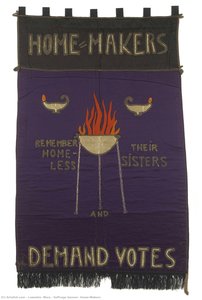
Today, her windows can be found gracing churches and cathedrals throughout Britain, offering a tangible connection to a remarkable artist and a pivotal moment in British art history. The Museum of London houses several of her most significant works, including the suffrage banner and “Home-Makers,” providing invaluable insights into her artistic vision and her unwavering commitment to social justice. Her influence resonates not only within the stained glass community but also as an inspiring example of creativity, activism, and the transformative power of art.
For further information and a comprehensive exploration of Mary Lowndes’ life and work, please visit: ArtsDot.com and explore resources such as the Museum of London's collection and Wikipedia’s entry on Mary Lowndes.
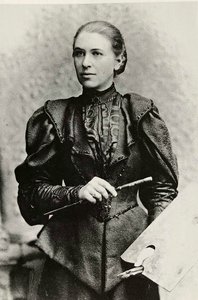
lowndes, mary
1856 - 1929 , United Kingdom
Quick Facts
- Artistic Movement Or Style: Arts & Crafts, Stained Glass
- Artists Or Movements Influenced By This Artist: ['Lowndes & Drury']
- Artists Who Influenced This Artist: ['Christopher Whall']
- Date Of Birth: 1857 Dorset, England
- Date Of Death: 1929
- Full Name: Mary Lowndes
- Nationality: British
- Notable Artworks:
- Suffrage banner
- Home-Makers
- Suffrage banners
- Place Of Birth: Sturryford, United Kingdom
Related Articles
Jacob Henricus Maris: A Master of Dutch Atmospheric Realism & the Intimate Landscape
Explore the captivating world of Jacob Henricus Maris, a leading figure of the Dutch Hague School. Discover his atmospheric landscapes, signature brushstrokes & lasting influence on 19th-century art. Learn more at ArtsDot.

Mary Vaux Walcott: Botanical Precision & Artistic Vision in American Conservation
Discover the exquisite botanical watercolors of Mary Vaux Walcott, celebrated as the 'Audubon of Botany.' Explore her life, art, and lasting impact on American conservation through detailed illustrations & Smithsonian contributions.

John La Farge: Pioneering American Colorism & Japonisme's Influence
Explore the groundbreaking work of John La Farge, a pioneer of American colorism and stained glass. Discover his captivating Japonisme-inspired murals & lasting legacy in 19th-century art. Expert insights for collectors.
Mary Agnes Yerkes: A Study in American Impressionism & Atmospheric Light
Explore the captivating world of Mary Agnes Yerkes, a resilient American Impressionist painter renowned for her vibrant landscapes of the West & National Parks. Discover her unique style and enduring legacy.
The Shadow of Faith: Exploring Gothic Art's Spiritual Intensity & Architectural Innovation
Explore the spiritual intensity & architectural innovation of Gothic art! Discover the symbolism behind cathedrals, stained glass & master artists like Giotto and Monet. A deep dive into medieval history & artistic expression.