 Preview
 Send
Send Share
Share
 Details

 Download
 Similars
 X-Ray
X-Ray Diaporama
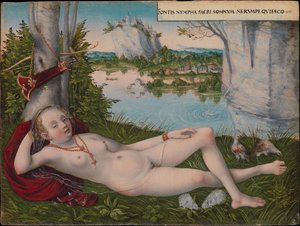
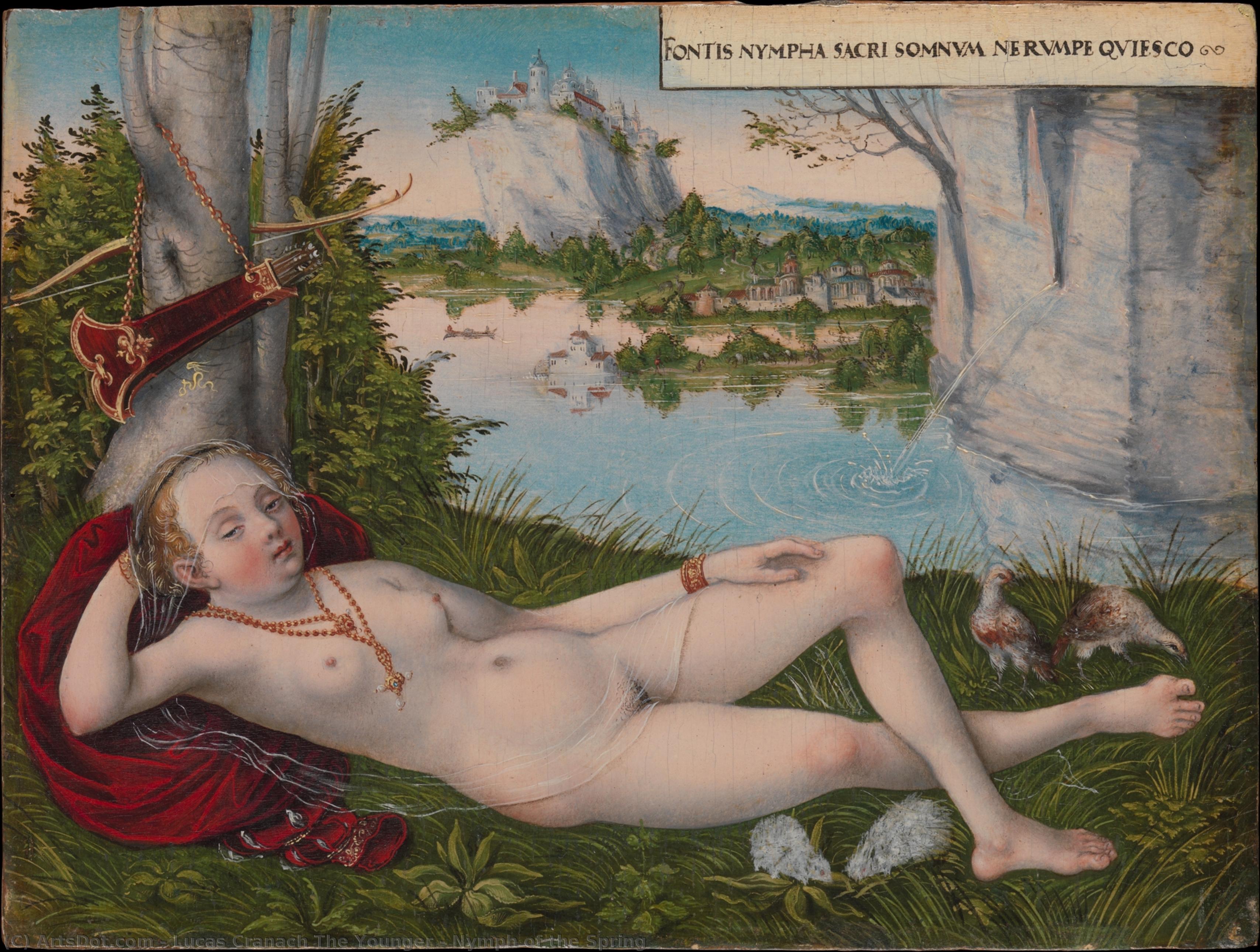
Nymph of the Spring
 Oil On Panel
- WallArt
- Renaissance
 1545
1545- Renaissance
 15.0 x 20.0 cm
 Metropolitan Museum of Art
 Read More
Hand Made Oil Reproduction
Hand-painted oil on canvas in your size and frame, made to order by our artists. ( Buy Print Buy Image)




P118B $10

P118H $10

P118W $10

P438Z $10

P508JH $12

P508YH $12

P805H $10

P805Z $10

P919BZ $10

P919G $10

P919XJ $10

P959ZH $10

P968JZ $12

W106C $8

W218G $10

W218JH $8

W218Y $10

W307PJ $10

W316G $10

W316PJ $8

W316Y $10

W398PJ $8

W4111J $10

W500HY $15

W500JH $15

W692G $12

W849H $8

W940BG $15

W953PJ $8




Pick from our preset sizes that match the artwork's original proportions.

You may enter your own dimensions to fit a specific frame or space. If your selected size does not match the original image's proportions, we will either crop the artwork or extend the painting with additional hand-painted elements. A digital mockup will be sent for your approval before production begins.
Please note that the on-screen preview does not reflect the actual cropping or extension. Only the mockup will accurately show the final composition.
While custom sizes are available, we recommend selecting a dimension from the predefined list to preserve the original proportions.
After order, ArtsDot.com team will email client for instructions and provide a mockup preview
Worldwide Delivery () in 3/4 weeks instead of standard 5 weeks. (27 August). No compromise on quality.

Free Worldwide Express Shipping

High-Quality Linen Canvas

Full Shipping Insurance

Customs Tax Refund Guarantee

True Color Matching Guarantee

60-Day Return Policy (Defects Only)

100% Money-Back Guarantee

Bulk Discount Offer
 Glass option is only available in size under 110 CM

Nymph of the Spring
Reproduction Medium
Reproduction Size
-


Total Price
$ 263
Artwork Description
A Renaissance Dream: The Ethereal Allure of the Nymph
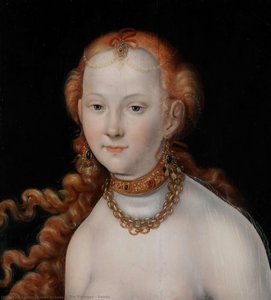
In the quietude of a Bavarian landscape, where the air seems thick with the scent of damp earth and blooming wildflowers, lies the captivating world of Lucas Cranach the Younger’s "Nymph of the Spring." Created during the mid-16th century, this masterpiece serves as a breathtaking window into the Renaissance soul, capturing a moment of profound serenity and classical grace. The painting presents us with a nude female figure, a nymph or perhaps a goddess of the season, reclining with effortless elegance upon a lush carpet of grass. Beside her, a tranquil body of water reflects the soft, dappled sunlight that filters through an unseen canopy, creating a scene that feels less like a static image and more like a captured breath of nature itself.
The composition is a masterclass in balance and harmony, a hallmark of the era's humanist ideals. While the central figure commands our immediate attention with her soft, luminous skin and graceful posture, Cranach invites the eye to wander through a meticulously detailed backdrop. Rolling hills, dotted with the distant, miniature silhouettes of a village, recede into a soft atmospheric haze, providing a sense of immense depth and scale. This deliberate use of perspective does more than just create a three-dimensional illusion; it connects the intimate, personal moment of the nymph to the vast, orderly grandeur of the natural world, suggesting a universe where divinity and nature are inextricably linked.
Technique and the Mastery of Light
To behold this work is to witness the technical prowess of the Cranach workshop. Executed in oil on a sturdy beech panel, the painting reveals a remarkable textural richness that invites closer inspection. Cranach employed a sophisticated layered brushwork technique, utilizing subtle blending and delicate tonal gradations to achieve a palpable sense of volume. The nymph’s form is not merely outlined but sculpted through light and shadow, giving her body a lifelike, sculptural quality that echoes the influence of Italian Mannerism. This meticulous handling of pigment allows for a luminous effect, where the skin seems to glow from within, contrasting beautifully against the deeper, more saturated greens of the meadow and the cool, reflective blues of the spring.
The color palette is a sophisticated dialogue between warmth and coolness. Rich golds, earthy browns, and soft reds ground the composition in a sense of organic vitality, while the sudden clarity of the water and the distant sky provides a refreshing counterpoint. For the discerning collector or interior designer, this interplay of tones offers incredible versatility; the painting possesses a quiet strength that can anchor a room with its classical dignity, yet its delicate highlights allow it to integrate seamlessly into spaces bathed in natural light.
Symbolism and the Spirit of an Era
Beyond its surface beauty, "Nymph of the Spring" is steeped in the intellectual currents of the Protestant Reformation and the humanist movement. During a time of profound theological shift in Germany, Cranach utilized classical mythology to explore themes of fertility, abundance, and the cyclical renewal of life. The nymph, as a personification of spring, embodies the eternal return of nature's bounty. There is an inherent sense of peace in her repose, yet a subtle, poignant tension exists—a reminder of the fleeting nature of beauty and the delicate balance between civilization and the wild.
For those seeking to bring a piece of history into a contemporary setting, this reproduction offers more than mere decoration. It is an invitation to contemplation. Whether placed in a sun-drenched study or a sophisticated living space, the artwork radiates an aura of timelessness. It serves as a focal point that sparks conversation, evoking the grandeur of the Renaissance and the enduring human fascination with the mysteries of the natural world. Owning such a piece is an opportunity to surround oneself with the elegance of a bygone era, fostering an environment of grace, intellect, and profound aesthetic inspiration.
Related Artworks

Artist Biography
The Legacy of Lucas Cranach the Younger: A Renaissance Vision
In the heart of the German Renaissance, a period defined by profound theological shifts and intellectual rebirth, Lucas Cranach the Younger emerged as a master of visual storytelling. Born in 1515 in Kronach, Bavaria, he was destined to inherit more than just a name; he inherited a monumental artistic legacy. As the son of the legendary Lucas Cranach the Elder, the younger Cranach stepped into a world where art and ideology were inextricably linked. His life’s work would become a bridge between the established traditions of his father’s workshop and the burgeoning, often turbulent, spirit of the Protestant Reformation.
The foundations of his talent were laid through rigorous training, notably under the influence of the great Albrecht Dürer in Nuremberg. This early exposure to Dürer’s meticulous precision instilled in him a lifelong devotion to technical mastery and an acute attention to detail. Yet, while he respected the classical forms passed down through his lineage, Cranach the Younger possessed a distinct creative impulse. He sought to move beyond mere imitation, experimenting with chiaroscuro and a more nuanced use of color to breathe life into his subjects, creating a sense of depth and psychological presence that was remarkably modern for his era.
The Painter of the Reformation
To understand the work of Cranach the Younger is to understand the pulse of 16th-century Wittenberg. As the Reformation swept through Europe, the artist found himself at the epicenter of a religious revolution. Supported by powerful Protestant patrons, most notably Frederick III of Saxony, his brush became a tool for conveying the theological convictions of the age. His altarpieces were not merely decorative; they were profound instruments of faith, depicting biblical narratives with a dramatic realism that resonated with the fervor of the time.
Perhaps his most enduring contribution to history lies in his ability to immortalize the faces of the Reformation. Through his portraits, he captured the likenesses of Martin Luther and other pivotal reformers, imbuing them with a sense of dignity, conviction, and human vulnerability. These works did more than record physical features; they conveyed the very essence of a movement. His ability to blend idealized beauty with deep psychological insight allowed him to create icons that served both as personal tributes and as powerful symbols of a new religious identity.
Artistic Mastery and Historical Significance
Beyond his religious fervor, Cranach the Younger was a prolific portraitist of the nobility, capable of capturing the opulence and status of the European elite with grace and sophistication. His workshop, which he continued to lead with distinction after 1550, remained a vital center of artistic production in Germany. His versatility allowed him to navigate the complexities of secular and sacred commissions, ensuring that his influence permeated both the halls of power and the sanctuaries of worship.
The historical significance of Lucas Cranach the Younger lies in his role as a custodian of tradition and an agent of change. He successfully navigated the transition from the late Gothic sensibilities of his father to the more humanistic, light-filled approaches of the high Renaissance. His life remains a testament to the power of art to document, shape, and endure through periods of immense social upheaval. Today, his works stand as vibrant windows into a transformative era, reminding us of a time when every brushstroke carried the weight of profound belief.
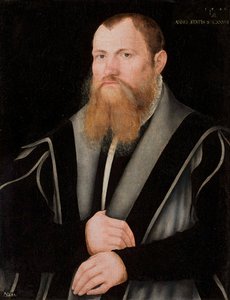
Lucas Cranach the Younger
1515 - 1586 , Germany
Quick Facts
- Artistic Movement Or Style: Renaissance painting
- Artists Or Movements Influenced By This Artist: ['German Renaissance']
- Artists Who Influenced This Artist: ['Lucas Cranach the Elder']
- Date Of Birth: 1515
- Full Name: Lucas Cranach the Younger
- Nationality: German
- Notable Artworks:
- Venus and Amor
- Portrait of a Man
- Portrait of Johannes Cuspinian
- Place Of Birth: Kronach, Germany
Related Articles
Neo-Classicism's Greatest Hits: 10 Masterpieces for Your Home |
Journey through Neo-Classicism's finest! Explore 10 iconic masterpieces by David, Ingres & Canova. Discover art history, techniques & timeless beauty – perfect for inspiring your home decor. Find museum-quality reproductions at
The Enduring Legacy of Classicism: Principles, Evolution & Influence in Western Art
Explore the enduring legacy of Classicism in Western art! Discover its historical context, key principles, iconic masterpieces & lasting influence. Learn about Renaissance and Neoclassical movements with ArtsDot.
Timeless Masterpieces: 10 Classic Artworks for Elegant Homes |
Explore 10 timeless masterpieces – from Van Gogh to Rembrandt – that define classic art & evoke enduring moods. Discover art history, techniques & find museum-quality reproductions for your home at . Explore the full collection online!
Timeless Resonance: Exploring Classic Vibe in Art – A Historical & Aesthetic Analysis
Explore the rich history & enduring aesthetic of Classicism art! Discover key movements, iconic artists like Raphael & David, and its lasting influence on Western art. Deepen your appreciation today.
Timeless Elegance: The Ultimate Buyer's Guide to Choosing Classical Portraits for Sophisticated Interiors
Discover how to select the perfect classical portrait for your home. Our expert guide explores matching art styles to interiors, choosing between hand-painted oils and Giclée prints, and transforming personal photos into timeless masterpieces with professional artistry.