 Preview
 Send
Send Share
Share
 Details

 Download
 Similars
 X-Ray
X-Ray Diaporama
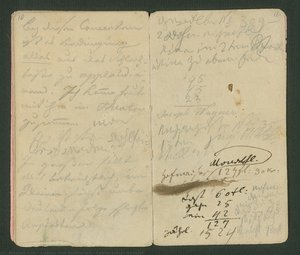
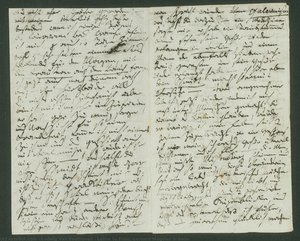
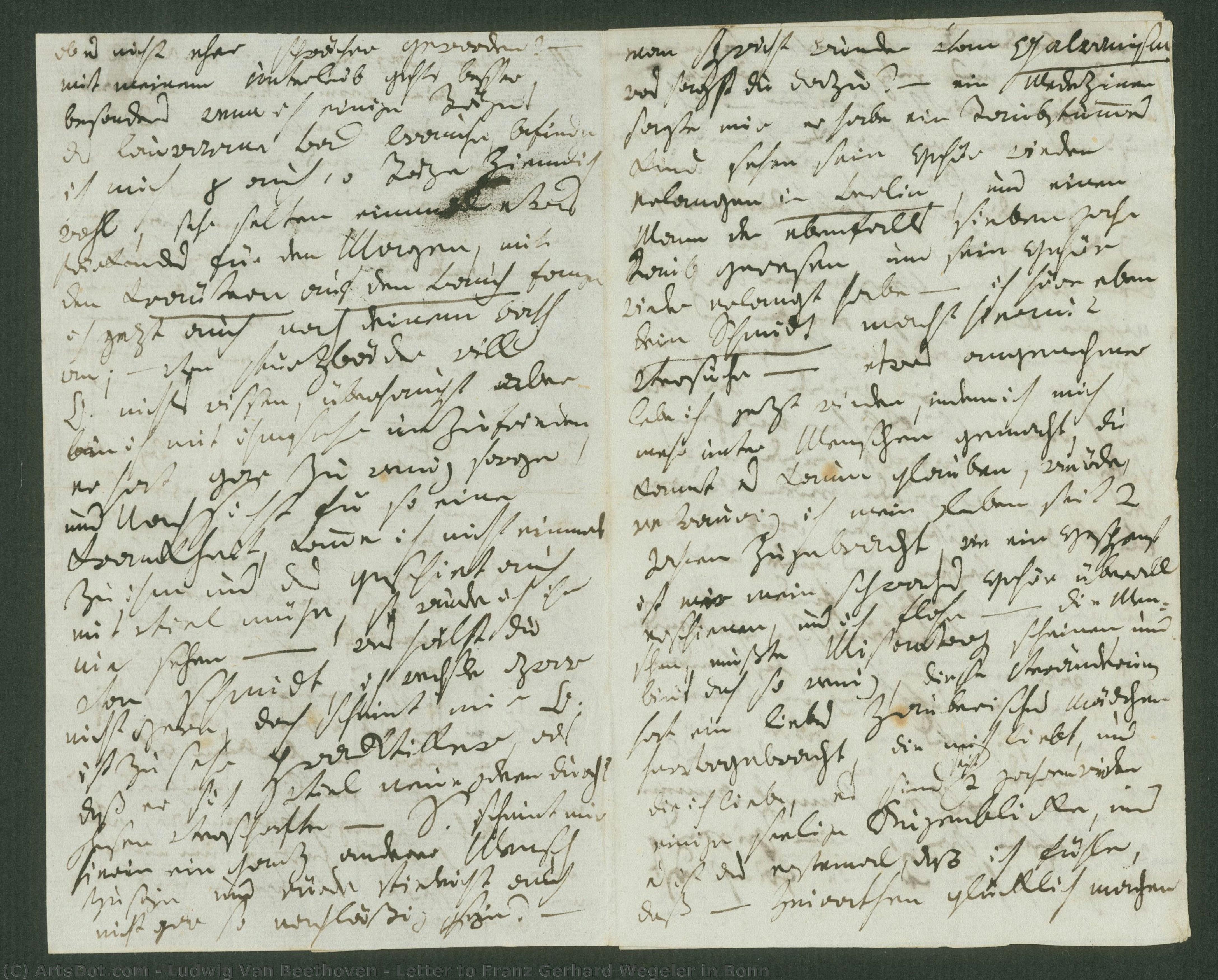
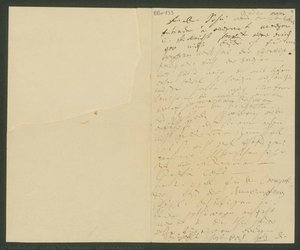
Letter to Franz Gerhard Wegeler in Bonn
 Ink On Paper
- Romantic Classical Music
 1801
1801- 19th Century
 19.0 x 11.0 cm
 Beethoven-Haus Bonn
 Read More
Giclée / Art Print
Museum-quality giclée or canvas print with fast production and flexible finish options. ( Buy Hand Made Painting Buy Image)




P118B $10

P118H $10

P118W $10

P438Z $10

P508JH $12

P508YH $12

P805H $10

P805Z $10

P919BZ $10

P919G $10

P919XJ $10

P959ZH $10

P968JZ $12

W106C $8

W218G $10

W218JH $8

W218Y $10

W307PJ $10

W316G $10

W316PJ $8

W316Y $10

W398PJ $8

W4111J $10

W500HY $15

W500JH $15

W692G $12

W849H $8

W940BG $15

W953PJ $8




Pick from our preset sizes that match the artwork's original proportions.

You may enter your own dimensions to fit a specific frame or space. If your selected size does not match the original image's proportions, we will either crop the artwork or extend the image with a mirrored or solid-fill edge. A digital mockup will be sent for your approval before production begins.
Please note that the on-screen preview does not reflect the actual cropping or extension. Only the mockup will accurately show the final composition.
While custom sizes are available, we recommend selecting a dimension from the predefined list to preserve the original proportions.
Worldwide Delivery () in 2 weeks instead of standard 4/5 weeks. (4 September)

Free Worldwide Express Shipping

High-Quality Linen Canvas

Full Shipping Insurance

Customs Tax Refund Guarantee

True Color Matching Guarantee

60-Day Return Policy (Defects Only)

100% Money-Back Guarantee

Bulk Discount Offer
 Glass option is only available in size under 110 CM

Letter to Franz Gerhard Wegeler in Bonn
Giclée / Art Print
Reproduction Size
-


Total Price
$ 63
A Window Into Beethoven's Soul: Examining ‘Letter to Franz Gerhard Wegeler’
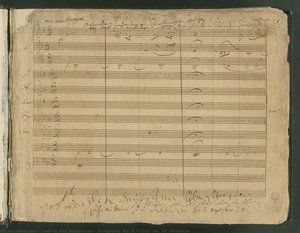
The unassuming parchment bearing Ludwig van Beethoven’s handwritten correspondence with Franz Gerhard Wegeler offers more than just ink on paper; it presents a poignant glimpse into the composer’s inner world—a world grappling with illness, ambition, and the complexities of personal relationships. Executed in 1801, amidst the burgeoning fervor of Vienna’s musical landscape, this letter transcends mere documentation, becoming an emblem of Beethoven's enduring spirit and vulnerability.- Subject Matter: The missive delves into matters both practical and deeply emotional. Beethoven recounts his ongoing struggles with deafness—a condition that relentlessly encroached upon his senses—and seeks Wegeler’s counsel regarding potential remedies. Simultaneously, he expresses affection for Wegeler's daughter, describing her as “dear magical,” hinting at aspirations for familial happiness despite societal disparities.
- Style & Technique: Beethoven’s handwriting is characterized by a deliberate precision and expressive flourish, reflecting his meticulous approach to composition itself. The ink used—likely iron gall ink—was common during the period, lending an authenticity to the document that speaks volumes about its provenance. The letter's dimensions (19 x 11 cm) are modest yet significant, emphasizing the intimacy of Beethoven’s communication with a trusted confidante.
- Historical Context: Beethoven was firmly rooted in the Romantic era, a time marked by an intense preoccupation with emotion and individualism. This letter embodies the spirit of the age—a yearning for connection amidst profound personal challenges—and underscores Beethoven's unwavering commitment to artistic integrity despite physical limitations. The correspondence occurred during Wegeler’s role as Beethoven’s publisher, highlighting the crucial intersection between patronage and creative expression.
- Symbolism: Beyond its biographical details, the letter carries symbolic weight. Beethoven’s preoccupation with deafness represents not merely a sensory impairment but also a metaphor for artistic struggle—the silencing of sound mirroring the suppression of conventional musical norms. His longing for familial happiness symbolizes the universal desire for love and belonging, resonating across centuries.
- Emotional Impact: Reading ‘Letter to Franz Gerhard Wegeler’ evokes empathy for Beethoven's plight and admiration for his unwavering dedication to his craft. It serves as a reminder that genius often emerges from adversity—that true artistry requires courage, vulnerability, and an unflinching pursuit of one’s passions.
Related Artworks
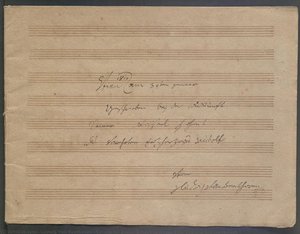
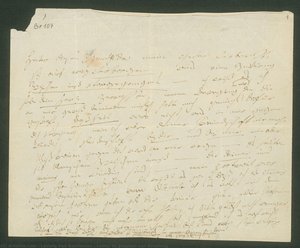
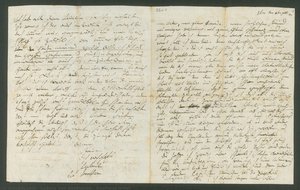
Artist Biography
early life and musical beginnings
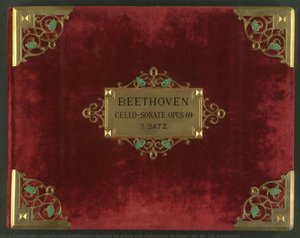
ludwig van beethoven, a renowned german composer and pianist, was born in bonn, germany, in 1770. displaying his musical talent at a young age, he began studying music under various teachers before moving to vienna, where he would spend most of his life.- sonata for piano and violoncello (a major) op. 69, 1st movement (available at ArtsDot.com)
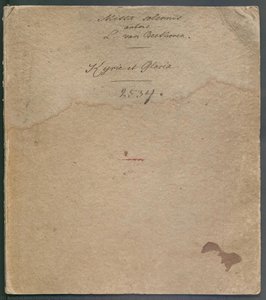
- beethoven's manuscript of the missa solemnis (viewable at wikipedia)
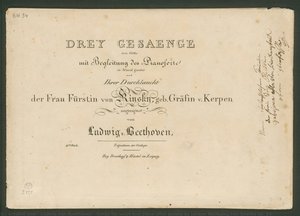
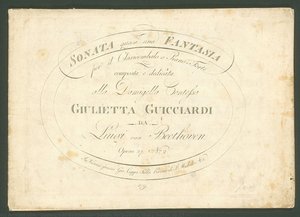
- three opus 1 piano sonatas, patronized by karl alois, prince lichnowsky
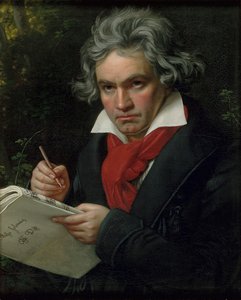
ludwig van beethoven
1770 - 1827 , Germany
Quick Facts
- Artistic Movement Or Style: Classical Romantic
- Artists Or Movements Influenced By This Artist:
- Johannes Brahms
- Robert Schumann
- Artists Who Influenced This Artist:
- Franz Joseph Haydn
- Christian Gottlob Schulze
- Date Of Birth: 1770 Bonn Germany
- Date Of Death: 1827 Vienna Austria
- Full Name: Ludwig van Beethoven
- Nationality: German
- Notable Artworks:
- Moonlight Sonata
- Symphony No 9
- Place Of Birth: Bonn Germany
Related Articles

Giclée Prints: Archival Quality & Aesthetic Nuances for the Discerning Collector
Explore the world of giclée prints with ArtsDot. Learn about archival quality, aesthetic nuances & investment potential. Expert guidance for discerning art collectors seeking museum-quality reproductions and lasting value.

The Enduring Legacy of Fine Art Prints: Technique, History & Aesthetic Impact
Explore the rich history & techniques of fine art prints. Discover investment potential, assess authenticity, and learn how to preserve your collection with expert guidance. Trusted insights for discerning collectors.
Harmonies on Canvas: Exploring the Visual Representation of Music in Art History
Explore the fascinating history of music's visual representation in art! From ancient symbolism to modern abstraction, discover how artists have captured sound and emotion on canvas. Expert insights & stunning examples.

Echoes of Time: Exploring the Enduring Appeal & Historical Context of Vintage Art Prints
Explore the captivating world of vintage art prints! Discover their history, collecting tips & enduring appeal. Expert insights on chromolithography and building a legacy collection with ArtsDot.
Romantic Realism's Finest: 10 Masterpieces for Your Home | ArtsDot
Explore 10 defining masterpieces of Romantic Realism! Discover Courbet, Millet & Daumier's powerful paintings—capturing emotion and social realities. Find museum-quality reproductions for your home at ArtsDot.com.