

 Preview
 Send
Send Share
Share
 Details

 Download
 Similars
 X-Ray
X-Ray Diaporama
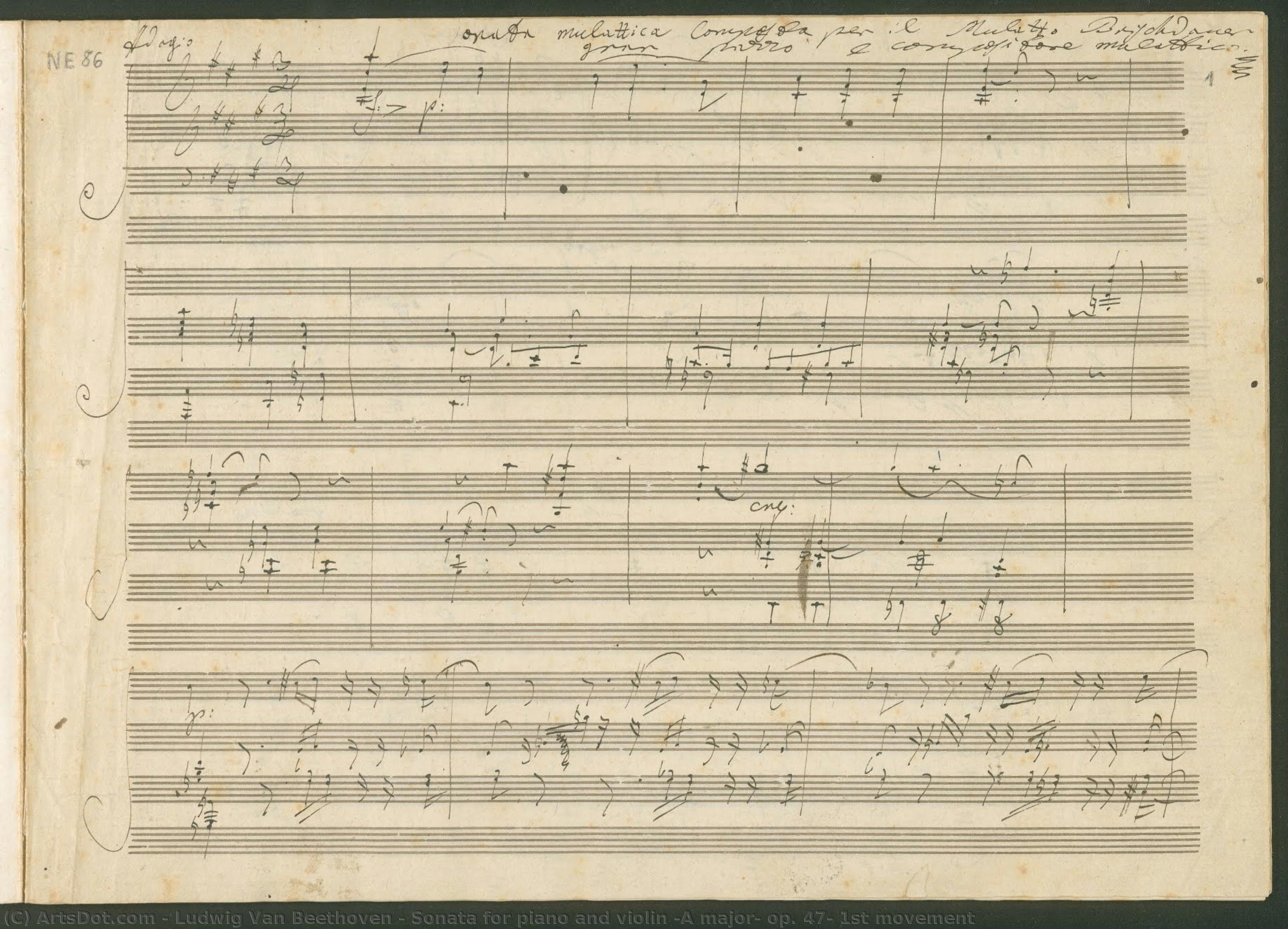
Sonata for piano and violin (A major) op. 47, 1st movement


 Read More
Purchase a high-resolution, enhanced digital image, far superior to the online preview.
Each file is meticulously prepared by our in-house specialists using advanced tools and expert manual retouching. We ensure every image has exceptional clarity, precise color accuracy, and fine detail.
The final file is delivered via email within 72 hours, optimized for immediate use in professional, editorial, and print environments. This is the same quality trusted by top-tier design studios, publishers, and galleries.
Digital Image
Download a high-resolution file for personal display, printing, and creative projects. ( Buy Print Buy Hand Made Painting)
Included in Every Digital Image Order
Expert Digital Delivery, Guaranteed
When you choose ArtsDot.com, you're not just getting an image - you're receiving a professionally enhanced digital artwork, crafted with precision and backed by a satisfaction guarantee. Here's everything that comes with your order, automatically:

Fast Email Delivery
Your high-resolution digital image file will be emailed to you within 72 hours of ordering - ready for immediate use.

AI-Enhanced Digital File
Your artwork is professionally optimized using advanced AI tools and manual editing, ensuring maximum detail, clarity, and color accuracy.

Free Lifetime Re-Delivery
Accidentally deleted or lost your file? No worries - we'll resend it to you anytime, free of charge.

No Import Fees - Ever
Enjoy your artwork instantly with zero customs, duties, or delivery fees - digital downloads are always tax-free.

Color Accuracy Guarantee
We ensure your digital image reflects the original colors as closely as possible using professional tools and color management.

60-Day Satisfaction Guarantee
If you're not satisfied with your digital image, we'll revise it or refund 100% within 60 days - no questions asked.

100% Money-Back Guarantee
Not satisfied? Get a full refund within 60 days of receiving your digital file - no questions asked.

Bulk Order Discounts
Buy 3 images, save 10% - Buy 5, save 15% - Buy 10+, save 20%. Great for creative projects, galleries, and agencies.
Beethoven’s Sonata for Piano and Violin: A Journey Through Passion and Innovation
Ludwig van Beethoven's "Sonata for Piano and Violin in A major, Op. 47," often known as the “Kreutzer Sonata,” isn’t merely a musical composition; it’s a visceral experience, a window into the turbulent soul of one of history’s most transformative composers. Completed in 1803 during a period of intense personal and professional upheaval for Beethoven – marked by increasing deafness and shifting patronage – this sonata stands as a testament to his unwavering artistic vision and his ability to translate profound emotion into sound.
The piece immediately captivates with its dramatic opening, eschewing the typical elegance of early Classical sonatas. Instead, it plunges directly into a chromatic introduction in D minor, a stark departure that establishes an atmosphere of brooding intensity. This initial darkness serves as a powerful counterpoint to the subsequent movements, creating a dynamic tension that defines the entire work. The first movement, marked “Adagio sostenuto – Presto,” unfolds with a deliberate slowness, building gradually towards a frenzied climax—a whirlwind of notes and rhythms that mirrors the composer’s own inner turmoil. The interplay between the piano and violin is not one of simple accompaniment; rather, it's a passionate dialogue, a push and pull of ideas and emotions.
A Tale of Rivalry and Dedication
The story behind the “Kreutzer Sonata” is as compelling as the music itself. Initially dedicated to the celebrated violinist George Bridgetower, the sonata’s creation was intertwined with a scandalous affair and a bitter dispute. Beethoven, deeply attached to a woman, became embroiled in a quarrel with Bridgetower, fueled by jealousy and resentment. The resulting estrangement led Beethoven to ultimately dedicate the work to Rodolphe Kreutzer, a fellow violinist known for his virtuosity and connections within the Viennese musical circles. This act of dedication, born from conflict, adds another layer of intrigue to the sonata’s narrative.
Interestingly, Kreutzer himself reportedly found the piece baffling and refused to perform it, suggesting that its complexity and emotional intensity were beyond his capabilities. This reluctance further cemented the “Kreutzer Sonata”’s reputation as a challenging and demanding work—a testament to Beethoven's willingness to push the boundaries of musical expression.
Form and Technique: A Masterclass in Duo Performance
Structurally, the sonata is divided into three distinct movements. The second movement, an “Andante,” offers a brief respite from the intensity of the first, presenting a more lyrical and contemplative theme. However, even here, Beethoven employs unexpected harmonic shifts and rhythmic irregularities, preventing it from becoming overly sentimental. The final movement, a spirited “Presto” in A major, is a whirlwind of energy and virtuosity—a dazzling display of technical skill and compositional ingenuity.
Beethoven’s use of dynamics and orchestration is particularly noteworthy. He masterfully employs contrasting levels of volume to heighten the emotional impact of each movement, creating moments of overwhelming power and delicate beauty. The interplay between the piano and violin is meticulously crafted, with each instrument taking turns to dominate the texture—a testament to Beethoven's understanding of duo performance.
Symbolism and Emotional Resonance
Beyond its technical brilliance, the “Kreutzer Sonata” resonates deeply with listeners due to its profound emotional content. The sonata’s turbulent energy reflects the composer’s own struggles with deafness and his personal relationships—a poignant exploration of love, loss, jealousy, and ambition. The story of the sonata's dedication is itself imbued with symbolism, representing not only a musical work but also a complex human drama.
Listening to the “Kreutzer Sonata” is akin to embarking on a journey through the depths of the human psyche—a powerful reminder of the enduring capacity for both beauty and suffering within the creative spirit. It remains a cornerstone of the classical repertoire, captivating audiences with its dramatic intensity and timeless emotional resonance.
Related Artworks
Artist Biography
early life and musical beginnings
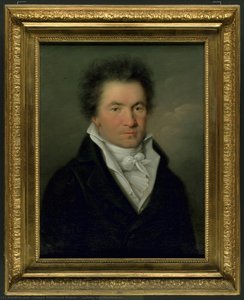
ludwig van beethoven, a renowned german composer and pianist, was born in bonn, germany, in 1770. displaying his musical talent at a young age, he began studying music under various teachers before moving to vienna, where he would spend most of his life.- sonata for piano and violoncello (a major) op. 69, 1st movement (available at ArtsDot.com)
- beethoven's manuscript of the missa solemnis (viewable at wikipedia)
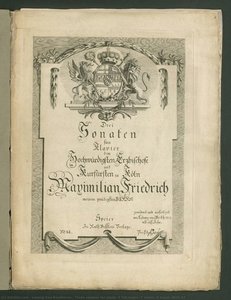
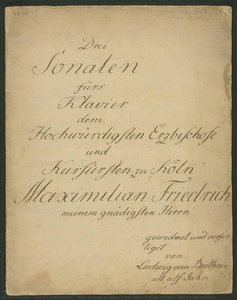
- three opus 1 piano sonatas, patronized by karl alois, prince lichnowsky
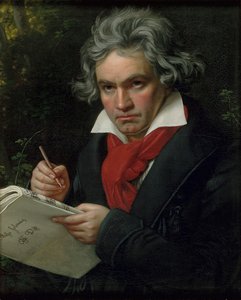
ludwig van beethoven
1770 - 1827 , Germany
Quick Facts
- Artistic Movement Or Style: Classical Romantic
- Artists Or Movements Influenced By This Artist:
- Johannes Brahms
- Robert Schumann
- Artists Who Influenced This Artist:
- Franz Joseph Haydn
- Christian Gottlob Schulze
- Date Of Birth: 1770 Bonn Germany
- Date Of Death: 1827 Vienna Austria
- Full Name: Ludwig van Beethoven
- Nationality: German
- Notable Artworks:
- Moonlight Sonata
- Symphony No 9
- Place Of Birth: Bonn Germany

