 Preview
 Send
Send Share
Share
 Details

 Download
 Similars
 X-Ray
X-Ray Diaporama
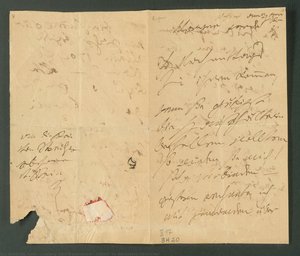
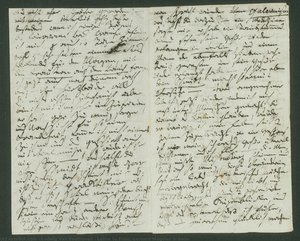
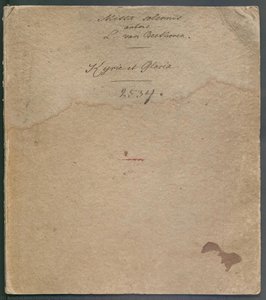
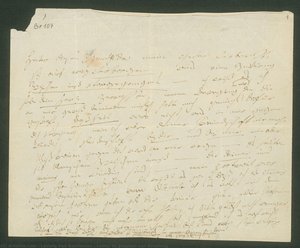
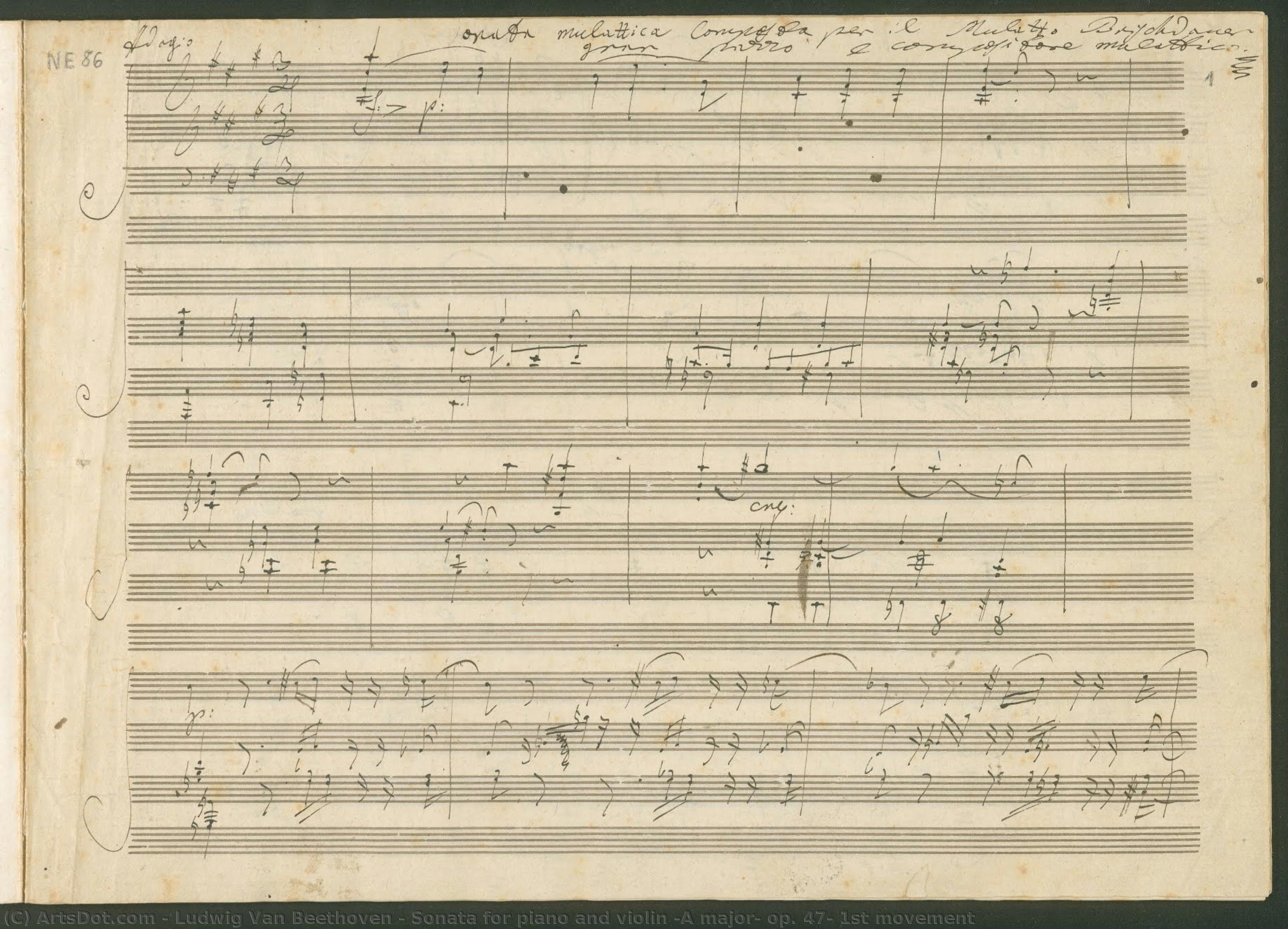
Sonata for piano and violin (A major) op. 47, 1st movement


 Read More
Hand Made Oil Reproduction
Hand-painted oil on canvas in your size and frame, made to order by our artists. ( Buy Print Buy Image)




P118B $10

P118H $10

P118W $10

P438Z $10

P508JH $12

P508YH $12

P805H $10

P805Z $10

P919BZ $10

P919G $10

P919XJ $10

P959ZH $10

P968JZ $12

W106C $8

W218G $10

W218JH $8

W218Y $10

W307PJ $10

W316G $10

W316PJ $8

W316Y $10

W398PJ $8

W4111J $10

W500HY $15

W500JH $15

W692G $12

W849H $8

W940BG $15

W953PJ $8




Pick from our preset sizes that match the artwork's original proportions.

You may enter your own dimensions to fit a specific frame or space. If your selected size does not match the original image's proportions, we will either crop the artwork or extend the painting with additional hand-painted elements. A digital mockup will be sent for your approval before production begins.
Please note that the on-screen preview does not reflect the actual cropping or extension. Only the mockup will accurately show the final composition.
While custom sizes are available, we recommend selecting a dimension from the predefined list to preserve the original proportions.
After order, ArtsDot.com team will email client for instructions and provide a mockup preview
Worldwide Delivery () in 3/4 weeks instead of standard 5 weeks. (28 August). No compromise on quality.

Free Worldwide Express Shipping

High-Quality Linen Canvas

Full Shipping Insurance

Customs Tax Refund Guarantee

True Color Matching Guarantee

60-Day Return Policy (Defects Only)

100% Money-Back Guarantee

Bulk Discount Offer
 Glass option is only available in size under 110 CM

Sonata for piano and violin (A major) op. 47, 1st movement
Reproduction Medium
Reproduction Size
-


Total Price
$ 263
Beethoven’s Sonata for Piano and Violin: A Journey Through Passion and Innovation
Ludwig van Beethoven's "Sonata for Piano and Violin in A major, Op. 47," often known as the “Kreutzer Sonata,” isn’t merely a musical composition; it’s a visceral experience, a window into the turbulent soul of one of history’s most transformative composers. Completed in 1803 during a period of intense personal and professional upheaval for Beethoven – marked by increasing deafness and shifting patronage – this sonata stands as a testament to his unwavering artistic vision and his ability to translate profound emotion into sound.
The piece immediately captivates with its dramatic opening, eschewing the typical elegance of early Classical sonatas. Instead, it plunges directly into a chromatic introduction in D minor, a stark departure that establishes an atmosphere of brooding intensity. This initial darkness serves as a powerful counterpoint to the subsequent movements, creating a dynamic tension that defines the entire work. The first movement, marked “Adagio sostenuto – Presto,” unfolds with a deliberate slowness, building gradually towards a frenzied climax—a whirlwind of notes and rhythms that mirrors the composer’s own inner turmoil. The interplay between the piano and violin is not one of simple accompaniment; rather, it's a passionate dialogue, a push and pull of ideas and emotions.
A Tale of Rivalry and Dedication
The story behind the “Kreutzer Sonata” is as compelling as the music itself. Initially dedicated to the celebrated violinist George Bridgetower, the sonata’s creation was intertwined with a scandalous affair and a bitter dispute. Beethoven, deeply attached to a woman, became embroiled in a quarrel with Bridgetower, fueled by jealousy and resentment. The resulting estrangement led Beethoven to ultimately dedicate the work to Rodolphe Kreutzer, a fellow violinist known for his virtuosity and connections within the Viennese musical circles. This act of dedication, born from conflict, adds another layer of intrigue to the sonata’s narrative.
Interestingly, Kreutzer himself reportedly found the piece baffling and refused to perform it, suggesting that its complexity and emotional intensity were beyond his capabilities. This reluctance further cemented the “Kreutzer Sonata”’s reputation as a challenging and demanding work—a testament to Beethoven's willingness to push the boundaries of musical expression.
Form and Technique: A Masterclass in Duo Performance
Structurally, the sonata is divided into three distinct movements. The second movement, an “Andante,” offers a brief respite from the intensity of the first, presenting a more lyrical and contemplative theme. However, even here, Beethoven employs unexpected harmonic shifts and rhythmic irregularities, preventing it from becoming overly sentimental. The final movement, a spirited “Presto” in A major, is a whirlwind of energy and virtuosity—a dazzling display of technical skill and compositional ingenuity.
Beethoven’s use of dynamics and orchestration is particularly noteworthy. He masterfully employs contrasting levels of volume to heighten the emotional impact of each movement, creating moments of overwhelming power and delicate beauty. The interplay between the piano and violin is meticulously crafted, with each instrument taking turns to dominate the texture—a testament to Beethoven's understanding of duo performance.
Symbolism and Emotional Resonance
Beyond its technical brilliance, the “Kreutzer Sonata” resonates deeply with listeners due to its profound emotional content. The sonata’s turbulent energy reflects the composer’s own struggles with deafness and his personal relationships—a poignant exploration of love, loss, jealousy, and ambition. The story of the sonata's dedication is itself imbued with symbolism, representing not only a musical work but also a complex human drama.
Listening to the “Kreutzer Sonata” is akin to embarking on a journey through the depths of the human psyche—a powerful reminder of the enduring capacity for both beauty and suffering within the creative spirit. It remains a cornerstone of the classical repertoire, captivating audiences with its dramatic intensity and timeless emotional resonance.
Related Artworks
Artist Biography
early life and musical beginnings
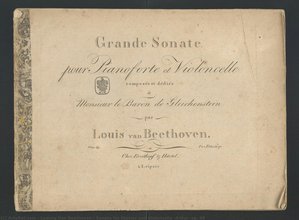
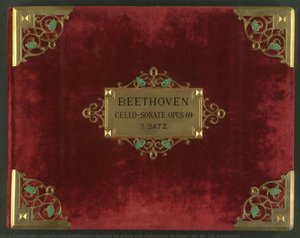
ludwig van beethoven, a renowned german composer and pianist, was born in bonn, germany, in 1770. displaying his musical talent at a young age, he began studying music under various teachers before moving to vienna, where he would spend most of his life.- sonata for piano and violoncello (a major) op. 69, 1st movement (available at ArtsDot.com)
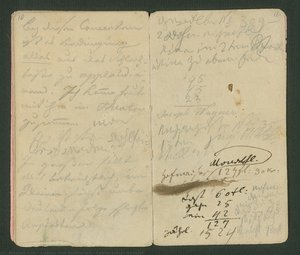
- beethoven's manuscript of the missa solemnis (viewable at wikipedia)
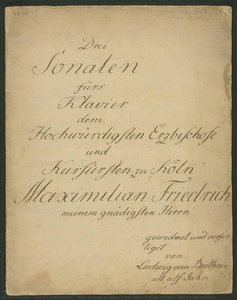
- three opus 1 piano sonatas, patronized by karl alois, prince lichnowsky
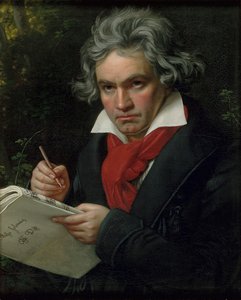
ludwig van beethoven
1770 - 1827 , Germany
Quick Facts
- Artistic Movement Or Style: Classical Romantic
- Artists Or Movements Influenced By This Artist:
- Johannes Brahms
- Robert Schumann
- Artists Who Influenced This Artist:
- Franz Joseph Haydn
- Christian Gottlob Schulze
- Date Of Birth: 1770 Bonn Germany
- Date Of Death: 1827 Vienna Austria
- Full Name: Ludwig van Beethoven
- Nationality: German
- Notable Artworks:
- Moonlight Sonata
- Symphony No 9
- Place Of Birth: Bonn Germany
Related Articles
Harmonies on Canvas: Exploring the Visual Representation of Music in Art History
Explore the fascinating history of music's visual representation in art! From ancient symbolism to modern abstraction, discover how artists have captured sound and emotion on canvas. Expert insights & stunning examples.
Neo-Classicism's Greatest Hits: 10 Masterpieces for Your Home |
Journey through Neo-Classicism's finest! Explore 10 iconic masterpieces by David, Ingres & Canova. Discover art history, techniques & timeless beauty – perfect for inspiring your home decor. Find museum-quality reproductions at
The Enduring Legacy of Classicism: Principles, Evolution & Influence in Western Art
Explore the enduring legacy of Classicism in Western art! Discover its historical context, key principles, iconic masterpieces & lasting influence. Learn about Renaissance and Neoclassical movements with ArtsDot.
Timeless Resonance: Exploring Classic Vibe in Art – A Historical & Aesthetic Analysis
Explore the rich history & enduring aesthetic of Classicism art! Discover key movements, iconic artists like Raphael & David, and its lasting influence on Western art. Deepen your appreciation today.

The Enduring Legacy of Classical Style: Form, Narrative & Influence in Art
Explore the enduring legacy of classical art – from ancient Greece & Rome to Neoclassicism. Discover key artists, philosophical roots & build a timeless collection with ArtsDot's expert guidance.