 Preview
 Send
Send Share
Share
 Details

 Download
 Similars
 X-Ray
X-Ray Diaporama
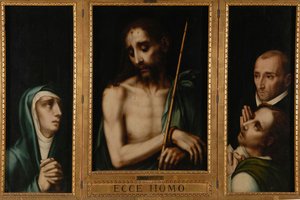
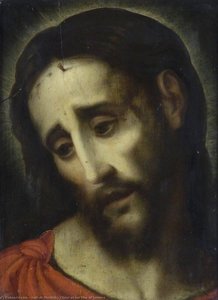
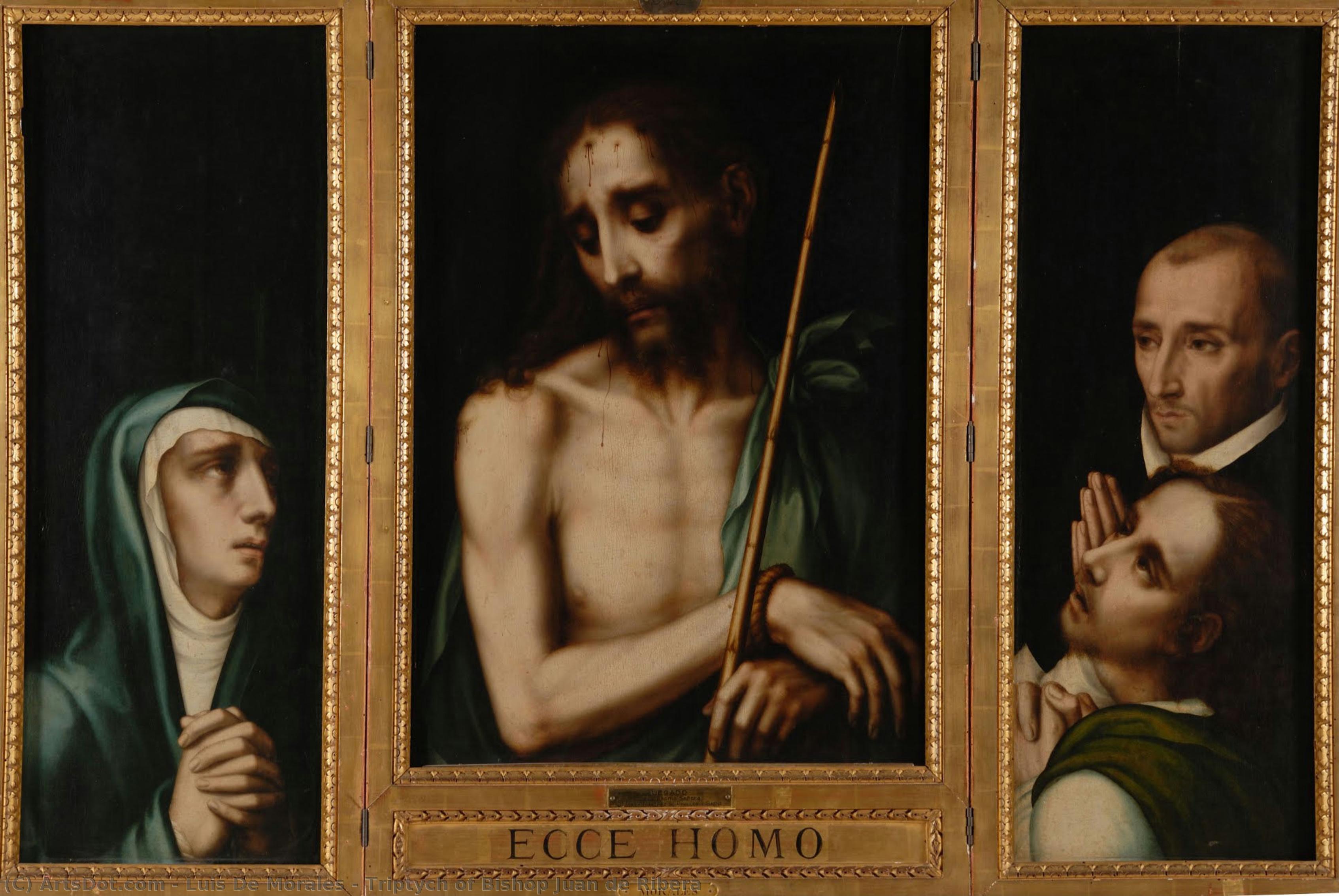
Triptych of Bishop Juan de Ribera
 Oil On Panel
- Baroque
 Renaissance
 104.0 x 80.0 cm
 Museum of Cádiz
 Read More
Hand Made Oil Reproduction
Hand-painted oil on canvas in your size and frame, made to order by our artists. ( Buy Print Buy Image)




P118B $10

P118H $10

P118W $10

P438Z $10

P508JH $12

P508YH $12

P805H $10

P805Z $10

P919BZ $10

P919G $10

P919XJ $10

P959ZH $10

P968JZ $12

W106C $8

W218G $10

W218JH $8

W218Y $10

W307PJ $10

W316G $10

W316PJ $8

W316Y $10

W398PJ $8

W4111J $10

W500HY $15

W500JH $15

W692G $12

W849H $8

W940BG $15

W953PJ $8




Pick from our preset sizes that match the artwork's original proportions.

You may enter your own dimensions to fit a specific frame or space. If your selected size does not match the original image's proportions, we will either crop the artwork or extend the painting with additional hand-painted elements. A digital mockup will be sent for your approval before production begins.
Please note that the on-screen preview does not reflect the actual cropping or extension. Only the mockup will accurately show the final composition.
While custom sizes are available, we recommend selecting a dimension from the predefined list to preserve the original proportions.
After order, ArtsDot.com team will email client for instructions and provide a mockup preview
Worldwide Delivery () in 3/4 weeks instead of standard 5 weeks. (17 August). No compromise on quality.

Free Worldwide Express Shipping

High-Quality Linen Canvas

Full Shipping Insurance

Customs Tax Refund Guarantee

True Color Matching Guarantee

60-Day Return Policy (Defects Only)

100% Money-Back Guarantee

Bulk Discount Offer
 Glass option is only available in size under 110 CM

Triptych of Bishop Juan de Ribera
Reproduction Medium
Reproduction Size
-


Total Price
$ 313
Artwork Description
A Divine Encounter with the Passion
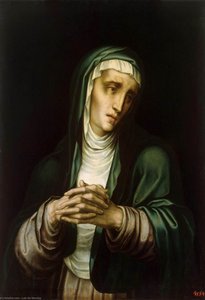
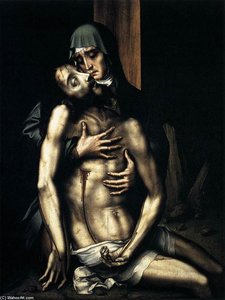
In the quiet, hallowed halls of the Museum of Cádiz, there exists a masterpiece that transcends the boundaries of mere paint and wood, inviting the viewer into a profound moment of spiritual introspection. The Triptych of Bishop Juan de Ribera, an extraordinary creation by the Spanish Renaissance master Luis de Morales, serves as a window into the depths of human suffering and divine grace. Known affectionately as "El Divino," Morales possessed a singular ability to translate theological complexity into visceral, emotional reality. This three-paneled altarpiece does not merely depict a scene; it orchestrates a sacred drama, capturing the heavy silence that follows the descent from the cross.
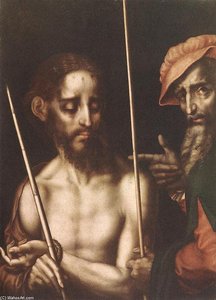
The composition is a masterclass in balanced intensity. Within the central panel, the viewer is confronted with the harrowing beauty of Christ's deposition. The figures are arranged with a deliberate, symmetrical solemnity that guides the eye toward the wounded body of Jesus. Surrounding Him, the presence of Mary Magdalene and John the Apostle provides a human anchor to the divine tragedy, their faces etched with a grief so palpable it seems to vibrate within the darkened atmosphere. The inscription "ECCE HOMO"—Behold Man—serves as a haunting command, forcing the observer to look past the historical event and recognize the shared vulnerability of all humanity.
The Mastery of Light and Shadow
Technically, the triptych is a triumph of the Spanish Renaissance style, leaning into the dramatic precursors of the Baroque. Morales utilizes a technique of layering oil paints on wood to create a rich, skin-like texture that breathes life into the figures. The lighting is nothing short of theatrical; a singular, powerful light source pierces through the surrounding gloom, illuminating the musculature of Christ and the delicate folds of the drapery. This chiaroscuro effect does more than provide depth—it creates a sense of sculptural volume, making the figures appear to emerge from the shadows into our very space.
Every brushstroke is purposeful, designed to emphasize the organic forms of the human body while maintaining a sense of ethereal grace. The deep, dark backgrounds serve as a void, stripping away all worldly distractions and leaving only the essential emotional truth of the Passion. For the collector or the interior designer, this piece offers a profound sense of gravity and prestige. A high-quality reproduction of this work brings not just an element of classical elegance to a room, but a focal point of immense contemplative power, perfect for spaces designed for reflection, study, or sophisticated curation.
Symbolism and Eternal Resonance
Beyond its aesthetic brilliance, the Triptych of Bishop Juan de Ribera is a dense tapestry of religious symbolism. The very structure of the triptych—the three panels—mirrors the Holy Trinity, while the subject matter focuses on the themes of sacrifice, redemption, and the ultimate cost of love. The way the light catches the wounds of Christ symbolizes the light of salvation breaking through the darkness of sin. It is a work that speaks to the universal experience of loss and the enduring hope of resurrection.
To possess a reproduction of this caliber is to invite a piece of Spanish art history into one's personal sanctuary. It is an investment in an atmosphere of timelessness. Whether placed in a grand library or a quiet corner of a contemporary home, Morales’ work continues to fulfill its original purpose: to move the soul, to provoke thought, and to remind us of the profound beauty found within the most somber of human moments.
Related Artworks
Artist Biography
Luis de Morales: The Divine Painter of Badajoz
Luis de Morales (c. 1509 – May 9, 1586), affectionately known as “El Divino,” stands as one of the most revered figures in Spanish Renaissance art—a painter whose profound spirituality and astonishing realism captivated audiences throughout his lifetime and continue to inspire admiration centuries later. Born in Badajoz, Extremadura, Morales’s artistic journey unfolded against a backdrop of burgeoning humanist ideals and religious fervor, shaping him into an unparalleled master of devotional imagery and cementing his legacy as the quintessential artist of his era.- Early Life & Influences: Little is known definitively about Morales's formative years beyond documented records indicating he was born in Badajoz around 1509. His artistic training likely commenced under the tutelage of Hernando Sturmio, a Flemish painter who had established himself in Badajoz, and possibly Pedro de Campaña, a prominent artist based in Seville—locations renowned for their vibrant artistic traditions during the Renaissance.
- The Lombard School & Florentine Echoes: Morales’s early works bear unmistakable marks of the Lombard school of Leonardo da Vinci – characterized by subtle sfumato (blurred outlines) and atmospheric perspective. Simultaneously, he absorbed influences from Michelangelo, whose monumental sculptures instilled in him a masterful understanding of anatomy and expressive gesture. These formative experiences profoundly impacted his artistic sensibilities.
A Period Defined by Anatomical Precision & Spiritual Depth
Morales’s artistic output can be broadly divided into two distinct periods, reflecting evolving stylistic trends and intellectual currents. The first phase, spanning roughly from 1539 to 1560, witnessed a continued engagement with Florentine aesthetics—particularly Michelangelo’s anatomical rigor—resulting in paintings imbued with palpable emotion and dramatic tension. Works such as *La Virgen del Pajarito* exemplify this early style, showcasing meticulous detail and conveying profound spiritual contemplation.- The Second Flowering: Following his marriage to Leonor de Chaves and subsequent relocation to Alcántara, Morales experienced a remarkable artistic renaissance. This period saw him produce masterpieces that pushed the boundaries of Renaissance technique—particularly in terms of anatomical accuracy—drawing inspiration from German and Flemish painters who championed chiaroscuro (contrast between light and dark) and meticulous observation of nature.
- Notable Achievements: Among his most celebrated paintings are *La Piedad* (1560), housed in Badajoz Cathedral, a breathtaking depiction of Mary mourning the death of Jesus—a testament to Morales’s unparalleled skill in conveying sorrowful emotion; *San Juan de Ribera* (1564), residing in Madrid's Prado Museum; and *Ecce Homo*, displayed at the Hispanic Society of America. These works stand as enduring symbols of Renaissance piety and artistic excellence.
Legacy & Recognition
Luis de Morales’s influence extended far beyond his own lifetime, establishing him as a cornerstone of Spanish Renaissance art and securing his place among the greatest painters of his generation. His unwavering devotion to religious themes—expressed with breathtaking realism and imbued with palpable emotion—resonated deeply with audiences across Europe. Today, his paintings are housed in prestigious institutions worldwide—including the Prado Museum in Madrid and Kingston Lacy House in Dorset—attesting to their enduring artistic merit and historical significance. Morales’s legacy continues to inspire artists and scholars alike, ensuring that “El Divino” remains a beacon of spiritual artistry for generations to come.Selected Works
- *La Virgen del Pajarito*(*Virgin of the Bird*) (1546), kept in the church of San Agustín, in Madrid.
- *La Piedad*() (1560), kept in Badajoz Cathedral.
- *San Juan de Ribera*(1564), in the Prado Museum, Madrid.
- *Ecce Homo*, at Kingston Lacy House (National Trust), Dorset U.K.
- *Virgen de la leche*(*Breastfeeding Virgin*), in the Prado Museum.
- *St. Jerome in the Wilderness*, in the National Gallery of Ireland, Dublin.
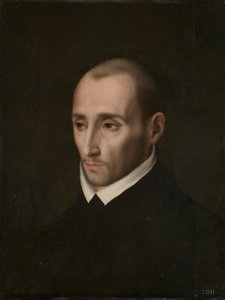
Luis de Morales
1509 - 1586 , Spain
Quick Facts
- Artistic Movement Or Style: Mannerism
- Artists Or Movements Influenced By This Artist: ['Michelangelo']
- Artists Who Influenced This Artist:
- Raphael Sanzio
- Leonardo da Vinci
- Date Of Birth: 1509
- Date Of Death: 1586
- Full Name: Luis de Morales
- Nationality: Spanish
- Notable Artworks:
- La Virgen del Pajarito
- La Piedad
- San Juan de Ribera
- Ecce Homo
- Place Of Birth: Badajoz, Spain
Related Articles

Demandes Commerciales
APS ofrece reproducciones de bellas artes y encargos personalizados desde 2004. Confían en nosotros corporaciones, hoteles y coleccionistas selectos para obras de arte de calidad museística, servicio discreto y soluciones artísticas completas. ¡Póngase en contacto con nosotros para obtener un presupuesto personalizado!

Goya's Masterpieces: Explore 25 Iconic Paintings & Art Prints | ArtsDot
Delve into the world of Francisco Goya with ArtsDot. Explore 25 iconic paintings – from 'The Third of May' to his haunting Black Paintings. Discover the stories, techniques & emotions behind these Spanish masterpieces. Find museum-quality art reproductions for your home at ArtsDot.com!

The Golden Age Reforged: Dramatic Realism & Religious Zeal in Spanish Baroque Art
Explore the dramatic world of Spanish Baroque art! Discover masters like Zurbarán & the powerful influence of religious zeal on painting techniques – a guide for collectors and enthusiasts.
Juan de Valdés Leal: Baroque Realism, Memento Mori & Theatricality of Spanish Grief
Explore the powerful Baroque realism of Juan de Valdés Leal (1622-1690). Discover his somber masterpieces, iconic 'In Ictu Oculi', and profound explorations of mortality. Museum-quality reproductions available at ArtsDot.
Rafael de Penagos: A Study in Spanish Portraiture & Artistic Identity
Explore the life & art of Rafael de Penagos, a leading Spanish Art Deco illustrator. Discover his iconic 'Penagos Woman', commercial work, and lasting legacy. Learn about this pivotal figure in 20th-century Spanish art history.