 Preview
 Send
Send Share
Share
 Details

 Download
 Similars
 X-Ray
X-Ray Diaporama
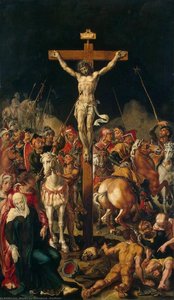
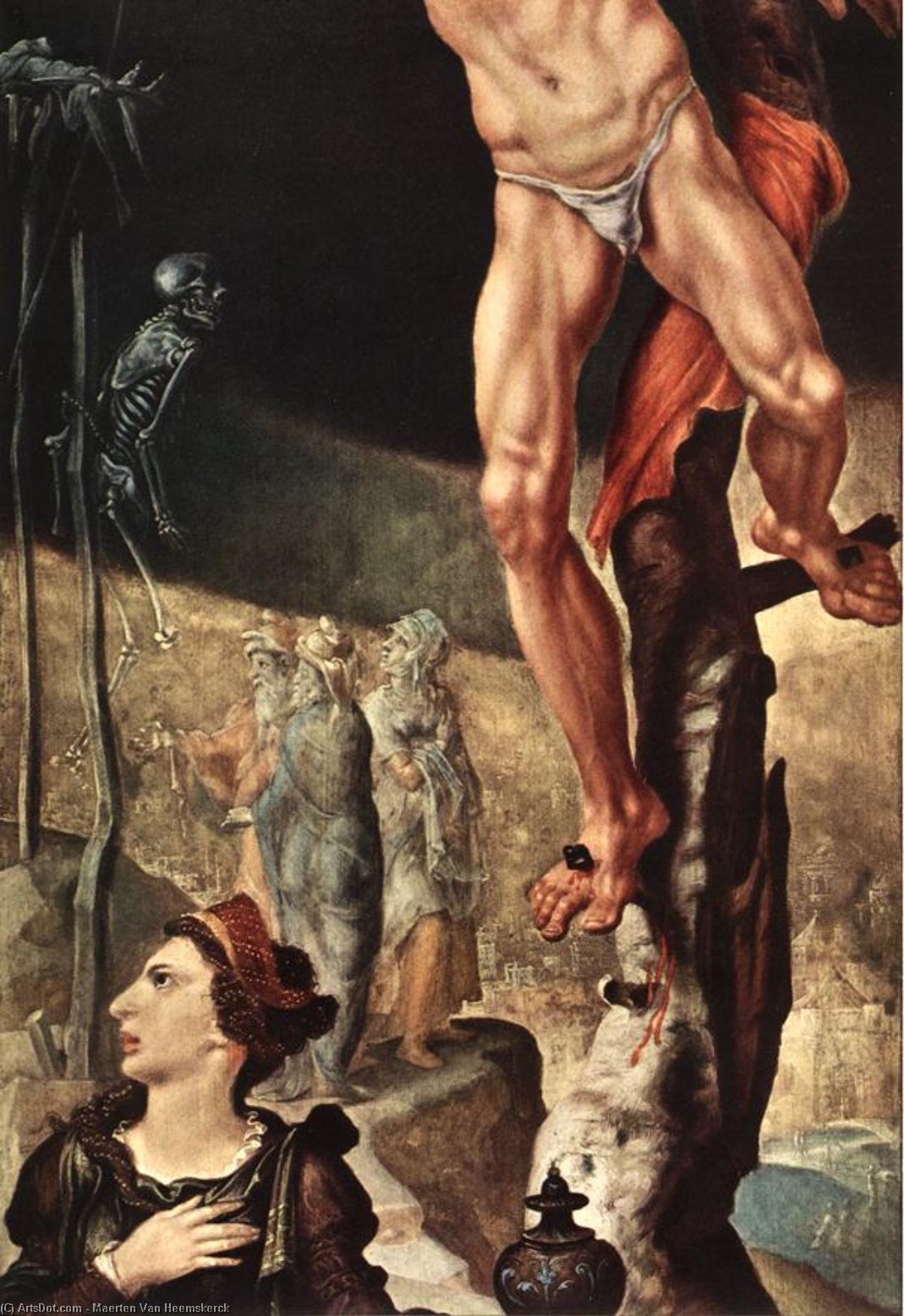
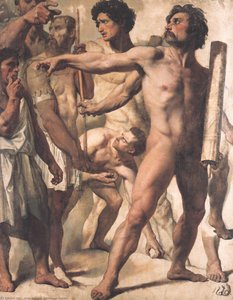
Crucifixion (detail)


 Read More
Hand Made Oil Reproduction
Hand-painted oil on canvas in your size and frame, made to order by our artists. ( Buy Print Buy Image)




P118B $10

P118H $10

P118W $10

P438Z $10

P508JH $12

P508YH $12

P805H $10

P805Z $10

P919BZ $10

P919G $10

P919XJ $10

P959ZH $10

P968JZ $12

W106C $8

W218G $10

W218JH $8

W218Y $10

W307PJ $10

W316G $10

W316PJ $8

W316Y $10

W398PJ $8

W4111J $10

W500HY $15

W500JH $15

W692G $12

W849H $8

W940BG $15

W953PJ $8




Pick from our preset sizes that match the artwork's original proportions.

You may enter your own dimensions to fit a specific frame or space. If your selected size does not match the original image's proportions, we will either crop the artwork or extend the painting with additional hand-painted elements. A digital mockup will be sent for your approval before production begins.
Please note that the on-screen preview does not reflect the actual cropping or extension. Only the mockup will accurately show the final composition.
While custom sizes are available, we recommend selecting a dimension from the predefined list to preserve the original proportions.
After order, ArtsDot.com team will email client for instructions and provide a mockup preview
Worldwide Delivery () in 3/4 weeks instead of standard 5 weeks. (20 August). No compromise on quality.

Free Worldwide Express Shipping

High-Quality Linen Canvas

Full Shipping Insurance

Customs Tax Refund Guarantee

True Color Matching Guarantee

60-Day Return Policy (Defects Only)

100% Money-Back Guarantee

Bulk Discount Offer
 Glass option is only available in size under 110 CM

Crucifixion (detail)
Reproduction Medium
Reproduction Size
-


Total Price
$ 263
Artwork Description
The Lamentation of Christ – A Window into Northern Renaissance Grief
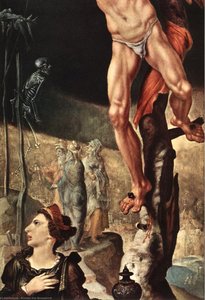
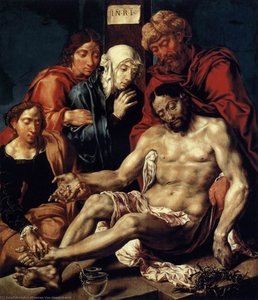
Maerten van Heemskerck’s “Crucifixion (detail)” is not merely a depiction of a pivotal moment in Christian scripture; it's a profound exploration of sorrow, faith, and the human condition. Painted in 1545, this intimate detail from the larger "Crucifixion" painting housed within the Hermitage Museum in St. Petersburg offers a concentrated dose of emotional intensity, characteristic of the artist’s distinctive Northern Renaissance style. The scene unfolds with a deliberate asymmetry – the central figure of Christ is positioned slightly off-center, drawing the viewer's eye and subtly shifting the focus from the spectacle of the crucifixion to the immediate aftermath of death.
Heemskerck masterfully employs the conventions of his time while injecting a palpable sense of realism. The muscular physique of the man climbing towards Christ is rendered with an almost brutal honesty, emphasizing not just physical strength but also the desperate urgency of the moment. His posture, strained and determined, speaks volumes about the effort required to retrieve the body from the cross – a task laden with both spiritual significance and practical difficulty. The red fabric draped over his shoulders adds a dramatic counterpoint to the muted earth tones dominating the background, drawing attention to this pivotal figure.
- Technique: The painting is executed in oil on oak panel, showcasing Heemskerck’s meticulous attention to detail and his ability to capture subtle nuances of light and shadow. Notice the delicate rendering of the folds in the fabric, the texture of the skin, and the expressive quality of the figures' faces.
- Composition: The composition is carefully balanced, with a clear hierarchy of importance established through placement and scale. Christ occupies the visual center, while the supporting figures are arranged around him in a dynamic yet controlled manner.
- Color Palette: The color scheme is restrained but effective, utilizing a range of browns, ochres, and reds to create a sense of depth and atmosphere. The vibrant red of the fabric contrasts sharply with the somber tones of the background, further emphasizing the central figures.
A Tapestry of Figures – Symbolism and Narrative
Beyond its technical brilliance, “Crucifixion (detail)” is rich in symbolic meaning. The woman draped in red, often interpreted as Mary Magdalene, stands out with her prominent position and elaborate attire—a visual representation of her role as a witness to Christ’s suffering and a symbol of unwavering devotion. Her gaze, directed towards the central figure, conveys both sorrow and reverence. The other figures – soldiers, onlookers, and even the donor kneeling at the foot of the cross – each contribute to the narrative complexity of the scene, representing various facets of human response to death and faith.
The inclusion of the dice-playing soldiers adds a layer of moral ambiguity, suggesting that even in the face of tragedy, earthly concerns persist. The presence of the classical ruins in the background—a deliberate nod to Italian Renaissance influences—references the enduring legacy of ancient civilization alongside the new Christian faith. Heemskerck’s decision to depict Christ hanging high above the crowd subtly challenges traditional representations of the crucifixion, emphasizing the isolation and vulnerability of the dying savior.
Echoes of the Renaissance – Context and Influence
To fully appreciate “Crucifixion (detail),” it's essential to understand its historical context. Heemskerck’s work reflects the broader trends of the Northern Renaissance, a period marked by a renewed interest in classical art and learning, coupled with a deep engagement with Christian themes. His travels to Italy during the 1530s exposed him to new artistic techniques and ideas, which he skillfully integrated into his own style.
Heemskerck’s collaboration on the decoration of Charles V's triumphal arch in Rome demonstrates his versatility as a scene-painter, showcasing his ability to work within complex and demanding projects. His “Crucifixion” exemplifies this fusion of influences—combining the emotional intensity of Northern European art with the classical elegance of Italian Renaissance aesthetics.
A Timeless Reflection – Emotional Resonance
“Crucifixion (detail)” transcends its historical context to offer a timeless meditation on grief, faith, and mortality. The painting’s raw emotion—the palpable sense of sorrow, loss, and spiritual yearning—continues to resonate with viewers centuries after it was created. It is not simply a depiction of a historical event but a profound exploration of the human experience in the face of suffering.
Reproductions of this powerful artwork capture its essence beautifully, offering an opportunity to bring its emotional depth into any space. Whether displayed as a statement piece or incorporated into a more intimate setting, “Crucifixion (detail)” serves as a poignant reminder of the enduring power of art to evoke empathy and contemplation.
Related Artworks
![Scrovegni - Last Judgment (detail) [04] — Giotto Di Bondone, Proto-renaissance](/media/artworks/images/thumbnails/d2/fb/d2fb54311c6d46569b5310e97b76265a.jpg)
Artist Biography
early life and training
maerten van heemskerck, a prominent dutch portrait and religious painter, was born on june 1, 1498, in the village of heemskerk, north holland. his artistic journey began under the guidance of cornelius willemsz in haarlem, followed by a brief stint in delft with jan lucasz. eventually, he became a pupil of jan van scorel, adopting his teacher's italian-influenced style.career highlights
- maerten van heemskerck's work is characterized by its innovative blend of dutch and italian influences, as seen in his famous family portrait, considered the first of its kind in a long line of dutch family paintings.
- his collaboration with antonio da sangallo the younger, battista franco, and francesco de' rossi (il salviati) on the redecoration of the porta san sebastiano in rome, a triumphal arch in honor of charles v, showcases his rapid execution as a scene-painter.
- heemskerck's drawings of classical sculpture and architecture, now preserved in two sketchbooks at the kupferstichkabinett berlin, demonstrate his skill in capturing the essence of italian art.
notable works and legacy
- the donor and saint mary magdalene (view at ArtsDot)
- the virgin and saint john the evangelist (view at ArtsDot)
- samson shattering the pillars of the temple, maarten van heemskerck (view at ArtsDot)
conclusion
maerten van heemskerck's profound impact on the art world is undeniable. his works, now a part of various museum collections, including the rijksmuseum, continue to inspire artists and art enthusiasts alike. to explore more of his masterpieces, visit maerten van heemskerck's page on ArtsDot. for a deeper understanding of his life and works, refer to his biography on wikipedia.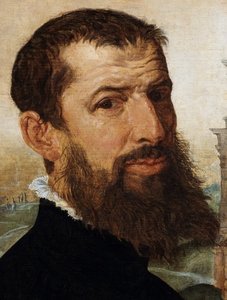
maerten van heemskerck
1498 - 1574
Quick Facts
- Artistic Movement Or Style: Mannerism
- Artists Who Influenced This Artist:
- Jan van Scorel
- Antonio da Sangallo the Younger
- Date Of Birth: June 1, 1498
- Date Of Death: October 1, 1574
- Full Name: Maerten Jacobsz van Heemskerck
- Nationality: Dutch
- Notable Artworks:
- Lamentation on the Dead Christ
- Pieter Jan Foppeszoon and his Family
- Christ as the Man of Sorrows
- Place Of Birth: Heemskerk, Netherlands
Related Articles
Van Gogh's Masterpieces: Explore 25 Iconic Paintings & Art for Your Home
Journey through Vincent van Gogh's 25 most iconic paintings! Explore 'Starry Night', 'Sunflowers,' and more—discover the stories, techniques & emotions behind these Post-Impressionist masterpieces. Find museum-quality art reproductions for your home at ArtsDot.com.
Maerten van Heemskerck: Bridging Mannerism & Renaissance Ideals
Explore the captivating world of Maerten van Heemskerck, a pivotal Dutch Renaissance painter bridging Mannerism & Italian influence. Discover his masterpieces and legacy with ArtsDot.

Rembrandt's Masterpieces: Explore 25 Iconic Paintings & Prints | ArtsDot
Journey through Rembrandt van Rijn's 25 most iconic paintings & etchings. Explore Dutch Golden Age masterpieces, dramatic chiaroscuro, and timeless portraits. Find museum-quality art reproductions to elevate your home decor on ArtsDot.com.
Early Netherlandish Masters: 10 Paintings That Revolutionized Art & Decor
Journey into the world of Early Netherlandish painting! Explore 10 masterpieces by Jan van Eyck, Rogier van der Weyden & more. Discover stunning detail, symbolism & Renaissance art for your home decor. Find museum-quality reproductions on ArtsDot.com
The Northern Renaissance: A Flourishing of Realism, Religious Reform & Artistic Innovation
Explore the Northern Renaissance! Discover Jan van Eyck's innovations, religious shifts, & key artists of this influential period. Expert analysis and insights into Early Netherlandish painting at ArtsDot.