 Preview
 Send
Send Share
Share
 Details

 Download
 Similars
 X-Ray
X-Ray Diaporama
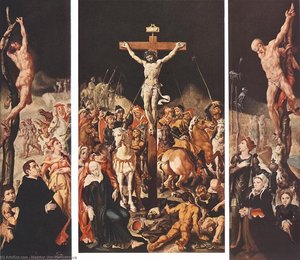
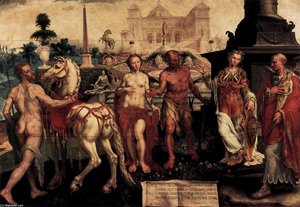
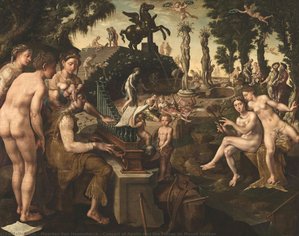
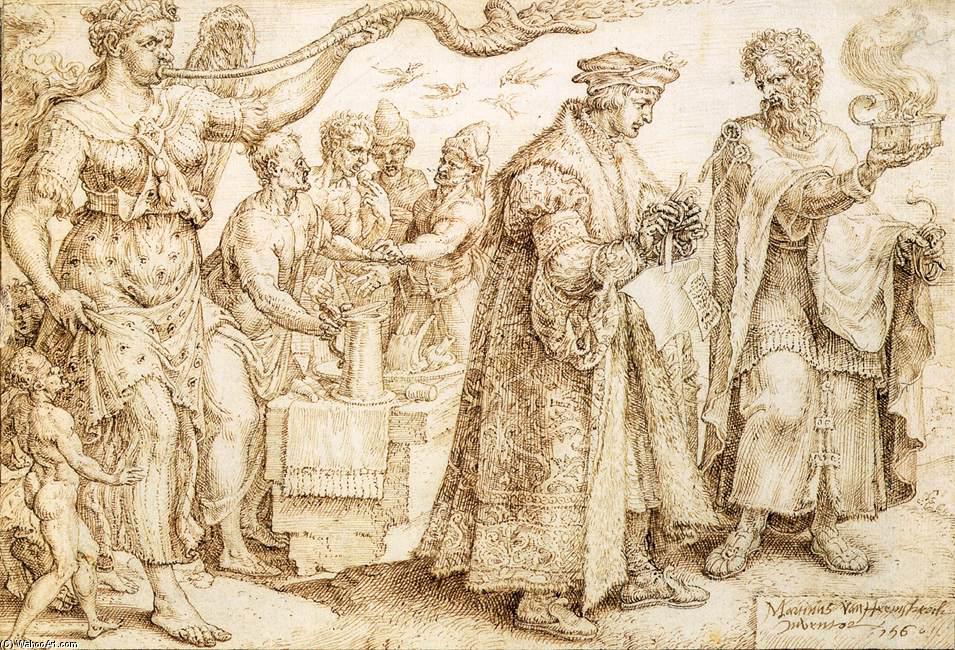
The Unhappy Lot of the Rich
 Oil On Canvas
- WallArt
- Dutch Renaissance
 1560
1560 161.0 x 232.0 cm
 Rijksmuseum
 Read More
Hand Made Oil Reproduction
Hand-painted oil on canvas in your size and frame, made to order by our artists. ( Buy Print Buy Image)




P118B $10

P118H $10

P118W $10

P438Z $10

P508JH $12

P508YH $12

P805H $10

P805Z $10

P919BZ $10

P919G $10

P919XJ $10

P959ZH $10

P968JZ $12

W106C $8

W218G $10

W218JH $8

W218Y $10

W307PJ $10

W316G $10

W316PJ $8

W316Y $10

W398PJ $8

W4111J $10

W500HY $15

W500JH $15

W692G $12

W849H $8

W940BG $15

W953PJ $8




Pick from our preset sizes that match the artwork's original proportions.

You may enter your own dimensions to fit a specific frame or space. If your selected size does not match the original image's proportions, we will either crop the artwork or extend the painting with additional hand-painted elements. A digital mockup will be sent for your approval before production begins.
Please note that the on-screen preview does not reflect the actual cropping or extension. Only the mockup will accurately show the final composition.
While custom sizes are available, we recommend selecting a dimension from the predefined list to preserve the original proportions.
After order, ArtsDot.com team will email client for instructions and provide a mockup preview
Worldwide Delivery () in 3/4 weeks instead of standard 5 weeks. (2 September). No compromise on quality.

Free Worldwide Express Shipping

High-Quality Linen Canvas

Full Shipping Insurance

Customs Tax Refund Guarantee

True Color Matching Guarantee

60-Day Return Policy (Defects Only)

100% Money-Back Guarantee

Bulk Discount Offer
 Glass option is only available in size under 110 CM

The Unhappy Lot of the Rich
Reproduction Medium
Reproduction Size
-


Total Price
$ 263
A Window Into Renaissance Holland: Examining Maerten Van Heemskerck’s “The Unhappy Lot of the Rich”
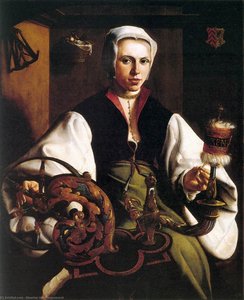
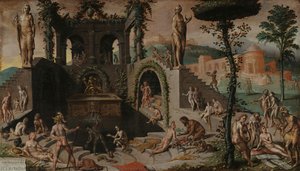
“The Unhappy Lot of the Rich,” executed in 1560 by Maerten van Heemskerck, transcends mere visual representation; it stands as a poignant emblem of the anxieties and aspirations characterizing Renaissance Holland. This meticulously crafted pen drawing, currently residing within the Rijksmuseum’s esteemed collection in Amsterdam, offers an unparalleled glimpse into the socio-political landscape of its time—a period marked by burgeoning wealth alongside simmering tensions between religious factions and royal authority.The Artist's Vision: Style and Technique
Van Heemskerck’s artistic prowess is immediately evident in his masterful command of line and shading. Unlike the opulent brushstrokes favored by many contemporaries, he opted for a deliberate restraint, prioritizing clarity and precision to convey emotion through subtle tonal variations. The drawing’s technique—characterized by delicate hatching and cross-hatching—captures not only the physical contours of the figures but also their psychological states with remarkable sensitivity. This approach aligns seamlessly with the broader stylistic trends emerging from Italy during the Renaissance, where artists like Leonardo da Vinci championed disegno (drawing) as a foundational element of artistic expression. The artist’s meticulous attention to detail – from the folds of clothing to the expressions on each face – underscores his commitment to realism and elevates “The Unhappy Lot of the Rich” beyond a simple depiction; it aspires to communicate an inner truth.Historical Context: Reflections of Reformation Concerns
Painted amidst the turbulent backdrop of the Protestant Reformation, “The Unhappy Lot of the Rich” serves as more than just a portrait—it’s a commentary on societal anxieties. The scene portrays twelve men engaged in conversation, their postures conveying both confidence and apprehension. Their attire – opulent fabrics and elaborate jewelry – symbolizes the conspicuous consumption prevalent among the wealthy elite, highlighting the moral dilemmas inherent in accumulating material possessions during a time of religious upheaval. Scholars interpret the composition as reflecting anxieties about papal influence and questioning the legitimacy of royal power—themes central to the debates unfolding across Europe. The drawing’s placement within the Rijksmuseum underscores its significance as a product of this transformative era, demonstrating how art served as both a reflection and catalyst for intellectual and spiritual discourse.Symbolism: Layers of Meaning Beyond Appearance
Beyond its surface realism lies a rich tapestry of symbolic representation. Each figure embodies specific virtues or vices—a deliberate strategy employed by Renaissance artists to convey moral lessons. The positioning of the men, mirroring classical architectural principles, reinforces notions of hierarchy and order – concepts deeply ingrained in humanist thought. Furthermore, the subtle shading techniques used by Van Heemskerck contribute to an overall atmosphere of melancholy and contemplation, suggesting that true happiness lies not merely in material success but in spiritual fulfillment. The artist’s intention was to provoke introspection and encourage viewers to consider the ethical implications of their own pursuits.Emotional Resonance: Capturing Human Experience
“The Unhappy Lot of the Rich” succeeds in capturing the complexities of human experience—the anxieties, ambitions, and moral dilemmas that define our engagement with the world around us. The artist’s ability to convey emotion through gesture and facial expression is particularly noteworthy, inviting viewers to empathize with the figures depicted. It's a portrait not just of men, but of their inner lives, reflecting the humanist preoccupation with understanding human psychology. This enduring fascination with portraying human emotions—a hallmark of Renaissance art—continues to resonate with audiences today, cementing “The Unhappy Lot of the Rich”’s place as a masterpiece of Dutch artistic heritage.Concluding Thoughts: A Legacy of Artistic Innovation
Maerten van Heemskerck's "The Unhappy Lot of the Rich" remains an extraordinary achievement, demonstrating how art can illuminate historical context and explore profound philosophical ideas. Its meticulous technique, symbolic depth, and emotional resonance solidify its position as a cornerstone of Renaissance Dutch painting—a testament to Van Heemskerck’s enduring legacy and his contribution to the artistic canon.Related Artworks
Artist Biography
early life and training
maerten van heemskerck, a prominent dutch portrait and religious painter, was born on june 1, 1498, in the village of heemskerk, north holland. his artistic journey began under the guidance of cornelius willemsz in haarlem, followed by a brief stint in delft with jan lucasz. eventually, he became a pupil of jan van scorel, adopting his teacher's italian-influenced style.career highlights
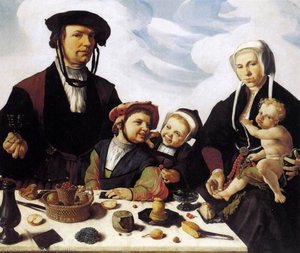
- maerten van heemskerck's work is characterized by its innovative blend of dutch and italian influences, as seen in his famous family portrait, considered the first of its kind in a long line of dutch family paintings.
- his collaboration with antonio da sangallo the younger, battista franco, and francesco de' rossi (il salviati) on the redecoration of the porta san sebastiano in rome, a triumphal arch in honor of charles v, showcases his rapid execution as a scene-painter.
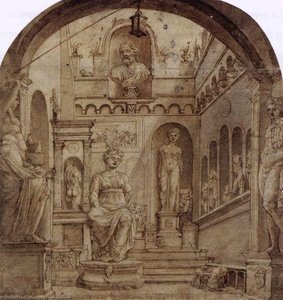
- heemskerck's drawings of classical sculpture and architecture, now preserved in two sketchbooks at the kupferstichkabinett berlin, demonstrate his skill in capturing the essence of italian art.
notable works and legacy
- the donor and saint mary magdalene (view at ArtsDot)
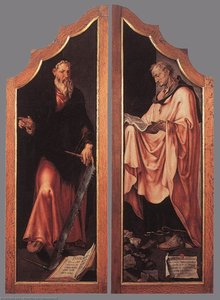
- the virgin and saint john the evangelist (view at ArtsDot)
- samson shattering the pillars of the temple, maarten van heemskerck (view at ArtsDot)
conclusion
maerten van heemskerck's profound impact on the art world is undeniable. his works, now a part of various museum collections, including the rijksmuseum, continue to inspire artists and art enthusiasts alike. to explore more of his masterpieces, visit maerten van heemskerck's page on ArtsDot. for a deeper understanding of his life and works, refer to his biography on wikipedia.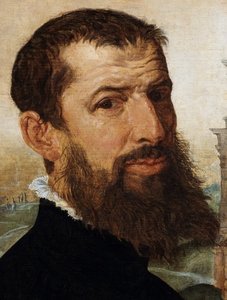
maerten van heemskerck
1498 - 1574
Quick Facts
- Artistic Movement Or Style: Mannerism
- Artists Who Influenced This Artist:
- Jan van Scorel
- Antonio da Sangallo the Younger
- Date Of Birth: June 1, 1498
- Date Of Death: October 1, 1574
- Full Name: Maerten Jacobsz van Heemskerck
- Nationality: Dutch
- Notable Artworks:
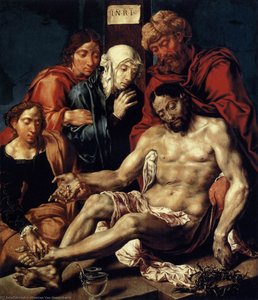
- Lamentation on the Dead Christ
- Pieter Jan Foppeszoon and his Family
- Christ as the Man of Sorrows
- Place Of Birth: Heemskerk, Netherlands
Related Articles

Golden Age Reflections: Dutch Baroque Painting & Cultural Innovation
Explore the Dutch Golden Age of painting! Discover key artists like Vermeer & ter Borch, their innovative techniques, and the rich cultural context behind these Baroque masterpieces. Learn about collecting & appreciating this iconic art period.

Dutch Baroque Masters: 10 Paintings That Shaped an Era | ArtsDot
Journey through the Golden Age with our guide to the Top 10 Dutch Baroque masterpieces! Explore iconic paintings by Rembrandt, Vermeer & Frans Hals. Find museum-quality art reproductions and elevate your home decor at ArtsDot.com.

Baroque Masterpieces: 10 Paintings That Defined an Era |
Journey through the drama & grandeur of Baroque art! Explore 10 masterpieces by Caravaggio, Rembrandt, Rubens & more. Discover stunning oil paintings, rich colors & timeless stories. Find museum-quality reproductions at .

Illuminating Innovation: Exploring the Dutch Golden Age of Painting
Explore the Dutch Golden Age of painting with ArtsDot. Discover Rembrandt, Vermeer & other Masters. Learn about key characteristics, iconic artworks, and lasting influence. Expert insights for collectors & enthusiasts.

Baroque Drama: Bringing Opulence & Emotion into Contemporary Interiors
Explore the opulent world of Baroque interior design! Discover key elements, modern applications & how to bring dramatic elegance into your home with 's authentic reproductions.