 Preview
 Send
Send Share
Share
 Details

 Download
 Similars
 X-Ray
X-Ray Diaporama
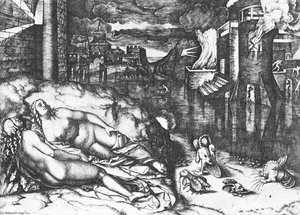
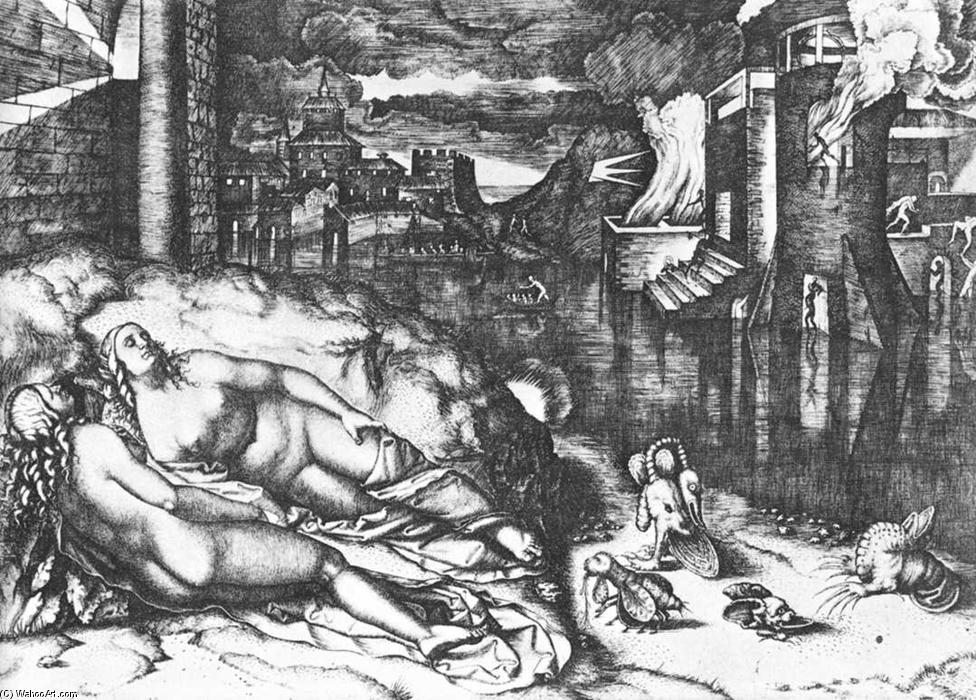
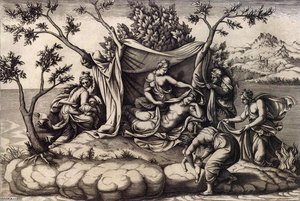
The Dream of Raphael
 Engraving
- Other
- Renaissance engraving
 230.0 x 330.0 cm
 British Museum
 Read More
Hand Made Oil Reproduction
Hand-painted oil on canvas in your size and frame, made to order by our artists. ( Buy Print Buy Image)




P118B $10

P118H $10

P118W $10

P438Z $10

P508JH $12

P508YH $12

P805H $10

P805Z $10

P919BZ $10

P919G $10

P919XJ $10

P959ZH $10

P968JZ $12

W106C $8

W218G $10

W218JH $8

W218Y $10

W307PJ $10

W316G $10

W316PJ $8

W316Y $10

W398PJ $8

W4111J $10

W500HY $15

W500JH $15

W692G $12

W849H $8

W940BG $15

W953PJ $8




Pick from our preset sizes that match the artwork's original proportions.

You may enter your own dimensions to fit a specific frame or space. If your selected size does not match the original image's proportions, we will either crop the artwork or extend the painting with additional hand-painted elements. A digital mockup will be sent for your approval before production begins.
Please note that the on-screen preview does not reflect the actual cropping or extension. Only the mockup will accurately show the final composition.
While custom sizes are available, we recommend selecting a dimension from the predefined list to preserve the original proportions.
After order, ArtsDot.com team will email client for instructions and provide a mockup preview
Worldwide Delivery () in 3/4 weeks instead of standard 5 weeks. (17 August). No compromise on quality.

Free Worldwide Express Shipping

High-Quality Linen Canvas

Full Shipping Insurance

Customs Tax Refund Guarantee

True Color Matching Guarantee

60-Day Return Policy (Defects Only)

100% Money-Back Guarantee

Bulk Discount Offer
 Glass option is only available in size under 110 CM

The Dream of Raphael
Reproduction Medium
Reproduction Size
-


Total Price
$ 288
Artwork Description
The Dream of Raphael: A Renaissance Reverie in Black and White
Marcantonio Raimondi’s “The Dream of Raphael,” created around 1508-1509, isn't merely a print; it’s a meticulously crafted portal into the subconscious, a visual embodiment of the anxieties and aspirations that defined the High Renaissance. This engraving, now housed within the National Gallery of Art in Washington D.C., offers a mesmerizing glimpse into a world where classical ideals collide with fantastical nightmares, all rendered with Raimondi's masterful command of the engraving technique.
At first glance, the scene unfolds as a carefully balanced composition – a rocky riverbank dominated by two reclining nude figures, their bodies intertwined in a pose that simultaneously evokes tranquility and unsettling vulnerability. These aren’t idealized classical forms; they possess an almost primal quality, their limbs elongated, their features subtly distorted, hinting at the dreamlike instability of the subject matter. Behind them rises a dramatic landscape: crumbling stone buildings ablaze with flames, a chaotic sky filled with swirling clouds, and a colossal bird – a symbol steeped in both mythological significance and contemporary anxieties – soaring through the turbulent heavens. The inclusion of smaller figures within boats adds to the sense of unease, suggesting a world consumed by chaos and threatened by impending doom.
Technique and Craftsmanship: A Masterclass in Engraving
Raimondi’s skill as an engraver is immediately apparent in the intricate detail and remarkable tonal range achieved through this monochromatic medium. The work demonstrates a sophisticated understanding of *cross-hatching*, a technique where closely spaced parallel lines are used to create shading and texture. Notice how these delicate lines build up volume, defining the contours of the figures, the roughness of the rocks, and the billowing forms of the clouds. The precision with which Raimondi rendered each element speaks volumes about his dedication and mastery of the art form.
The engraving itself was produced on a copper plate, meticulously incised with sharp tools to create the lines that would ultimately transfer the image onto paper. The process demanded immense patience and control – a testament to Raimondi’s artistic discipline. Furthermore, the choice of oatmeal-white paper contributes significantly to the print's overall effect, providing a stark contrast against the deep blacks and allowing the subtle nuances of tone to emerge.
Symbolism and Interpretation: A Window into Renaissance Thought
“The Dream of Raphael” is rich in symbolic meaning, reflecting the intellectual currents of its time. The reclining figures themselves are open to interpretation – some scholars suggest they represent a contemplation on mortality or the fleeting nature of beauty. The burning buildings likely allude to the political and social turmoil gripping Italy during this period, while the chaotic sky mirrors the anxieties surrounding religious upheaval and the threat of war. The bird, frequently associated with prophecy and divine intervention, could symbolize both hope and impending disaster.
Interestingly, the presence of books and scissors within the composition adds a layer of complexity. These objects – traditionally symbols of knowledge and creativity – are juxtaposed against the scene’s inherent darkness, suggesting a potential conflict between reason and irrationality, or perhaps the struggle to maintain artistic integrity amidst chaos. The dreamlike quality invites viewers to project their own interpretations onto the image, making it a profoundly personal experience.
A Legacy of Influence: From Raphael to Manet
“The Dream of Raphael” holds a significant place in art history not only for its aesthetic beauty but also for its influence on subsequent generations of artists. Marcantonio Raimondi’s meticulous reproduction of Raphael's composition served as a model for later engravers, including the Impressionist painter Édouard Manet, who famously adapted it for *The Luncheon on the Grass*. This demonstrates how the engraving’s evocative imagery and symbolic depth resonated across centuries, continuing to inspire artistic innovation.
Today, “The Dream of Raphael” stands as a powerful reminder of the enduring appeal of dream imagery and the ability of art to capture the complexities of human experience. It's a captivating work that invites viewers to lose themselves in its intricate details and contemplate the mysteries of the subconscious – a true masterpiece of the Renaissance.
Related Artworks
Artist Biography
Marcantonio Raimondi: The Florentine Echo in Venetian Printmaking
Marcantonio Raimondi (c. 1480 – c. 1534) stands as a pivotal figure in the burgeoning world of Renaissance printmaking, particularly celebrated for his masterful depictions of mythological narratives and Raphael’s compositions. Born in Arzignano, Italy, Raimondi's artistic journey unfolded against the backdrop of a period marked by intense intellectual exchange between Florence and Venice – exchanges that profoundly shaped his stylistic sensibilities and technical prowess. While biographical details remain scarce, scholarly consensus points to him as one of the earliest printmakers whose oeuvre demonstrates a sustained engagement with innovative engraving techniques and a deep appreciation for the aesthetic ideals championed by contemporaries like Albrecht Dürer.- Early Life & Training: Precise information regarding Raimondi’s formative years is elusive, yet he emerged from Arzignano as a skilled craftsman—likely trained in niello engraving, a technique involving inlaying precious metals into engraved metal surfaces—a practice that has been debated by art historians like Arthur Mayger Hind.
- The Florentine Influence: Raimondi’s artistic development was undeniably influenced by the vibrant Florentine printmaking scene of his time. He absorbed stylistic elements from artists such as Francia and Andrea Mantegna, mirroring the humanist spirit prevalent in Florence during Raphael's ascendancy.
- Dürer’s Legacy & Technique: The arrival of Albrecht Dürer in Bologna in 1506 served as a catalyst for Raimondi’s artistic evolution. Dürer’s groundbreaking engravings captivated Italian printmakers, prompting them to emulate his meticulous draughtsmanship and pioneering use of tonal shading—a technique that Raimondi skillfully adopted into his own prints.
A Flourishing Career: Engravings from 1505-1511
Between 1505 and 1511, Raimondi produced approximately eighty engravings, showcasing an astonishing breadth of subject matter—ranging from classical mythology to biblical scenes and portraits of prominent figures. His early works demonstrate a remarkable fusion of Florentine and Venetian artistic traditions, reflecting the dynamic cultural landscape of the era. Notably, he meticulously studied Dürer’s prints, particularly “Adam and Eve,” incorporating elements of Dürer's compositional approach and tonal rendering into his own engravings. This collaborative spirit extended beyond stylistic imitation; Raimondi actively engaged in discussions with Michelangelo and Dürer themselves, fostering a vibrant intellectual environment that fueled artistic innovation.- Mythological Narratives: Raimondi’s engravings frequently revisited classical myths—such as “Pyramus and Thisbe” and “Jason and Medea”—transforming them into visually arresting narratives imbued with symbolic resonance.
- Religious Imagery: He produced numerous prints depicting scenes from the Bible, demonstrating a profound understanding of Christian iconography and artistic conventions.
Copying Dürer & The Venetian Copyright Debate
Raimondi’s unwavering dedication to mastering Dürer's technique extended beyond stylistic emulation; he undertook ambitious projects replicating Dürer’s monumental woodcut series, “The Life of the Virgin,” a practice commonplace among printmakers at the time. However, Raimondi’s endeavors distinguished him from many of his peers by securing legal protection for his original compositions—a landmark case in the nascent history of intellectual property law that challenged prevailing notions regarding artistic authorship and copyright. The Venetian government recognized Dürer's monogram as protected intellectual property, establishing a precedent for safeguarding artists’ rights against unauthorized reproductions.Concluding Significance: Raimondi’s Enduring Influence
Marcantonio Raimondi’s contribution to Renaissance printmaking transcends mere stylistic imitation; he embodies the spirit of artistic innovation and collaborative inquiry that characterized the era. His engravings continue to inspire admiration for their technical brilliance, compositional sophistication, and evocative portrayal of human experience—solidifying his place as one of the foremost printmakers of his time and a crucial link between Florentine humanist ideals and Venetian artistic dynamism. He remains an exemplar of how artists can engage with the legacy of their predecessors while forging their own distinctive artistic voice.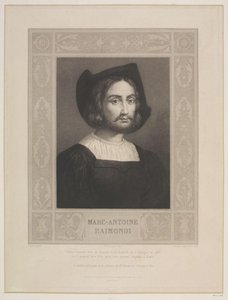
Marcantonio Raimondi
1480 - 1534 , Italy
Quick Facts
- Artistic Movement Or Style: Renaissance art
- Artists Or Movements Influenced By This Artist: ['Dürer']
- Artists Who Influenced This Artist: ['Dürer']
- Date Of Birth: c. 1480/82
- Date Of Death: c. 1534
- Full Name: Marcantonio Raimondi
- Nationality: Italian
- Notable Artworks:
- Massacre of the Innocents
- Martyrdom of St Lawrence
- The Vision of St Helena
- Place Of Birth: Arzignano, Italy
Related Articles
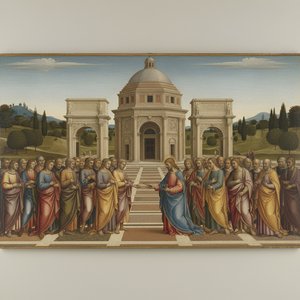
Pietro Perugino: Umbrian Master of Serenity & Precursor to Raphael's High Renaissance
Explore the life & art of Pietro Perugino, a pivotal Renaissance master and Raphael’s influential teacher. Discover his serene compositions, Sistine Chapel frescoes, and lasting legacy with ArtsDot.
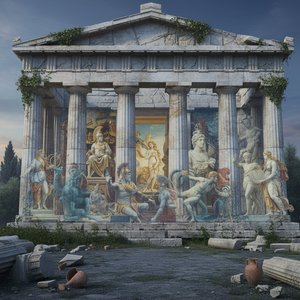
Echoes of Olympus: Mythological Narratives in Western Art Through the Ages
Explore the captivating history of mythological narratives in Western art! From ancient Greece to modern masterpieces, discover iconic artworks & symbolism. Expert analysis and high-quality reproductions at ArtsDot.
Echoes of Antiquity: Enduring Themes & Techniques in Classic Art
Explore the enduring legacy of classical art! Discover ancient Greek & Roman influences, Renaissance masterpieces, and timeless techniques. Expert insights for collectors & enthusiasts at ArtsDot.
The Enduring Legacy of Classicism: Principles, Evolution & Influence in Western Art
Explore the enduring legacy of Classicism in Western art! Discover its historical context, key principles, iconic masterpieces & lasting influence. Learn about Renaissance and Neoclassical movements with ArtsDot.
Raphael's Masterpieces: 25 Iconic Paintings & Renaissance Art for Your Home
Explore 25 breathtaking Raphael paintings! Journey through the Italian Renaissance with masterpieces like 'School of Athens' & iconic Madonnas. Find museum-quality art reproductions and elevate your home decor on ArtsDot.com.