 Preview
 Send
Send Share
Share
 Details

 Download
 Similars
 X-Ray
X-Ray Diaporama
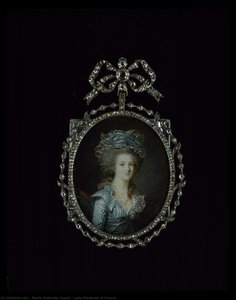
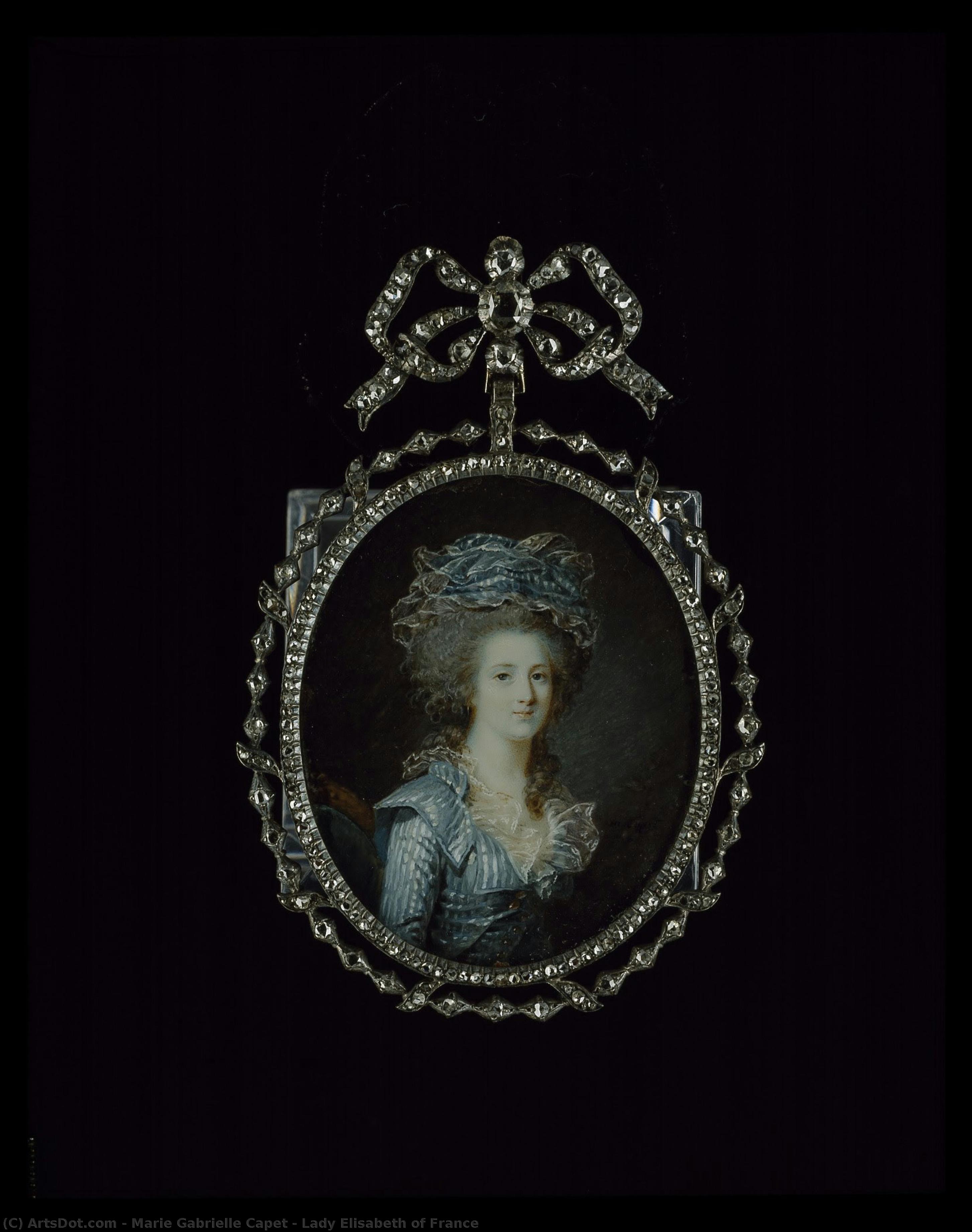
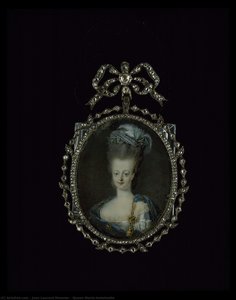
Lady Elisabeth of France
 Acrylic On Canvas
- WallArt
- Neoclassical Style
 5.0 x 6.0 cm
 Palazzo Madama
 Read More
Giclée / Art Print
Museum-quality giclée or canvas print with fast production and flexible finish options. ( Buy Hand Made Painting Buy Image)




P118B $10

P118H $10

P118W $10

P438Z $10

P508JH $12

P508YH $12

P805H $10

P805Z $10

P919BZ $10

P919G $10

P919XJ $10

P959ZH $10

P968JZ $12

W106C $8

W218G $10

W218JH $8

W218Y $10

W307PJ $10

W316G $10

W316PJ $8

W316Y $10

W398PJ $8

W4111J $10

W500HY $15

W500JH $15

W692G $12

W849H $8

W940BG $15

W953PJ $8




Pick from our preset sizes that match the artwork's original proportions.

You may enter your own dimensions to fit a specific frame or space. If your selected size does not match the original image's proportions, we will either crop the artwork or extend the image with a mirrored or solid-fill edge. A digital mockup will be sent for your approval before production begins.
Please note that the on-screen preview does not reflect the actual cropping or extension. Only the mockup will accurately show the final composition.
While custom sizes are available, we recommend selecting a dimension from the predefined list to preserve the original proportions.
Worldwide Delivery () in 2 weeks instead of standard 4/5 weeks. (1 September)

Free Worldwide Express Shipping

High-Quality Linen Canvas

Full Shipping Insurance

Customs Tax Refund Guarantee

True Color Matching Guarantee

60-Day Return Policy (Defects Only)

100% Money-Back Guarantee

Bulk Discount Offer
 Glass option is only available in size under 110 CM

Lady Elisabeth of France
Giclée / Art Print
Reproduction Size
-


Total Price
$ 63
Lady Elisabeth of France – A Portrait Steeped in Rococo Elegance
Marie Gabrielle Capet’s “Portrait presumed of Princess Élisabeth of France” stands as a remarkable testament to the artistic fervor of the late eighteenth century, specifically capturing the spirit of the Rococo movement. This diminutive painting—measuring just 5 x 6 cm—offers an intimate glimpse into aristocratic life during Louis XVI's reign and exemplifies Capet’s mastery of neoclassical draftsmanship combined with subtle rococo ornamentation. The artwork resides within a silver frame that amplifies its grandeur, emphasizing the meticulous detail invested in both subject matter and decorative embellishment.A Window Into Rococo Style
The painting adheres closely to the conventions of Rococo portraiture, prioritizing delicate beauty and refined elegance above all else. Characteristic features include soft pastel hues—primarily creams and pale pinks—that bathe Elisabeth’s complexion in a luminous glow. The artist skillfully renders textures with meticulous brushstrokes, capturing the sheen of satin fabric draped around the princess's shoulders and conveying the softness of her hair. Notice the subtle drapery folds that cascade gracefully downwards, mirroring the undulating curves prevalent throughout Rococo art – a deliberate stylistic choice designed to evoke feelings of lightness and movement. The frame itself is adorned with intricate floral motifs—roses and lilies—further reinforcing the aesthetic sensibilities of the period.Technical Precision Meets Artistic Vision
Capet’s technique demonstrates exceptional precision in capturing Elisabeth's likeness, utilizing glazing techniques to achieve a luminous surface finish that enhances the portrait’s depth and realism. The artist’s attention to detail extends beyond mere representation; she subtly captures Elisabeth’s gaze—directed outwards with quiet dignity—suggesting an inner composure and conveying a sense of aristocratic bearing. Furthermore, Capet skillfully employs chiaroscuro – the interplay of light and shadow – to sculpt Elisabeth's face, highlighting her features and creating a captivating visual drama. The miniature painting was likely executed on ivory or enamel, a medium favored by artists during this era for its ability to produce exceptionally vibrant colors and delicate textures.Symbolism and Emotional Resonance
Beyond its aesthetic qualities, “Portrait presumed of Princess Élisabeth of France” carries symbolic significance reflecting the social hierarchy of the time. Elisabeth’s attire—a gown embellished with lace and pearls—represents wealth and status, signifying her position within the royal family. The portrait's serene expression embodies ideals of feminine grace and virtue – virtues considered paramount in aristocratic circles during Louis XVI’s reign. Ultimately, Capet’s work transcends mere likeness; it captures a moment frozen in time, conveying an enduring impression of elegance, refinement, and quiet dignity—qualities that continue to resonate with viewers today.Rediscovery and Legacy
The serendipitous rediscovery of this miniature painting in 2012—following its disappearance from the Musée des Beaux-Arts de Caen—has propelled Marie Gabrielle Capet’s reputation back into prominence. Exhibitions showcasing her surviving oeuvre have illuminated the breadth of her artistic talent and underscored the importance of recognizing overlooked figures within art history. “Portrait presumed of Princess Élisabeth of France” serves as a poignant reminder of the beauty and sophistication achieved during the Rococo era—a testament to Capet’s enduring legacy as one of Paris's most celebrated neoclassical painters.Related Artworks

Artist Biography
A Legacy of Grace: The Life and Art of Marie Gabrielle Capet
In the vibrant, often turbulent landscape of late eighteenth-century France, few artists navigated the shifting social tides with as much grace and technical brilliance as Marie Gabrielle Capet. Born in Lyon on September 6, 1761, to parents who served as domestic staff, Capet’s ascent from humble beginnings to the heights of Parisian artistic prestige is nothing short of extraordinary. Her early years were shaped by a local drawing school in her hometown, yet it was her move to Paris in 1781 that would forever alter the course of art history. This transition marked the beginning of a career defined by an unwavering commitment to the Neoclassical tradition and a profound ability to capture the very essence of her subjects.
The trajectory of Capet’s development was inextricably linked to one of the most influential figures of her era: Adélaïde Labille-Guiard. Entering the studio of this pioneering master, Capet did more than just learn the mechanics of paint and pigment; she entered a mentorship that transcended professional instruction to become a deep, enduring friendship. Under Labille-Guiard’s guidance, Capet mastered the rigorous demands of the Académie royale de peinture et de sculpture, an institution that, while restrictive toward women, provided the crucible in which her talent was forged. As she assisted her mentor—modeling for studies and finishing complex sections of larger works—Capet developed a virtuoso draftsmanship and a sophisticated command of color that would soon make her a sought-after name among the elite.
Mastery of the Portrait and the Pastel
Capet’s artistic repertoire was as diverse as it was refined, spanning the delicate intimacy of miniatures to the grand scale of oil paintings. She became a celebrated portraitist, possessing a rare gift for rendering not just the physical likeness, but the psychological depth and social standing of her sitters. Her clientele was a tapestry of the era’s most notable figures, ranging from the intellectual circles of lawyers and playwrights like Joseph Chénier to the very heart of the French monarchy, including Lady Elisabeth of France. In these works, one observes a meticulous attention to texture—the sheen of silk, the softness of lace, and the luminous quality of skin—all executed with a precision that commanded respect from even the most cynical critics.
Beyond the structured world of oil portraiture, Capet found a unique expressive freedom in the medium of pastel. Her pastel works, often capturing evocative landscapes and tender portraits, allowed her to explore a more atmospheric and emotive side of her technique. This versatility was particularly evident as her career progressed; by 1808, she had transitioned from being viewed primarily as a portraitist to being recognized as a formidable history painter in her own right. Her ability to move between the miniature, the landscape, and the historical narrative demonstrates an artistic intellect that refused to be confined by genre or medium.
Historical Significance and Enduring Spirit
The significance of Marie Gabrielle Capet extends far beyond the aesthetic beauty of her canvases. She stands as a symbol of resilience during one of the most transformative periods in French history, surviving the upheaval of the Revolution to maintain her standing in the post-revolutionary art world. Her career serves as a vital chapter in the history of women in art, illustrating how female artists utilized mentorship and technical excellence to carve out spaces within male-dominated institutions.
Today, when we look upon her works, we see more than mere historical artifacts; we encounter a window into the soul of an era. Her legacy is preserved through:
- Technical Innovation: Her seamless integration of watercolor, oil, and pastel techniques.
- Social Documentation: Her role in documenting the faces and fashions of both the aristocracy and the rising bourgeoisie.
- Artistic Perseverance: Her journey from a modest Lyon upbringing to the prestigious salons of Paris.
Marie Gabrielle Capet passed away in Paris in 1818, leaving behind a body of work that continues to resonate with its quiet dignity and luminous truth. She remains an essential figure for anyone seeking to understand the elegance, the complexity, and the enduring spirit of French Neoclassicism.
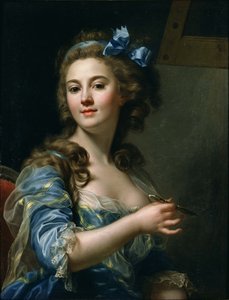
Marie Gabrielle Capet
1761 - 1818 , France
Quick Facts
- Artistic Movement Or Style: Neoclassicism
- Artists Or Movements Influenced By This Artist: ['Royal Academy']
- Artists Who Influenced This Artist: ['Adélaïde Labille-Guiard']
- Date Of Birth: September 6, 1761
- Date Of Death: November 1, 1818
- Full Name: Marie Gabrielle Capet
- Nationality: French
- Notable Artworks:
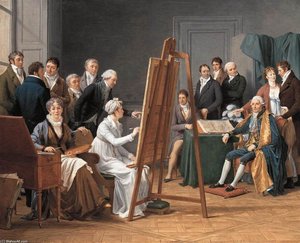
- Studio Scene
- Lady Elisabeth of France
- Place Of Birth: Lyon, France
Related Articles
Jacob Henricus Maris: A Master of Dutch Atmospheric Realism & the Intimate Landscape
Explore the captivating world of Jacob Henricus Maris, a leading figure of the Dutch Hague School. Discover his atmospheric landscapes, signature brushstrokes & lasting influence on 19th-century art. Learn more at ArtsDot.

Mary Vaux Walcott: Botanical Precision & Artistic Vision in American Conservation
Discover the exquisite botanical watercolors of Mary Vaux Walcott, celebrated as the 'Audubon of Botany.' Explore her life, art, and lasting impact on American conservation through detailed illustrations & Smithsonian contributions.
Vigée Le Brun: Portraiture, Patronage & Feminine Identity in 18th-Century France
Explore the life & art of Louise Élisabeth Vigée Le Brun, Marie Antoinette’s renowned portraitist. Discover her Rococo style, self-portraits, and influence on 18th-century French painting. A deep dive into patronage & feminine identity.

Mary Agnes Yerkes: A Study in American Impressionism & Atmospheric Light
Explore the captivating world of Mary Agnes Yerkes, a resilient American Impressionist painter renowned for her vibrant landscapes of the West & National Parks. Discover her unique style and enduring legacy.
Marie Laurencin: Poetics of Intimacy & Modernity in Early 20th-Century Painting
Explore the captivating world of Marie Laurencin, a key figure in Parisian Cubism & Modern art. Discover her unique feminine aesthetic, intimate portraits, and lasting influence on early 20th-century painting.