 Preview
 Send
Send Share
Share
 Details

 Download
 Similars
 X-Ray
X-Ray Diaporama
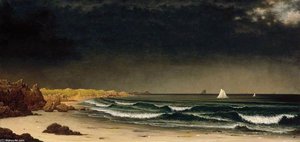
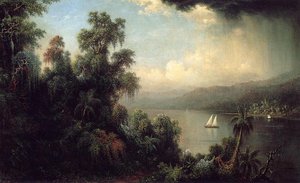
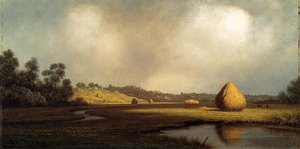
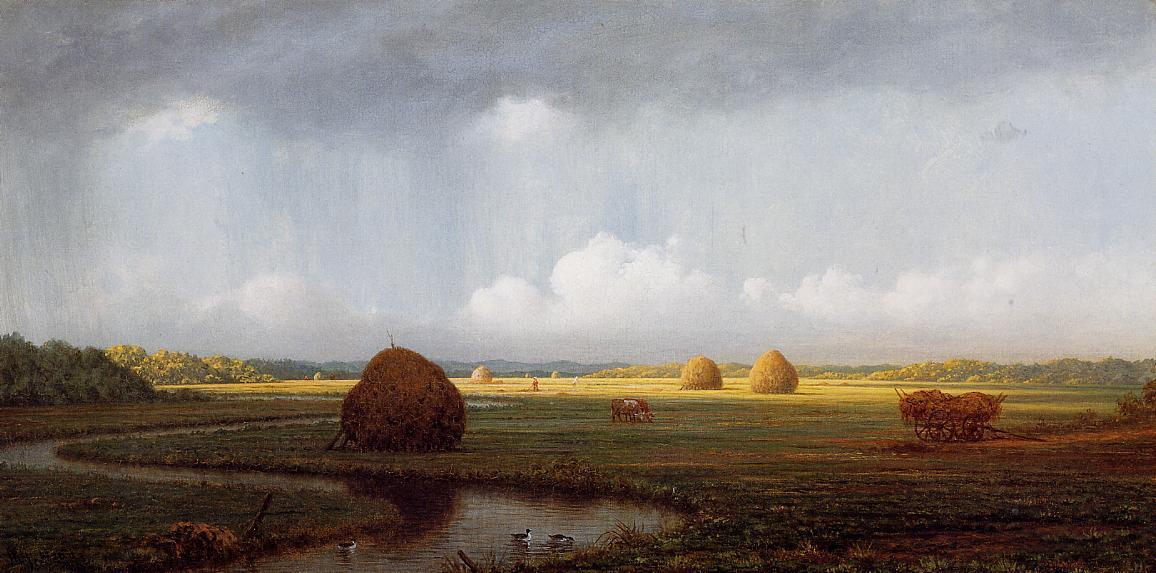
Sudden Shower, Newbury Marshes


 Read More
Hand Made Oil Reproduction
Hand-painted oil on canvas in your size and frame, made to order by our artists. ( Buy Print Buy Image)




P118B $10

P118H $10

P118W $10

P438Z $10

P508JH $12

P508YH $12

P805H $10

P805Z $10

P919BZ $10

P919G $10

P919XJ $10

P959ZH $10

P968JZ $12

W106C $8

W218G $10

W218JH $8

W218Y $10

W307PJ $10

W316G $10

W316PJ $8

W316Y $10

W398PJ $8

W4111J $10

W500HY $15

W500JH $15

W692G $12

W849H $8

W940BG $15

W953PJ $8




Pick from our preset sizes that match the artwork's original proportions.

You may enter your own dimensions to fit a specific frame or space. If your selected size does not match the original image's proportions, we will either crop the artwork or extend the painting with additional hand-painted elements. A digital mockup will be sent for your approval before production begins.
Please note that the on-screen preview does not reflect the actual cropping or extension. Only the mockup will accurately show the final composition.
While custom sizes are available, we recommend selecting a dimension from the predefined list to preserve the original proportions.
After order, ArtsDot.com team will email client for instructions and provide a mockup preview
Worldwide Delivery () in 3/4 weeks instead of standard 5 weeks. (16 August). No compromise on quality.

Free Worldwide Express Shipping

High-Quality Linen Canvas

Full Shipping Insurance

Customs Tax Refund Guarantee

True Color Matching Guarantee

60-Day Return Policy (Defects Only)

100% Money-Back Guarantee

Bulk Discount Offer
 Glass option is only available in size under 110 CM

Sudden Shower, Newbury Marshes
Reproduction Medium
Reproduction Size
-


Total Price
$ 263
Artwork Description
A Luminist's Quiet Vision: Exploring Martin Johnson Heade’s “Sudden Shower, Newbury Marshes”
Martin Johnson Heade (1819-1904) remains an artist whose luminous landscapes and intimate depictions of nature gradually emerged from relative obscurity to claim their rightful place among the nation’s most significant artistic achievements. His early life in Lumberville, along the Delaware River, instilled within him a deep appreciation for the natural world, an affection nurtured by initial studies under local artists Edward and possibly Thomas Hicks. These foundational lessons provided Heade with the technical skills that would later blossom into a distinctive style—a Luminist aesthetic characterized by subdued colors, atmospheric haze, and meticulous observation of light and texture. “Sudden Shower, Newbury Marshes,” housed at Yale University Art Gallery, exemplifies this approach perfectly, offering viewers a glimpse into Heade’s artistic philosophy and capturing the essence of American Impressionism's formative years.The Subject Matter: A Tranquil Marshscape
Heade’s subject matter consistently revolved around coastal marshes—expansive stretches of mudflats teeming with wildlife—particularly birds and insects. Newbury Marshes, depicted in this painting, represents a quintessential example of the Luminist movement’s fascination with capturing fleeting moments of natural beauty. The artist eschewed dramatic narratives or bold brushstrokes, instead prioritizing accuracy and subtlety. Instead of portraying an idealized vision, Heade meticulously rendered the marsh environment as it appeared under specific weather conditions—a misty afternoon punctuated by intermittent showers—creating a scene imbued with palpable stillness and serenity.Luminist Technique: Mastering Atmospheric Light
The Luminist style demanded a radical departure from prevailing artistic conventions of its time. Rejecting Impressionism’s emphasis on capturing immediate sensory experience, Luminists sought to convey the spiritual essence of nature through carefully controlled tonal values and diffused light. Heade achieved this remarkable feat using thin layers of oil paint applied with meticulous precision—a technique known as glazing—allowing for gradual blending and subtle shifts in color. The hazy atmosphere is rendered with delicate gradations of gray and ochre, simulating the ethereal quality of mist and rain. This masterful manipulation of light creates an illusion of depth and luminosity, transporting the viewer into the heart of the marsh landscape.Historical Context: Shaping American Identity
“Sudden Shower” emerged during a pivotal period in American art history—the late 1860s—following the Civil War. Luminism coincided with a broader cultural movement focused on elevating the role of nature in artistic expression and fostering a sense of national unity. Artists like Heade sought to depict America’s unspoiled wilderness as a symbol of moral virtue and spiritual contemplation, reflecting the values championed by Transcendentalist thinkers such as Ralph Waldo Emerson and Henry David Thoreau. The painting's quiet grandeur speaks to this ethos, inviting viewers to contemplate the sublime beauty of the natural world and its capacity to inspire awe and reverence.Symbolism: Reflecting Inner Harmony
Beyond its technical brilliance, “Sudden Shower” possesses a profound symbolic resonance. The marsh itself represents solitude, contemplation, and resilience—themes central to Luminist philosophy. The scattered cows symbolize pastoral tranquility and connection to the land, while the birds—particularly swallows—represent freedom and aspiration. Heade’s deliberate composition reinforces these ideas, creating an image that transcends mere representation and communicates a deeper emotional truth: a harmonious communion between humanity and nature.Emotional Impact: A Moment of Quiet Contemplation
Ultimately, “Sudden Shower” succeeds in evoking a powerful sense of tranquility and wonder. The muted palette and diffused light foster a meditative atmosphere, encouraging viewers to slow down and appreciate the subtle nuances of the marsh landscape. Heade’s unwavering commitment to observation and tonal accuracy captures not only the visual splendor of Newbury Marshes but also its intangible spirit—a testament to Luminism's enduring legacy as an art form dedicated to capturing the sublime beauty of American wilderness.Related Artworks



Artist Biography
A Luminist’s Quiet Vision: The Life and Art of Martin Johnson Heade
Martin Johnson Heade, born in the tranquil Pennsylvania countryside in 1819, remains a captivating figure in American art history—a painter whose luminous landscapes and intimate depictions of nature gradually emerged from relative obscurity to claim their rightful place among the nation’s most significant artistic achievements. His early life in Lumberville, along the Delaware River, instilled within him a deep appreciation for the natural world, an affection nurtured by initial studies under local artists Edward and possibly Thomas Hicks. These foundational lessons provided Heade with the technical skills that would later blossom into a distinctive style, though his path to recognition was far from direct. Initially focused on portraiture, his early works demonstrate a competent hand but lack the singular vision that would define his mature oeuvre. A period of travel in Europe broadened his artistic horizons, exposing him to diverse influences and setting the stage for his eventual embrace of landscape painting.From Portraiture to Panoramic Light
The pivotal shift in Heade’s artistic direction occurred through encounters with members of the Hudson River School—artists like John Frederick Kensett and Benjamin Champney—who awakened within him a passion for capturing the grandeur and subtle beauty of the American landscape. This influence, combined with his own innate sensitivity to light and atmosphere, led him to develop a style characterized by serene compositions and meticulous attention to detail. Heade’s work began to distinguish itself through its quiet intensity, eschewing the dramatic narratives favored by some of his contemporaries in favor of contemplative studies of marshlands, seascapes, and eventually, tropical flora and fauna. A defining moment came with his travels to Brazil in 1863-1864, a journey that profoundly impacted his artistic output. Immersed in the vibrant colors and exotic forms of the Brazilian rainforest, Heade embarked on a series of small paintings depicting hummingbirds amidst lush orchids—works that showcase both his technical mastery and his fascination with the delicate interplay between life and environment. These “gems of Brazil,” as he called them, were initially intended for publication but remained largely unrealized during his lifetime, yet they stand today as some of his most celebrated creations. Subsequent trips to Central America and Jamaica further fueled his exploration of tropical subjects, enriching his palette and expanding his artistic vocabulary.Marshlands, Magnolias, and the Rediscovery of a Master
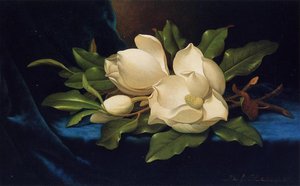
In later years, Heade settled in St. Augustine, Florida, where he turned his attention to still life—particularly exquisite depictions of magnolia blossoms arranged against rich velvet backgrounds. These paintings, with their velvety textures and luminous light, exemplify his mastery of color and form. However, despite producing a substantial body of work throughout his career, Heade remained largely unknown during his lifetime. It wasn’t until the 1940s that scholars began to recognize the significance of his contributions to American art. A remarkable series of rediscoveries—paintings surfacing in unexpected places like garage sales and flea markets—brought renewed attention to his work, revealing a previously overlooked master of Luminism. The term “Luminism” itself, coined to describe the style shared by Heade and artists such as Fitz Henry Lane, captures the essence of his artistic vision: an emphasis on atmospheric effects, subtle gradations of light, and a sense of stillness and tranquility.A Legacy of Quiet Contemplation
Martin Johnson Heade’s legacy extends beyond his technical skill and aesthetic sensibilities. His paintings offer viewers a space for quiet contemplation—an invitation to immerse themselves in the beauty and serenity of the natural world. While he may not have achieved widespread fame during his lifetime, his work has resonated deeply with audiences since its rediscovery, solidifying his position as a major figure in American art. Today, his paintings are held in prominent museum collections worldwide, including the Martin Johnson Heade collection at ArtsDot, and continue to inspire awe and admiration for their luminous beauty and enduring power. Heade’s ability to capture the ephemeral qualities of light and atmosphere—to transform ordinary scenes into moments of transcendent beauty—ensures his place among the most beloved and influential American painters of the 19th century. His art serves as a poignant reminder of the importance of preserving and appreciating the natural world, and of finding solace in its quiet splendor.Key Characteristics of Heade’s Style
- Luminism: A defining characteristic, emphasizing atmospheric effects and subtle light gradations.
- Serene Compositions: Avoiding dramatic narratives in favor of peaceful scenes.
- Meticulous Detail: Precise rendering of natural forms and textures.
- Subject Matter: Salt marshes, seascapes, tropical birds (especially hummingbirds), magnolias, and still lifes.
- Romantic Approach: A focus on the emotional impact of nature and its beauty.
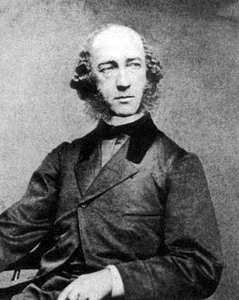
Martin Johnson Heade
1819 - 1904 , United States of America
Quick Facts
- Artistic Movement Or Style: Luminism
- Artists Who Influenced This Artist:
- Edward Hicks
- John F. Kensett
- Date Of Birth: August 11, 1819
- Date Of Death: September 4, 1904
- Full Name: Martin Johnson Heade
- Nationality: American
- Notable Artworks:
- Orchids & Hummingbird
- Salt Marsh Landscapes
- Hummingbird Blossoms
- Place Of Birth: Lumberville, USA
Related Articles
Martin Johnson Heade: Luminism, American Identity & the Poetic Still Life
Explore the captivating world of Martin Johnson Heade, a master of Luminism. Discover his serene landscapes, vibrant still lifes & profound connection to American identity. Learn about his techniques and legacy.
The Sublime American Landscape: Frederic Edwin Church & the Dawn of Luminism
Explore the captivating world of Frederic Edwin Church and the Luminist movement. Discover the history, techniques & enduring legacy of America’s first great landscape painters with ArtsDot.

Beyond the Horizon: 10 Landscape Masterpieces for Your Home Decor
Journey through 10 breathtaking landscape paintings by Monet, Van Gogh & more! Explore iconic artworks, artistic techniques & find inspiration for your home decor. Museum-quality reproductions at ArtsDot.com. Discover all masterpieces on ArtsDot.com
Robert Spencer: Luminism, Narrative & the American Landscape Tradition
Explore the captivating world of Luminism & the Hudson River School with our expert analysis. Discover the history, artists, and enduring beauty of 19th-century American landscape painting. Find museum-quality reproductions at ArtsDot.
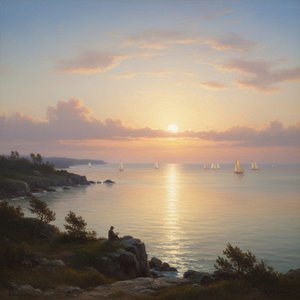
William Trost Richards: Luminism, Spirituality & the American Landscape Tradition
Explore the captivating landscapes of William Trost Richards, a master of Luminism associated with both the Hudson River School & American Pre-Raphaelite movements. Discover his spiritual connection to nature and lasting influence on American art.