 Preview
 Send
Send Share
Share
 Details

 Download
 Similars
 X-Ray
X-Ray Diaporama
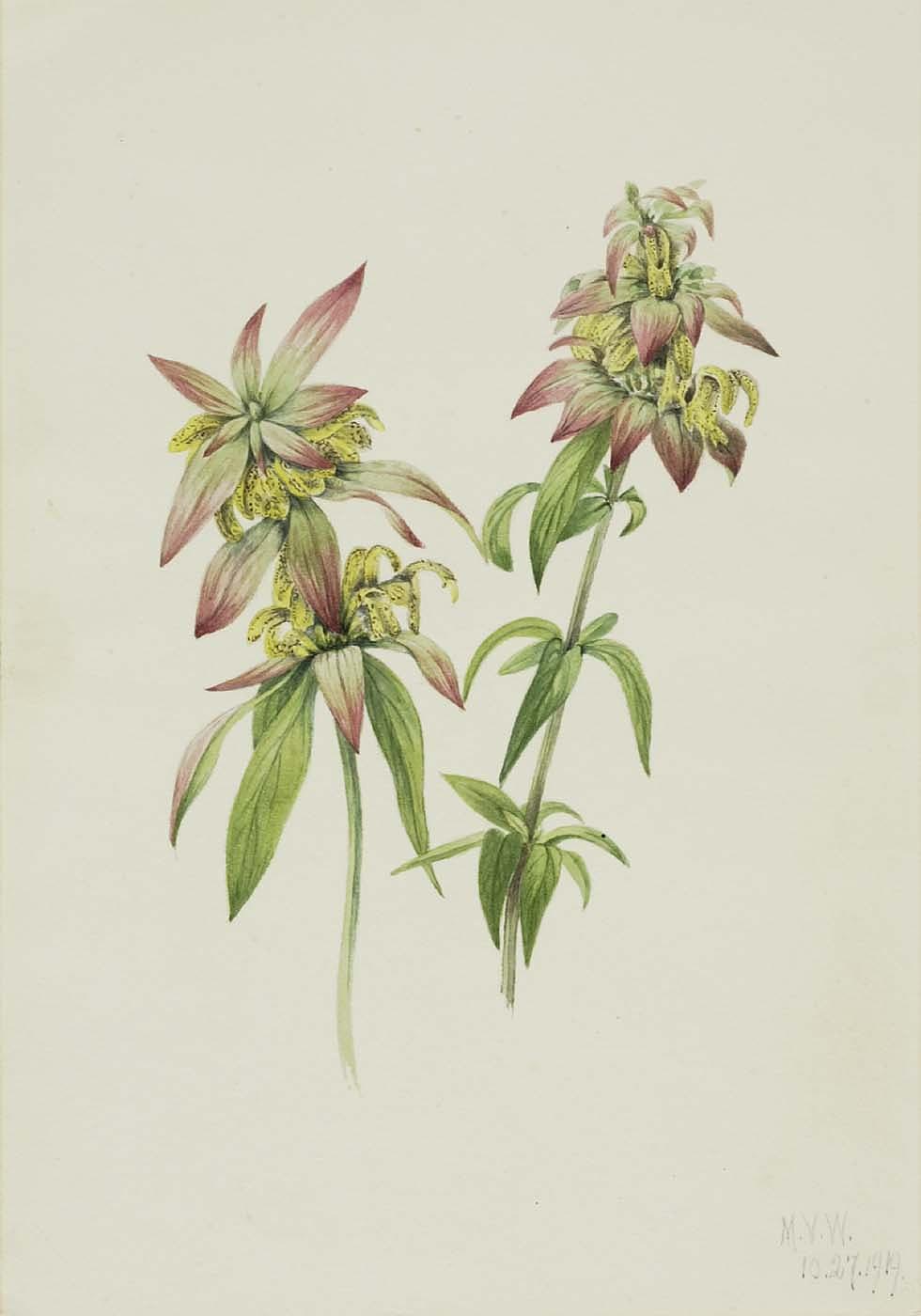
Spotted Bee Balm (Monarda punctata)
 Botanical Illustration
 1919
1919 25.0 x 18.0 cm
 Read More
Hand Made Oil Reproduction
Hand-painted oil on canvas in your size and frame, made to order by our artists. ( Buy Print Buy Image)




P118B $10

P118H $10

P118W $10

P438Z $10

P508JH $12

P508YH $12

P805H $10

P805Z $10

P919BZ $10

P919G $10

P919XJ $10

P959ZH $10

P968JZ $12

W106C $8

W218G $10

W218JH $8

W218Y $10

W307PJ $10

W316G $10

W316PJ $8

W316Y $10

W398PJ $8

W4111J $10

W500HY $15

W500JH $15

W692G $12

W849H $8

W940BG $15

W953PJ $8




Pick from our preset sizes that match the artwork's original proportions.

You may enter your own dimensions to fit a specific frame or space. If your selected size does not match the original image's proportions, we will either crop the artwork or extend the painting with additional hand-painted elements. A digital mockup will be sent for your approval before production begins.
Please note that the on-screen preview does not reflect the actual cropping or extension. Only the mockup will accurately show the final composition.
While custom sizes are available, we recommend selecting a dimension from the predefined list to preserve the original proportions.
After order, ArtsDot.com team will email client for instructions and provide a mockup preview
Worldwide Delivery () in 3/4 weeks instead of standard 5 weeks. (22 August). No compromise on quality.

Free Worldwide Express Shipping

High-Quality Linen Canvas

Full Shipping Insurance

Customs Tax Refund Guarantee

True Color Matching Guarantee

60-Day Return Policy (Defects Only)

100% Money-Back Guarantee

Bulk Discount Offer
 Glass option is only available in size under 110 CM

Spotted Bee Balm (Monarda punctata)
Reproduction Medium
Reproduction Size
-


Total Price
$ 263
Artwork Description
Artistic Technique and Style
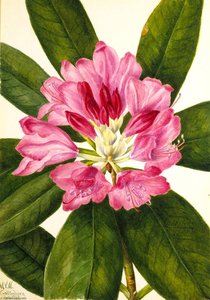
Mary Morris Vaux Walcott's technique is characterized by meticulous details and precision, capturing the morphology of the plant with scientific accuracy while celebrating its aesthetic appeal. The composition is simple yet elegant, with the stems arranged against a light beige background, drawing the viewer's eye to the delicate flowers. The soft pink petals and yellow centers of the Spotted Bee Balm are beautifully rendered, showcasing the artist's mastery of color and light.Artist's Background and Inspiration
Mary Morris Vaux Walcott was an American artist and naturalist known for her watercolor paintings of wildflowers. Her work was inspired by her travels to the Canadian Rockies, where she would often paint illustrations of the flowers she encountered. You can discover more about her artwork on ArtsDot.com, which offers handmade oil painting reproductions of her pieces.- View Mary Morris Vaux Walcott's artwork on ArtsDot.com
- Learn more about the artist's life and work on Wikipedia
The Spotted Bee Balm (Monarda punctata) painting is a testament to Mary Morris Vaux Walcott's skill as a botanical artist and her ability to capture the beauty of the natural world. Her artwork continues to inspire and delight audiences today, and her legacy as a pioneering female artist remains an important part of art history.
Related Artworks
Artist Biography
A Life Immersed in Flora: The Botanical Art of Mary Morris Vaux Walcott
Mary Morris Vaux Walcott, a name synonymous with the meticulous beauty of botanical illustration, emerged as a pioneering figure in American art and naturalism during the late 19th and early 20th centuries. Born in Philadelphia in 1860 into a devout Quaker family, her life was one of quiet dedication, blossoming from an initial fascination with wildflowers into a lifelong pursuit that would leave an indelible mark on the scientific record and artistic landscape. While societal expectations often confined women to domestic roles during this era, Walcott carved her own path, driven by an innate curiosity about the natural world and a remarkable talent for capturing its intricate details. Her early years were marked by responsibility; following her mother’s death when she was nineteen, Mary assumed care of her father and two younger brothers, yet even amidst these duties, her artistic inclinations flourished. The annual family summer excursions to the Canadian Rockies proved pivotal, igniting not only a passion for painting but also an interest in geology and glacial formations – interests that would subtly inform her later work.The Audubon of Botany: Artistic Development and Recognition
Walcott’s artistic journey wasn't formally structured by academic training; instead, it was nurtured through self-directed study and immersion in the natural world. She began painting wildflowers almost instinctively, honing her skills through observation and practice. Her approach diverged from conventional floral depictions of the time, prioritizing scientific accuracy alongside aesthetic appeal. Unlike many artists who romanticized or stylized their subjects, Walcott strived for precise representation, meticulously rendering each petal, leaf, and stem with unwavering fidelity. This dedication to realism, coupled with her artistic sensitivity, earned her the well-deserved moniker “the Audubon of Botany.” Her work quickly gained recognition within scientific circles, particularly after she began collaborating with botanists who appreciated the value of her detailed illustrations for identification and documentation purposes. The Smithsonian Institution became a crucial partner in disseminating her art, publishing *North American Wild Flowers* in 1925 – a five-volume collection showcasing over four hundred of her exquisite watercolors. This publication cemented her reputation as a leading botanical artist and ensured her work would reach a wider audience.Beyond the Canvas: A Life of Exploration and Scientific Contribution
Mary Vaux Walcott’s life extended far beyond the confines of an art studio. She was a passionate mountaineer, becoming the first woman to ascend Mount Stephen in the Canadian Rockies in 1900 – a testament to her adventurous spirit and physical endurance. These expeditions weren't merely recreational; they were integral to her artistic practice, providing access to rare and previously undocumented plant species. She meticulously documented glacial recession alongside her brothers, creating valuable records for future scientific study. Her marriage in 1914 to Charles Doolittle Walcott, Secretary of the Smithsonian Institution, further intertwined her life with the world of science. Together, they continued their explorations of the Canadian Rockies, and Mary’s artistic contributions became increasingly integrated into her husband's paleontological research. She wasn’t simply illustrating plants; she was actively contributing to a broader understanding of the natural environment. Her involvement extended to social circles as well, becoming a prominent hostess in Washington D.C., bridging the gap between scientific and societal spheres.Legacy and Lasting Impact
Mary Morris Vaux Walcott passed away in 1940, leaving behind a legacy that continues to inspire both artists and scientists today. Her meticulous botanical illustrations are not only admired for their aesthetic beauty but also valued as invaluable scientific resources. The *North American Wild Flowers* remains a landmark publication, and her original watercolors are treasured possessions of the Smithsonian Institution and other museums. She paved the way for future generations of female botanical artists, demonstrating that women could excel in both artistic and scientific pursuits. Her work serves as a powerful reminder of the importance of observation, precision, and dedication – qualities that transcend disciplinary boundaries. Walcott’s contribution extends beyond her art; the Charles Doolittle Walcott Medal, established by her in honor of her husband, continues to recognize outstanding achievements in Precambrian and Cambrian paleontology. Her life story is a testament to the power of passion, perseverance, and the enduring beauty of the natural world. She stands as an exemplar of how art and science can converge to illuminate our understanding of the planet we inhabit.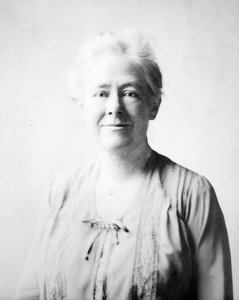
Mary Morris Vaux Walcott
1860 - 1940
Quick Facts
- Artistic Movement Or Style: Botanical Illustration
- Date Of Birth: 1860
- Date Of Death: 1940
- Full Name: Mary Morris Vaux Walcott
- Nationality: American
- Notable Artworks:
- My First Painting
- North American Wild Flowers
- Place Of Birth: Philadelphia, USA
Related Articles
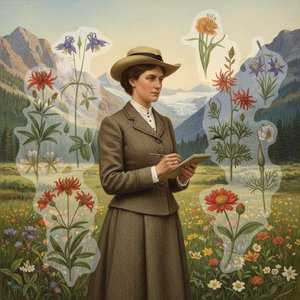
Mary Vaux Walcott: Botanical Precision & Artistic Vision in American Conservation
Discover the exquisite botanical watercolors of Mary Vaux Walcott, celebrated as the 'Audubon of Botany.' Explore her life, art, and lasting impact on American conservation through detailed illustrations & Smithsonian contributions.

Watercolor Wonders: 10 Masterpieces That Redefined Art History | ArtsDot
Journey through 10 legendary watercolor masterpieces by Sargent, Turner & Homer! Explore iconic landscapes, portraits & floral art that redefined history. Find museum-quality reproductions and curated decor ideas at ArtsDot.com.

Ephemeral Visions: Exploring the Artistic Legacy & Contemporary Practice of Watercolor Painting
Explore the captivating world of watercolor painting! Discover its rich history, essential techniques, influential artists & collecting tips. A comprehensive guide for art enthusiasts from ArtsDot.

Ephemeral Visions: Exploring the History & Emotional Resonance of Watercolor Painting
Explore the captivating history of watercolor painting, from ancient techniques to modern masters like Kandinsky & Blake. Discover essential artists, collecting tips & the emotional power of this luminous medium. Expert insights for art enthusiasts.
Ephemeral Visions: Exploring the Artistic Legacy & Nuances of Watercolor Painting
Explore the captivating world of watercolor painting! Discover its rich history, essential techniques, influential artists & collecting tips from art experts. A comprehensive guide for enthusiasts.