 Preview
 Send
Send Share
Share
 Details

 Download
 Similars
 X-Ray
X-Ray Diaporama
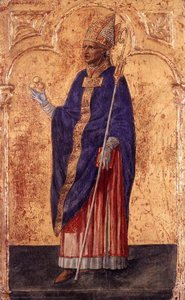
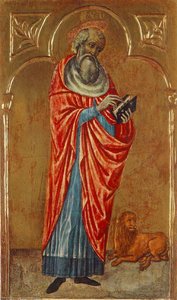
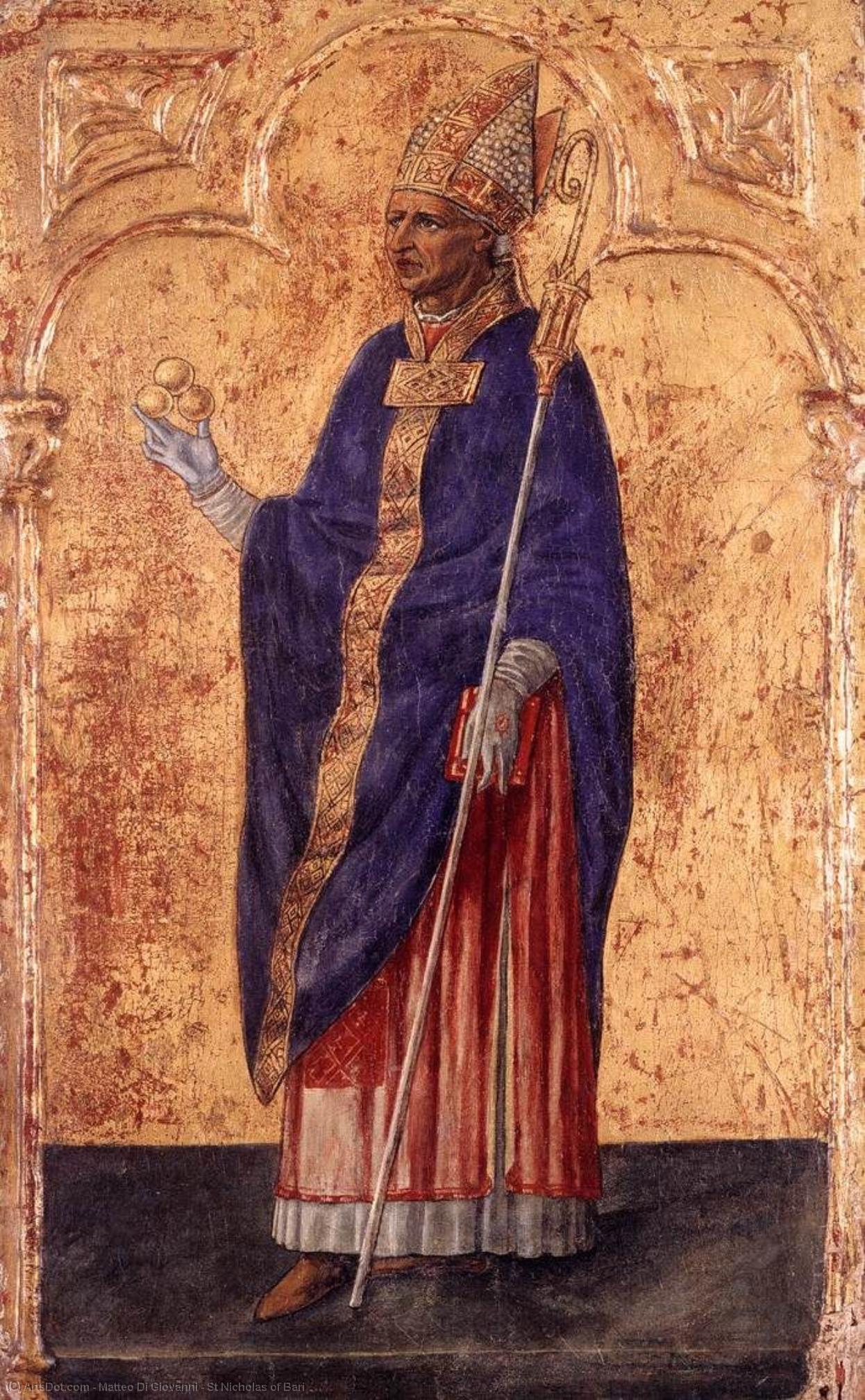
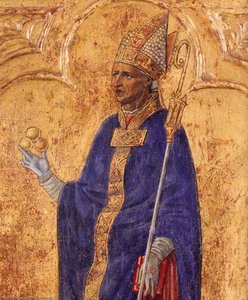
St Nicholas of Bari
 Tempera On Panel
- Early Renaissance
 1455
1455- Renaissance
 43.0 x 25.0 cm
 Lindenau-Museum
 Read More
Hand Made Oil Reproduction
Hand-painted oil on canvas in your size and frame, made to order by our artists. ( Buy Print Buy Image)




P118B $10

P118H $10

P118W $10

P438Z $10

P508JH $12

P508YH $12

P805H $10

P805Z $10

P919BZ $10

P919G $10

P919XJ $10

P959ZH $10

P968JZ $12

W106C $8

W218G $10

W218JH $8

W218Y $10

W307PJ $10

W316G $10

W316PJ $8

W316Y $10

W398PJ $8

W4111J $10

W500HY $15

W500JH $15

W692G $12

W849H $8

W940BG $15

W953PJ $8




Pick from our preset sizes that match the artwork's original proportions.

You may enter your own dimensions to fit a specific frame or space. If your selected size does not match the original image's proportions, we will either crop the artwork or extend the painting with additional hand-painted elements. A digital mockup will be sent for your approval before production begins.
Please note that the on-screen preview does not reflect the actual cropping or extension. Only the mockup will accurately show the final composition.
While custom sizes are available, we recommend selecting a dimension from the predefined list to preserve the original proportions.
After order, ArtsDot.com team will email client for instructions and provide a mockup preview
Worldwide Delivery () in 3/4 weeks instead of standard 5 weeks. (17 August). No compromise on quality.

Free Worldwide Express Shipping

High-Quality Linen Canvas

Full Shipping Insurance

Customs Tax Refund Guarantee

True Color Matching Guarantee

60-Day Return Policy (Defects Only)

100% Money-Back Guarantee

Bulk Discount Offer
 Glass option is only available in size under 110 CM

St Nicholas of Bari
Reproduction Medium
Reproduction Size
-


Total Price
$ 263
Artwork Description
A Vision of Divine Authority: St Nicholas of Bari
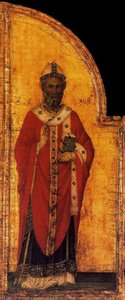
In the quiet, hallowed halls of the Lindenau-Museum, there exists a window into the spiritual fervor of the 15th century. Matteo Di Giovanni’s St Nicholas of Bari, painted in 1455, is not merely a portrait of a saint; it is a profound encounter with the Early Italian Renaissance. This exquisite tempera on wood panel captures the essence of a figure who stands at the intersection of earthly power and divine grace. As one gazes upon the saint, there is an immediate sense of the weight of history and the solemnity of his office. The composition, centered and commanding, utilizes a vertical orientation that draws the eye upward, mirroring the spiritual ascent of the soul toward the heavens.
The artistry of Di Giovanni shines through in the meticulous execution of the subject's ecclesiastical regalia. St Nicholas is depicted with the unmistakable dignity of a high-ranking bishop, draped in a deep blue robe accented by rich red trim—colors that traditionally signify both heavenly devotion and the blood of martyrs or the authority of the Church. The artist’s use of fine, linear details defines the heavy folds of the fabric, creating a tactile sensation that invites the viewer to imagine the weight of the cloth. A tall, pointed mitre rests upon his head, while a pectoral cross hangs prominently, serving as a luminous symbol of his sacred duty. Every brushstroke contributes to an aura of permanence and sanctity.
Symbolism and the Golden Light of the Renaissance
Beyond the physical likeness, the painting is a masterclass in Renaissance iconography. The background, characterized by a warm, textured gold, does more than provide a backdrop; it creates a celestial atmosphere that transcends the physical world. This use of gold leaf or gold-toned pigments was a hallmark of the Sienese school, intended to evoke the uncreated light of God. Within this radiant space, the architectural elements—resembling a Gothic archway—act as a symbolic portal, suggesting that the saint exists in a liminal space between our world and the spiritual realm.
The objects held by St Nicholas are equally laden with meaning. In his right hand, he grips a staff, a symbol of his role as a shepherd guiding his flock. In his left, the presence of a book or manuscript speaks to the wisdom and theological foundation of his office. The interplay of earth tones and deep blues creates a balanced palette that is both grounded and ethereal. For collectors and interior designers, this piece offers a sophisticated touch of historical gravity; its rich textures and classical color scheme provide a focal point that can anchor a room with an air of timeless elegance and intellectual depth.
A Timeless Masterpiece for the Modern Collector
To possess a reproduction of such a significant work is to bring a piece of the Italian Renaissance into the contemporary home. The technique employed by Di Giovanni—layering thin glazes to build luminosity—ensures that even in a hand-painted oil reproduction, the light seems to emanate from within the painting itself. This creates an emotional impact that is both calming and awe-inspiring, making it an ideal selection for those looking to infuse their living spaces with culture, history, and a sense of peace.
Whether you are an art historian captivated by the Sienese tradition or a decorator seeking to add a layer of narrative richness to a curated collection, St Nicholas of Bari stands as a testament to the enduring power of religious iconography. It is a work that does not merely decorate a wall but tells a story of faith, authority, and the eternal beauty of the human spirit captured in pigment and wood.
Related Artworks
Artist Biography
The Sienese Master: The Life and Legacy of Matteo di Giovanni
In the heart of the Italian Renaissance, amidst the winding streets of Siena, the brushstrokes of Matteo di Giovanni helped define an era of profound spiritual and aesthetic transformation. Born around 1435 in Borgo San Sepolcro, Matteo’s journey was one of migration and metamorphosis. Though his origins lay elsewhere, his soul became inextricably linked to the Sienese school, a movement characterized by its lyrical grace, rich ornamentation, and deep devotion. His life was marked not only by artistic pursuit but by a remarkable personal stability; through two marriages to women of significant wealth, Matteo secured the financial freedom necessary to acquire real estate and establish a lasting presence in the San Salvatore neighborhood of Siena.
The early years of Matteo’s career remain shrouded in the soft mists of history, yet the traces of his development are etched into the very fabric of his canvases. While no formal apprenticeship is recorded, scholars often look toward the workshop of the renowned sculptor and painter Vecchietta as a potential cradle for his talent. His style emerged as a sophisticated tapestry woven from various threads of influence: the delicate precision of the miniaturist Girolamo da Cremona, the robust Florentine energy of Antonio del Pollaiolo, and the established Sienese traditions set by masters such as Sassetta and Domenico di Bartolo. This unique synthesis allowed him to bridge the gap between the decorative elegance of the late Gothic period and the burgeoning humanism of the Renaissance.
A Career Forged in Gold and Devotion
Matteo’s early professional life was defined by the collaborative spirit of the 15th-century workshop. In 1452, he entered into a significant partnership with Giovanni di Pietro, a period during which they shared living quarters and worked side-by-side on monumental tasks. One of the most illuminating glimpses into his early technical skill comes from 1453, when records show Matteo coloring and gilding a sculpture of the Archangel Gabriel by the celebrated Jacopo della Quercia. This task—applying precious gold leaf to sacred forms—demonstrates his mastery over the luminous, tactile surfaces that would become a hallmark of his later altarpieces.
His growing reputation led him to contribute to the most sacred spaces in Siena. His hands helped embellish the organ shutters within the Siena Cathedral and played a vital role in the decoration of the San Bernardino Chapel. These commissions were more than mere jobs; they were spiritual contributions to the city's liturgical life. As his skill matured, Matteo’s work began to exhibit a more complex narrative depth, moving beyond simple iconography toward a more dramatic and emotionally resonant style that captured the attention of the most prestigious patrons in Tuscany.
The Pinnacle of Achievement and Historical Significance
The true measure of Matteo di Giovanni’s stature is found in his selection for the urban renewal projects of Pienza. As one of only four Sienese painters chosen to furnish altarpieces for the newly erected chapels of the Pienza Cathedral, he stood at the forefront of the era's most ambitious architectural and artistic endeavors. His contributions to this project, particularly the three altarpieces dating from 1460-62, serve as a definitive window into his evolving technique, showcasing a mastery of light, form, and sacred storytelling.
Matteo’s legacy is defined by several key artistic pillars:
- Synthesis of Styles: His ability to blend the local Sienese tradition with the emerging anatomical realism of Florence.
- Technical Brilliance: A profound command over gilding and color, creating works that shimmered with divine light.
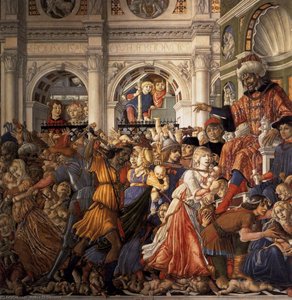
- Narrative Power: The capacity to transform religious scenes, such as the Massacre of the Innocents or various Madonna and Child compositions, into gripping human dramas.
- Civic Impact: His role in shaping the visual identity of Siena and Pienza through monumental ecclesiastical commissions.
Though he passed away in 1495, the echoes of Matteo di Giovanni’s artistry continue to resonate. He remains a pivotal figure who navigated the transition from the medieval mindset to the Renaissance dawn, leaving behind a body of work that continues to inspire awe through its delicate beauty and enduring spiritual strength.
matteo di giovanni
1435 - 1495 , Italy
Quick Facts
- Artistic Movement Or Style: Sienese School, Renaissance
- Artists Who Influenced This Artist:
- Sassetta
- Domenico di Bartolo
- Antonio del Pollaiolo
- Date Of Birth: 1435
- Date Of Death: 1495
- Full Name: Matteo di Giovanni
- Nationality: Italian
- Notable Artworks:
- Madonna and Child
- Massacre of the Innocents
- Place Of Birth: Borgo San Sepolcro, Italy
Related Articles
Giotto's Masterpieces: 25 Renaissance Artworks for Your Home | ArtsDot
Explore 25 breathtaking artworks by Giotto di Bondone, a Renaissance master. Discover the stories behind iconic frescoes & paintings like the Scrovegni Chapel cycle. Find museum-quality Giotto reproductions and elevate your home decor with ArtsDot.com.
High Medieval Art: 10 Masterpieces That Shaped an Era | ArtsDot
Journey through High Medieval Art! Explore 10 iconic masterpieces – from Giotto's frescoes to stunning Gothic cathedrals. Discover the stories behind these timeless paintings, sculptures & illuminated manuscripts. Find museum-quality art reproductions at ArtsDot.com.

Late Medieval Masterpieces: 10 Artworks That Defined an Era | ArtsDot
Journey through 10 defining Late Medieval masterpieces – from Giotto's frescoes to Jan van Eyck’s realism. Explore the stories, techniques & vibrant colors of Gothic art. Find museum-quality reproductions and elevate your home decor with ArtsDot.com! Discover all masterpieces on ArtsDot.com
La Biennale's Masterpieces: 25 Artworks to Inspire Your Home | ArtsDot
Explore 25 iconic artworks from La Biennale di Venezia! Discover the stories behind masterpieces of Italian art, modernism & Renaissance paintings. Find museum-quality reproductions and elevate your home decor with ArtsDot.com. Explore the full collection online.
Giotto di Bondone: Revolutionizing Late Medieval Painting through Narrative Innovation
Explore the revolutionary art of Giotto di Bondone! Discover his groundbreaking techniques, iconic frescoes like those in the Arena Chapel, and lasting impact on Renaissance painting. A deep dive for art enthusiasts.