 Preview
 Send
Send Share
Share
 Details

 Download
 Similars
 X-Ray
X-Ray Diaporama
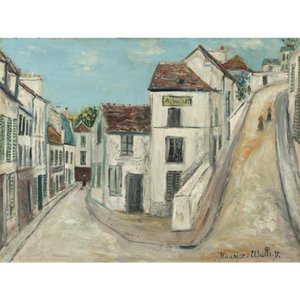
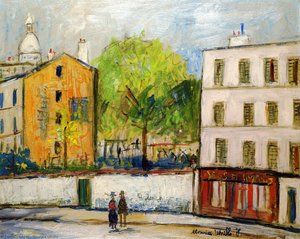
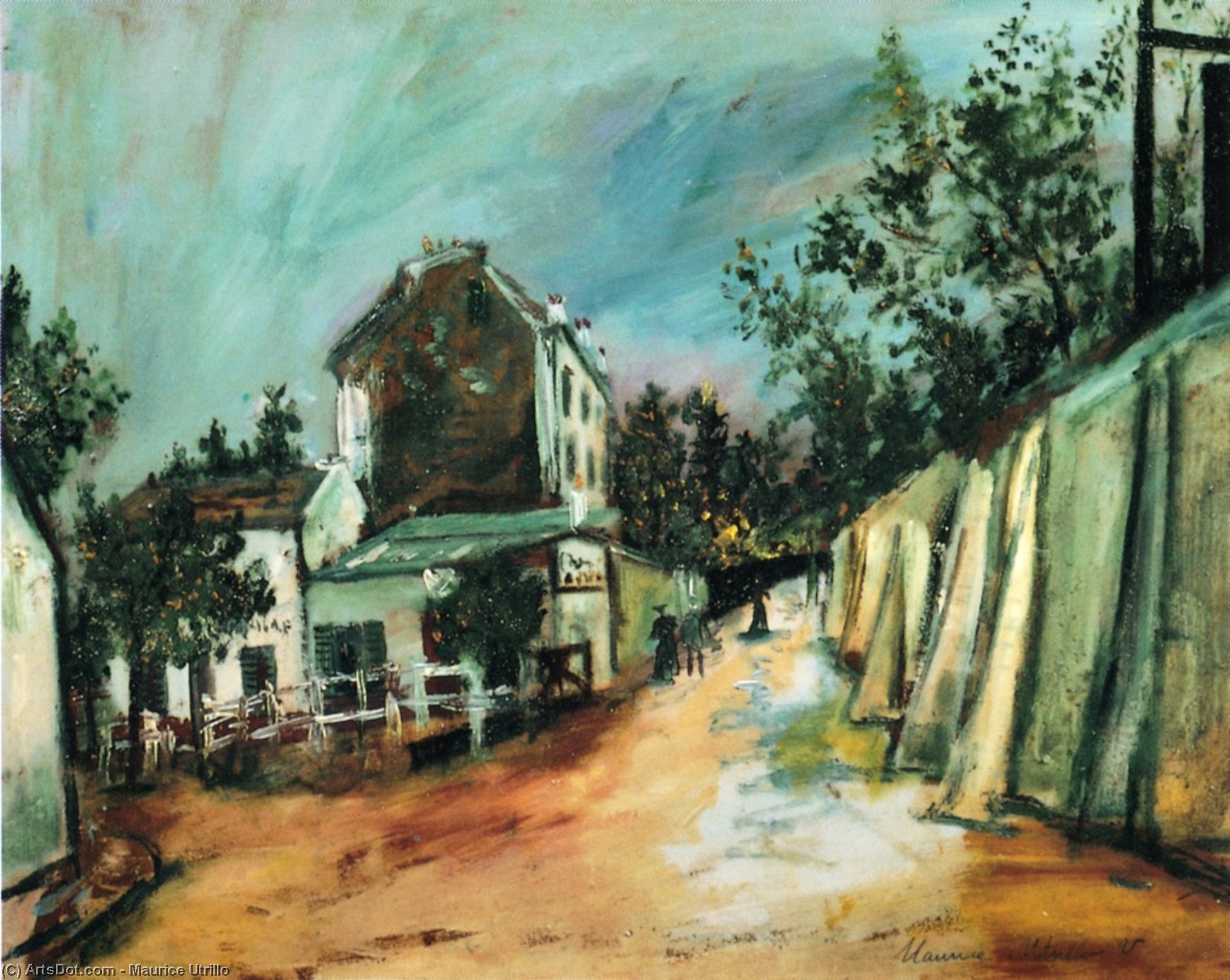
Rue Saint-Vincent and the Lapin Agile
 Oil On Panel
- Post-Impressionism
 1917
1917- Modern
 58.0 x 73.0 cm
 Read More
Hand Made Oil Reproduction
Hand-painted oil on canvas in your size and frame, made to order by our artists. ( Buy Print Buy Image)




P118B $10

P118H $10

P118W $10

P438Z $10

P508JH $12

P508YH $12

P805H $10

P805Z $10

P919BZ $10

P919G $10

P919XJ $10

P959ZH $10

P968JZ $12

W106C $8

W218G $10

W218JH $8

W218Y $10

W307PJ $10

W316G $10

W316PJ $8

W316Y $10

W398PJ $8

W4111J $10

W500HY $15

W500JH $15

W692G $12

W849H $8

W940BG $15

W953PJ $8




Pick from our preset sizes that match the artwork's original proportions.

You may enter your own dimensions to fit a specific frame or space. If your selected size does not match the original image's proportions, we will either crop the artwork or extend the painting with additional hand-painted elements. A digital mockup will be sent for your approval before production begins.
Please note that the on-screen preview does not reflect the actual cropping or extension. Only the mockup will accurately show the final composition.
While custom sizes are available, we recommend selecting a dimension from the predefined list to preserve the original proportions.
After order, ArtsDot.com team will email client for instructions and provide a mockup preview
Worldwide Delivery () in 3/4 weeks instead of standard 5 weeks. (17 August). No compromise on quality.

Free Worldwide Express Shipping

High-Quality Linen Canvas

Full Shipping Insurance

Customs Tax Refund Guarantee

True Color Matching Guarantee

60-Day Return Policy (Defects Only)

100% Money-Back Guarantee

Bulk Discount Offer
 Glass option is only available in size under 110 CM

Rue Saint-Vincent and the Lapin Agile
Reproduction Medium
Reproduction Size
-


Total Price
$ 263
Artwork Description
A Parisian Moment Captured in Oil
To gaze upon Maurice Utrillo's Rue Saint-Vincent and the Lapin Agile is to step directly into the vibrant, yet quietly melancholic heart of early 20th-century Montmartre. This painting, executed in 1917, transcends a mere depiction of a street corner; it is an immersion into the very rhythm of Parisian daily life. Utrillo masterfully captures that fleeting moment when activity settles into a comfortable, enduring tableau. The scene unfolds with remarkable clarity: a man, burdened perhaps by memory or journey, walks down the cobbled thoroughfare carrying a suitcase, while scattered chairs and a sturdy bench suggest moments of pause and contemplation amidst the flow of existence.
The Geometry of Everyday Life
Technically, Utrillo’s signature style shines through with characteristic boldness. While his palette here is notably muted—a sophisticated blend that grounds the scene in reality—the underlying structure speaks to a Post-Impressionist sensibility. One observes how he uses bold colors not for riotous display, but to define geometric shapes within the urban sprawl. The architecture, the placement of the furniture, and even the figures themselves are rendered with an almost structural integrity. This is not the fleeting impressionism of light alone; it is the enduring structure of human routine set against the backdrop of Parisian stone.
Symbolism Woven into the Cobblestones
The elements within this canvas carry a quiet weight of symbolism. The man with his suitcase embodies movement and progression—the journey that defines us all. Conversely, the scattered chairs and bench serve as poignant reminders of rest, of necessary contemplation, and the brief moments when life allows one to simply sit and observe. Utrillo invites us, the viewer, to participate in this quiet drama, to feel the weight of the suitcase alongside the wanderer, and to appreciate the value found in a simple moment of repose.
A Touch of Bohemian History
Understanding Utrillo’s life—a life deeply rooted in the bohemian spirit of Montmartre—enriches our appreciation for this work. He was an artist born *of* that district, capturing its soul with an intimate understanding. Rue Saint-Vincent and the Lapin Agile feels like a postcard from a time when Parisian artistic fervor mingled seamlessly with the grit of everyday commerce. Owning a reproduction allows one to bring this tangible piece of French cultural history into a modern setting, transforming any room into a gallery echoing the spirit of an old Parisian café.
Bringing the Scene Home
For those who seek art that speaks volumes without shouting, Utrillo’s work is unparalleled. The reproduction of this 58 x 73 cm piece offers collectors and designers a chance to own a masterwork that balances vibrant life with quiet introspection. It is an artwork that doesn't just decorate a wall; it infuses a space with the enduring, thoughtful energy of a Parisian afternoon.
Related Artworks

Artist Biography
A Life Etched in Parisian Stone
Maurice Utrillo, born Maurice Valadon in the heart of Montmartre in 1883, was a painter inextricably linked to the spirit of Paris itself. His life, marked by both profound artistic talent and personal struggle, unfolded against the backdrop of a rapidly changing city, a world he captured with an almost melancholic tenderness. Unlike many artists who sought inspiration *in* Montmartre, Utrillo was born *of* it – one of the few prominent painters to actually originate within its bohemian boundaries. His story is not simply that of an artist, but a reflection of the district’s own evolving identity at the turn of the 20th century. The question of his paternity remained shrouded in speculation for years; theories ranged from Pierre-Cécile Puvis de Chavannes to Renoir, though Miguel Utrillo eventually legally acknowledged him. This ambiguity perhaps foreshadowed a life lived on the fringes, observing rather than fully participating, and translating those observations into canvases imbued with quiet introspection.From Troubled Youth to Artistic Awakening
Utrillo’s early years were far from idyllic. Marked by truancy and a growing struggle with alcoholism, his path seemed destined for hardship. In 1904, he received a diagnosis of schizophrenia, leading to periods of institutionalization that would continue throughout his life. It was during these times, however, that art began to emerge as a lifeline. Encouraged by his mother, Suzanne Valadon – herself a remarkable figure who transitioned from model to respected artist – Utrillo discovered an innate talent for painting. Valadon’s influence was pivotal; she provided not formal training, but rather a foundational understanding of artistic principles and unwavering encouragement during periods of immense personal difficulty. He began by depicting the familiar streets and buildings around Montmartre, quickly developing a distinctive style characterized by its delicate brushwork and muted palette. These early works weren't merely representations of place, they were emotional landscapes reflecting his own internal world.The White Period and Beyond: A Unique Artistic Vision
Utrillo’s artistic development culminated in what is known as his “White Period” (approximately 1909-1914). This phase saw him employ a distinctive technique involving the generous use of zinc white, often mixed with plaster, to create textured surfaces that evoked the weathered walls and timeworn facades of Montmartre. The resulting paintings possess a unique luminosity and a sense of quiet decay, capturing the essence of a neighborhood undergoing transformation. His palette favored ochres, browns, and grays, lending his cityscapes a melancholic atmosphere that resonated with the spirit of the time. He wasn’t interested in grand narratives or heroic figures; instead, he focused on the everyday – the humble streets, the corner cafes, the solitary buildings standing sentinel against the Parisian sky. Later works, even those created from memory or postcards due to declining health, retained this signature style, demonstrating a remarkable consistency of vision. Notable pieces like “Rue du Mont-Cenis Under The Snow” and "Montmartre Street Corner or Lapin Agile" exemplify his ability to transform ordinary scenes into evocative meditations on urban life.Recognition, Legacy, and Enduring Influence
By the 1920s, Utrillo’s work had gained significant recognition. He was awarded the Cross of the Légion d'honneur in 1928, a testament to his growing reputation within the French art world. Despite ongoing battles with illness and institutionalization, he continued to paint prolifically, leaving behind a vast body of work that provides invaluable insight into early 20th-century Paris. His paintings are now held in numerous museums worldwide, including the Musée Maurice Denis and Galerie Paul Pétridès, ensuring his legacy for generations to come. Utrillo’s influence can be seen in subsequent artists who sought to capture the atmosphere and emotion of urban environments. He wasn't simply documenting a place; he was conveying a feeling – a sense of solitude, nostalgia, and quiet beauty that continues to resonate with viewers today. His work serves as a poignant reminder of a Paris lost, yet forever preserved on canvas, etched in stone and memory. He remains a master of capturing the soul of a city.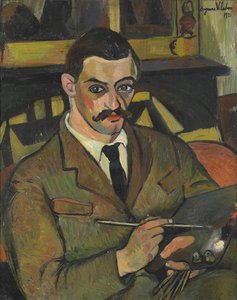
Maurice Utrillo
1883 - 1955 , France
Quick Facts
- Artistic Movement Or Style: Post-Impressionism
- Artists Or Movements Influenced By This Artist: ['Urban landscape artists']
- Artists Who Influenced This Artist: ['Suzanne Valadon']
- Date Of Birth: Dec 26, 1883
- Date Of Death: Nov 5, 1955
- Full Name: Maurice Utrillo
- Nationality: French
- Notable Artworks:
- Rouen Cathedral Study
- Water Lilies & Willow
- Walk in Argenteuil
- Montmartre Street Corner
- Place Of Birth: Montmartre, France
Related Articles
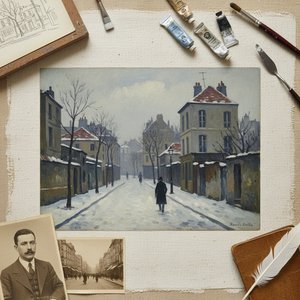
Maurice Utrillo: A Poetic Vision of Parisian Solitude – Life, Style & Legacy
Explore the poignant world of Maurice Utrillo, the master of Parisian cityscapes. Discover his life, distinctive style, and enduring legacy with ArtsDot – handmade oil reproductions & expert art insights.
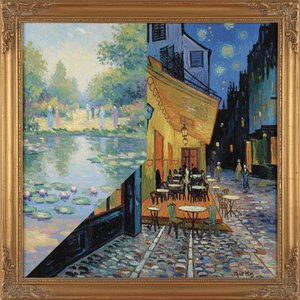
Beyond Light & Color: Impressionism vs. Post-Impressionism for the Discerning Collector
Explore the nuances of Impressionism & Post-Impressionism with . Expert insights for collectors on style, investment, and acquiring museum-quality reproductions.

The Enduring Legacy of Oil on Canvas: Technique, History & Aesthetic Impact
Explore the rich history & techniques of oil painting – from Renaissance masters to Impressionism. Discover pigments, layering methods, and why this timeless medium endures. Expert insights for artists & art enthusiasts.
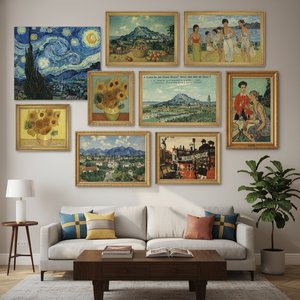
Post-Impressionism's 10 Defining Masterpieces: Art for Your Home |
Journey through Post-Impressionism's 10 defining masterpieces – Van Gogh, Monet & more. Explore iconic paintings, art history & find museum-quality reproductions for your home at . Discover all masterpieces online!
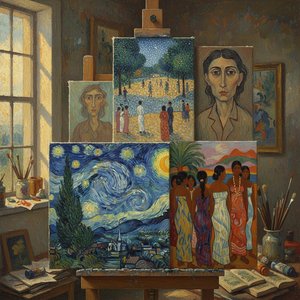
Beyond Impressionism: Exploring the Emotional Depth of Post-Impressionist Painting
Explore the profound emotional depth & innovative techniques of Post-Impressionism with ArtsDot. Discover Cézanne, Van Gogh, Gauguin & more – and their lasting impact on modern art.
![The Lapin Agile [Le Lapin Agile]](/media/artworks/images/thumbnails/6f/de/6fde39a0951c43cc842a2d2091716b9b.jpg)