 Preview
 Send
Send Share
Share
 Details

 Download
 Similars
 X-Ray
X-Ray Diaporama
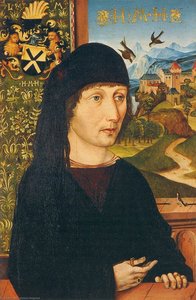
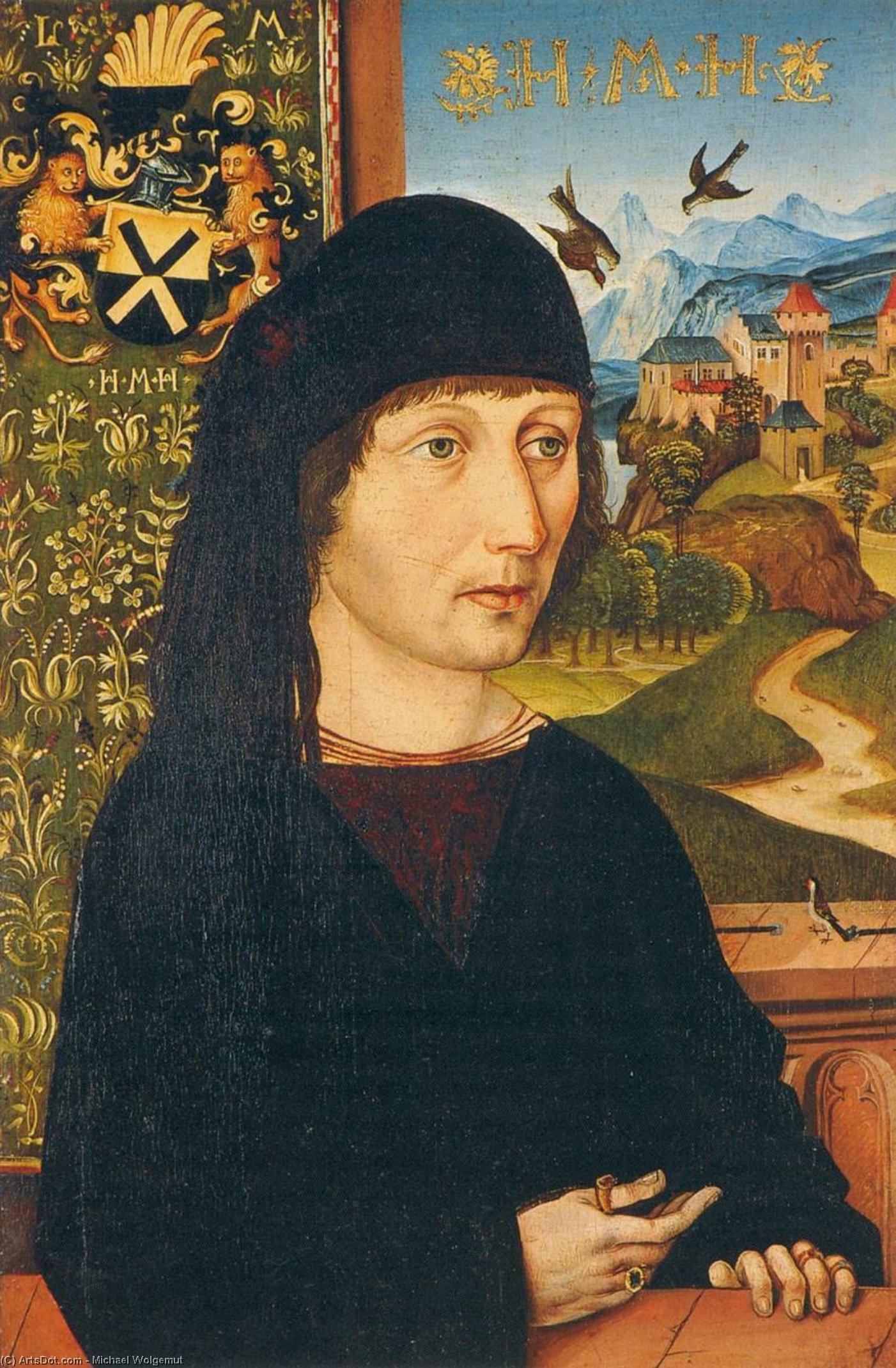
Portrait of Levinus Memminger
 Oil On Panel
- Early Netherlandish
 1485
1485 34.0 x 23.0 cm
 Thyssen-Bornemisza Museum
 Read More
Hand Made Oil Reproduction
Hand-painted oil on canvas in your size and frame, made to order by our artists. ( Buy Print Buy Image)




P118B $10

P118H $10

P118W $10

P438Z $10

P508JH $12

P508YH $12

P805H $10

P805Z $10

P919BZ $10

P919G $10

P919XJ $10

P959ZH $10

P968JZ $12

W106C $8

W218G $10

W218JH $8

W218Y $10

W307PJ $10

W316G $10

W316PJ $8

W316Y $10

W398PJ $8

W4111J $10

W500HY $15

W500JH $15

W692G $12

W849H $8

W940BG $15

W953PJ $8




Pick from our preset sizes that match the artwork's original proportions.

You may enter your own dimensions to fit a specific frame or space. If your selected size does not match the original image's proportions, we will either crop the artwork or extend the painting with additional hand-painted elements. A digital mockup will be sent for your approval before production begins.
Please note that the on-screen preview does not reflect the actual cropping or extension. Only the mockup will accurately show the final composition.
While custom sizes are available, we recommend selecting a dimension from the predefined list to preserve the original proportions.
After order, ArtsDot.com team will email client for instructions and provide a mockup preview
Worldwide Delivery () in 3/4 weeks instead of standard 5 weeks. (17 August). No compromise on quality.

Free Worldwide Express Shipping

High-Quality Linen Canvas

Full Shipping Insurance

Customs Tax Refund Guarantee

True Color Matching Guarantee

60-Day Return Policy (Defects Only)

100% Money-Back Guarantee

Bulk Discount Offer
 Glass option is only available in size under 110 CM

Portrait of Levinus Memminger
Reproduction Medium
Reproduction Size
-


Total Price
$ 263
Artwork Description
A Window into Fifteenth-Century Nuremberg: Michael Wolgemut’s Portrait of Levinus Memminger
The year is 1485, and within the bustling workshop of Michael Wolgemut in Nuremberg, a portrait emerges – a meticulously rendered depiction of Levinus Memminger, a prominent figure in the city's civic life. More than simply a likeness, this painting offers a captivating glimpse into the artistic sensibilities and social dynamics of early Renaissance Germany. Wolgemut’s work isn’t merely a representation; it’s an invitation to contemplate status, wealth, and the intricate symbolism woven into the fabric of 15th-century identity.
The subject himself, Levinus Memminger, was a respected judge in Nuremberg, a position that demanded both legal acumen and social standing. Wolgemut captures this duality with remarkable precision. The composition centers on Memminger’s face and upper body, framed by an elaborate backdrop – a landscape punctuated by architectural elements and heraldic devices. This isn't the naturalistic portrayal favored by later artists; instead, it adheres to the conventions of Early Netherlandish painting, characterized by its emphasis on linear perspective and symbolic detail. Notice how the distant mountains recede into a carefully constructed space, creating an illusion of depth that draws the viewer’s eye inward.
The Language of Line and Color: Wolgemut's Technique
Wolgemut’s mastery lies in his meticulous technique – a hallmark of the Early Netherlandish style. He employs a painstaking layering of thin, translucent glazes of oil paint, building up color and luminosity with remarkable control. This method, perfected by artists like Jan van Eyck, allows for subtle gradations of tone and texture, imbuing the portrait with a remarkable sense of realism. The smooth surfaces of the figure’s skin and clothing contrast subtly with the more textured appearance of the background, achieved through deliberate brushwork. The use of lines is precise and controlled; they define the contours of the face, clothing, and architectural details with an almost geometric clarity.
Observe how light plays a crucial role in shaping form. The directional lighting, originating from the left, casts subtle shadows that accentuate the subject’s features and volumes. This masterful manipulation of light not only enhances realism but also contributes to the painting's overall sense of drama and presence. The artist’s careful attention to detail extends beyond mere representation; it reflects a deep understanding of how materials interact with light and how these interactions can be used to create visual impact.
Symbolism Woven into the Canvas
Beyond its technical brilliance, the portrait is rich in symbolic meaning. The landscape itself speaks volumes about Memminger’s status – it suggests wealth, land ownership, and a connection to the natural world. The architectural elements, particularly the heraldic devices displayed prominently in the background, reinforce his position of authority and social standing. Notably, the tapestry bearing Memminger's coat-of-arms and initials—l.m.h.—is a key element, anchoring the portrait within its specific context. The arrangement of these letters, along with the subtle inclusion of additional symbols in the sky, hints at a personal motto or perhaps a reference to his family lineage.
The falcon depicted soaring through the heavens adds another layer of interpretation. In medieval symbolism, falcons often represented vigilance and divine protection – qualities highly valued in a judge presiding over the affairs of the city. Even the seemingly simple inclusion of a bird suggests a deeper connection between Memminger’s role and the broader spiritual landscape of Nuremberg.
A Legacy of Artistic Influence
Michael Wolgemut's Portrait of Levinus Memminger stands as a testament to the artistic ferment of early Renaissance Germany. His work, deeply influenced by the traditions of the Netherlands, particularly the meticulous realism and symbolic richness of artists like Dirk Bouts, laid the groundwork for the later innovations of Albrecht Dürer, his protégé. Studying this portrait offers a valuable window into not only the life of a prominent citizen but also the artistic values and cultural context of a pivotal moment in European art history. Reproductions of this captivating work continue to inspire appreciation for the beauty and complexity of Early Netherlandish painting.
Related Artworks
Artist Biography
A Nuremberg Master: The Life and Legacy of Michael Wolgemut
Born around 1434 in the vibrant city of Nuremberg, Germany, Michael Wolgemut emerged as a pivotal figure in the transition from Late Gothic to Renaissance art. His name, sometimes rendered as Wohlgemuth or Wolgemuth, resonates through art history not only for his own artistic contributions but also—and perhaps more profoundly—for his role as mentor to one of the greatest masters of all time: Albrecht Dürer. Wolgemut’s journey began within a familial artistic tradition; he received his initial training from his father, Valentin Wolgemut, a painter himself. This foundation instilled in him an early appreciation for the craft and set the stage for a career that would span decades and leave an indelible mark on German art. He further honed his skills as an assistant to Hans Pleydenwurff, a prominent Nuremberg artist, gaining invaluable experience within a bustling workshop environment. A brief sojourn in Munich with Gabriel Malesskircher proved less fruitful, ending in a legal dispute, but it underscored Wolgemut’s ambition and willingness to seek opportunities beyond his native city.Workshop Leadership and Artistic Development
A turning point arrived in 1472 when Wolgemut married Pleydenwurff's widow, Barbara, inheriting not only a life partner but also the established workshop of one of Nuremberg’s leading artists. This acquisition propelled him to the forefront of the city’s artistic scene. Wilhelm Pleydenwurff, Hans’ son, joined the workshop as an assistant and later became a partner, creating a dynamic collaborative environment. Under Wolgemut's direction, the workshop flourished, becoming renowned for its diverse output—from intricately carved and painted wood retables to exquisitely detailed altar pieces. His style reveals a clear influence from Flemish masters, suggesting possible travels within Flanders (modern Belgium and surrounding areas). This is evident in his meticulous attention to detail, rich color palettes, and realistic depictions of figures and textures. He wasn’t merely replicating the Flemish aesthetic; he was adapting it, infusing it with a distinctly German sensibility that would characterize much of Northern Renaissance art.The Nuremberg Chronicle and the Rise of Woodcut
Wolgemut's legacy extends far beyond painting. He stands as a key figure in the revival of German woodcut artistry. His workshop became a prolific producer of woodcuts, often commissioned by publishers to illustrate books—a burgeoning market fueled by the recent invention of the printing press. These weren’t simply functional illustrations; they were works of art in their own right, demonstrating advancements in technique that allowed for more nuanced depictions of volume and shading. Frequently hand-colored after printing, these woodcuts brought visual narratives to a wider audience than ever before. However, his most monumental achievement remains his collaboration with Wilhelm Pleydenwurff on the illustrations for Hartmann Schedel’s *Liber Chronicarum*, published in 1493—better known as the Nuremberg Chronicle. This lavishly illustrated chronicle was a landmark publication, showcasing Wolgemut's mastery of woodcut design and meticulous planning. The project involved creating hundreds of intricate images depicting biblical scenes, historical events, and fantastical creatures, all meticulously laid out alongside Schedel’s text. The sheer scale and ambition of the Nuremberg Chronicle cemented Wolgemut’s reputation as a leading artist of his time.A Teacher's Influence: Dürer and Beyond
Perhaps Michael Wolgemut’s most enduring legacy lies in his role as teacher to Albrecht Dürer, arguably Germany’s greatest artist. Dürer apprenticed with Wolgemut between 1486 and 1489, receiving a comprehensive artistic education that laid the foundation for his own groundbreaking career. While Dürer ultimately surpassed his mentor in fame and innovation, he consistently acknowledged Wolgemut's influence throughout his life. He learned not only technical skills—drawing, painting, woodcut techniques—but also the importance of meticulous observation, careful composition, and a dedication to craftsmanship. Wolgemut instilled in Dürer a deep appreciation for both artistic tradition and innovative experimentation. Beyond Dürer, Wolgemut’s workshop trained numerous other artists, contributing significantly to the flourishing artistic landscape of Nuremberg and beyond. His contribution to German art isn't solely defined by his individual works but also by the vibrant artistic ecosystem he fostered.Lasting Significance
Michael Wolgemut died in 1519, leaving behind a rich artistic legacy that continues to resonate today. Major works such as the Retable of the High Altar at Zwickau (1479), the Great Retable for the Church of the Augustinian Friars in Nuremberg, and the Town Hall Decorations at Goslar demonstrate his versatility and skill. His portraits, known for their realistic depictions and meticulous detail—examples are held by institutions like the Royal Institution in Liverpool—reveal a keen eye for character and individuality. Wolgemut’s influence extended beyond his direct students; his innovative approach to woodcut design helped shape the development of German art in the late 15th century, impacting book production and artistic dissemination during the Renaissance. He successfully blended Flemish influences with local traditions, creating a unique style that paved the way for future generations of artists. He remains a vital link between the Late Gothic period and the burgeoning Renaissance, a testament to his enduring contribution to art history.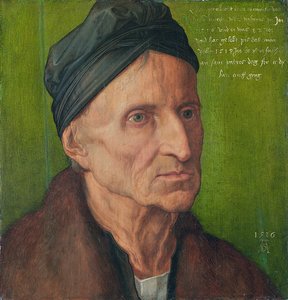
Michael Wolgemut
1434 - 1519 , Germany
Quick Facts
- Artistic Movement Or Style: Late Gothic, Renaissance
- Artists Or Movements Influenced By This Artist: ['Albrecht Dürer']
- Artists Who Influenced This Artist: ['Flemish masters']
- Date Of Birth: 1434
- Date Of Death: 1519
- Full Name: Michael Wolgemut
- Nationality: German
- Notable Artworks:
- Zwickau High Altar
- Nuremberg Chronicle
- Memminger Portrait
- Place Of Birth: Nuremberg, Germany
Related Articles
German Expressionism's 10 Defining Masterpieces | Art for Your Home
Explore 10 defining German Expressionism masterpieces – from Munch's 'The Scream' to Kandinsky’s abstracts. Discover the artists, stories & bold colors behind this powerful art movement. Find museum-quality reproductions at ArtsDot.com.
Illuminating Realism: Early Netherlandish Painting (15th-16th Centuries)
Explore the captivating world of Early Netherlandish painting (15th-16th centuries). Discover Jan van Eyck, Hans Memling & more. Uncover revolutionary techniques and hidden symbolism in this definitive guide.
Illuminating Realism: Early Netherlandish Painting (15th-16th Centuries)
Explore the captivating world of Early Netherlandish painting! Discover Jan van Eyck, Hans Memling & more. Uncover symbolism, techniques & the legacy of these Flemish masters. A comprehensive guide for art enthusiasts.
Illuminating Realism: A Comprehensive Exploration of the Early Netherlandish Renaissance Movement
Explore the captivating world of Early Netherlandish painting! Discover Jan van Eyck & other Flemish masters, their revolutionary techniques, hidden symbolism, and lasting legacy. A comprehensive guide for art enthusiasts.

Early Netherlandish Masters: 10 Paintings That Revolutionized Art & Decor
Journey into the world of Early Netherlandish painting! Explore 10 masterpieces by Jan van Eyck, Rogier van der Weyden & more. Discover stunning detail, symbolism & Renaissance art for your home decor. Find museum-quality reproductions on ArtsDot.com