 Preview
 Send
Send Share
Share
 Details

 Download
 Similars
 X-Ray
X-Ray Diaporama
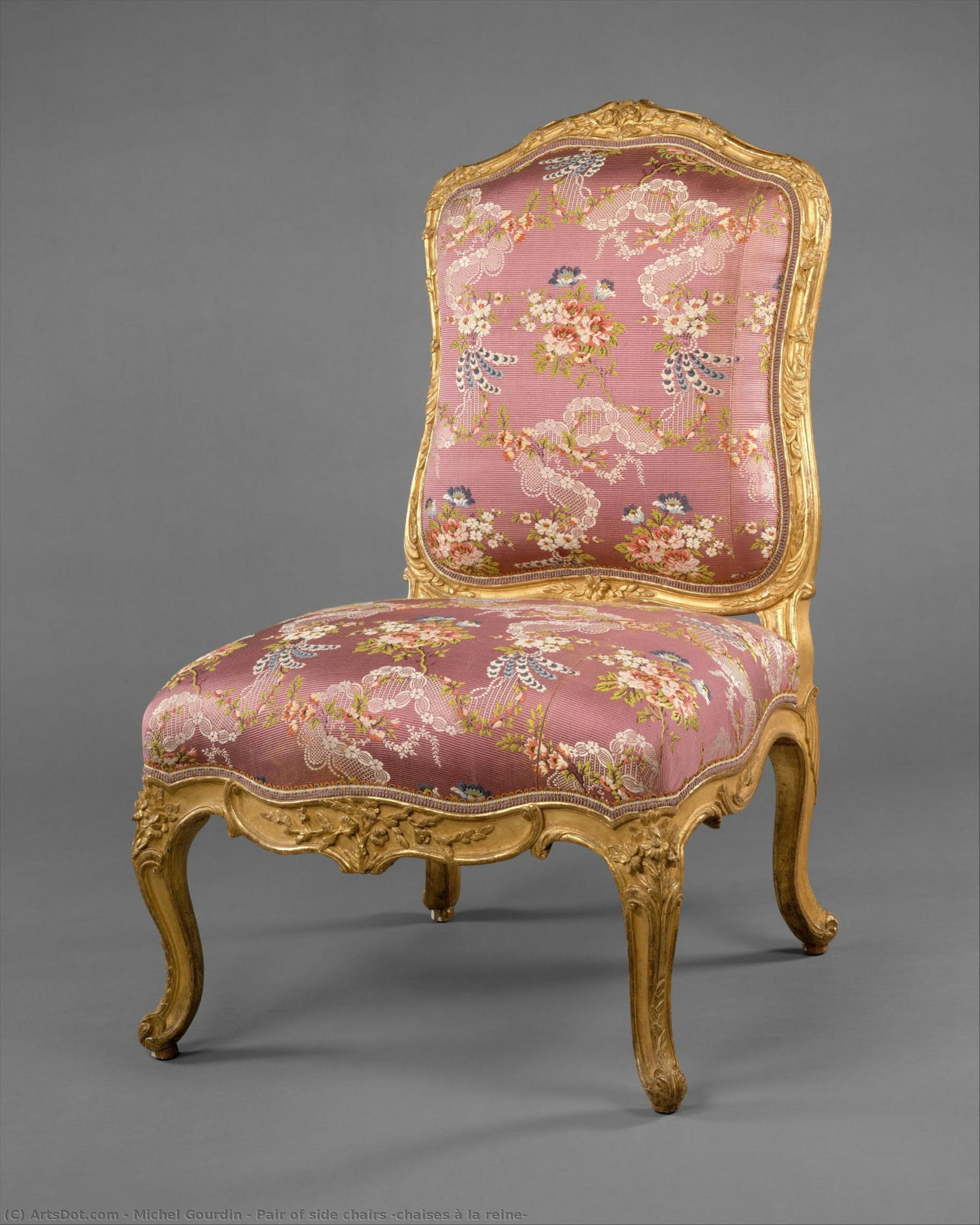
Pair of side chairs (chaises à la reine)
 Rococo
 1752
1752 92.0 x 62.0 cm
 Metropolitan Museum of Art
 Read More
Giclée / Art Print
Museum-quality giclée or canvas print with fast production and flexible finish options. ( Buy Hand Made Painting Buy Image)




































Pick from our preset sizes that match the artwork's original proportions.

You may enter your own dimensions to fit a specific frame or space. If your selected size does not match the original image's proportions, we will either crop the artwork or extend the image with a mirrored or solid-fill edge. A digital mockup will be sent for your approval before production begins.
Please note that the on-screen preview does not reflect the actual cropping or extension. Only the mockup will accurately show the final composition.
While custom sizes are available, we recommend selecting a dimension from the predefined list to preserve the original proportions.
Worldwide Delivery () in 2 weeks instead of standard 4/5 weeks. (25 August)

Free Worldwide Express Shipping

High-Quality Linen Canvas

Full Shipping Insurance

Customs Tax Refund Guarantee

True Color Matching Guarantee

60-Day Return Policy (Defects Only)

100% Money-Back Guarantee

Bulk Discount Offer
 Glass option is only available in size under 110 CM

Pair of side chairs (chaises à la reine)
Giclée / Art Print
Reproduction Size
-


Total Price
$ 63
Related Artworks

Artist Biography
Michel Gourdin: The Sculptor of Rococo Elegance
Michel Gourdin, a name perhaps less heralded than some of his contemporaries, remains a significant figure in 18th-century French art, particularly renowned for his exquisite carvings and contributions to the opulent world of Rococo furniture. Born in France – precise details regarding his birthdate and birthplace remain elusive, shrouded in the mists of historical record – Gourdin’s career unfolded during a period of immense artistic flourishing, deeply influenced by the prevailing tastes of the French court and aristocracy. His work offers a captivating glimpse into the refined sensibilities of the era, showcasing remarkable technical skill alongside an undeniable appreciation for beauty and decorative detail.Early Life and Artistic Training
Information regarding Gourdin’s early life is scarce, adding to the mystique surrounding his artistic journey. It's believed he received his initial training within a workshop environment, likely benefiting from the established traditions of French woodworking and carving. While formal documentation is limited, it’s reasonable to assume exposure to the works of earlier masters – particularly those involved in the decoration of royal residences – played a crucial role in shaping his artistic vision. The Rococo style, characterized by its asymmetrical designs, delicate ornamentation, and playful motifs, was rapidly gaining popularity during this period, and Gourdin undoubtedly absorbed these influences early on. His work demonstrates a mastery of techniques such as chip carving, incised detailing, and the skillful manipulation of wood grain to create remarkably lifelike textures and intricate patterns.The Chaises à la Reine: A Defining Masterpiece
Gourdin’s most celebrated achievement is undoubtedly his creation of the “Chaises à la Reine” (Queen's Chairs) in 1752, now housed within the collection of the Metropolitan Museum of Art. These chairs exemplify the pinnacle of Rococo design – a luxurious and extravagant side chair adorned with elaborate carvings depicting scenes from mythology and pastoral life. The intricate detailing, combined with the use of opulent fabrics, transforms these functional pieces into stunning works of art. The chairs are not merely furniture; they are miniature narratives, inviting viewers to immerse themselves in a world of aristocratic leisure and refined taste. The meticulous craftsmanship involved in their creation speaks volumes about Gourdin’s skill and dedication. Interestingly, similar designs were also created by other artisans during the same period, highlighting the widespread popularity of this particular style.Technique and Materials
Gourdin's artistry was deeply rooted in traditional woodworking techniques. He primarily worked with beechwood, a favored material for its strength, workability, and ability to accept intricate carvings. His mastery extended beyond simple carving; he employed various methods including chip carving (creating raised designs by removing small pieces of wood), incised detailing (cutting shallow lines into the surface to create patterns and textures), and meticulous gilding to enhance the visual impact of his creations. The use of ivory, often incorporated as inlays or decorative elements, further elevated the luxuriousness of his work. His ability to seamlessly blend these techniques resulted in pieces that were both visually stunning and remarkably durable.Legacy and Historical Significance
While Michel Gourdin may not be as widely recognized as some of his contemporaries – figures like Boucher or Watteau, for example – his contributions to the Rococo aesthetic are undeniable. His “Chaises à la Reine” stand as a testament to the artistry and craftsmanship of 18th-century France. His work reflects the prevailing tastes of the French court, showcasing an appreciation for elegance, ornamentation, and the integration of art into everyday life. Gourdin’s legacy lies not only in his individual masterpieces but also in his embodiment of the artistic spirit of a transformative era – a period marked by innovation, extravagance, and a profound celebration of beauty. Further research continues to uncover details about this talented artist, solidifying his place as an important contributor to French decorative arts history.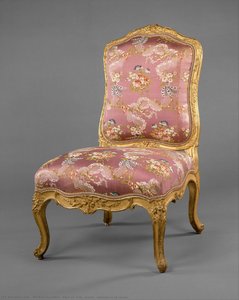
michel gourdin
France
Quick Facts
- Artistic Movement Or Style: Rococo carving
- Full Name: Michel Gourdin
- Nationality: French
- Notable Artworks: ['Pair of side chairs (chaises à la reine)']
- Place Of Birth: France
Related Articles

Rococo's Radiant Legacy: 10 Masterpieces for Your Home |
Indulge in the elegance of Rococo! Explore 10 masterpieces by Fragonard, Boucher & Watteau. Discover the stories behind these iconic paintings and bring timeless art to your home with museum-quality reproductions from .

The Rococo Aesthetic: Opulence, Rebellion & the Pursuit of Pleasure in 18th-Century Art
Explore the opulent world of Rococo art! Discover its origins, key artists like Watteau & Boucher, and lasting influence on design. Expert insights for collectors & enthusiasts.
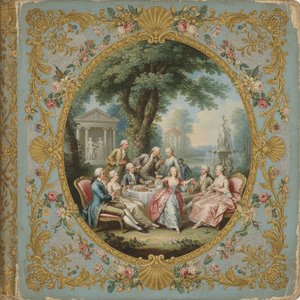
The Rococo Style: Aristocratic Leisure & the Pursuit of Delight in 18th-Century Art
Explore the opulent world of Rococo art! Discover Watteau, Boucher & Nattier's masterpieces. Expert insights for collectors seeking museum-quality reproductions and custom portraits at ArtsDot.
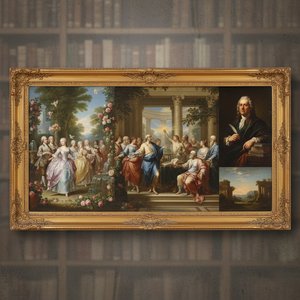
Illuminating the Enlightenment: A Comprehensive Exploration of 18th-Century Painting
Explore the captivating world of 18th-century painting! Discover Rococo's playful elegance & Neoclassicism’s Enlightenment ideals with expert insights into Fragonard, David, and more. A comprehensive guide for art enthusiasts.
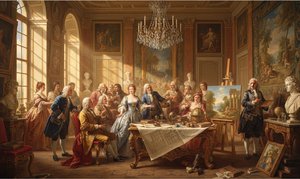
Illuminating the Enlightenment: Artistic Expression in 18th-Century Europe
Explore the artistic brilliance of the Enlightenment era! Discover Rococo's elegance & Neoclassicism’s virtue with expert insights into 18th-century masterpieces. Learn about David, Kauffmann & more.