 Preview
 Send
Send Share
Share
 Details

 Download
 Similars
 X-Ray
X-Ray Diaporama
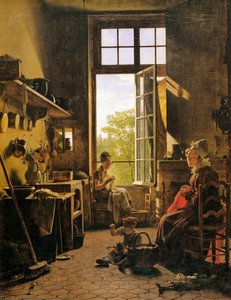
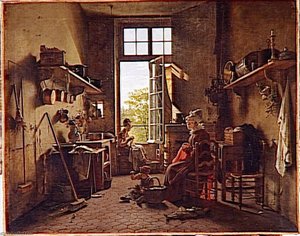
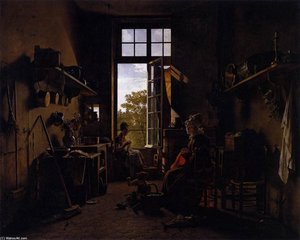
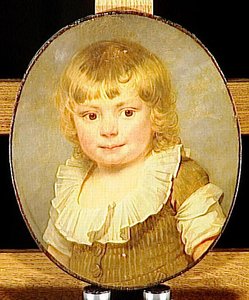
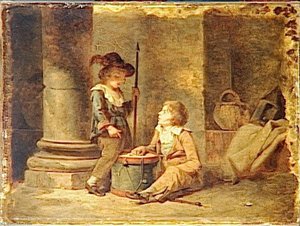
Les petits soldats


 Read More
Hand Made Oil Reproduction
Hand-painted oil on canvas in your size and frame, made to order by our artists. ( Buy Print Buy Image)




P118B $10

P118H $10

P118W $10

P438Z $10

P508JH $12

P508YH $12

P805H $10

P805Z $10

P919BZ $10

P919G $10

P919XJ $10

P959ZH $10

P968JZ $12

W106C $8

W218G $10

W218JH $8

W218Y $10

W307PJ $10

W316G $10

W316PJ $8

W316Y $10

W398PJ $8

W4111J $10

W500HY $15

W500JH $15

W692G $12

W849H $8

W940BG $15

W953PJ $8




Pick from our preset sizes that match the artwork's original proportions.

You may enter your own dimensions to fit a specific frame or space. If your selected size does not match the original image's proportions, we will either crop the artwork or extend the painting with additional hand-painted elements. A digital mockup will be sent for your approval before production begins.
Please note that the on-screen preview does not reflect the actual cropping or extension. Only the mockup will accurately show the final composition.
While custom sizes are available, we recommend selecting a dimension from the predefined list to preserve the original proportions.
After order, ArtsDot.com team will email client for instructions and provide a mockup preview
Worldwide Delivery () in 3/4 weeks instead of standard 5 weeks. (16 August). No compromise on quality.

Free Worldwide Express Shipping

High-Quality Linen Canvas

Full Shipping Insurance

Customs Tax Refund Guarantee

True Color Matching Guarantee

60-Day Return Policy (Defects Only)

100% Money-Back Guarantee

Bulk Discount Offer
 Glass option is only available in size under 110 CM

Les petits soldats
Reproduction Medium
Reproduction Size
-


Total Price
$ 288
Artwork Description
Les petits soldats – Michel Martin Drolling
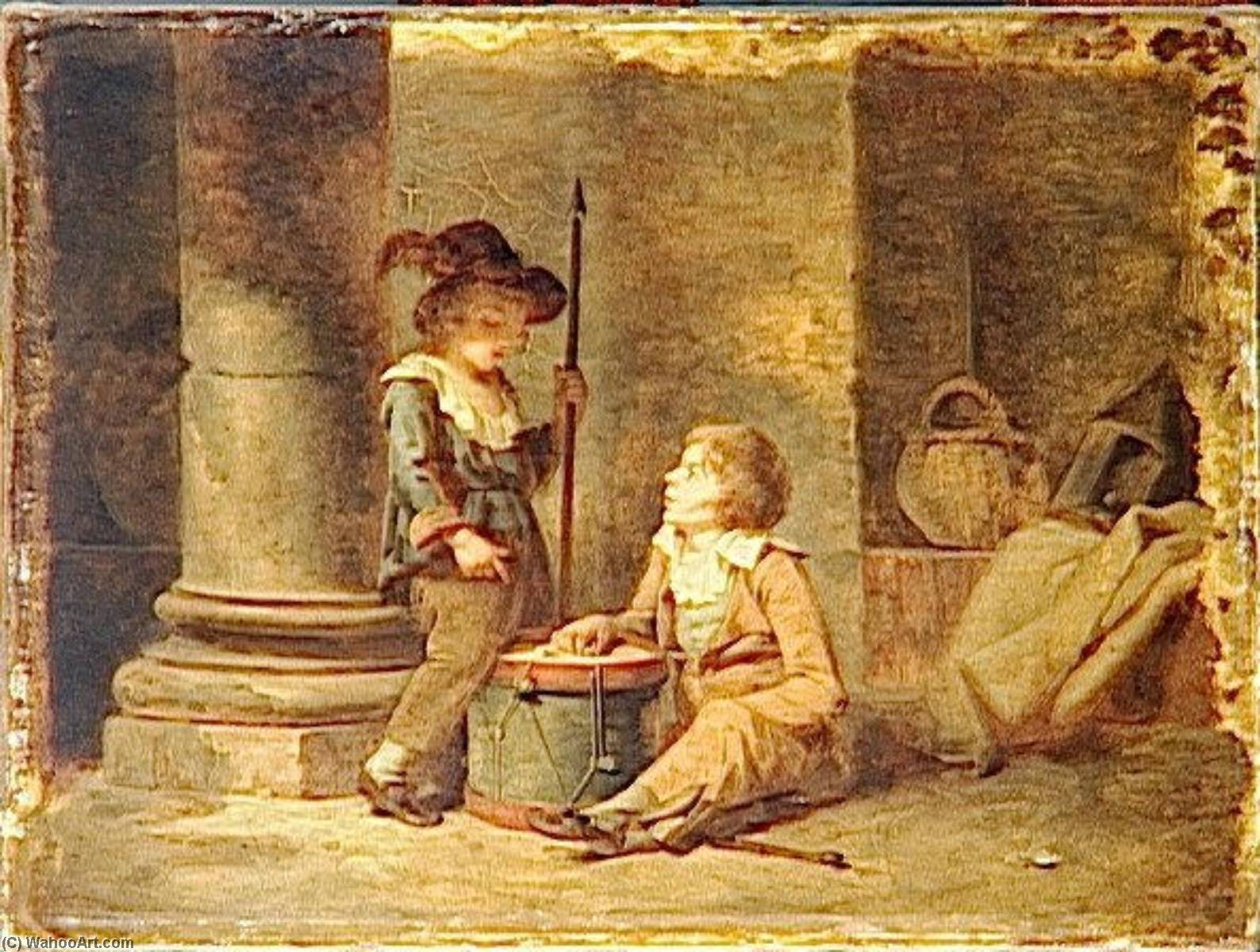
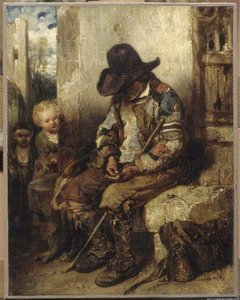
Michel Martin Drolling’s “Les petits soldats,” painted circa 1806, offers a captivating glimpse into the artistic sensibilities of early Romanticism subtly interwoven with Neoclassical principles. This unassuming depiction—two young boys playfully enacting military roles before a stone wall—holds a profound resonance that transcends its simple composition and muted color palette. It’s a piece that invites contemplation on childhood imagination and societal influences, beautifully rendered in oil paint on canvas.Composition and Technique
The artwork's central focus is undeniably the interaction between the two boys. One stands confidently holding a spear, embodying authority and preparedness, while the other sits cross-legged beside a drum—a symbol of rhythm and youthful exuberance. The architectural backdrop, represented by a weathered stone wall or column, establishes a framework for this miniature drama, grounding it in a tangible reality. Drolling skillfully employs blending brushstrokes to achieve smooth transitions between tones, avoiding the pronounced impasto characteristic of later Romantic painters. This technique contributes to an overall atmosphere of tranquility and understated elegance—a hallmark of Neoclassical style. The artist’s meticulous attention to detail is evident in the rendering of clothing textures and subtle variations in shading, demonstrating a mastery of observational drawing.Historical Context and Style
“Les petits soldats” emerged during a period marked by significant artistic shifts. While firmly rooted in Neoclassicism—a reaction against the excesses of Baroque art—the painting subtly incorporates Romantic ideals concerning emotion and narrative. The subject matter itself – children mimicking military roles – reflects broader societal concerns about education and moral development prevalent in the late 18th century. Jacques-Louis David, Drolling’s influential mentor, championed realism and idealized beauty, shaping Drolling's artistic vision and ensuring that his work adhered to the highest standards of classical art. The painting exemplifies the Romantic fascination with capturing fleeting moments of human experience—a departure from the grand narratives favored by earlier generations.Symbolism and Emotional Impact
Beyond its formal qualities, “Les petits soldats” communicates a powerful emotional message. The boys’ playful imitation of soldiers speaks to the enduring human impulse to explore roles and identities within society. Simultaneously, it evokes nostalgia for innocence and carefree childhood—themes central to Romantic art's exploration of emotion and imagination. The muted earth tones – browns, tans, creams, and yellows – reinforce this sense of tranquility and timelessness. The soft lighting suggests an indoor scene bathed in natural light, fostering a feeling of intimacy and warmth. Ultimately, Drolling’s masterpiece invites viewers to consider the formative influence of childhood experiences on shaping one's worldview—a poignant reminder of beauty found in simplicity and observation.Provenance and Significance
The artwork currently resides at Musée Boucher-de-Perthes, Abbeville, France, having been bequeathed by Mme Harold Stuart, née Simone Rivet de Clèves. Its acquisition date was 1998, marking a pivotal moment in preserving this significant piece of French artistic heritage. The painting’s inclusion in the Musée du Louvre's collection underscores its enduring value as an exemplar of Neoclassical art and Romantic sensibility—a testament to Michel Martin Drolling’s skill and vision.Related Artworks
Artist Biography
Michel Martin Drolling: A Life in Neoclassical Art
Early Life and Education
Michel Martin Drolling was born on March 7, 1786, in Paris, France. He came from an artistic family; his father, Martin Drolling, was also a painter. This familial influence sparked young Michel’s interest in art, and he began his training under his father's supervision. In 1806, he furthered his education by studying with the renowned Neoclassical artist Jacques-Louis David, a pivotal moment that shaped his artistic trajectory.The Prix de Rome and Early Career
Drolling’s talent quickly became apparent, culminating in his winning of the prestigious Prix de Rome in 1810. This award granted him a scholarship to study at the French Academy in Rome. His winning submission was “The Wrath of Achilles,” demonstrating his mastery of classical themes and techniques. After completing his studies in Rome, he returned to Paris and began establishing himself as a painter.Artistic Style and Major Works
Drolling’s paintings are characterized by the hallmarks of Neoclassicism: theatricality, bright colors, dramatic contrasts of light and shadow, and meticulous attention to detail. He excelled in both historical painting and portraiture. Some of his most significant works include:- “The Death of Abel” (1817) – This work brought him considerable recognition after its exhibition at the Salon.
- “The Lord Descends to Earth to Establish his Empire and Spread his Good Deeds” – A large-scale ceiling painting for the Room of Illustrious Men at the Louvre.
- “The States-General of Tours” (1836) and “The Convention of Alexandria” (1837) – Both commissioned for the Museum of History in the Palace of Versailles.
- “Jesus Among the Doctors” (1840) – Created for the Church of Our-Lady-of-Loretto in Paris.
Recognition and Influence
Drolling’s talent was widely acknowledged, leading to his election as a member of the Académie des Beaux-Arts in 1837. He was subsequently appointed a professor at the École Nationale Supérieure des Beaux-Arts, where he shared his knowledge and expertise with aspiring artists. His students included notable figures such as Paul Baudry, Jules Breton, Roger Fenton, and many others.Historical Significance and Legacy
Michel Martin Drolling represents a key figure in the transition from Neoclassicism to later 19th-century artistic styles. While firmly rooted in classical principles, his work also foreshadows some of the dramatic flair that would characterize Romanticism. His large-scale historical paintings contributed significantly to the visual narrative of French history and national identity during a period of political and social change. He died in Paris on January 9, 1851, leaving behind a legacy of skillfully executed and historically significant artworks.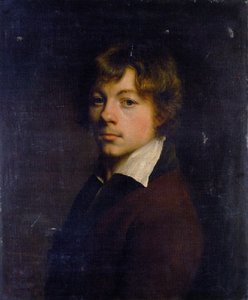
Michel Martin Drolling
1786 - 1851 , France
Quick Facts
- Birth Date: 1786
- Birth Place: Paris, France
- Death Date: 1851
- Influenced:
- Paul Baudry
- Victor Biennourry
- Jules Breton
- Theodor Aman
- Roger Fenton
- Influenced By: Jacques-Louis David
- Movement: Neoclassicism
- Name: Michel Martin Drolling
- Nationality: French
- Notable Works:
- The Wrath of Achilles
- Death of Abel
- Lord Descends to Earth
- States-General of Tours
- Convention of Alexandria
- Jesus Among the Doctors
Related Articles

The Enduring Legacy of Oil on Canvas: Technique, History & Aesthetic Impact
Explore the rich history & techniques of oil painting – from Renaissance masters to Impressionism. Discover pigments, layering methods, and why this timeless medium endures. Expert insights for artists & art enthusiasts.

Oil on Canvas: A Historical & Technical Exploration of a Timeless Artistic Medium
Explore the rich history & enduring techniques of oil painting on canvas. Discover the science behind its longevity, conservation practices, and contemporary relevance. Expert insights for art enthusiasts.

The Enduring Power of Painting: A Historical & Contemporary Exploration of Form and Emotion
Explore the rich history & enduring techniques of oil painting with ArtsDot. Discover masterpieces, learn about art collecting, and find authentic handmade reproductions crafted by skilled artists.

The Enduring Legacy of Oil on Canvas: Technique, History & Contemporary Practice
Explore the rich history & enduring techniques of oil painting on canvas. Discover the science behind its longevity, conservation practices, and contemporary relevance. Expert insights for art enthusiasts.

Playful Masterpieces: Top 10 Artworks for a Joyful Home | ArtsDot
Find joy & inspiration! Explore 10 playful masterpieces by Monet, Matisse & more. Discover art history, vibrant colors & uplifting stories behind these iconic paintings. Museum-quality reproductions at ArtsDot.com – explore the full collection online!