 Preview
 Send
Send Share
Share
 Details

 Download
 Similars
 X-Ray
X-Ray Diaporama
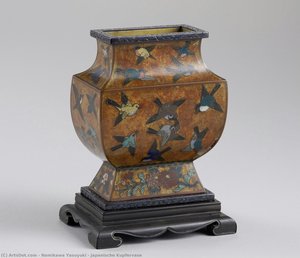
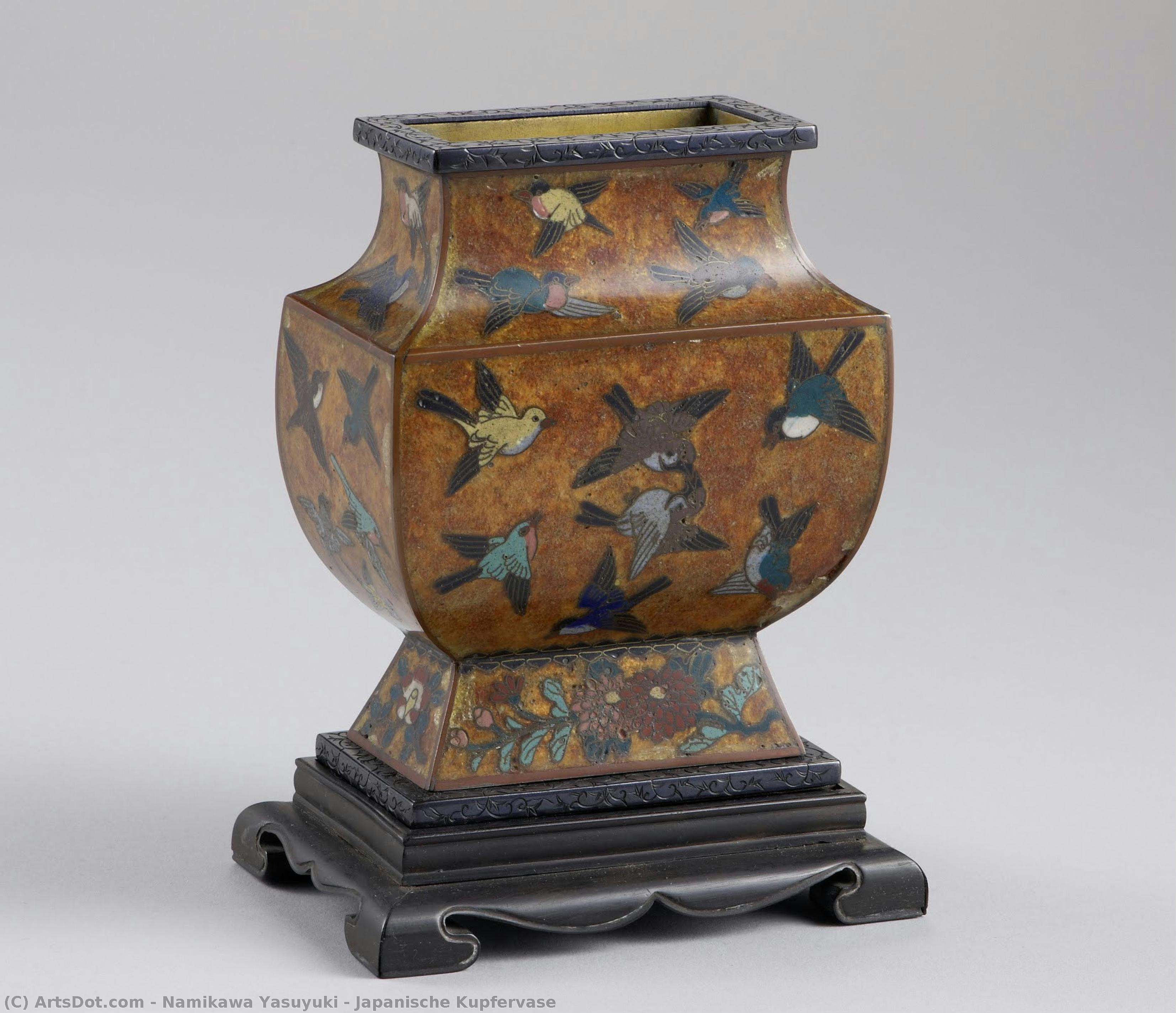
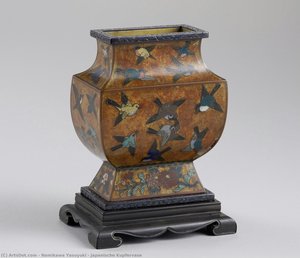
Japanische Kupfervase


 Read More
Hand Made Oil Reproduction
Hand-painted oil on canvas in your size and frame, made to order by our artists. ( Buy Print Buy Image)




































Pick from our preset sizes that match the artwork's original proportions.

You may enter your own dimensions to fit a specific frame or space. If your selected size does not match the original image's proportions, we will either crop the artwork or extend the painting with additional hand-painted elements. A digital mockup will be sent for your approval before production begins.
Please note that the on-screen preview does not reflect the actual cropping or extension. Only the mockup will accurately show the final composition.
While custom sizes are available, we recommend selecting a dimension from the predefined list to preserve the original proportions.
After order, ArtsDot.com team will email client for instructions and provide a mockup preview
Worldwide Delivery () in 3/4 weeks instead of standard 5 weeks. (22 August). No compromise on quality.

Free Worldwide Express Shipping

High-Quality Linen Canvas

Full Shipping Insurance

Customs Tax Refund Guarantee

True Color Matching Guarantee

60-Day Return Policy (Defects Only)

100% Money-Back Guarantee

Bulk Discount Offer
 Glass option is only available in size under 110 CM

Japanische Kupfervase
Reproduction Medium
Reproduction Size
-


Total Price
$ 263
Artwork Description
Related Artworks
Artist Biography
The Master of Enamel: The Life and Legacy of Namikawa Yasuyuki
In the twilight of the Edo period and the dawn of the Meiji era, a transformative energy swept through Japan, reshaping its traditional crafts for a global stage. At the heart of this artistic renaissance stood Namikawa Yasuyuki, a man whose hands possessed the rare ability to trap light within glass. Born in Kyoto in 1845 into a family steeped in artistic tradition, Yasuyuki’s journey began far from the delicate workshops of enamelers; he was originally a samurai. This background of discipline and precision would later become the bedrock of his meticulous approach to cloisonné, an art form requiring unparalleled patience and an exacting eye for detail.
As the social structures of Japan shifted, so too did Yasuyuki’s vocation. By 1868, he began transitioning into the world of professional artistry, initially honing his skills with the Kyoto Cloisonné Company. His talent was nothing short of meteoric. Between 1875 and 1915, he garnered accolades at fifty-one different exhibitions, ranging from Japan’s National Industrial Exhibition to the grand stages of international world's fairs. This period, spanning roughly from 1890 to 1910, is celebrated by historians as the "Golden Age" of Japanese enamels, a time when the shimmering, vitreous surfaces of cloisonné became a sensation across Europe and America.
A Symphony of Color and Technique
To behold a piece by Namikawa Yasuyuki is to witness a masterclass in technical innovation. His work is defined by an extraordinary use of color and a mastery of the cloisonné technique, where fine metal wires are soldered to a base to create intricate cells that are then filled with colored enamel paste. Yasuyuki pushed the boundaries of this medium, often employing marmored enamel—a complex process that creates swirling, stone-like patterns—to provide a breathtaking backdrop for his subjects. His compositions frequently featured delicate birds, seasonal flora, and ethereal landscapes, all rendered with a precision that blurred the line between craft and fine painting.
The artist’s dedication to his craft was so profound that he famously invited visitors, including the renowned English writer Rudyard Kipling, to tour his workshop. These tours were not merely displays of production but curated experiences designed to introduce international guests to Japanese aesthetics. He would guide observers through the arduous stages of creation, even demonstrating the use of fourteen different polishing stones, each with a specific roughness, used in sequence to achieve a mirror-like finish. This transparency of process underscored the profound labor and soul embedded in every vase and box he produced.
Imperial Recognition and Enduring Influence
The pinnacle of Yasuyuki’s professional life arrived in 1896, when he was appointed an Imperial Household Artist. This prestigious designation, held by only a select few, granted him a yearly stipend from the Emperor and tasked him with creating exquisite presentation wares to be gifted to foreign dignitaries. Under this mantle, his work became a symbol of Japanese diplomatic elegance. He often signed his most celebrated pieces with the mark Kyoto Namikawa, a testament to his pride in his origins and his status as a premier representative of Kyoto’s artistic heritage.
Though the decline of foreign demand following the Meiji era eventually led to the closure of his workshop in 1923, Yasuyuki’s impact on the world of decorative arts remains indelible. His legacy is preserved not only in the prestigious collections of museums like the Murauchi Art Museum but also in the very DNA of Japanese enamelwork. He transformed a traditional craft into a high art form that captured the imagination of the world, leaving behind a luminous trail of glass and gold that continues to captivate collectors and admirers centuries later.
namikawa yasuyuki
1845 - 1927 , Japan
Quick Facts
- Artistic Movement Or Style: Realism
- Artists Or Movements Influenced By This Artist: ['Arthur Elsley']
- Artists Who Influenced This Artist: ['Walter Crane']
- Date Of Birth: 1845
- Date Of Death: 1894
- Full Name: Charles Burton Barber
- Nationality: British
- Notable Artworks:
- Suspense
- Off To School
- Queen Victoria with John Brown
- Place Of Birth: Great Yarmouth, Norfolk
Related Articles
Copper Hues & Masterpieces: 10 Iconic Paintings for Timeless Home Decor
Explore 10 iconic paintings bathed in rich copper tones! From Rembrandt to Klimt, discover the stories behind these masterpieces & their warm color palettes. Find museum-quality art reproductions for your home at ArtsDot.com.
Serenity on Canvas: A Guide to the Timeless Beauty of Japanese Landscape Painting
Discover the serene beauty of Japanese landscape painting. From Hokusai's iconic woodblock prints to meditative sumi-e ink washes, explore a visual journey through the 'floating world' and learn how to bring this timeless Zen aesthetic into your modern home decor.

Hokusai's Masterpieces: 25 Iconic Prints & Paintings for Art Lovers | ArtsDot
Journey through Katsushika Hokusai’s 25 most iconic artworks, including *The Great Wave*. Explore the ukiyo-e master's history, style & timeless Japanese woodblock prints. Find museum-quality reproductions for your home at ArtsDot.com.
Floating World: The Captivating Art and Legacy of Japanese Ukiyo-e
Explore the profound beauty of Japanese Ukiyo-e. Discover the history, masters like Hokusai, and the enduring legacy of the 'Floating World' through an expert art-historical lens.
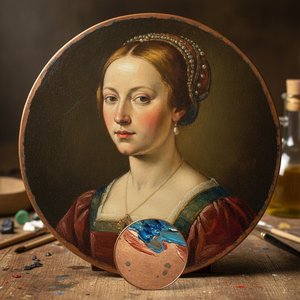
The Luminous Legacy of Oil on Copper: Unveiling the Rare Medium of Renaissance Brilliance
Discover the breathtaking brilliance of oil on copper. Explore how this rare Renaissance medium creates unmatched luminosity and depth, perfect for collectors seeking timeless elegance and museum-quality mastery in their home decor.