 Preview
 Send
Send Share
Share
 Details

 Download
 Similars
 X-Ray
X-Ray Diaporama
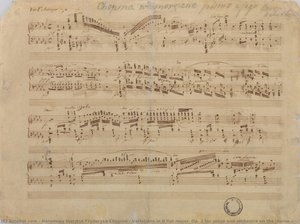
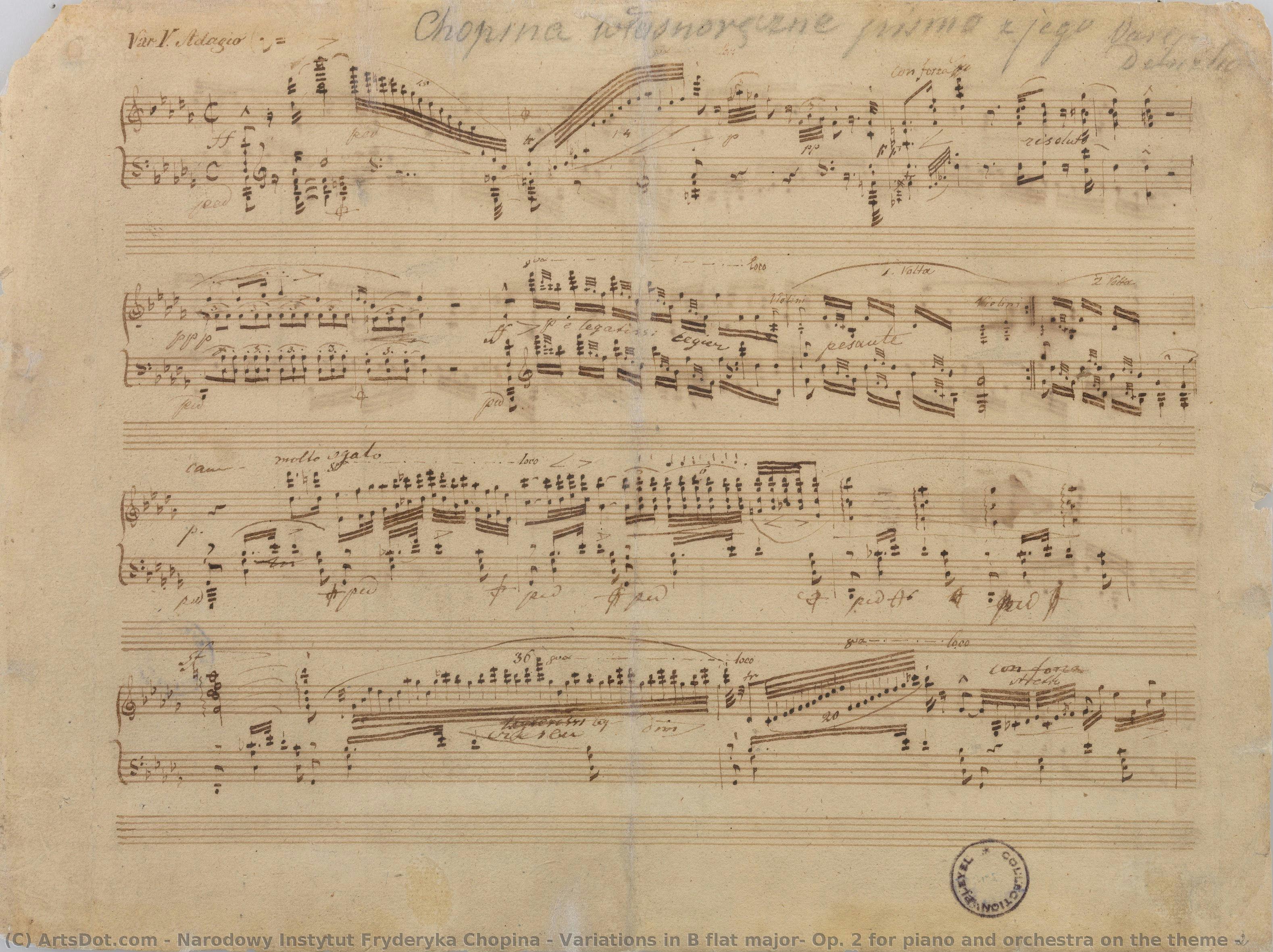
Variations in B flat major, Op. 2 for piano and orchestra on the theme


 Read More
Giclée / Art Print
Museum-quality giclée or canvas print with fast production and flexible finish options. ( Buy Hand Made Painting Buy Image)




































Pick from our preset sizes that match the artwork's original proportions.

You may enter your own dimensions to fit a specific frame or space. If your selected size does not match the original image's proportions, we will either crop the artwork or extend the image with a mirrored or solid-fill edge. A digital mockup will be sent for your approval before production begins.
Please note that the on-screen preview does not reflect the actual cropping or extension. Only the mockup will accurately show the final composition.
While custom sizes are available, we recommend selecting a dimension from the predefined list to preserve the original proportions.
Worldwide Delivery () in 2 weeks instead of standard 4/5 weeks. (29 August)

Free Worldwide Express Shipping

High-Quality Linen Canvas

Full Shipping Insurance

Customs Tax Refund Guarantee

True Color Matching Guarantee

60-Day Return Policy (Defects Only)

100% Money-Back Guarantee

Bulk Discount Offer
 Glass option is only available in size under 110 CM

Variations in B flat major, Op. 2 for piano and orchestra on the theme
Giclée / Art Print
Reproduction Size
-


Total Price
$ 63
A Melodic Manuscript: The Soul of Chopin’s Legacy
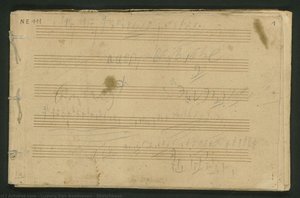
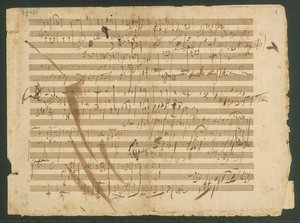
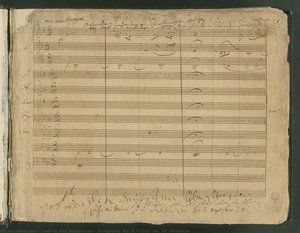
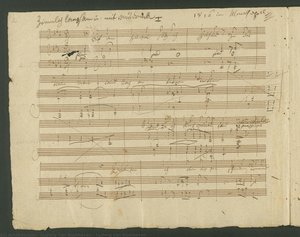
In the quiet intersection where visual history meets auditory brilliance, there exists a profound beauty found within the handwritten notes of Variations in B flat major, Op. 2. This exquisite musical manuscript, preserved by the Narodowy Instytut Fryderyka Chopina, serves as more than just a technical blueprint for performance; it is a tangible connection to the very heartbeat of Romanticism. As one gazes upon the delicate, flowing script and the rhythmic dance of notes scattered across the aged paper, there is an immediate sense of witnessing a private moment of creation. The sheet music captures the essence of a composer’s intent, where every ink stroke carries the weight of emotional depth and structural complexity, inviting the viewer to hear the music through their eyes.
The aesthetic allure of this piece lies in its organic, antique texture. The handwritten nature of the score provides a sense of intimacy that printed music simply cannot replicate. For the collector or the lover of fine arts, the visual rhythm of the musical notation creates a natural, abstract pattern—a symphony of black ink against a weathered, parchment-like background. This composition possesses an inherent elegance that transcends its functional purpose, offering a sophisticated layer of intellectual and historical depth to any curated space.
Timeless Elegance for the Discerning Interior
For interior designers and connoisseurs of classical aesthetics, this reproduction offers a unique opportunity to introduce a narrative of cultural prestige into a room. The piece functions as a window into the 19th-century musical tradition, making it an ideal centerpiece for libraries, music rooms, or sophisticated study areas. Its neutral, sepia-toned palette and intricate linework allow it to integrate seamlessly with various decor styles, from the grandeur of Neoclassical settings to the minimalist charm of modern galleries.
Beyond mere decoration, displaying such a work is an act of storytelling. It evokes the atmosphere of a Warsaw salon, where the echoes of piano melodies once filled the air with passion and melancholy. When placed within a home, this artwork serves as a conversation starter, bridging the gap between the tactile world of art and the ethereal world of sound. It provides a sense of tranquility and intellectual stimulation, making it an invaluable acquisition for those seeking to surround themselves with pieces that possess both historical gravity and enduring grace.
Related Artworks
Artist Biography
A Legacy Reborn from the Ashes
In the wake of the profound devastation that swept through Poland following World War II, there arose a necessity not only to rebuild physical structures but to resurrect the very soul of a nation. It was within this atmosphere of reconstruction and cultural longing that the Narodowy Instytut Fryderyka Chopina was established in 1945. This institution was never intended to be a mere archive; it was conceived as a living, breathing guardian of Frédéric Chopin’s incomparable musical spirit. By anchoring itself in Warsaw, the composer's birthplace, the Institute sought to weave the threads of his Romantic genius back into the fabric of Polish identity, ensuring that the delicate melodies of his nocturnes and the thunderous power of his polonaises would never fade from the global consciousness.The Sanctuary of Sound and Script
To step into the world curated by the Institute is to enter a sanctuary where history and melody converge. Within its halls, particularly in the breathtaking Fryderyk Chopin Museum nestled in the Łazienki Palace Gardens, visitors encounter the tangible remnants of a musical era. The Institute serves as a custodian for precious manuscripts, such as the exquisite Variations in B flat major, Op. 2, where the rhythmic dance of ink on aged parchment offers a window into the composer's private moments of creation. This meticulous preservation extends beyond paper to include:- Historical Artifacts: Reconstructed interiors and instruments that evoke the atmosphere of Chopin’s daily life.
- Scholarly Research: A dedicated effort to study the evolution of Romanticism through Chopin's technical innovations.
- Musical Publications: The dissemination of scores and monographs that continue to inform musicians worldwide.
Through these efforts, the Institute transforms the act of historical study into an immersive sensory experience, allowing the modern observer to hear the music through their eyes.
A Global Resonance
The influence of the Narodowy Instytut Fryderyka Chopina extends far beyond the borders of Poland, reaching every corner of the musical world. Perhaps its most illustrious achievement is the biennial Chopin Piano Competition, a prestigious event that serves as both a global stage for emerging virtuosos and an incubator for the next generation of legends. This competition does more than showcase technical prowess; it upholds the very essence of Chopin's artistic excellence, inviting pianists to interpret his works with the same emotional depth that defined his life. As the Institute continues to bridge the gap between the 19th-century Romantic tradition and the contemporary era, it remains an indispensable pillar of European culture, ensuring that the heartbeat of Chopin’s music continues to pulse through the halls of history.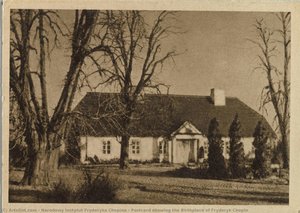
narodowy instytut fryderyka chopina
1945 - , Poland
Quick Facts
- Artistic Movement Or Style: Romantic music
- Artists Or Movements Influenced By This Artist: ['Romanticism']
- Artists Who Influenced This Artist:
- Ludwig van Beethoven
- Franz Schubert
- Date Of Birth: March 1, 1810
- Date Of Death: October 17, 1849
- Full Name: Fryderyk Franciszek Chopin
- Nationality: Polish
- Notable Artworks:
- Nocturne No. 2 in E-flat Major, Op. 9 No. 2
- Piano Sonata No. 14 in C Minor, Op. 27 No. 2
- Prelude No. 4 in E Major
- Place Of Birth: Warsaw, Poland
Related Articles
Harmonies on Canvas: Exploring the Visual Representation of Music in Art History
Explore the fascinating history of music's visual representation in art! From ancient symbolism to modern abstraction, discover how artists have captured sound and emotion on canvas. Expert insights & stunning examples.
Neo-Classicism's Greatest Hits: 10 Masterpieces for Your Home |
Journey through Neo-Classicism's finest! Explore 10 iconic masterpieces by David, Ingres & Canova. Discover art history, techniques & timeless beauty – perfect for inspiring your home decor. Find museum-quality reproductions at
The Enduring Legacy of Classicism: Principles, Evolution & Influence in Western Art
Explore the enduring legacy of Classicism in Western art! Discover its historical context, key principles, iconic masterpieces & lasting influence. Learn about Renaissance and Neoclassical movements with ArtsDot.
Timeless Resonance: Exploring Classic Vibe in Art – A Historical & Aesthetic Analysis
Explore the rich history & enduring aesthetic of Classicism art! Discover key movements, iconic artists like Raphael & David, and its lasting influence on Western art. Deepen your appreciation today.
Echoes of Time: Nostalgia, Technique & Cultural Significance in Vintage Paintings
Explore the captivating world of vintage paintings! Discover key styles, cultural significance & collecting tips from art experts at ArtsDot. Find authentic reproductions and elevate your home décor.