

 Preview
 Send
Send Share
Share
 Details

 Download
 Similars
 X-Ray
X-Ray Diaporama
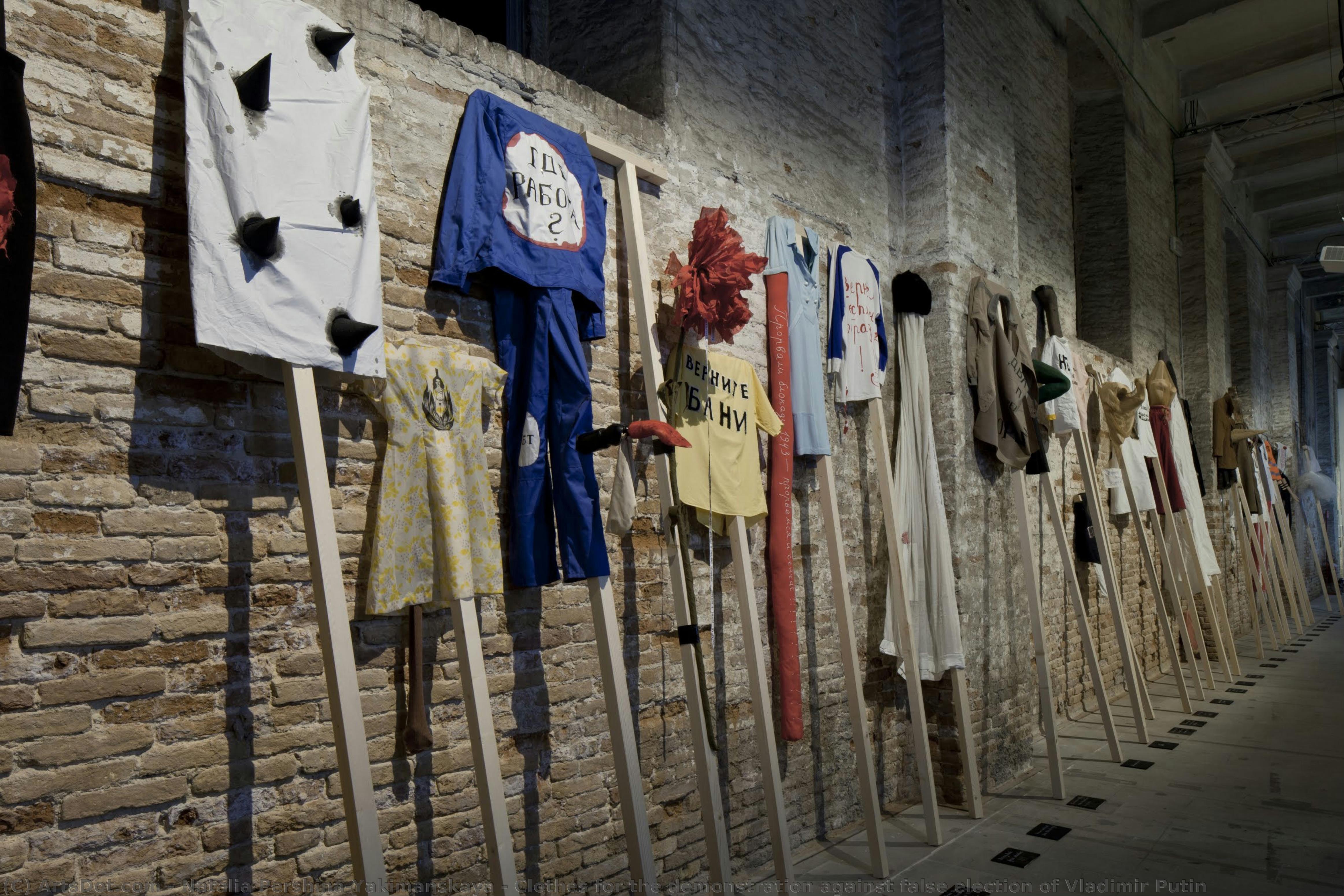
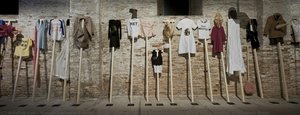
Clothes for the demonstration against false election of Vladimir Putin


 Read More
Giclée / Art Print
Museum-quality giclée or canvas print with fast production and flexible finish options. ( Buy Hand Made Painting Buy Image)




P118B $10

P118H $10

P118W $10

P438Z $10

P508JH $12

P508YH $12

P805H $10

P805Z $10

P919BZ $10

P919G $10

P919XJ $10

P959ZH $10

P968JZ $12

W106C $8

W218G $10

W218JH $8

W218Y $10

W307PJ $10

W316G $10

W316PJ $8

W316Y $10

W398PJ $8

W4111J $10

W500HY $15

W500JH $15

W692G $12

W849H $8

W940BG $15

W953PJ $8




Pick from our preset sizes that match the artwork's original proportions.

You may enter your own dimensions to fit a specific frame or space. If your selected size does not match the original image's proportions, we will either crop the artwork or extend the image with a mirrored or solid-fill edge. A digital mockup will be sent for your approval before production begins.
Please note that the on-screen preview does not reflect the actual cropping or extension. Only the mockup will accurately show the final composition.
While custom sizes are available, we recommend selecting a dimension from the predefined list to preserve the original proportions.
Worldwide Delivery () in 2 weeks instead of standard 4/5 weeks. (22 August)

Free Worldwide Express Shipping

High-Quality Linen Canvas

Full Shipping Insurance

Customs Tax Refund Guarantee

True Color Matching Guarantee

60-Day Return Policy (Defects Only)

100% Money-Back Guarantee

Bulk Discount Offer
 Glass option is only available in size under 110 CM

Clothes for the demonstration against false election of Vladimir Putin
Giclée / Art Print
Reproduction Size
-


Total Price
$ 63
Collectible Description
A Stitch in Time: Exploring GLUKLYA’s “Clothes for the Demonstration Against False Election”
GLUKLYA’s “Clothes for the Demonstration Against False Election,” created in 2015, isn't merely a painting; it’s an immersive experience designed to provoke reflection on political activism and societal vulnerability. Painted by Natalia Pershina-Yakimanskaya (born 1969), this artwork delves into the intersection of art, social justice, and the enduring influence of Soviet ideology.
- Subject Matter: The centerpiece is a wall adorned with garments—primarily white dresses—representing individuals involved in protesting against Vladimir Putin’s electoral fraud claims. These aren't simply clothes; they embody narratives of struggle and aspiration for a fairer future.
- Style & Technique: Pershina-Yakimanskaya employs a bold, graphic style characterized by stark contrasts between light and dark. The meticulous layering of fabric textures—ranging from rough burlap to smooth satin—creates visual depth while simultaneously emphasizing the fragility inherent in both material and human endeavor.
Historical Context: Echoes of Soviet Feminism
Born in Leningrad during the waning years of the USSR, Pershina-Yakimanskaya’s artistic sensibilities were profoundly shaped by the debates surrounding Soviet feminism—specifically the Factory of Found Clothes (FCC) collective's assertion that “The place of the artist is by the side of the weak.” This manifesto underscored the importance of empathy and solidarity in achieving social reform.
- FCC’s Motif: FCC’s recurring image of a diminutive white dress symbolizes acceptance of vulnerability—a deliberate rejection of Soviet ideals that prioritized strength and dominance.
- Soviet Ideology's Influence: The artwork subtly references the USSR’s failed promise of equal labor for women, highlighting how artistic representations can critique societal norms and aspirations.
Symbolism Beyond Clothing
Beyond the literal depiction of garments, “Clothes for the Demonstration Against False Election” operates on multiple symbolic levels. The abandoned construction site represents a yearning for autonomy—a desire to escape restrictive environments and forge independent paths. Simultaneously, the juxtaposition of Russian high art and grueling physical labor underscores the transformative potential of artistic engagement.
- Migration Narrative: The video installation “Wings of Migrants” portrays the collaboration between professional dancers and unskilled migrants from Central Asia—a poignant illustration of empathy bridging cultural divides.
- Utopian Vision: FCC’s ongoing performance “Utopian Clothes Shop” translates personal stories into visual representations, prompting viewers to contemplate the complexities of human experience and social change.
Emotional Impact & Artistic Legacy
"Clothes for the Demonstration Against False Election" transcends mere aesthetic appeal; it compels contemplation on themes of resilience, vulnerability, and the pursuit of justice. GLUKLYA’s masterful blend of technique and symbolism secures her place as a significant voice in contemporary art—one committed to confronting uncomfortable truths and fostering connections across cultures.
Related Artworks
Artist Biography
Kara Walker: Unearthing Histories Through Shadow and Silhouette
Kara Walker is a singular voice in contemporary art, a name synonymous with unsettling beauty, potent social commentary, and the masterful manipulation of silhouette. Born in November 1969, her work has consistently challenged viewers to confront uncomfortable truths about race, gender, sexuality, violence, and the enduring legacy of American history. Walker’s journey from early explorations of photography and drawing to her now-iconic room-sized tableaux is a testament to her evolving artistic vision – one deeply rooted in research, meticulous craft, and a willingness to grapple with difficult subjects.Early influences shaped Walker's distinctive style. Growing up in Atlanta, Georgia, she was immersed in the rich tapestry of Southern folklore, particularly the traditions of storytelling and visual representation that often served as both entertainment and reinforcement of social hierarchies. This environment fostered a keen awareness of power dynamics and the ways in which narratives are constructed – a sensibility that would become central to her artistic practice. Her initial explorations involved photography, specifically documenting the architecture and landscapes of the American South, but it was through the medium of cut paper silhouettes that she truly found her voice.
The Rise of the Silhouette Room
Walker’s breakthrough came with the creation of her “Darkytown Rebellion” series in the 1990s. These monumental room-sized installations, often described as "shadow plays," are constructed entirely from black cut paper silhouettes depicting scenes of antebellum slavery and its aftermath. The figures, rendered in a deceptively elegant style reminiscent of 18th-century portraiture, are placed within meticulously recreated interiors – grand ballrooms, opulent plantations, and unsettlingly familiar domestic spaces. The stark contrast between the delicate beauty of the silhouettes and the brutal realities they represent is profoundly disturbing, forcing viewers to confront the complexities of American history without offering easy answers or comfortable resolutions.- Technique: Walker’s process is incredibly labor-intensive. Each silhouette is painstakingly cut by hand from black paper, a meticulous and time-consuming undertaking that underscores the dedication and precision required to execute her ambitious installations.
- Scale & Immersion: The sheer scale of these room-sized environments creates an immersive experience for the viewer, drawing them into the narratives depicted within.
- Symbolism: Walker’s use of silhouettes is not merely a stylistic choice; it's a deliberate strategy to strip away individual identities and focus on broader themes of power, oppression, and representation.
Critical Acclaim and Artistic Recognition
Walker’s work quickly garnered critical acclaim and significant recognition. In 1997, at the age of 28, she received a MacArthur Fellowship – often referred to as a “genius grant” – a remarkable achievement for an emerging artist. This award not only provided financial support but also served to elevate her profile within the art world and solidify her position as one of the most important contemporary artists working today. Her work has been exhibited extensively in museums and galleries around the globe, including the Tate Modern in London, the Museum of Contemporary Art in Chicago, and the Whitney Museum of American Art in New York City.Beyond the Silhouette: Expanding Artistic Boundaries
While her silhouette installations remain Walker’s most recognizable work, she has consistently expanded her artistic practice beyond this singular medium. She has created prints, drawings, films, and performance pieces that explore similar themes of race, gender, and violence, often employing a wider range of materials and techniques. Her recent projects have delved into the history of American tourism and the construction of racial stereotypes, further demonstrating her commitment to challenging dominant narratives and prompting critical reflection.A Legacy of Confrontation and Complexity
Kara Walker’s art is not designed to provide easy answers or comfortable viewing experiences. Instead, it demands engagement, provocation, and a willingness to confront the uncomfortable truths about American history and its ongoing impact on contemporary society. Her work serves as a powerful reminder that silence is complicity and that confronting difficult histories is essential for building a more just and equitable future. As an artist who continues to push boundaries and challenge conventions, Kara Walker remains a vital voice in the 21st century art world, ensuring that the stories of the past continue to resonate with urgency and power.
natalia pershina-yakimanskaya
1969 - , Russia
Quick Facts
- Artistic Movement Or Style: Silhouettist, installation artist
- Artists Or Movements Influenced By This Artist: ['Fons Americanus']
- Artists Who Influenced This Artist: ['Augustus Saint-Gaudens']
- Date Of Birth: November 26, 1969
- Full Name: Kara Elizabeth Walker
- Nationality: American
- Notable Artworks:
- Darkytown Rebellion
- no place (like home)
- Place Of Birth: United States
Related Articles
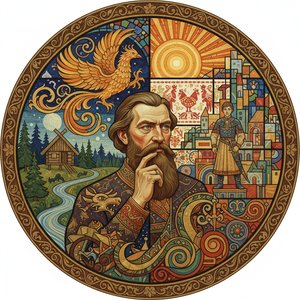
Ivan Bilibin: A Synthesis of Folklore, Modernism & National Identity in Russian Illustration
Explore the enchanting world of Ivan Bilibin, a master Russian illustrator who synthesized folklore, Art Nouveau & national identity. Discover his iconic fairy tale illustrations and legacy with ArtsDot.
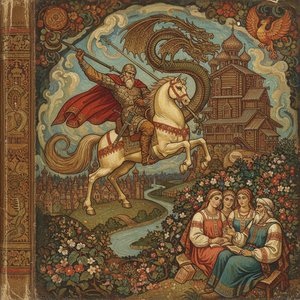
Victor Vasnetsov: Myth, Nationalism & the Revival of Russian Fairy Tale Painting
Explore the captivating world of Victor Vasnetsov, a co-founder of Russian folklorist painting. Discover his iconic works, influence on national identity, and lasting legacy in this expert guide.
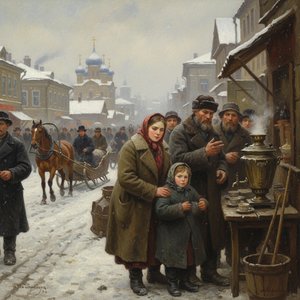
Vladimir Makovsky: Realism, Social Commentary & Russian Life in Late 19th-Century Painting
Explore the captivating world of Vladimir Makovsky, a leading Russian realist painter. Discover his insightful depictions of 19th-century life, social commentary & legacy with ArtsDot.
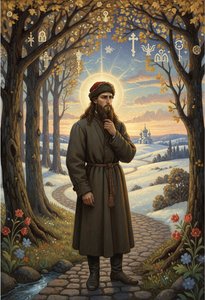
Mikhail Nesterov: Spiritual Quests & Symbolic Landscapes of Russian Symbolism
Explore the captivating world of Mikhail Nesterov, a pioneer of Russian Symbolism. Discover his spiritual themes, iconic paintings like 'The Hermit,' and lasting influence on Russian art history. Learn more at ArtsDot.
Igor Grabar: Bridging Impressionism & National Identity in Russian Modern Art
Explore the life & art of Igor Grabar, a pivotal figure in Russian Modernism. Discover his Impressionist landscapes, crucial role in art history, and legacy at the Tretyakov Gallery. A deep dive into a master painter & scholar.

