 Preview
 Send
Send Share
Share
 Details

 Download
 Similars
 X-Ray
X-Ray Diaporama
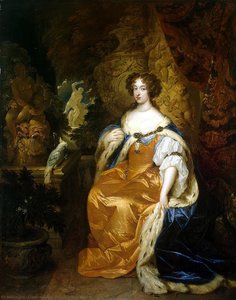
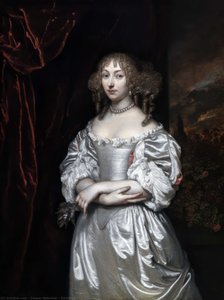
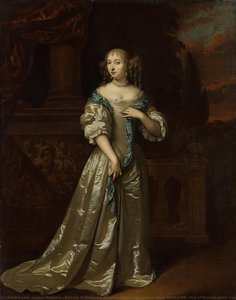
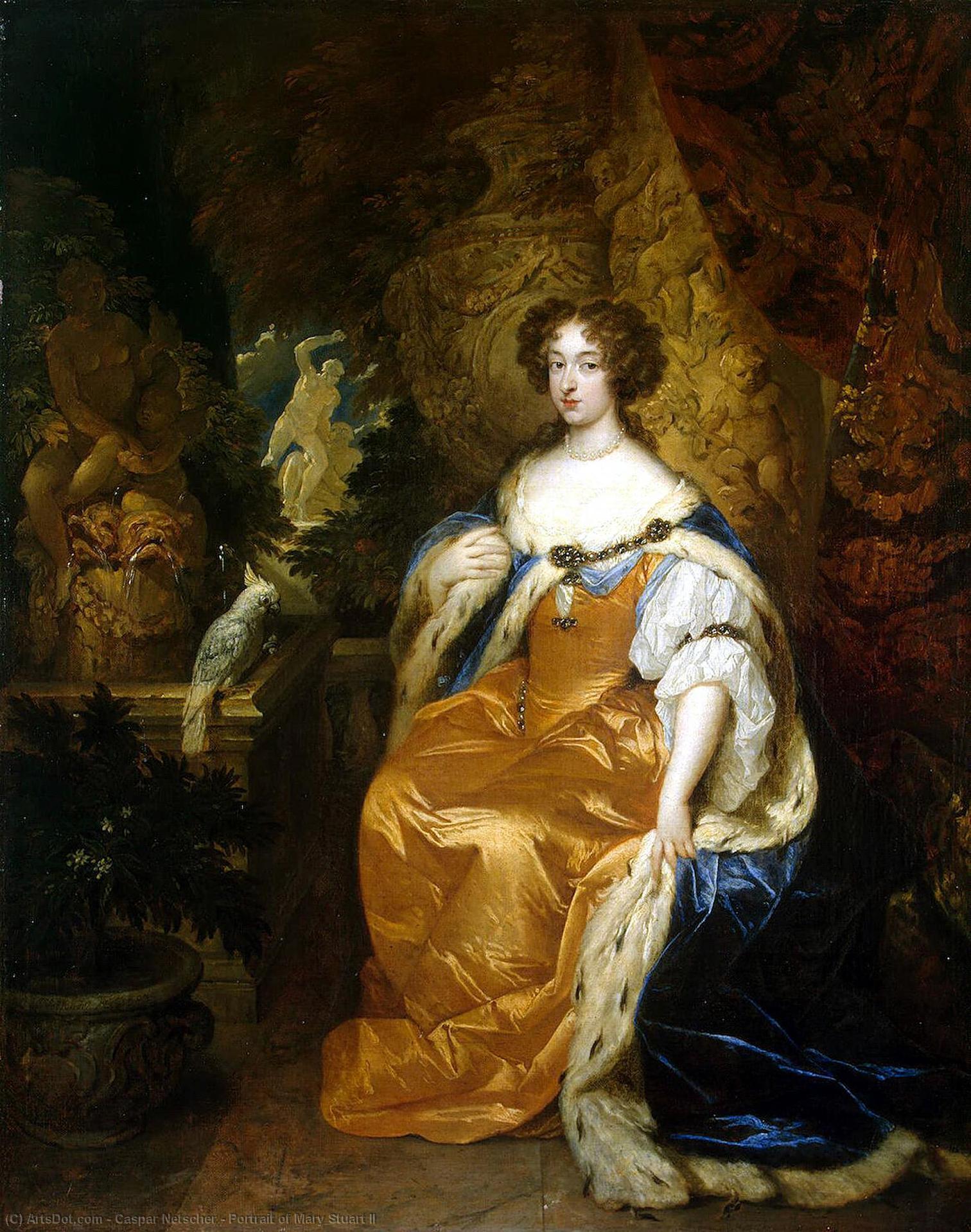
Portrait of Mary Stuart II
 Oil On Canvas
- WallArt
- Baroque
 1683
1683- Early Modern
 81.0 x 64.0 cm
 Hermitage Museum
 Read More
Hand Made Oil Reproduction
Hand-painted oil on canvas in your size and frame, made to order by our artists. ( Buy Print Buy Image)




P118B $10

P118H $10

P118W $10

P438Z $10

P508JH $12

P508YH $12

P805H $10

P805Z $10

P919BZ $10

P919G $10

P919XJ $10

P959ZH $10

P968JZ $12

W106C $8

W218G $10

W218JH $8

W218Y $10

W307PJ $10

W316G $10

W316PJ $8

W316Y $10

W398PJ $8

W4111J $10

W500HY $15

W500JH $15

W692G $12

W849H $8

W940BG $15

W953PJ $8




Pick from our preset sizes that match the artwork's original proportions.

You may enter your own dimensions to fit a specific frame or space. If your selected size does not match the original image's proportions, we will either crop the artwork or extend the painting with additional hand-painted elements. A digital mockup will be sent for your approval before production begins.
Please note that the on-screen preview does not reflect the actual cropping or extension. Only the mockup will accurately show the final composition.
While custom sizes are available, we recommend selecting a dimension from the predefined list to preserve the original proportions.
After order, ArtsDot.com team will email client for instructions and provide a mockup preview
Worldwide Delivery () in 3/4 weeks instead of standard 5 weeks. (28 August). No compromise on quality.

Free Worldwide Express Shipping

High-Quality Linen Canvas

Full Shipping Insurance

Customs Tax Refund Guarantee

True Color Matching Guarantee

60-Day Return Policy (Defects Only)

100% Money-Back Guarantee

Bulk Discount Offer
 Glass option is only available in size under 110 CM

Portrait of Mary Stuart II
Reproduction Medium
Reproduction Size
-


Total Price
$ 263
A Vision of Royal Dignity: The Luminous Presence of Mary Stuart II
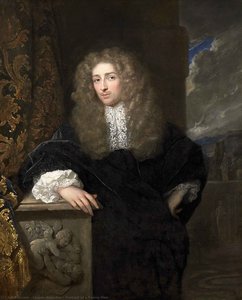
In the grand tapestry of the Dutch Golden Age, few portraits capture the intersection of political tension and personal grace as profoundly as Caspar Netscher’s 1683 masterpiece, Portrait of Mary Stuart II. This exquisite oil on canvas is far more than a mere likeness; it is a carefully orchestrated drama of light and shadow that invites the viewer into the opulent, high-stakes world of the seventeenth-century court. As one gazes upon the subject, there is an immediate sense of being transported to an era where every fold of silk and every glint of light served as a silent messenger of status and power. Netscher, a master of the Baroque style, utilizes chiaroscuro to sculpt the Queen’s form, creating a three-dimensional presence that feels almost palpable within the frame.
The portrait serves as a poignant window into a tumultuous historical moment. Painted in the shadow of the Glorious Revolution, the work captures Mary Stuart II—a figure of immense controversy and resilience. As a Catholic monarch navigating the religious and political fractures between Protestant England and papal Rome, her serene expression acts as a deliberate shield. Netscher avoids the chaos of her era, choosing instead to render a face of quiet dignity and inward reflection. This choice allows the viewer to connect with the human element behind the crown, finding a sense of calm amidst the historical upheaval that defined her reign.
The Artistry of Texture and Symbolism
For the discerning collector or interior designer, the true allure of this work lies in its breathtaking technical execution. Netscher was renowned for his ability to render the tactile world with unparalleled precision. In this composition, the artist’s brushwork achieves a luminous quality, particularly in the way light dances across the subject's skin and the heavy, luxurious fabrics of her attire. The inclusion of oriental rugs in the background—a hallmark of Netscher’s international style—not only adds a layer of exotic grandeur but also reflects the era's fascination with Eastern aesthetics, grounding the portrait in the sophisticated tastes of the Dutch elite.
Beyond the surface beauty, the painting is rich with allegorical depth. The presence of mythological figures, specifically Apollo and Diana, flanking the Queen, elevates the portrait from a secular record to a divine narrative. Apollo, representing reason and light, paired with Diana, symbolizing the moon and the hunt, suggests a cosmic balance that mirrors the intended stability of the monarchy. This layering of classical mythology with contemporary portraiture creates a sophisticated visual metaphor for power, suggesting that Mary Stuart’s authority is sanctioned by the very heavens themselves.
An Enduring Legacy for the Modern Interior
Integrating a reproduction of such caliber into a contemporary space offers more than just decoration; it provides an anchor of historical weight and aesthetic elegance. The painting’s balanced composition, characterized by flowing lines and a harmonious interplay of organic and geometric forms, makes it a versatile centerpiece for a variety of sophisticated interiors. Whether placed in a formal study or a grand living hall, the work evokes a sense of contemplative melancholy and timeless prestige.
To possess a high-quality reproduction of this Netscher masterpiece is to hold a piece of the Baroque soul. It is an invitation to appreciate the meticulous craftsmanship of the past—the fine layering of colors, the dramatic use of light, and the profound emotional resonance that continues to captivate art lovers centuries after the final brushstroke was laid. For those seeking to infuse their surroundings with a sense of narrative depth and royal splendor, the Portrait of Mary Stuart II remains an incomparable choice.
Related Artworks


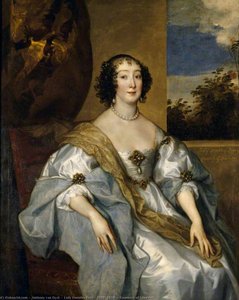
Artist Biography
Caspar Netscher: A Master of Dutch Baroque Portraiture
Caspar Netscher (1639 – January 15, 1684) stands as a pivotal figure in the Dutch Golden Age, renowned for his exquisitely detailed portraits and genre paintings that captured the spirit of his era. Born in Heidelberg, Germany, he honed his artistic skills under the tutelage of Hendrick Coster before embarking on a formative journey to Rome where he absorbed influences from Caravaggio and Peter Paul Rubens – styles which would profoundly shape his distinctive approach to painting. Returning to Amsterdam, Netscher established himself as a celebrated artist, securing patronage from William III and achieving considerable wealth and acclaim for his captivating canvases.- Early Life & Training: Netscher’s formative years were spent in Arnhem, where he received initial instruction from Hendrick Coster. This early exposure to artistic principles laid the groundwork for his subsequent studies with Gerard Terborch, a collaboration that cemented his understanding of Northern Baroque aesthetics.
- Roman Influences: Netscher's trip to Rome proved instrumental in broadening his artistic horizons. He immersed himself in the artistic fervor of the city, absorbing techniques and stylistic considerations from masters like Caravaggio and Rubens – artists who championed dramatic chiaroscuro (light and shadow) and emotionally charged compositions.
- Amsterdam Career & Patronage: Netscher swiftly ascended to prominence in Amsterdam’s art world, becoming a master painter by 1659. His success was fueled by royal patronage from William III, who commissioned numerous portraits showcasing the monarch's grandeur and authority. This association solidified Netscher’s reputation as one of the most sought-after artists of his time.
Distinctive Style & Technique
Netscher’s artistic style is characterized by a remarkable sensitivity to light and shadow, a hallmark of Baroque painting. He meticulously crafted scenes with subtle gradations of tone, creating an illusionistic depth that captivated viewers. Unlike many contemporaries who favored brighter palettes, Netscher employed muted colors—often browns and ochres—to convey a sense of solemn dignity and realism. His brushwork was exceptionally refined, achieving astonishing textural detail – particularly evident in depictions of fabrics like silk and brocade, where he skillfully rendered the shimmering surface qualities with remarkable accuracy. This meticulous technique distinguishes him from other artists of his time and contributes to the enduring beauty of his works.Notable Works & Legacy
Netscher’s oeuvre comprises a substantial collection of portraits depicting royalty, nobility, and prominent citizens of Amsterdam. Among his most celebrated paintings are “Portrait of Pieter de Graeff,” showcasing the Lord Mayor's dignified countenance and opulent attire; "Portrait of Willem III," commemorating the King’s reign with regal splendor; and “William III (copy after),” a masterful rendition capturing the solemn grandeur of William III in armor. These canvases exemplify Netscher’s artistic prowess and continue to inspire admiration for their technical brilliance and expressive power. His influence extended beyond portraiture, influencing genre paintings that explored themes of domestic life and social interaction with nuanced observation. Caspar Netscher's legacy resides not only in his stunning artworks but also in his contribution to establishing a distinctive international style within the Northern Netherlands—a testament to his enduring artistic significance.References
- Britannica. “Caspar Netscher.”
- Wikipedia. “Caspar Netscher.”
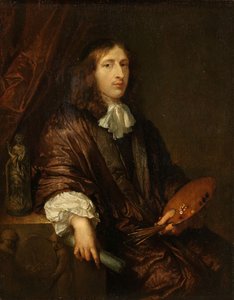
netscher, caspar
1639 - 1684 , Germany
Quick Facts
- Artistic Movement Or Style: Baroque
- Artists Or Movements Influenced By This Artist: ['International Style']
- Artists Who Influenced This Artist: ['Gerard Terborch']
- Date Of Birth: 1639 Heidelberg Germany
- Date Of Death: 1684
- Full Name: Caspar Netscher
- Nationality: Dutch
- Notable Artworks:
- Portrait of Pieter de Graeff
- Portrait of Willem III
- Place Of Birth: Heidelberg Germany
Related Articles

Dutch Baroque Masters: 10 Paintings That Shaped an Era | ArtsDot
Journey through the Golden Age with our guide to the Top 10 Dutch Baroque masterpieces! Explore iconic paintings by Rembrandt, Vermeer & Frans Hals. Find museum-quality art reproductions and elevate your home decor at ArtsDot.com.

Golden Age Reflections: Dutch Baroque Painting & Cultural Innovation
Explore the Dutch Golden Age of painting! Discover key artists like Vermeer & ter Borch, their innovative techniques, and the rich cultural context behind these Baroque masterpieces. Learn about collecting & appreciating this iconic art period.
Jacob Henricus Maris: A Master of Dutch Atmospheric Realism & the Intimate Landscape
Explore the captivating world of Jacob Henricus Maris, a leading figure of the Dutch Hague School. Discover his atmospheric landscapes, signature brushstrokes & lasting influence on 19th-century art. Learn more at ArtsDot.
Masterpieces of the 17th Century: Art, History & Decor Inspiration | ArtsDot
Journey through 17th century art with masterpieces by Rembrandt, Vermeer & Caravaggio. Explore Baroque paintings, Dutch Golden Age techniques & timeless beauty. Find museum-quality reproductions and elevate your home decor on ArtsDot.com.
Illuminating a Century of Change: Artistic Expression & Societal Shifts in 17th-Century Europe
Explore the artistic brilliance of the 17th-century Dutch Golden Age & Baroque period. Discover Rembrandt, genre painting, and chiaroscuro techniques. Expert insights for art lovers & collectors.