 Preview
 Send
Send Share
Share
 Details

 Download
 Similars
 X-Ray
X-Ray Diaporama
Recueil des modes de la cour de France,
 Acrylic On Canvas
- WallArt
- Baroque Painting
 1693
1693 36.0 x 23.0 cm
 Los Angeles County Museum of Art
 Read More
Giclée / Art Print
Museum-quality giclée or canvas print with fast production and flexible finish options. ( Buy Hand Made Painting Buy Image)




P118B $10

P118H $10

P118W $10

P438Z $10

P508JH $12

P508YH $12

P805H $10

P805Z $10

P919BZ $10

P919G $10

P919XJ $10

P959ZH $10

P968JZ $12

W106C $8

W218G $10

W218JH $8

W218Y $10

W307PJ $10

W316G $10

W316PJ $8

W316Y $10

W398PJ $8

W4111J $10

W500HY $15

W500JH $15

W692G $12

W849H $8

W940BG $15

W953PJ $8




Pick from our preset sizes that match the artwork's original proportions.

You may enter your own dimensions to fit a specific frame or space. If your selected size does not match the original image's proportions, we will either crop the artwork or extend the image with a mirrored or solid-fill edge. A digital mockup will be sent for your approval before production begins.
Please note that the on-screen preview does not reflect the actual cropping or extension. Only the mockup will accurately show the final composition.
While custom sizes are available, we recommend selecting a dimension from the predefined list to preserve the original proportions.
Worldwide Delivery () in 2 weeks instead of standard 4/5 weeks. (28 August)

Free Worldwide Express Shipping

High-Quality Linen Canvas

Full Shipping Insurance

Customs Tax Refund Guarantee

True Color Matching Guarantee

60-Day Return Policy (Defects Only)

100% Money-Back Guarantee

Bulk Discount Offer
 Glass option is only available in size under 110 CM

Recueil des modes de la cour de France,
Giclée / Art Print
Reproduction Size
-


Total Price
$ 63
Recueil des modes de la cour de France: A Portrait of Elegance Amidst Baroque Ornamentation
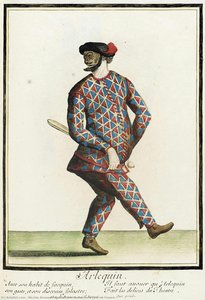
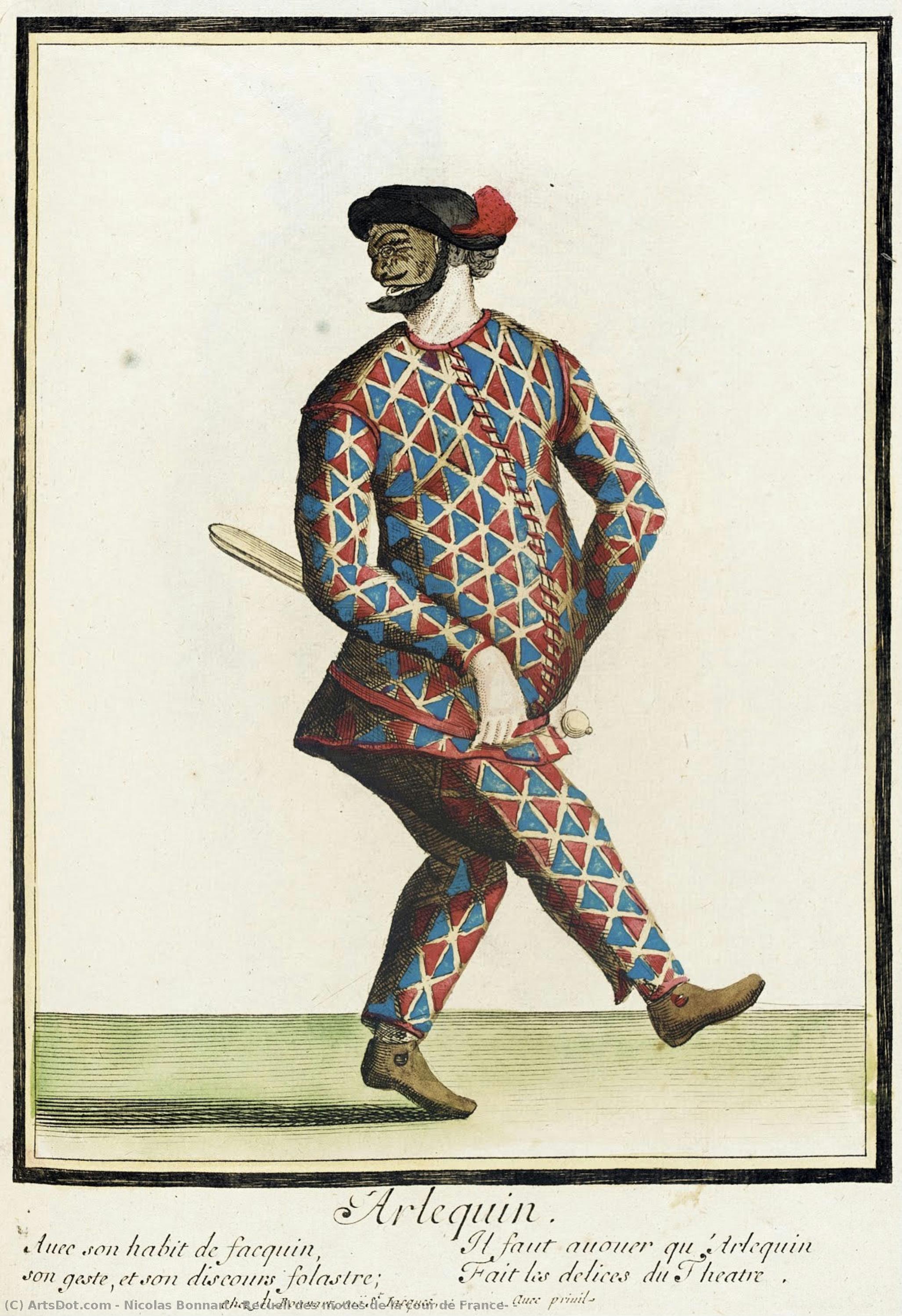
Nicolas Bonnart’s “Recueil des modes de la cour de France,” painted in 1693, offers a glimpse into the opulent aesthetic sensibilities of Louis XIII’s reign. More than just a depiction of a gentleman engaged in sport—specifically baseball—the artwork embodies the broader artistic currents shaping French culture during this period: the burgeoning influence of Baroque grandeur tempered by classical ideals championed by Nicolas Poussin himself. Bonnart skillfully captures movement and dynamism, utilizing a vibrant palette dominated by blues and reds to convey both energy and aristocratic status.- Subject Matter: The central figure portrays a man confidently wielding a baseball bat amidst an outdoor setting—a deliberate choice reflecting the leisure activities favored by the French nobility.
- Style & Technique: Bonnart’s approach leans heavily into Baroque principles, characterized by dramatic chiaroscuro (contrast between light and dark) and meticulous attention to detail. The artist employs etching techniques, layering lines to build up tonal gradations and creating a textured surface that enhances the visual impact.
- Historical Context: Painted during Mazarin’s ascendancy and Louis XIII's rule, “Recueil des modes de la cour de France” speaks to the fascination with active pursuits alongside refined elegance—a hallmark of aristocratic culture at the time. The baseball bat symbolizes strength and prowess, juxtaposed against the gentleman’s posture conveying composure and grace.
- Symbolism: Beyond its literal representation, the painting operates on a symbolic level. The vibrant colors – particularly red – traditionally associated with royalty and passion—suggest an idealized vision of nobility. Furthermore, the outdoor scene underscores the importance of nature within aristocratic circles as a source of inspiration and respite from courtly formalities.
- Emotional Impact: Bonnart’s masterful composition evokes a sense of vitality and sophistication. The viewer is drawn into the scene, experiencing both the excitement of sport and the serenity of contemplative observation—a testament to the artist's ability to convey complex emotions through visual form.
Provenance & Artistic Legacy
The artwork’s journey through private collections underscores its significance as a representative piece of French Baroque art. Its acquisition by LACMA reflects the museum’s commitment to preserving and showcasing exceptional artistic treasures. Notably, Bonnart's work aligns closely with Poussin’s stylistic trajectory—demonstrating how artists responded to classical influences while forging their own distinctive voices. The engraving on paper technique itself exemplifies the meticulous craftsmanship prevalent during this era, ensuring that Bonnart’s vision continues to resonate with audiences today.Reproductions & Decorative Considerations
A high-quality reproduction of “Recueil des modes de la cour de France” can transform any interior space into a haven of refined elegance. Consider framing it in a neutral tone—such as linen or matte white—to allow the artwork’s vibrant colors and textural detail to shine through. Its dynamic composition lends itself particularly well to creating focal points within larger rooms, injecting energy and visual interest into sophisticated décor schemes. Collectors appreciate pieces that capture both artistic merit and historical context – Bonnart's masterpiece embodies these qualities beautifully.Related Artworks
Artist Biography
Nicolas Poussin: A Master of Light and Grace
Nicolas Poussin, born in 1637 in France, remains a pivotal figure in the transition between Mannerism and Baroque painting, ultimately establishing a profoundly influential style that resonated throughout the 18th century. While often categorized as a French artist, his prolonged residence and work in Rome cemented his place within the Italian artistic tradition, absorbing its classical ideals while imbuing them with a distinctly personal vision. His life was marked by both professional success and personal tragedy – he married young and tragically lost his wife and two children within a few years, events that profoundly shaped his later work, often imbued with a melancholic beauty and a deep contemplation of mortality. He spent much of his career serving as a court painter for Cardinal Mazarin and later the King of France, Louis XIII, before returning to Rome where he established himself as a respected master, teaching and producing works for private collectors across Europe. Poussin’s artistic journey began under the tutelage of local artists in Paris, initially exploring techniques like glass painting – a craft that instilled in him an appreciation for meticulous detail and careful composition. However, it was his fervent desire to study the masterpieces of the Italian Renaissance, particularly those of Raphael and Michelangelo, which propelled him towards Rome around 1624. This immersion in the Roman artistic milieu proved transformative; he quickly absorbed the principles of classical art – its emphasis on harmony, proportion, and idealized beauty – while simultaneously developing a unique approach characterized by clarity, order, and an exquisite use of light and color. His early works, such as *The Death of Germanicus* (1633-34), demonstrate this burgeoning style: figures are rendered with remarkable precision and grace, set within carefully constructed landscapes that evoke a sense of serene contemplation. The painting’s pyramidal composition, reminiscent of Raphael's work, creates a powerful visual harmony, while the subtle use of light and shadow imbues the scene with an emotional depth. A defining characteristic of Poussin’s art is his masterful manipulation of landscape as a fundamental element of the narrative. He didn’t simply depict scenery; he integrated it seamlessly into his compositions, using it to create atmosphere, convey mood, and symbolize deeper philosophical or religious ideas. This approach was particularly evident in his series of *The Four Seasons* (1662-64), each panel depicting a distinct season within a carefully orchestrated landscape. These paintings are not merely representations of nature; they are allegorical explorations of time, beauty, and the cyclical rhythms of life. The use of atmospheric perspective—creating a sense of depth through variations in color and detail—is particularly striking, drawing the viewer’s eye into the distant landscapes and enhancing the overall feeling of spaciousness and tranquility. Furthermore, his later works, like *Et in Arcadia Ego* (1660-64), demonstrate an increasing interest in exploring themes of mortality and the transience of earthly beauty, often juxtaposing idyllic pastoral scenes with symbols of decay and loss. Poussin’s influence on subsequent generations of artists is undeniable. His meticulous attention to detail, his profound understanding of classical art, and his innovative use of landscape established a new standard for painting in the 18th century. Artists such as Jacques-Louis David, Jean-Auguste-Dominique Ingres, and Paul Cézanne all acknowledged Poussin’s profound impact on their work, drawing inspiration from his clarity of form, his harmonious compositions, and his ability to evoke a sense of timeless beauty. Cézanne, in particular, famously stated that he had “learned everything” from Poussin's *The Bathers*, recognizing the master’s genius in capturing the essence of light and atmosphere. His work continues to be studied and admired for its intellectual depth, emotional resonance, and technical brilliance, solidifying his legacy as one of the most important painters in Western art history.Key Works
- *The Death of Germanicus* (1633-34)
- *Et in Arcadia Ego* (1660-64)
- *The Four Seasons* (1662-64)
- *Landscape with the Hermit* (c. 1639)
- *Sacrifice of Iphigenia* (1639-40)
Legacy and Historical Significance
Poussin’s work represents a crucial bridge between the Mannerist and Baroque periods, embodying the classical ideals that were being revived during the 17th century. His emphasis on order, harmony, and idealized beauty resonated with the tastes of European royalty and aristocracy, while his exploration of philosophical themes – particularly those related to mortality and the nature of time – offered a profound reflection on the human condition. He wasn't merely a painter; he was an intellectual and a moralist, using his art to explore complex ideas about faith, beauty, and the relationship between humanity and the divine. His influence extends far beyond the realm of painting, shaping artistic sensibilities for centuries to come and reminding us of the enduring power of classical art to inspire and uplift.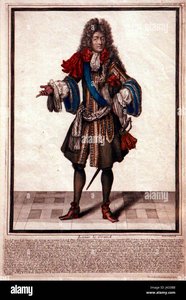
nicolas bonnart
1637 - 1718 , France
Quick Facts
- Artistic Movement Or Style: Classical, Baroque
- Artists Or Movements Influenced By This Artist:
- Jacques-Louis David
- Ingres
- Cézanne
- Artists Who Influenced This Artist:
- Raphael
- Baroque painters
- Date Of Birth: 1594
- Date Of Death: 1665
- Full Name: Nicolas Poussin
- Nationality: French
- Notable Artworks:
- Et in Arcadia ego
- The Four Seasons
- The Massacre of the Innocents
- Seven Sacraments
- Place Of Birth: Paris, France
Related Articles

Rococo's Radiant Legacy: 10 Masterpieces for Your Home |
Indulge in the elegance of Rococo! Explore 10 masterpieces by Fragonard, Boucher & Watteau. Discover the stories behind these iconic paintings and bring timeless art to your home with museum-quality reproductions from .

The Rococo Aesthetic: Opulence, Rebellion & the Pursuit of Pleasure in 18th-Century Art
Explore the opulent world of Rococo art! Discover its origins, key artists like Watteau & Boucher, and lasting influence on design. Expert insights for collectors & enthusiasts.
The Allure of Elegance in Art: A Historical & Aesthetic Exploration of Refinement & Grace
Explore the exquisite world of Rococo art! Discover its history, masters (Watteau, Boucher & more), and defining elegance. Expert insights for collectors seeking museum-quality reproductions & custom portraits.
Nicolas Poussin: Classicism, Allegory & Order in 17th-Century French Painting
Explore the life & work of Nicolas Poussin, a master of French Classicism. Discover his allegorical paintings, Roman influences, and enduring impact on art history. Expert analysis & insights.
François Boucher: Rococo Master of Myth, Sensuality, and the French Court
Explore the captivating world of François Boucher, master of Rococo painting! Discover his iconic works, aristocratic patronage, and lasting influence on French art history. Learn more at ArtsDot.