 Preview
 Send
Send Share
Share
 Details

 Download
 Similars
 X-Ray
X-Ray Diaporama
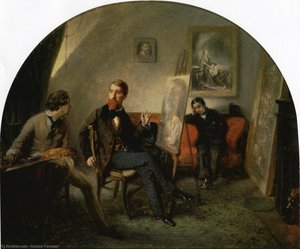
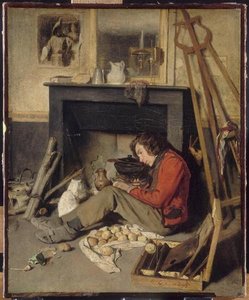
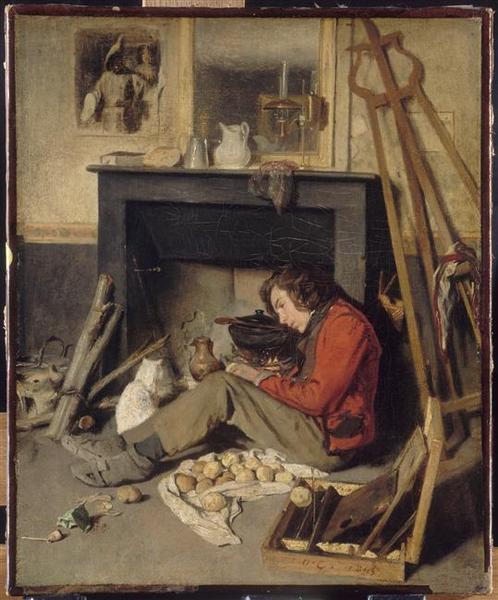
INTERIEUR D'ATELIER


 Read More
Hand Made Oil Reproduction
Hand-painted oil on canvas in your size and frame, made to order by our artists. ( Buy Print Buy Image)




P118B $10

P118H $10

P118W $10

P438Z $10

P508JH $12

P508YH $12

P805H $10

P805Z $10

P919BZ $10

P919G $10

P919XJ $10

P959ZH $10

P968JZ $12

W106C $8

W218G $10

W218JH $8

W218Y $10

W307PJ $10

W316G $10

W316PJ $8

W316Y $10

W398PJ $8

W4111J $10

W500HY $15

W500JH $15

W692G $12

W849H $8

W940BG $15

W953PJ $8




Pick from our preset sizes that match the artwork's original proportions.

You may enter your own dimensions to fit a specific frame or space. If your selected size does not match the original image's proportions, we will either crop the artwork or extend the painting with additional hand-painted elements. A digital mockup will be sent for your approval before production begins.
Please note that the on-screen preview does not reflect the actual cropping or extension. Only the mockup will accurately show the final composition.
While custom sizes are available, we recommend selecting a dimension from the predefined list to preserve the original proportions.
After order, ArtsDot.com team will email client for instructions and provide a mockup preview
Worldwide Delivery () in 3/4 weeks instead of standard 5 weeks. (21 August). No compromise on quality.

Free Worldwide Express Shipping

High-Quality Linen Canvas

Full Shipping Insurance

Customs Tax Refund Guarantee

True Color Matching Guarantee

60-Day Return Policy (Defects Only)

100% Money-Back Guarantee

Bulk Discount Offer
 Glass option is only available in size under 110 CM

INTERIEUR D'ATELIER
Reproduction Medium
Reproduction Size
-


Total Price
$ 263
Artwork Description
A Moment of Quiet Devotion: The Soul of the Studio
In the quiet corners of history, certain images possess the power to freeze time, capturing not just a scene, but the very essence of human concentration. INTERIEUR D'ATELIER serves as a profound window into such a moment. The painting invites us into a private sanctuary—an artist's workshop where the clamor of the outside world fades into insignally. At the heart of this composition sits a young boy, anchored to the floor before the warmth of a fireplace, his entire being surrendered to the sketchbook in his hands. There is an intimate, almost sacred quality to his posture; he is not merely drawing, but participating in a silent dialogue with his own imagination. The studio around him, cluttered with the beautiful debris of creativity—easels, pots, and various artistic implements—acts as a testament to the lifelong pursuit of craft.
The atmosphere of the piece is thick with a sense of nostalgia and quietude. Through the masterful use of Realist techniques, the artist breathes life into the mundane. The lighting, soft and diffused as if filtered through a high studio window, casts gentle shadows that lend a sculptural weight to the boy's form and the objects surrounding him. This light does more than illuminate; it sanctifies the workspace, turning a simple room into a stage for intellectual and artistic awakening. For the collector or interior designer, this work offers a sense of grounded tranquility, making it an ideal centerpiece for spaces designed for reflection, study, or sophisticated repose.
Mastery of Texture and Earthy Elegance
Technically, the painting is a triumph of tonal harmony and tactile depth. The color palette is a sophisticated arrangement of earthy pigments—deep ochres, warm umbers, and muted reds that evoke the comforting heat of the hearth, contrasted against the cool, somber grays of the studio walls. This deliberate use of color creates a sense of historical weight, reminiscent of 19th-century genre painting. The artist employs visible, purposeful brushstrokes that lend a physical texture to the canvas; one can almost feel the roughness of the fireplace bricks and the weathered grain of the wooden floorboards beneath the boy.
The composition is expertly balanced through a play of geometric and organic forms. While the strong horizontal line of the fireplace provides a structural foundation, diagonal elements from easels and scattered tools guide the viewer's eye inward, toward the central figure. This movement prevents the scene from feeling static, instead imbuing it with a subtle, rhythmic energy. The interplay between the sharp outlines of the studio equipment and the soft, blended shadows on the boy’s clothing creates a rich visual tapestry that rewards prolonged observation. It is this meticulous attention to detail—the way light catches the edge of a sketchbook or settles in the folds of fabric—that elevates the work from a mere depiction of a room to a profound exploration of atmosphere and materiality.
A Legacy of Inspiration for the Modern Collector
Beyond its aesthetic brilliance, INTERIEUR D'ATELIER carries a deep emotional resonance. It speaks to the universal themes of learning, dedication, and the spark of inspiration that resides within us all. To possess a reproduction of this work is to bring a piece of that focused passion into one's own environment. It serves as a reminder of the beauty found in solitude and the importance of nurturing one's passions amidst the chaos of modern life.
For those looking to curate an art collection that evokes warmth, intellect, and timelessness, this piece stands as a cornerstone. Its ability to harmonize with diverse interior styles—from classic traditionalism to contemporary rustic aesthetics—makes it a versatile and enduring choice. It is more than a decoration; it is an invitation to pause, to breathe, and to rediscover the quiet magic of the creative spirit.
Related Artworks

Artist Biography
The Shadow of Industry: Exploring the Art of William Frederick Lutkin (1800-1874)
William Frederick Lutkin, born in 1800 and tragically passing away in 1874, stands as a pivotal figure bridging the late Romantic era with the nascent Realism that would dominate much of the 19th century. While often overshadowed by his contemporaries – Turner, Constable, and the burgeoning Impressionists – Lutkin’s work offers a unique and compelling perspective on the rapidly changing landscape of Britain during a period of immense industrial growth and social upheaval. His canvases are not merely depictions of scenery; they are imbued with a palpable sense of atmosphere, a haunting awareness of humanity's relationship to both nature and the burgeoning machinery that reshaped their world.Early Life and Artistic Training
Lutkin’s early life remains somewhat shrouded in mystery, though it is known he received his initial artistic training from his father, William Lutkin Sr., a landscape painter who instilled in him a deep appreciation for the beauty of the English countryside. This foundational grounding in traditional Romanticism – characterized by dramatic light, sublime landscapes, and an emphasis on emotional response – profoundly shaped Lutkin’s early work. However, unlike many of his contemporaries who remained firmly rooted in this aesthetic, Lutkin demonstrated a growing fascination with the industrial world around him, particularly the ironworks and factories that were beginning to proliferate across the British landscape. This nascent interest would ultimately define his artistic trajectory.A Painter of Atmospheric Landscapes
Lutkin’s most celebrated works are undoubtedly his atmospheric landscapes, often depicting scenes of moorland, coastline, and dramatic weather conditions. He possessed a remarkable ability to capture the fleeting effects of light and shadow, creating paintings that possess an almost hallucinatory quality. His use of color is particularly noteworthy – he favored muted tones of grey, brown, and blue, layering them in subtle gradations to evoke a sense of mood and atmosphere. His technique involved meticulous observation combined with a willingness to experiment with unusual brushstrokes and glazing techniques, resulting in surfaces that shimmered with reflected light. He was deeply influenced by the works of J.M.W. Turner, particularly his ability to convey the power and drama of nature through atmospheric effects, but Lutkin developed a distinctly personal style, characterized by a greater emphasis on the human element within the landscape.- Notable Works: *The Moorland Scene*, *Storm Over the Coast*, *Evening on the Moors*, *The Ironworks at Coalbrookdale*
- Technique: Layered glazing, meticulous observation of light and shadow, use of muted color palettes.
The Influence of Industrialization and Social Commentary
As the 19th century progressed, Lutkin’s artistic focus shifted increasingly towards depicting the impact of industrialization on the English landscape. He wasn't simply documenting factories; he was exploring the psychological effects of this transformation – the sense of alienation, isolation, and loss that accompanied the decline of traditional rural life. His paintings of ironworks and coal mines are often imbued with a melancholic tone, reflecting his own anxieties about the social and environmental consequences of industrial progress. He frequently depicted solitary figures within these landscapes, suggesting a profound disconnect between humanity and its environment. This subtle yet powerful commentary on the era’s social changes distinguishes Lutkin from many of his contemporaries who largely ignored the dramatic shifts occurring around them.Legacy and Historical Significance
William Frederick Lutkin's work represents a fascinating transitional moment in British art history. He embodies the lingering influence of Romanticism while simultaneously foreshadowing the Realist movement that would soon emerge. His atmospheric landscapes, coupled with his subtle yet poignant depictions of industrialization, offer a valuable insight into the social and emotional landscape of 19th-century Britain. While he may not be as widely recognized as some of his more celebrated contemporaries, Lutkin’s paintings continue to resonate today, reminding us of the complex relationship between humanity and the natural world in an age of rapid technological change. His work serves as a poignant reminder that even amidst progress, beauty and melancholy can coexist.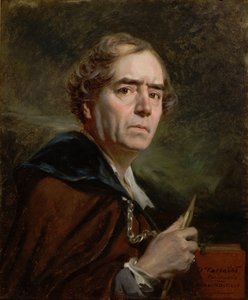
nicolas françois octave tassaert
1800 - 1874 , France
Quick Facts
- Artistic Movement Or Style: 19th Century Art
- Artists Or Movements Influenced By This Artist: ['Later artists on WahooArt']
- Artists Who Influenced This Artist:
- Caspar David Friedrich
- J.M.W. Turner
- John Constable
- Date Of Death: 1874
- Nationality: WahooArt
Related Articles

Beyond the Horizon: 10 Landscape Masterpieces for Your Home Decor
Journey through 10 breathtaking landscape paintings by Monet, Van Gogh & more! Explore iconic artworks, artistic techniques & find inspiration for your home decor. Museum-quality reproductions at ArtsDot.com. Discover all masterpieces on ArtsDot.com

Romantic Landscapes: 10 Masterpieces for Your Home | ArtsDot
Journey through 10 Romantic landscape masterpieces by Friedrich, Turner & Cole. Explore emotional art, sublime nature scenes & iconic 19th-century paintings. Find museum-quality reproductions for your home at ArtsDot.com – discover the full collection online!
Romantic Realism's Finest: 10 Masterpieces for Your Home | ArtsDot
Explore 10 defining masterpieces of Romantic Realism! Discover Courbet, Millet & Daumier's powerful paintings—capturing emotion and social realities. Find museum-quality reproductions for your home at ArtsDot.com.

John Constable's Masterpieces: Explore 25 Iconic Landscapes for Your Home
Journey through John Constable's 25 most celebrated landscapes. Explore Romanticism, Dedham Vale & his masterful use of light in iconic paintings like 'Hay Wain'. Find museum-quality art reproductions and elevate your home decor on ArtsDot.com.

Evocations of Place: A Historical Journey Through Landscape Art
Explore the rich history of landscape art with ArtsDot. Discover renowned artists, movements like Impressionism & Romanticism, and expert guidance for collecting timeless pieces. Find your perfect serene escape today!