 Send
Send Share
Share
 Details

 Download
 Similars
 Diaporama
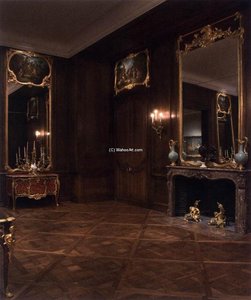
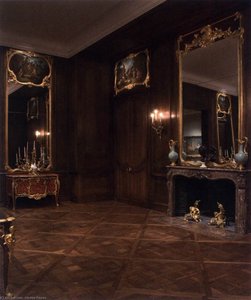
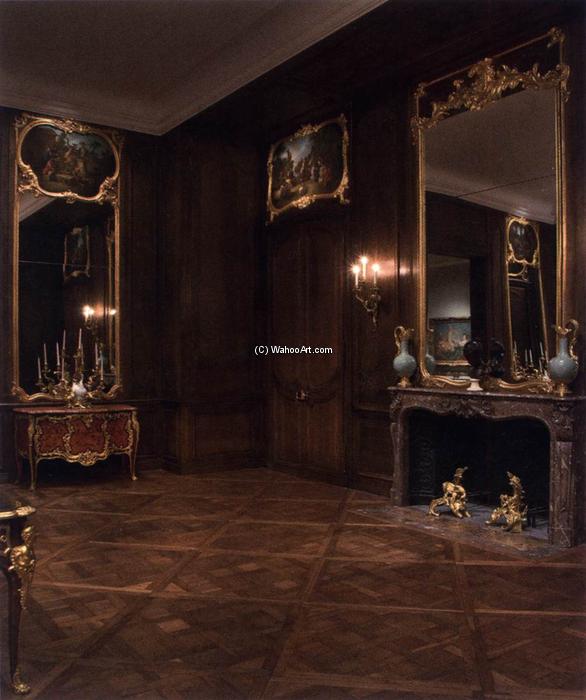
Carved oak paneling


 Read More
Giclée / Art Print
Museum-quality giclée or canvas print with fast production and flexible finish options. ( Buy Hand Made Painting Buy Image)




































Pick from our preset sizes that match the artwork's original proportions.

You may enter your own dimensions to fit a specific frame or space. If your selected size does not match the original image's proportions, we will either crop the artwork or extend the image with a mirrored or solid-fill edge. A digital mockup will be sent for your approval before production begins.
Please note that the on-screen preview does not reflect the actual cropping or extension. Only the mockup will accurately show the final composition.
While custom sizes are available, we recommend selecting a dimension from the predefined list to preserve the original proportions.
Worldwide Delivery () in 2 weeks instead of standard 4/5 weeks. (18 August)

Free Worldwide Express Shipping

High-Quality Linen Canvas

Full Shipping Insurance

Customs Tax Refund Guarantee

True Color Matching Guarantee

60-Day Return Policy (Defects Only)

100% Money-Back Guarantee

Bulk Discount Offer
 Glass option is only available in size under 110 CM

Carved oak paneling
Giclée / Art Print
Reproduction Size
-


Total Price
$ 63
Collectible Description
The Grandeur of Rococo Opulence: An Examination of Carved Oak Paneling
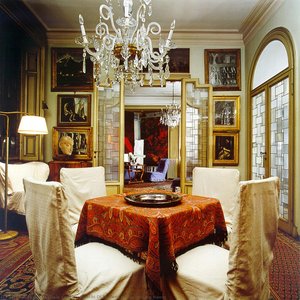
To stand before this depiction of carved oak paneling is to step directly into the gilded embrace of 18th-century aristocratic life. The air seems thick with the scent of beeswax and aged wood, a palpable echo of refinement and immense wealth. This piece does not merely decorate a wall; it constructs an entire atmosphere—one of studied symmetry, luxurious comfort, and undeniable historical weight. The dark, rich tones of the oak paneling provide a magnificent, grounding backdrop against which the artistry truly sings.
Mastery in Woodwork and Gilding
The technical brilliance evident here is breathtaking. Observe the intricate carving; it speaks to the patient hands of master artisans who treated wood not as mere building material, but as a canvas for narrative sculpture. The detailing along the upper edges, highlighted by delicate gilding, catches the light with an almost liquid sheen. This combination of deep, matte wood grain juxtaposed with brilliant gold leaf is a hallmark of high Rococo decorative arts. Complementing this architectural splendor are the large mirrors, framed in equally elaborate, gold-toned ornamentation. These elements work in concert to expand the perceived space while simultaneously anchoring it within a framework of established grandeur.
A Glimpse into 18th-Century Domestic Life
Dating to 1739, this room captures the zenith of aristocratic interior design during the Rococo period. While the artist's biography connects us to the sensibilities surrounding figures like Watteau—the poet of light and illusion—this paneling itself speaks to a more tangible, material luxury. The marble mantelpiece, with its dark wood surround, anchors the central focus, suggesting moments of quiet contemplation or formal reception. Even the placement of small figurines on the mantel hints at classical allegories or mythological musings, objects meant to elevate conversation and intellectual appreciation within the drawing-room setting.
Symbolism and Emotional Resonance
The overall effect is one of controlled drama. The symmetry—the balanced doors, the flanking mirrors, the placement of the side table with its lamp—lends a sense of perfect order, suggesting the structured lives of the elite who commissioned such works. Yet, within this formality lies an underlying yearning for beauty and permanence. The deep patina of the wood suggests history itself; it has witnessed countless balls, whispered secrets, and formal pronouncements. For the modern admirer or designer, reproducing this piece offers not just a decorative element, but a curated emotional experience—a tangible connection to an era obsessed with exquisite surface detail.
Bringing Salon Splendor Home
For those seeking to infuse their own space with the romance and depth of historical European design, reproductions of such paneling are invaluable. The craftsmanship required is immense, demanding both structural integrity and artistic finesse. Whether used as a statement wall feature or incorporated into bespoke millwork, this style promises an immediate elevation in perceived value and atmosphere. It invites one to slow down, to admire the curve of the carving, and to feel enveloped by history's most opulent embrace.
Related Artworks
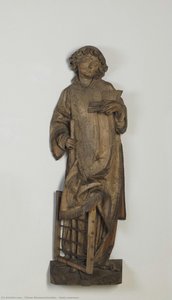
Artist Biography
Jean-Antoine Watteau: The Poet of Light and Illusion
Jean-Antoine Watteau, a name synonymous with the Rococo era in French art, was more than just a painter; he was a poet of light, color, and fleeting moments. Born in Valenciennes in 1684, his life spanned only thirty-six years, yet within that brief period, he profoundly shaped the artistic landscape, establishing a genre—the *fête galante*—that continues to captivate viewers today. His work isn’t merely decorative; it's imbued with an atmosphere of wistful beauty, theatricality, and a subtle yearning for escape, reflecting the sensibilities of the French court during the Régence.
Watteau’s early life was marked by a delicate balance between artistic aspiration and familial hardship. The son of a roof tiler, his childhood wasn't one of privilege, and his father’s volatile nature undoubtedly influenced his sensitive temperament. Despite this challenging environment, Watteau displayed an early passion for art, sketching street performers and absorbing the vibrant energy of public life. His initial training was somewhat unconventional, beginning with rudimentary work copying devotional paintings before finding a mentor in Claude Gillot, a master of theatrical fantasy and arabesque designs. Gillot’s influence proved pivotal, introducing Watteau to the world of stagecraft and inspiring his fascination with illusion and spectacle – elements that would become hallmarks of his style.
The Rise of the *Fête Galante*
Watteau's most significant contribution to art history lies in the invention of the *fête galante*. This unique genre, a departure from the grand narratives of Baroque painting, focused on idyllic scenes of aristocratic leisure—picnics, strolls through gardens, and gatherings amidst beautiful landscapes. These weren’t stories with clear beginnings and endings; instead, they were carefully constructed moments of beauty, capturing an ephemeral feeling rather than a specific event. Watteau masterfully evoked a sense of dreamlike serenity, often featuring couples in elegant attire engaged in graceful pursuits – dancing, playing music, or simply enjoying the company of friends. The figures are rarely identified, allowing viewers to project their own emotions and fantasies onto the scene.
The *fête galante* was not born in a vacuum. Watteau drew inspiration from various sources: the commedia dell’arte, with its masked characters and playful interactions; the opéra ballet, with its elaborate costumes and theatrical settings; and the decorative arts, particularly the arabesque patterns that were increasingly popular in interior design. He skillfully blended these influences, creating paintings that were both visually stunning and psychologically complex. His use of color was revolutionary—he moved away from the dark, dramatic palettes of the Baroque period towards lighter, more luminous tones, employing pastel shades to create a sense of airiness and delicacy.
Influences and Artistic Development
Watteau’s artistic journey was shaped by several key figures. Claude Gillot provided him with an early foundation in theatrical design and fantasy painting, while Claude Audran III introduced him to the world of decorative arts and interior design. However, it was the influence of Rubens that proved particularly transformative. Watteau deeply admired Rubens' dynamic compositions, vibrant colors, and masterful use of light—qualities he sought to emulate in his own work. He also studied the works of Venetian painters, absorbing their techniques for rendering color and capturing atmospheric effects.
Despite his talent and ambition, Watteau’s path was not without obstacles. He never received the opportunity to study in Italy, the traditional destination for aspiring artists, due to a lack of patronage. Nevertheless, he continued to refine his skills through diligent copying of masterworks at Pierre Crozat's residence, meticulously studying the techniques of Rubens and other great painters. This dedication allowed him to develop a distinctive style that combined elements of various influences while retaining a unique sense of elegance and grace.
Major Works and Legacy
Watteau’s most celebrated works include *Embarkation for Cythera* (1717–1718), a masterpiece of the *fête galante* genre, and *L'Enseigne de Gersaint* (1720–1721), which offers a glimpse into the bustling world of Parisian commerce. His paintings are characterized by their delicate brushwork, luminous colors, and evocative atmosphere. Watteau’s influence extended far beyond his own lifetime. He inspired a generation of artists, including Lancret and Pater, who continued to explore the themes and techniques he pioneered.
Watteau's legacy is not simply one of artistic innovation but also of emotional resonance. His paintings evoke a sense of nostalgia for a bygone era—a time of elegance, beauty, and fleeting pleasures. He captured the spirit of the Rococo age with remarkable sensitivity, creating works that continue to enchant viewers centuries later. His brief career, tragically cut short by illness at the age of 36, left an indelible mark on the history of art, solidifying his place as one of France’s most beloved and influential painters.
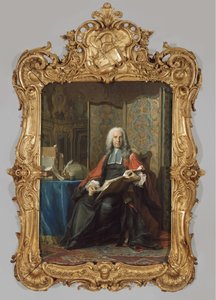
nicolas pineau
1684 - 1754 , France
Quick Facts
- Artistic Movement Or Style: Rococo, Singerie
- Artists Or Movements Influenced By This Artist:
- Lancret
- Pater
- Rococo
- Artists Who Influenced This Artist:
- Claude Gillot
- Rubens
- Correggio
- Date Of Birth: Oct 10, 1684
- Date Of Death: July 18, 1721
- Full Name: Jean-Antoine Watteau
- Nationality: French
- Notable Artworks:
- Pilgrimage to Cythera
- Italian Comedians
- L’Enseigne de Gersaint
- Place Of Birth: Valenciennes, France
Related Articles

Rococo's Radiant Legacy: 10 Masterpieces for Your Home |
Indulge in the elegance of Rococo! Explore 10 masterpieces by Fragonard, Boucher & Watteau. Discover the stories behind these iconic paintings and bring timeless art to your home with museum-quality reproductions from .

The Rococo Aesthetic: Opulence, Rebellion & the Pursuit of Pleasure in 18th-Century Art
Explore the opulent world of Rococo art! Discover its origins, key artists like Watteau & Boucher, and lasting influence on design. Expert insights for collectors & enthusiasts.

The Allure of Elegance in Art: A Historical & Aesthetic Exploration of Refinement & Grace
Explore the exquisite world of Rococo art! Discover its history, masters (Watteau, Boucher & more), and defining elegance. Expert insights for collectors seeking museum-quality reproductions & custom portraits.
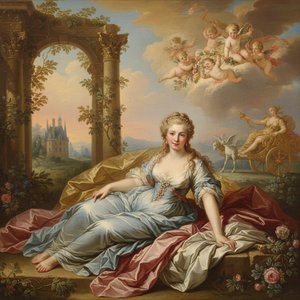
François Boucher: Rococo Master of Myth, Sensuality, and the French Court
Explore the captivating world of François Boucher, master of Rococo painting! Discover his iconic works, aristocratic patronage, and lasting influence on French art history. Learn more at ArtsDot.
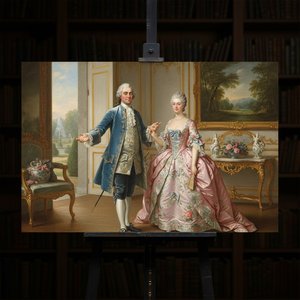
Charles-André van Loo: A Study in Rococo Portraiture & the French Court's Artistic Dynamics
Explore the elegant world of Charles-André van Loo, a master of Rococo portraiture at the French court. Discover his life, techniques, and enduring influence on 18th-century art. Hand-painted reproductions available.