 Preview
 Send
Send Share
Share
 Details

 Download
 Similars
 X-Ray
X-Ray Diaporama
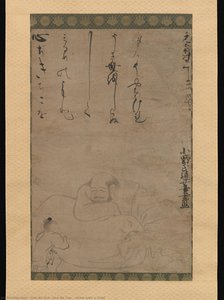
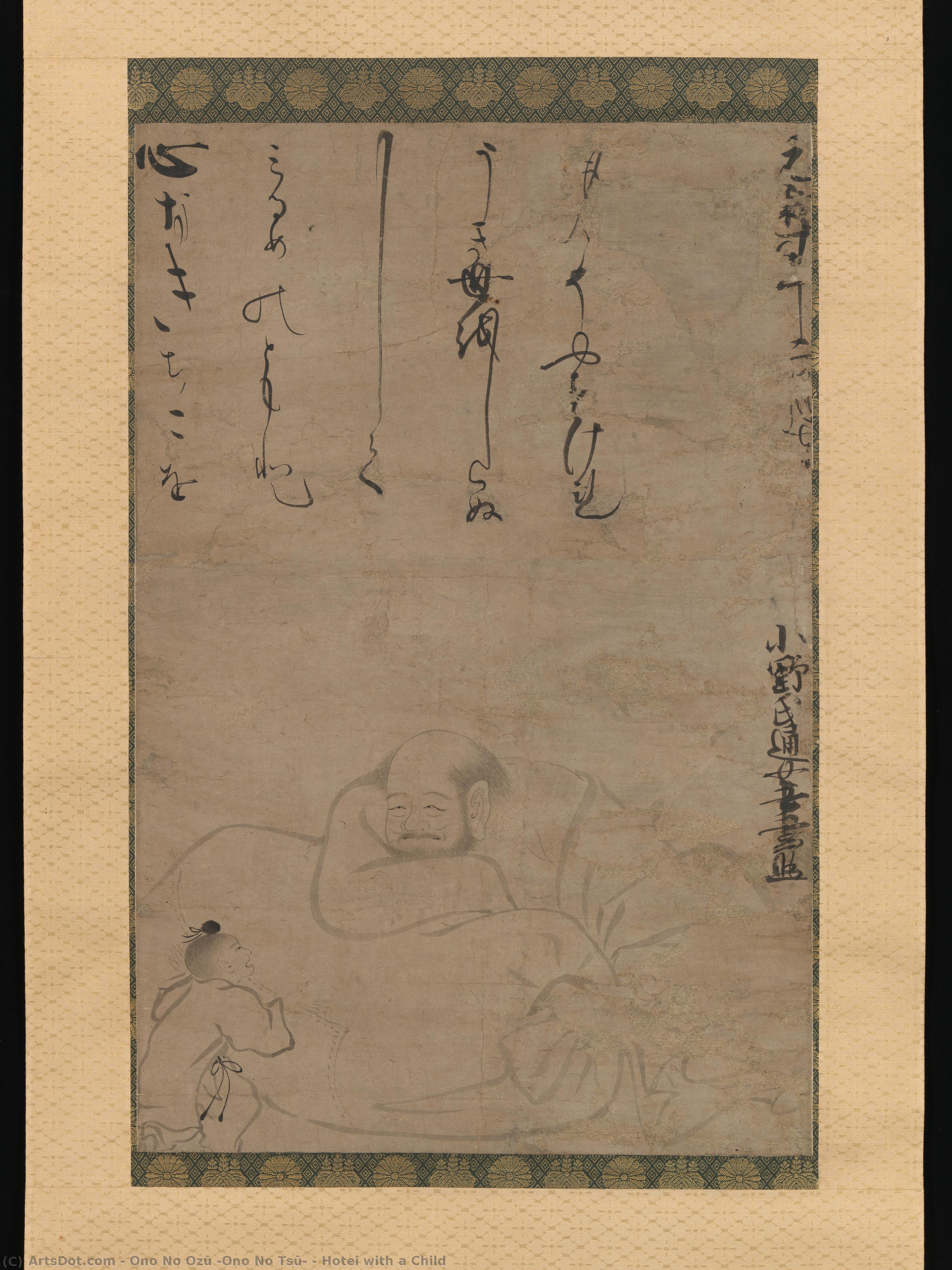
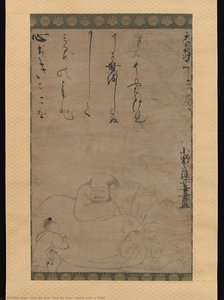
Hotei with a Child
 Acrylic On Canvas
- WallArt
- Japanese Edo Period Painting
 1624
1624 63.0 x 41.0 cm
 Metropolitan Museum of Art
 Read More
Hand Made Oil Reproduction
Hand-painted oil on canvas in your size and frame, made to order by our artists. ( Buy Print Buy Image)




P118B $10

P118H $10

P118W $10

P438Z $10

P508JH $12

P508YH $12

P805H $10

P805Z $10

P919BZ $10

P919G $10

P919XJ $10

P959ZH $10

P968JZ $12

W106C $8

W218G $10

W218JH $8

W218Y $10

W307PJ $10

W316G $10

W316PJ $8

W316Y $10

W398PJ $8

W4111J $10

W500HY $15

W500JH $15

W692G $12

W849H $8

W940BG $15

W953PJ $8




Pick from our preset sizes that match the artwork's original proportions.

You may enter your own dimensions to fit a specific frame or space. If your selected size does not match the original image's proportions, we will either crop the artwork or extend the painting with additional hand-painted elements. A digital mockup will be sent for your approval before production begins.
Please note that the on-screen preview does not reflect the actual cropping or extension. Only the mockup will accurately show the final composition.
While custom sizes are available, we recommend selecting a dimension from the predefined list to preserve the original proportions.
After order, ArtsDot.com team will email client for instructions and provide a mockup preview
Worldwide Delivery () in 3/4 weeks instead of standard 5 weeks. (21 August). No compromise on quality.

Free Worldwide Express Shipping

High-Quality Linen Canvas

Full Shipping Insurance

Customs Tax Refund Guarantee

True Color Matching Guarantee

60-Day Return Policy (Defects Only)

100% Money-Back Guarantee

Bulk Discount Offer
 Glass option is only available in size under 110 CM

Hotei with a Child
Reproduction Medium
Reproduction Size
-


Total Price
$ 263
Artwork Description
Related Artworks
Artist Biography
A Life Immersed in Art: The World of Ono no Ozū
Ono no Ozū, also known as Ono Otsū, was a remarkable figure within the vibrant cultural landscape of 16th and 17th century Japan. Born around 1567 in Tokyo into a noble samurai family, her life unfolded during a period of significant transition—the waning years of the Azuchi-Momoyama period giving way to the Edo shogunate. While precise details surrounding her early upbringing remain elusive, it is known that she received an exceptional education in the arts, blossoming into a polymath celebrated for her mastery of calligraphy, poetry, painting, and music. This dedication wasn’t merely a pursuit of refinement; it was a path that would lead her to become one of the most esteemed female calligraphers of premodern Japan, navigating the complex world of aristocratic patronage and leaving an indelible mark on Japanese artistic traditions.Kyoto: A Crucible of Artistic Development
The heart of Ono no Ozū’s artistic development lay in Kyoto, the imperial capital and a flourishing center for cultural expression. She immersed herself in the study of painting, calligraphy—the very essence of her later renown—music, chanting, and *waka* poetry, demonstrating an exceptional aptitude across multiple disciplines. This broad foundation was crucial; it wasn’t simply about technical skill but cultivating a holistic understanding of aesthetics and the interconnectedness of various art forms. Her talent quickly drew attention within Kyoto's aristocratic circles, leading to opportunities that would shape her career. She became associated with prominent families, including the powerful Toyotomi clan, potentially serving as a lady-in-waiting or attendant. This proximity to influential figures was not uncommon for talented women of her station, offering both access to patronage and exposure to discerning audiences.Patronage and Recognition in a Changing Era
Ono no Ozū’s artistic prowess extended beyond the confines of Kyoto's elite circles. Her work garnered recognition from members of the burgeoning Tokugawa shogunate—figures like Tokugawa Ieyasu and his son, Tokugawa Hidetada. She was frequently commissioned to teach calligraphy to courtiers, a testament to her skill as both an artist and educator. This patronage was particularly significant; it signified acceptance and validation within a new political order. The transition from the Azuchi-Momoyama period to the Edo shogunate brought about shifts in artistic tastes and priorities. Ono no Ozū’s ability to thrive during this time—to maintain her relevance and secure commissions—speaks volumes about her adaptability, talent, and the enduring appeal of her work. Her signature style, often incorporating elegant brushwork and refined compositions, resonated with the aesthetic sensibilities of the era.The Enduring Legacy: Calligraphy as a Reflection of Spirit
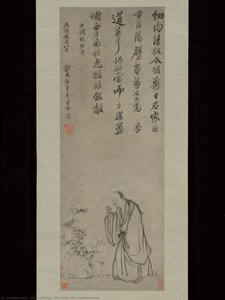
While much of Ono no Ozū’s life remains shrouded in historical ambiguity, her impact on Japanese calligraphy is undeniable. She was celebrated for her ability to infuse her work with both technical precision and emotional depth—a quality that distinguished her from many contemporaries. Her paintings, often featuring subjects like Hotei (the god of contentment), demonstrate a similar balance of skill and spiritual resonance. A prime example is “Hotei and a Child,” currently held in the Metropolitan Museum of Art’s collection, showcasing her delicate ink work and thoughtful composition. Beyond specific artworks, Ono no Ozū's legacy lies in her role as a leading female calligrapher during a period when artistic expression was often dominated by men. She paved the way for future generations of women artists, demonstrating that talent and dedication could transcend societal boundaries. Her influence continues to be felt today, inspiring scholars and artists alike to explore the rich traditions of Japanese calligraphy and the enduring power of art as a reflection of spirit and culture.Further Exploration
- Kasahara, Hisako. *The Women of the Ono House: Komachi and Ozū*. Tokyo, Kanrin Shobō, 2001.
- Ogura, Kazuha. *Ono no Ozū: The Momoyama Flower Revived from the Darkness of History*. Tokyo, Kawade Shobō Shinsha, 1994.
- Fister, Patricia. *Japanese Women Artists 1600–1900*. Lawrence, Spencer Museum of Art, University of Kansas, 1988.
ono no ozū (ono no tsū)
1567 - 1631 , Japan
Quick Facts
- Artistic Movement Or Style: Calligraphy, Painting
- Date Of Birth: 1567
- Date Of Death: 1631
- Full Name: Ono no Ozū (Ono no Tsū)
- Nationality: Japanese
- Notable Artworks: ['Hotei and a Child']
- Place Of Birth: Tokyo, Japan
Related Articles

Hokusai's Masterpieces: 25 Iconic Prints & Paintings for Art Lovers | ArtsDot
Journey through Katsushika Hokusai’s 25 most iconic artworks, including *The Great Wave*. Explore the ukiyo-e master's history, style & timeless Japanese woodblock prints. Find museum-quality reproductions for your home at ArtsDot.com.

Floating World: The Captivating Art and Legacy of Japanese Ukiyo-e
Explore the profound beauty of Japanese Ukiyo-e. Discover the history, masters like Hokusai, and the enduring legacy of the 'Floating World' through an expert art-historical lens.
Suzuki Harunobu: Pioneering Ukiyo-e & the Refinement of Edo Period Printmaking
Discover the revolutionary world of Suzuki Harunobu, a pioneer of ukiyo-e printmaking. Explore his exquisite nishiki-e techniques, diverse subjects & lasting impact on Japanese art history. Learn more at ArtsDot.
Ephemeral Landscapes: Hiroshige's Poetics of Transient Beauty in Edo Japan
Explore the captivating world of Utagawa Hiroshige's ukiyo-e landscapes. Discover his artistic innovations, influence on Western art, and the poetics of transient beauty in Edo period Japan. A guide for collectors & enthusiasts.
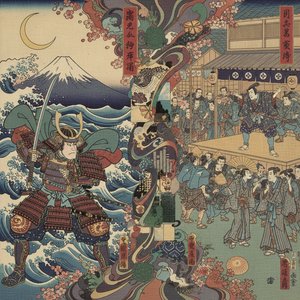
Utagawa Kuniyoshi: A Master of Japanese Ukiyo-e – Narrative Innovation & the Fusion of Tradition with Popular Culture
Explore the captivating world of Utagawa Kuniyoshi, a master of Japanese ukiyo-e woodblock prints. Discover his innovative warrior scenes, vibrant landscapes & lasting legacy in 19th-century art history.