 Preview
 Send
Send Share
Share
 Details

 Download
 Similars
 X-Ray
X-Ray Diaporama
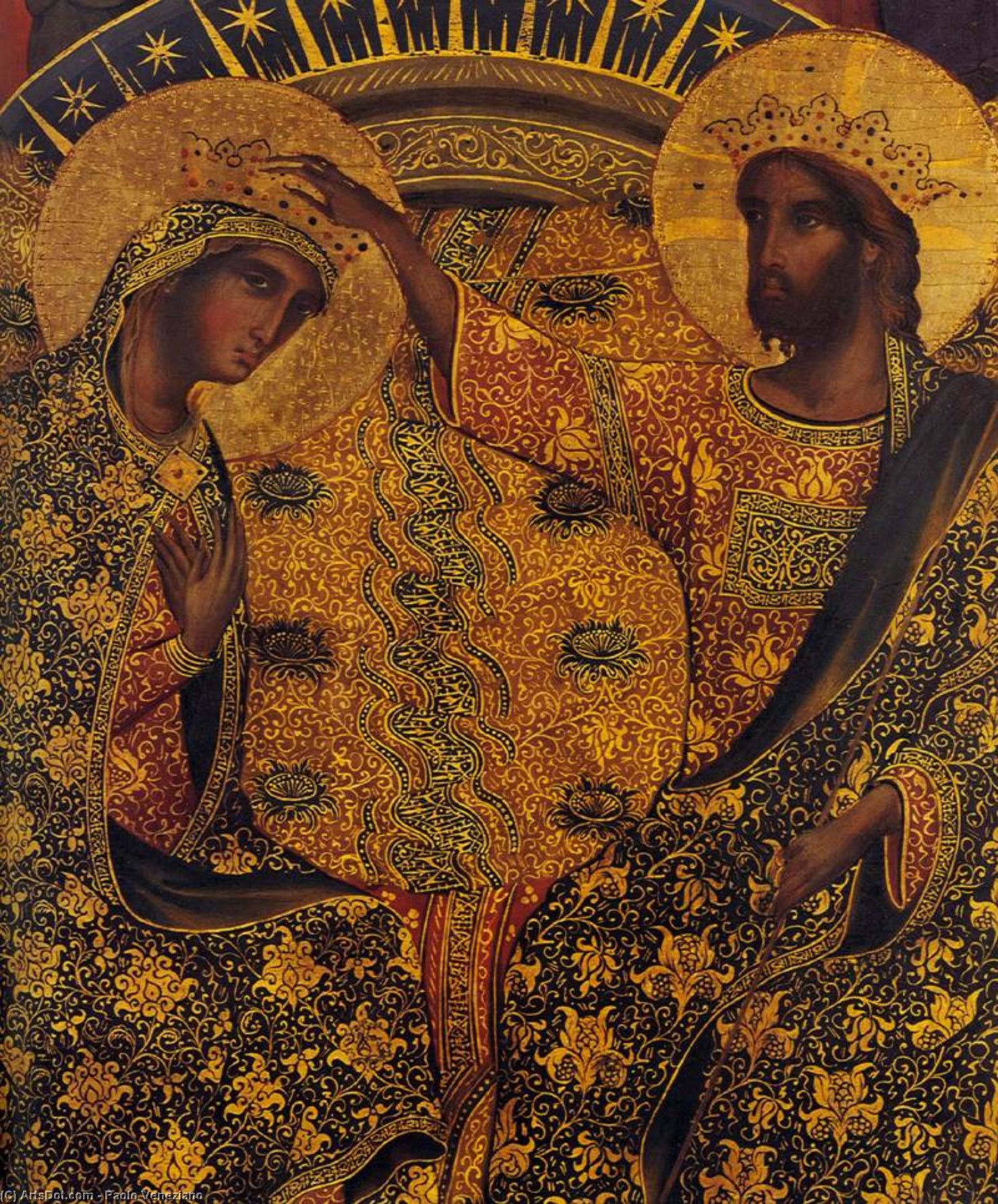
Polyptych (detail)
 Painting
- Gothic
 1350
1350 167.0 x 285.0 cm
 Gallerie dell'Accademia
 Read More
Hand Made Oil Reproduction
Hand-painted oil on canvas in your size and frame, made to order by our artists. ( Buy Print Buy Image)




P118B $10

P118H $10

P118W $10

P438Z $10

P508JH $12

P508YH $12

P805H $10

P805Z $10

P919BZ $10

P919G $10

P919XJ $10

P959ZH $10

P968JZ $12

W106C $8

W218G $10

W218JH $8

W218Y $10

W307PJ $10

W316G $10

W316PJ $8

W316Y $10

W398PJ $8

W4111J $10

W500HY $15

W500JH $15

W692G $12

W849H $8

W940BG $15

W953PJ $8




Pick from our preset sizes that match the artwork's original proportions.

You may enter your own dimensions to fit a specific frame or space. If your selected size does not match the original image's proportions, we will either crop the artwork or extend the painting with additional hand-painted elements. A digital mockup will be sent for your approval before production begins.
Please note that the on-screen preview does not reflect the actual cropping or extension. Only the mockup will accurately show the final composition.
While custom sizes are available, we recommend selecting a dimension from the predefined list to preserve the original proportions.
After order, ArtsDot.com team will email client for instructions and provide a mockup preview
Worldwide Delivery () in 3/4 weeks instead of standard 5 weeks. (16 August). No compromise on quality.

Free Worldwide Express Shipping

High-Quality Linen Canvas

Full Shipping Insurance

Customs Tax Refund Guarantee

True Color Matching Guarantee

60-Day Return Policy (Defects Only)

100% Money-Back Guarantee

Bulk Discount Offer
 Glass option is only available in size under 110 CM

Polyptych (detail)
Reproduction Medium
Reproduction Size
-


Total Price
$ 263
Artwork Description
A Glimpse into Divine Intercession: The Majesty of Paolo Veneziano's Polyptych Detail
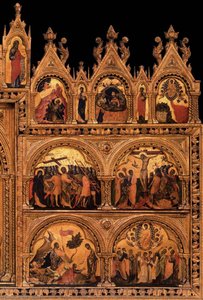
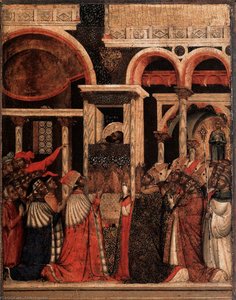
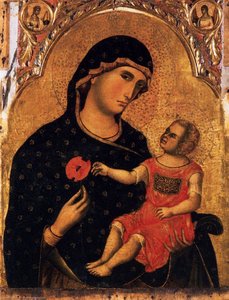
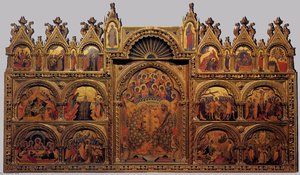
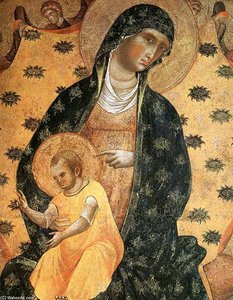
To stand before this detail from a polyptych by Paolo Veneziano is to step directly into the luminous heart of fourteenth-century Venice. This work, dating to 1350, is not merely a depiction of sacred figures; it is a profound meditation on devotion, divine connection, and the exquisite synthesis of artistic styles at a pivotal moment in art history. The composition centers around Mary and Jesus, two figures whose raised hands seem caught in an eternal moment of prayer or offering—a gesture that speaks volumes of humanity reaching toward the infinite.
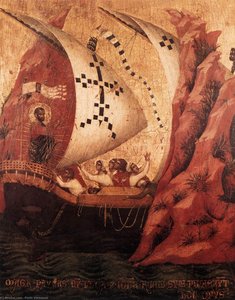
The sheer grandeur suggested by the original scale (167 x 285 cm) is palpable even in this detail. The entire scene unfolds against a breathtaking gold background, a choice that immediately elevates the narrative from earthly reality to heavenly realm. This use of gold leaf was not simply decorative; it was an act of theological statement, symbolizing the uncreated light of God itself.
The Synthesis of Styles: Byzantine Echoes Meet Gothic Grace
Paolo Veneziano himself is celebrated as a pioneer precisely because he managed this delicate stylistic negotiation. His art acts as a bridge—a magnificent passage from the rigid, symbolic splendor of the Byzantine tradition toward the burgeoning emotionalism and naturalism of the Gothic era. Observe the figures: while their poses retain a certain formal majesty reminiscent of earlier empires, there is an emerging tenderness in their gestures, a human warmth that betrays the divine subject matter. This masterful blending gives the piece its unique resonance; it feels both timelessly sacred and intimately relatable.
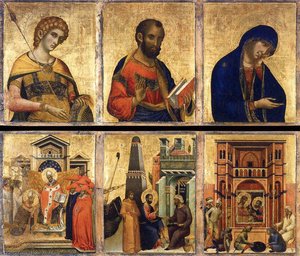
The inclusion of smaller, scattered figures throughout the composition adds layers to this narrative tapestry. They function like celestial witnesses, drawing the viewer's eye across the surface, suggesting a vast, populated heavenly court surrounding the central act of devotion. It invites contemplation on the breadth of salvation and divine participation.
Symbolism and Spiritual Resonance
The symbolism woven into this polyptych is rich and multilayered. The pairing of Mary and Jesus immediately evokes themes of intercession and divine grace. Their upward-reaching hands are universal symbols—they speak to supplication, praise, and the offering of the soul. In the context of 14th-century piety, such imagery served as a powerful visual catechism for the faithful. The gold background reinforces this spiritual weight, suggesting that the actions depicted are eternal truths, untouched by the passage of time.
For the modern collector or designer, understanding this symbolism allows the artwork to transcend mere decoration. It becomes a focal point of contemplation, an object imbued with centuries of devotional history and profound human aspiration.
A Touch of Venetian Luminosity for Your Space
To bring the spirit of Paolo Veneziano into your contemporary setting is to infuse it with unparalleled historical depth and luminous artistry. When considering a hand-painted reproduction, one is acquiring more than just an image; you are acquiring a piece of art history that speaks of Venice at its zenith—a place where commerce met profound spirituality. The rich tonality, the weight of the gold, and the gentle narrative flow make this detail ideal for creating an atmosphere of hushed reverence or opulent contemplation within any grand hall, library, or sacred space.
This reproduction allows you to own a piece that captures the very moment art was evolving, offering both the formality of antiquity and the emotional accessibility of the Renaissance spirit. It is a testament to enduring faith rendered in breathtaking pigment.
Related Artworks

Artist Biography
The Venetian Pioneer of Byzantine and Gothic Synthesis
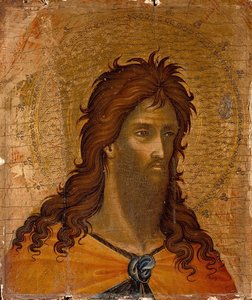
Paolo Veneziano (c. 1333 – 1358) stands as a monumental figure in the history of Venetian art, recognized universally as the most important Venetian painter of the fourteenth century. Born into an artistic lineage within the heart of Venice—his father being a renowned artist himself—Veneziano’s brief but brilliant career coincided with a transformative period in European painting. He acted as a vital bridge, spanning the stylistic gap between the rigid, golden grandeur of the Byzantine tradition and the burgeoning, more fluid elegance of the Gothic style. His legacy extends far beyond his short lifetime, establishing him as the true founder of the Venetian school, an artistic movement that would dominate production throughout the century and profoundly influence subsequent masters such as Lorenzo Veneziano.
The essence of Veneziano’s genius lies in his ability to harmonize disparate worlds. While his training was deeply rooted in the Byzantine influences that permeated the Venetian Republic—a style characterized by iconographic stability, preciousness, and a sense of the divine—he possessed an astute awareness of contemporary developments flowing from Rimini and other Italian artistic centers. By incorporating Gothic elements into his compositions, he introduced a new level of sophistication and movement. This dual engagement ensured that his work did not merely echo the glories of the past but actively participated in the evolving, dynamic landscape of the mid-14th century.
A Masterpiece of Devotion and Patronage
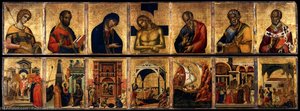
The zenith of Veneziano’s artistic achievement is perhaps most vividly captured in his involvement with the Pala Feriale, or weekday altarpiece, commissioned for the prestigious St. Mark’s Basilica in Venice. This monumental project was a collaborative triumph, undertaken alongside his sons, Marco and Luca. The resulting polyptych serves as a breathtaking testament to Venetian patronage and technical prowess. In this work, one can observe the meticulous application of gold leaf and the careful arrangement of sacred figures, creating a celestial vision that reflects both the wealth of the Republic and the deep piety of its citizens.
Through such large-scale commissions, Veneziano demonstrated his ability to manage complex iconographic programs that satisfied both religious requirements and the aesthetic desires of the Venetian state. His technique involved:
- The use of luminous gold grounds to evoke a sense of eternal, divine light.
- Intricate ornamentation that mirrored the luxurious textiles and mosaics found within Venice itself.
- A delicate balance of line and color that allowed for the emergence of more naturalistic, Gothic drapery over the traditional Byzantine forms.
Historical Significance and Lasting Legacy
Though his life was tragically short, ending in 1358, the impact of Paolo Veneziano on the trajectory of Western art is immeasurable. He did not merely paint; he defined a visual language for a maritime empire. By synthesizing the Eastern influence of Byzantium with the Western innovations of the Gothic period, he created a unique "Venetian" style—one that was opulent, international, and deeply evocative. This stylistic synthesis provided the foundation upon which the later, more celebrated Renaissance masters would build.
His importance to art history cannot be overstated, as he transformed Venice from a mere recipient of foreign artistic styles into a primary creator of its own distinct aesthetic identity. The lineage he established through his workshop and his sons ensured that the Venetian school would remain a dominant force in European art for generations, leaving an indelible mark on the history of the Italian Renaissance.
Paolo Veneziano
1333 - 1358 , Italy
Quick Facts
- Artistic Movement Or Style: Byzantine influence & Gothic art
- Artists Or Movements Influenced By This Artist: ['Marco di Paolo Veneziano']
- Artists Who Influenced This Artist: ['Lorenzo Veneziano']
- Date Of Birth: c. 1333
- Date Of Death: 1358
- Full Name: Paolo Veneziano
- Nationality: Italian
- Notable Artworks:
- Pala Feriale
- Panel of a Polyptych
- Place Of Birth: Venice, Italy
Related Articles
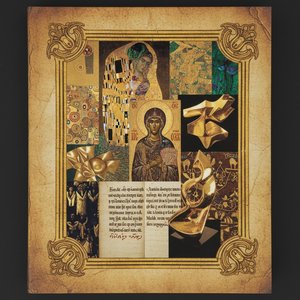
The Allure of Gold in Art History: Symbolism, Technique & Cultural Significance
Explore the rich history of gold in art! Discover symbolism, techniques & cultural significance from ancient civilizations to Klimt's masterpieces. Expert insights for collectors at ArtsDot.
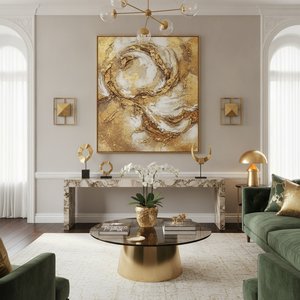
Golden Glow: How to Use Metallic Gold Artworks to Elevate Your Home Decor with Timeless Luxury
Discover how to elevate your home with the timeless elegance of metallic gold artworks. From sculptural metal pieces to gilded oil paintings, learn expert interior design tips for integrating luxurious gold accents into your space with sophistication and grace.

Jacopo Tintoretto's Masterpieces: 25 Paintings That Define Venetian Drama | ArtsDot
Explore 25 breathtaking masterpieces by Jacopo Tintoretto, the Venetian master of drama and light. Discover the stories behind iconic Renaissance paintings & find museum-quality art reproductions to elevate your home decor on ArtsDot.com.

Golden Masterpieces: 10 Paintings That Define Art History | ArtsDot
Explore 10 breathtaking paintings where gold leaf shines! From Klimt to Byzantine icons, discover art history’s most gilded masterpieces. Find museum-quality reproductions & elevate your home decor with ArtsDot. Explore the full collection online.

Giotto's Masterpieces: 25 Renaissance Artworks for Your Home | ArtsDot
Explore 25 breathtaking artworks by Giotto di Bondone, a Renaissance master. Discover the stories behind iconic frescoes & paintings like the Scrovegni Chapel cycle. Find museum-quality Giotto reproductions and elevate your home decor with ArtsDot.com.