

 Preview
 Send
Send Share
Share
 Details

 Download
 Similars
 X-Ray
X-Ray Diaporama
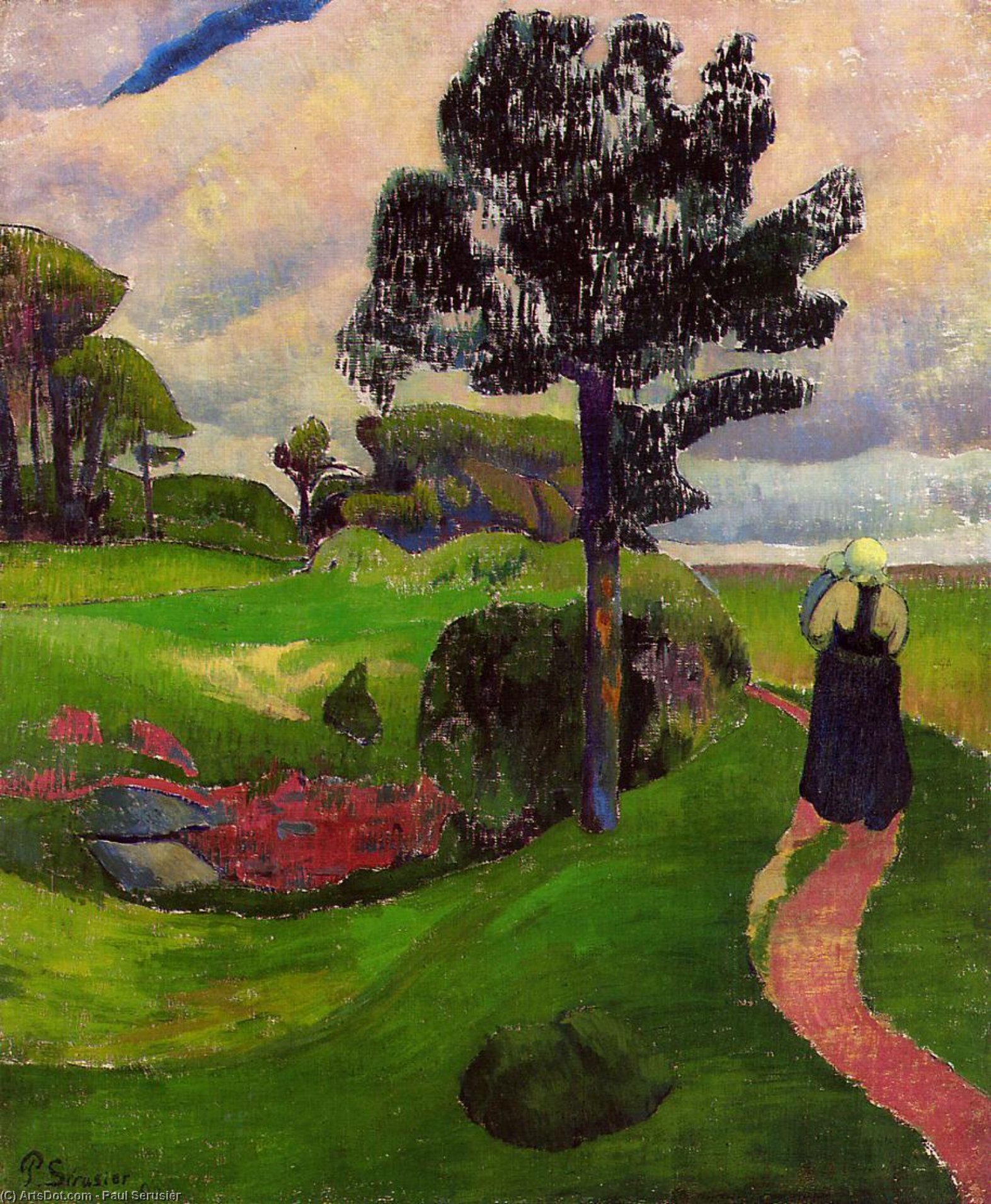
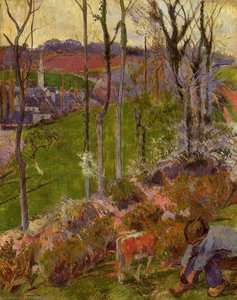
Mother and Child on a Breton Landscape
 Oil On Canvas
- WallArt
- Synthetism
 1890
1890- 19th Century
 73.0 x 60.0 cm
 Read More
Purchase a high-resolution, enhanced digital image, far superior to the online preview.
Each file is meticulously prepared by our in-house specialists using advanced tools and expert manual retouching. We ensure every image has exceptional clarity, precise color accuracy, and fine detail.
The final file is delivered via email within 72 hours, optimized for immediate use in professional, editorial, and print environments. This is the same quality trusted by top-tier design studios, publishers, and galleries.
Digital Image
Download a high-resolution file for personal display, printing, and creative projects. ( Buy Print Buy Hand Made Painting)
Included in Every Digital Image Order
Expert Digital Delivery, Guaranteed
When you choose ArtsDot.com, you're not just getting an image - you're receiving a professionally enhanced digital artwork, crafted with precision and backed by a satisfaction guarantee. Here's everything that comes with your order, automatically:

Fast Email Delivery
Your high-resolution digital image file will be emailed to you within 72 hours of ordering - ready for immediate use.

AI-Enhanced Digital File
Your artwork is professionally optimized using advanced AI tools and manual editing, ensuring maximum detail, clarity, and color accuracy.

Free Lifetime Re-Delivery
Accidentally deleted or lost your file? No worries - we'll resend it to you anytime, free of charge.

No Import Fees - Ever
Enjoy your artwork instantly with zero customs, duties, or delivery fees - digital downloads are always tax-free.

Color Accuracy Guarantee
We ensure your digital image reflects the original colors as closely as possible using professional tools and color management.

60-Day Satisfaction Guarantee
If you're not satisfied with your digital image, we'll revise it or refund 100% within 60 days - no questions asked.

100% Money-Back Guarantee
Not satisfied? Get a full refund within 60 days of receiving your digital file - no questions asked.

Bulk Order Discounts
Buy 3 images, save 10% - Buy 5, save 15% - Buy 10+, save 20%. Great for creative projects, galleries, and agencies.
Collectible Description
Mother and Child on a Breton Landscape: A Glimpse of Serene Harmony
Paul Sérusier's "Mother and Child on a Breton Landscape," painted in 1890, is more than just a depiction of everyday life; it’s an embodiment of the Synthetist movement’s ideals. The painting portrays a woman gently carrying her child along a path winding through a verdant Breton countryside. Surrounded by trees bathed in soft light, the scene evokes a profound sense of peace and tranquility. This work exemplifies Sérusier's commitment to capturing not just visual reality but also the spiritual essence of his subjects.
The Essence of Synthetism
Synthetism emerged as a reaction against Impressionism, spearheaded by artists like Paul Gauguin, Émile Bernard, and Louis Anquetin. Rather than focusing on fleeting moments of light and color, Synthetists sought to distill their subjects into simplified forms and symbolic representations. They employed bold colors, flattened perspectives, and geometric shapes to create a sense of harmony and balance—a deliberate departure from the Impressionist emphasis on optical realism. Sérusier’s painting perfectly embodies these principles; the figures are rendered with broad strokes and simplified features, while the landscape is composed of blocks of color rather than meticulously detailed forms.
Technique and Materials
Sérusier masterfully utilized oil paints on canvas to achieve a rich depth and texture. The visible brushstrokes contribute to the painting's overall sense of warmth and intimacy. He employed an impasto technique, applying thick layers of paint that create a tactile surface, inviting viewers to engage with the artwork on a sensory level. The color palette is dominated by earthy greens and blues, punctuated by subtle touches of red and pink, creating a harmonious and calming visual experience. The deliberate use of these colors contributes to the painting’s overall mood of serenity and contemplation.
Symbolism and Emotional Impact
Beyond its aesthetic appeal, "Mother and Child on a Breton Landscape" carries symbolic weight. The mother and child represent universal themes of nurturing, protection, and familial love. The Breton landscape itself symbolizes connection to nature and the enduring strength of rural life. The tree in the background can be interpreted as a symbol of resilience and growth. Sérusier’s intention was not merely to depict a scene but to evoke an emotional response—a sense of quiet contemplation and appreciation for the simple joys of life. The painting's overall effect is one of gentle beauty, inviting viewers to pause and reflect on the enduring power of human connection and the tranquility of the natural world.
Paul Sérusier: A Pioneer of Abstract Art
Paul Sérusier (1864-1927) was a French painter who played a pivotal role in the development of abstract art. He studied at the Académie Julian and, crucially, spent time with Paul Gauguin in Pont-Aven, where he produced "The Talisman," considered a landmark work in Cloisonnism and a precursor to abstraction. Sérusier’s exploration of simplified forms and symbolic representation significantly influenced the Nabis movement and paved the way for later abstract artists. Other notable works by Sérusier include “Melancholia, or Breton Eve” and "The Incantation (The Holy Wood)," further demonstrating his unique artistic vision.
Related Artworks
Artist Biography
early life and education
paul sérusier, a french painter, was born on november 9, 1864, in paris. he studied at the académie julian, where he became a monitor in the mid-1880s. this marked the beginning of his artistic journey, which would eventually lead him to pioneer abstract art and inspire the avant-garde nabis movement, synthetism, and cloisonnism.artistic career
in the summer of 1888, sérusier traveled to pont-aven, where he joined a small group of artists centered around paul gauguin. under gauguin's close supervision, sérusier painted "the talisman," an extreme exercise in cloisonnism that approximated pure abstraction. this piece showcased his innovative style and willingness to experiment with new techniques. as a post-impressionist painter, sérusier was part of the group les nabis, alongside pierre bonnard, édouard vuillard, and maurice denis. although not as widely recognized as some of his peers, sérusier's contributions to the development of abstract art are undeniable.notable works and legacy
some of sérusier's notable works include:- l'averse (1893), musée d'orsay, paris
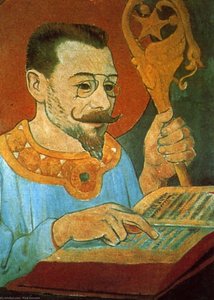
- portrait of paul ranson (1890), musée d'orsay, paris
- melancholy (1890)
- the snake eaters (1894), muzeum narodowe, warsaw
artistic movement and influence
sérusier's work was influenced by cloisonnism, a style characterized by bold and flat forms separated by dark contours. this movement, which emerged in the late 19th century, played a significant role in shaping the development of modern art.- explore more on cloisonnism: the cloisonnism art movement
- discover sérusier's work: paul serusier | ArtsDot.com
- learn about the nabis movement: the nabis art movement
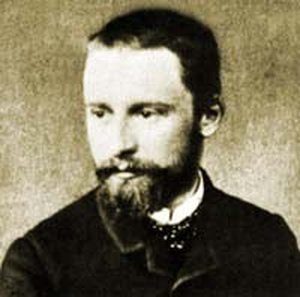
Paul Sérusier
1864 - 1927 , France
Quick Facts
- Artistic Movement Or Style: Post-Impressionism
- Artists Who Influenced This Artist:
- Paul Gauguin
- Maurice Denis
- Date Of Birth: November 9, 1864
- Full Name: Louis-Paul-Henri Sérusier
- Nationality: French
- Notable Artworks:
- The Talisman
- Landscape at the Bois d’Amour
- Place Of Birth: Paris, France

