 Preview
 Send
Send Share
Share
 Details

 Download
 Similars
 X-Ray
X-Ray Diaporama
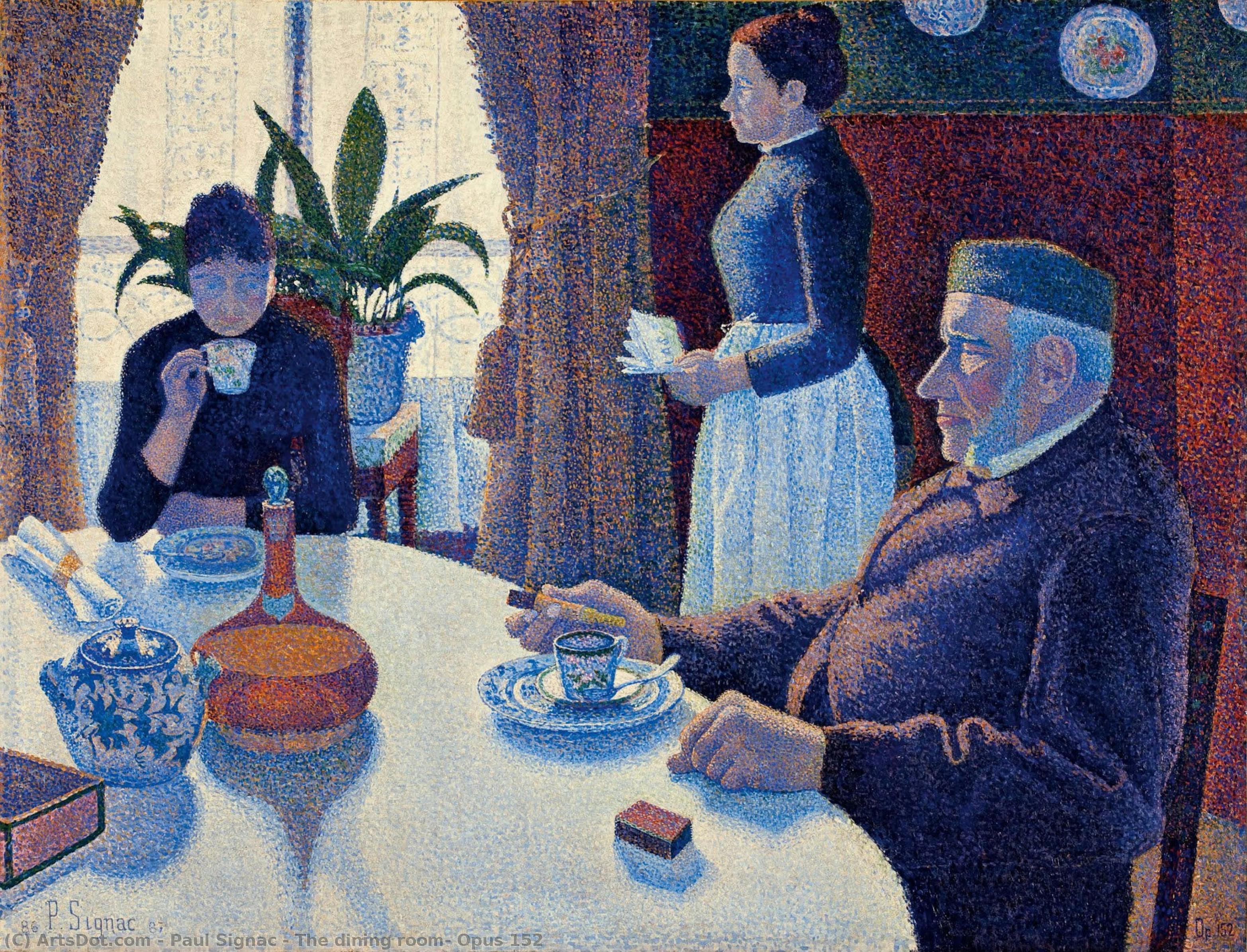
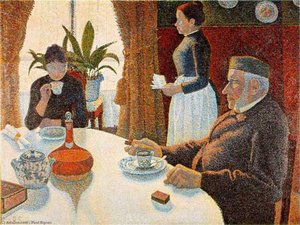
The dining room, Opus 152
 Acrylic On Canvas
- WallArt
- Neo-Impressionism
 1887
1887 16.0 x 89.0 cm
 Kröller-Müller Museum
 Read More
Giclée / Art Print
Museum-quality giclée or canvas print with fast production and flexible finish options. ( Buy Hand Made Painting Buy Image)




P118B $10

P118H $10

P118W $10

P438Z $10

P508JH $12

P508YH $12

P805H $10

P805Z $10

P919BZ $10

P919G $10

P919XJ $10

P959ZH $10

P968JZ $12

W106C $8

W218G $10

W218JH $8

W218Y $10

W307PJ $10

W316G $10

W316PJ $8

W316Y $10

W398PJ $8

W4111J $10

W500HY $15

W500JH $15

W692G $12

W849H $8

W940BG $15

W953PJ $8




Pick from our preset sizes that match the artwork's original proportions.

You may enter your own dimensions to fit a specific frame or space. If your selected size does not match the original image's proportions, we will either crop the artwork or extend the image with a mirrored or solid-fill edge. A digital mockup will be sent for your approval before production begins.
Please note that the on-screen preview does not reflect the actual cropping or extension. Only the mockup will accurately show the final composition.
While custom sizes are available, we recommend selecting a dimension from the predefined list to preserve the original proportions.
Worldwide Delivery () in 2 weeks instead of standard 4/5 weeks. (16 August)

Free Worldwide Express Shipping

High-Quality Linen Canvas

Full Shipping Insurance

Customs Tax Refund Guarantee

True Color Matching Guarantee

60-Day Return Policy (Defects Only)

100% Money-Back Guarantee

Bulk Discount Offer
 Glass option is only available in size under 110 CM

The dining room, Opus 152
Giclée / Art Print
Reproduction Size
-


Total Price
$ 63
Collectible Description
The Quiet Resonance of Bourgeois Life: Paul Signac’s “The Dining Room”
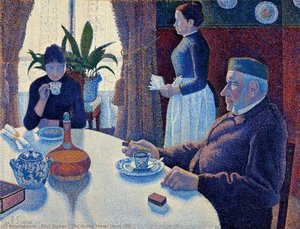
Paul Signac's "The Dining Room," painted in 1887, isn’t merely a snapshot of a domestic scene; it’s a carefully constructed meditation on the complexities of modern life. Emerging from the vibrant crucible of Neo-Impressionism alongside Georges Seurat, Signac sought to move beyond the fleeting impressions of Monet and capture a more enduring truth through scientific analysis of color and light. This painting exemplifies that ambition, offering a glimpse into the lives of his family – his mother, grandfather, and housekeeper – rendered with an almost unsettling stillness within a meticulously designed interior.
The work’s core lies in Signac's innovative application of Pointillism, a technique he developed alongside Seurat. Rather than blending colors on the palette, Signac painstakingly applied tiny, distinct dots of pure color—primarily blues, yellows, and oranges-greens – directly onto the canvas. These individual points, when viewed from a distance, coalesce in the viewer’s eye to create an illusion of blended hues and subtle tonal variations. This method wasn't simply about visual trickery; it represented a systematic approach to painting, rooted in the belief that color perception was fundamentally optical. The deliberate arrangement of these dots creates a shimmering surface, almost like a mosaic, inviting prolonged observation and revealing the intricate layering of light and shadow.
A Study in Contrasting Hues and Static Forms
Signac’s masterful use of complementary colors—the interplay between blue and orange, yellow and green—dominates the composition. These pairings generate visual tension and dynamism within the otherwise restrained scene. The figures themselves are presented with a remarkable degree of formality: frontal poses, profile views, and an absence of expressive gestures. They exist as types – representatives of a timeless bourgeoisie – rather than individuals with distinct personalities or emotions. This deliberate detachment elevates the painting beyond a simple depiction of a family meal; it becomes a commentary on the self-contained nature of this social class, their lives seemingly governed by routine and devoid of genuine interaction.
The room itself is rendered with careful attention to detail, from the meticulously arranged silverware and tableware to the potted plants that introduce a touch of naturalism. The window behind the figures casts a strong, directional light, creating dramatic contrasts between illuminated areas and deep shadows. This interplay of light and dark not only adds depth to the scene but also subtly emphasizes the formality and stillness of the subjects. Notice how Signac uses the light to define the shapes of the furniture and the figures, contributing to the overall sense of order and control.
Symbolism and a Critique of Civic Life
Beyond its technical brilliance, “The Dining Room” carries a subtle layer of social critique. As an anarchist at heart, Signac used his art to challenge the prevailing values of bourgeois society – its self-satisfaction, its emphasis on material possessions, and its perceived authoritarianism. The figures’ impassive expressions and lack of communication suggest a world where genuine connection is sacrificed in favor of outward appearances and social conformity. The painting isn't celebrating domesticity; it’s presenting a carefully constructed façade, hinting at the underlying tensions and unspoken anxieties within this seemingly idyllic setting.
Considered alongside Signac’s broader artistic philosophy, “The Dining Room” stands as a pivotal work in the development of modern art. It represents a shift away from purely subjective impressions towards a more scientific and analytical approach to painting—a legacy that profoundly influenced artists like Vincent van Gogh and Piet Mondriaan. Reproductions of this captivating piece offer an exceptional opportunity to appreciate Signac’s innovative technique and his insightful commentary on the complexities of human experience.
Related Artworks
Artist Biography
The Harmonious Vision of Paul Signac
Paul Victor Jules Signac, born in Paris in 1863, emerged as a pivotal figure in the evolution of modern art, inextricably linked to the birth and development of Neo-Impressionism. Initially drawn to architecture, a youthful encounter with Claude Monet’s exhibition ignited within him an enduring passion for painting, setting him on a path that would redefine color theory and artistic expression. Signac wasn't merely a painter; he was a dedicated explorer of light, color, and the very science underpinning visual perception. His early works, though demonstrating Impressionistic leanings, quickly evolved under the profound influence of Georges Seurat, forging a partnership that birthed Pointillism – a technique characterized by the meticulous application of tiny, distinct dots of pure color intended to blend optically in the viewer’s eye. This wasn't simply about aesthetics; it was an attempt to systematize painting, grounding it in scientific principles and challenging conventional artistic norms.A Dialogue with Seurat and the Birth of Neo-Impressionism
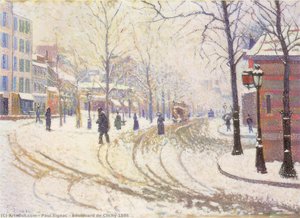
The meeting between Signac and Seurat in 1884 proved transformative for both artists. They shared a fascination with Eugène Delacroix’s writings on color theory, particularly his exploration of complementary contrasts and the emotional impact of hue. Together, they embarked on a rigorous investigation into these principles, translating them into a revolutionary painting technique. Signac wholeheartedly embraced Seurat's vision, abandoning the fleeting brushstrokes of Impressionism for the precise, calculated application of points of color. Boulevard de Clichy (1886) stands as an early testament to this new approach, showcasing Signac’s meticulous style and his commitment to capturing the vibrancy of urban life through a scientific lens. However, their collaboration wasn't merely technical; it was intellectual, fueled by a shared desire to elevate painting to the level of a rigorous science. Signac became a devoted advocate for Seurat’s ideas, tirelessly promoting Neo-Impressionism and defending its principles against criticism. The tragic early death of Seurat in 1891 left Signac as the principal champion of their shared artistic vision, a role he embraced with unwavering dedication.Coastal Reveries and Artistic Independence
Following Seurat’s passing, Signac's artistic journey took on a new dimension, deeply influenced by his profound love for sailing and the allure of the Mediterranean coast. He discovered Saint-Tropez in 1892, establishing a home there that became a haven for artists and a source of endless inspiration. The shimmering waters, sun-drenched harbors, and picturesque coastal towns provided an ideal setting to explore the interplay of light and color. The Red Buoy, Saint-Tropez (1895) exemplifies this period, showcasing his mastery of Pointillism in capturing the vibrant hues and dynamic energy of the sea. His technique evolved, becoming more fluid and expressive while retaining its scientific foundation. He began to experiment with larger brushstrokes and a broader palette, moving beyond strict adherence to Seurat’s precise dotting method. Signac's travels extended beyond France, encompassing Italy, Holland, and even Constantinople, each journey enriching his artistic vocabulary and broadening his perspective.A Patron of the Avant-Garde and Lasting Legacy
Beyond his own artistic pursuits, Signac played a crucial role in fostering the development of modern art through his leadership within the Société des Artistes Indépendants. As president from 1908 until his death in 1935, he championed artistic freedom and provided a platform for emerging talents, including Henri Matisse, André Derain, and other pioneers of Fauvism and Cubism. He was among the first to recognize and support their groundbreaking work, exhibiting controversial pieces that challenged conventional aesthetic norms. Signac’s commitment to inclusivity and his willingness to embrace innovation helped shape the trajectory of 20th-century art. His theoretical writings, notably From Eugène Delacroix to Neo-Impressionism (1899), further solidified his position as a leading intellectual figure in the art world. Paul Signac’s legacy extends far beyond his captivating paintings; he was a visionary artist, a dedicated theorist, and a generous patron who profoundly influenced the course of modern art, leaving an indelible mark on generations of artists to come.Key Dates & Achievements
- 1863: Born in Paris, France.
- 1884: Co-founded the Société des Artistes Indépendants with Georges Seurat.
- 1886: Painted *Boulevard de Clichy*, a key example of early Pointillism.
- 1895: Created *The Red Buoy, Saint-Tropez*, showcasing his mastery of coastal scenes.
- 1899: Published *From Eugène Delacroix to Neo-Impressionism*, a seminal work on color theory.
- 1908 – 1935: Served as President of the Société des Artistes Indépendants, championing avant-garde artists.
- 1935: Passed away in Paris at the age of 72, leaving behind a rich artistic legacy.
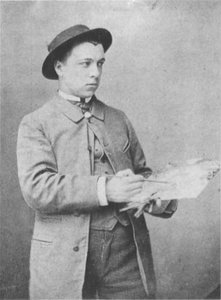
Paul Signac
1863 - 1935 , France
Quick Facts
- Artistic Movement Or Style: Neo-Impressionism, Pointillism
- Artists Or Movements Influenced By This Artist:
- Henri Matisse
- Fauvism
- André Derain
- Artists Who Influenced This Artist:
- Claude Monet
- Georges Seurat
- Date Of Birth: November 11, 1863
- Date Of Death: August 15, 1935
- Full Name: Paul Victor Jules Signac
- Nationality: French
- Notable Artworks:
- Boulevard de Clichy
- The Red Buoy
- La Valleuse
- The Velodrome
- Town Beach, Collioure
- Place Of Birth: Paris, France
Related Articles

Cézanne's Masterpieces: 25 Iconic Artworks to Transform Your Space
Journey through 25 iconic artworks by Paul Cézanne – a master of Impressionism and Post-Impressionism. Explore his landscapes, still lifes, and the stories behind these timeless masterpieces. Discover museum-quality reproductions & curated decor at ArtsDot.com.
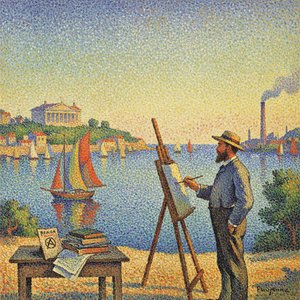
Paul Signac: Pointillism, Politics & the Pursuit of Harmony in Modern Art
Explore the life & art of Paul Signac, a key figure in Neo-Impressionism. Discover his Pointillist technique, anarchist beliefs, and stunning coastal scenes. Learn about his influence on modern art history.
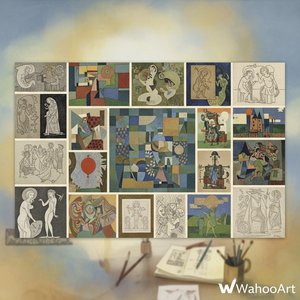
Paul Klee's Masterpieces: Explore 25 Iconic Paintings & Prints | ArtsDot
Journey through Paul Klee's 25 most iconic paintings & prints. Explore his abstract style, Bauhaus influence, and vibrant color palettes. Find museum-quality art reproductions & decor ideas at ArtsDot.com. Discover all masterpieces online.
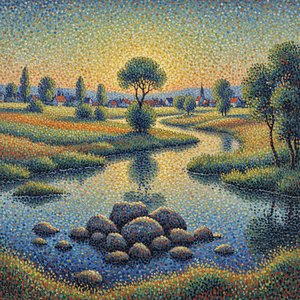
Chromatic Islands: Exploring the Theory & Legacy of Pointillism in 19th-Century Art
Explore the revolutionary world of Pointillism! Discover Georges Seurat's color theory, techniques & lasting impact on art history. Learn about Signac, Luce & Neo-Impressionism’s scientific approach to painting.
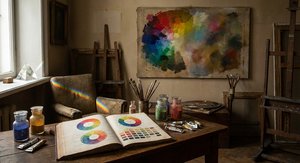
Chromatic Harmonies & Discord: A History of Color Theory in Art
Explore the fascinating evolution of color theory in art history! Discover Impressionism, Neo-Impressionism & beyond with expert insights for collectors and enthusiasts. Learn about Seurat's techniques & the psychology of color.