 Preview
 Send
Send Share
Share
 Details

 Download
 Similars
 X-Ray
X-Ray Diaporama
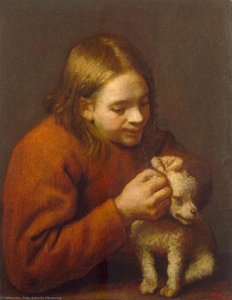
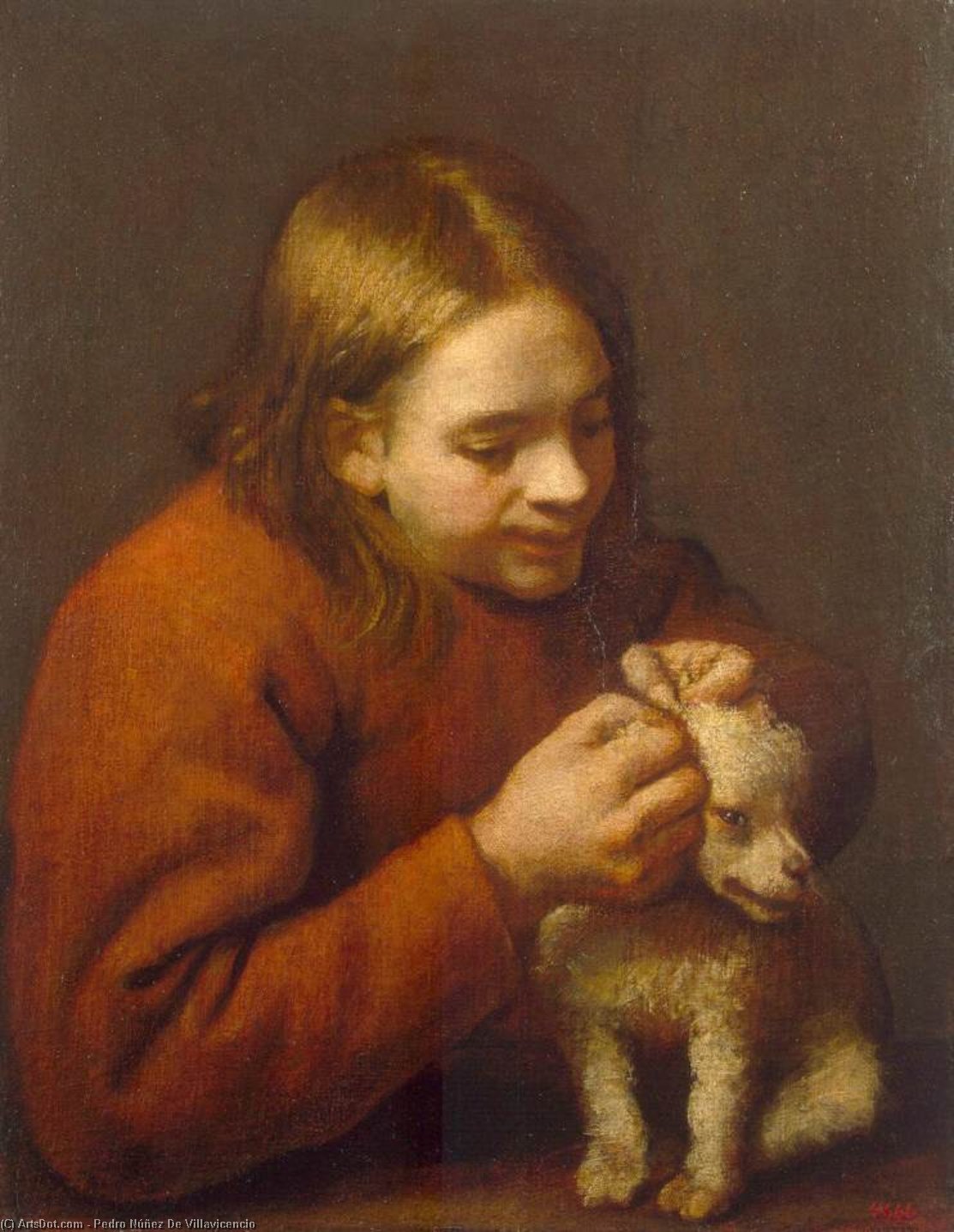
Boy Looking for Fleas on a Dog
 Oil On Canvas
- WallArt
- Baroque
 1650
1650 61.0 x 48.0 cm
 Hermitage Museum
 Read More
Hand Made Oil Reproduction
Hand-painted oil on canvas in your size and frame, made to order by our artists. ( Buy Print Buy Image)




P118B $10

P118H $10

P118W $10

P438Z $10

P508JH $12

P508YH $12

P805H $10

P805Z $10

P919BZ $10

P919G $10

P919XJ $10

P959ZH $10

P968JZ $12

W106C $8

W218G $10

W218JH $8

W218Y $10

W307PJ $10

W316G $10

W316PJ $8

W316Y $10

W398PJ $8

W4111J $10

W500HY $15

W500JH $15

W692G $12

W849H $8

W940BG $15

W953PJ $8




Pick from our preset sizes that match the artwork's original proportions.

You may enter your own dimensions to fit a specific frame or space. If your selected size does not match the original image's proportions, we will either crop the artwork or extend the painting with additional hand-painted elements. A digital mockup will be sent for your approval before production begins.
Please note that the on-screen preview does not reflect the actual cropping or extension. Only the mockup will accurately show the final composition.
While custom sizes are available, we recommend selecting a dimension from the predefined list to preserve the original proportions.
After order, ArtsDot.com team will email client for instructions and provide a mockup preview
Worldwide Delivery () in 3/4 weeks instead of standard 5 weeks. (27 August). No compromise on quality.

Free Worldwide Express Shipping

High-Quality Linen Canvas

Full Shipping Insurance

Customs Tax Refund Guarantee

True Color Matching Guarantee

60-Day Return Policy (Defects Only)

100% Money-Back Guarantee

Bulk Discount Offer
 Glass option is only available in size under 110 CM

Boy Looking for Fleas on a Dog
Reproduction Medium
Reproduction Size
-


Total Price
$ 263
Artwork Description
A Glimpse into Baroque Pastoral Life
This captivating scene, Boy Looking for Fleas on a Dog, transports the viewer directly into the sun-drenched, intimate world of 17th-century Spanish genre painting. The composition immediately draws the eye to the tender interaction between the young boy and his canine companion. Yet, the narrative depth extends far beyond this simple moment; it is a carefully orchestrated tableau vivant brimming with quiet domesticity and pastoral grace. The artist, Pedro Núñez de Villavicencio, masterfully captures not just an activity—the meticulous search for fleas—but the very texture of life in Seville during the mid-17th century.
Mastery of Light and Human Connection
Villavicencio’s technique here speaks to the height of Baroque naturalism. Observe how the light seems to fall across the boy's long hair and illuminates the soft fur of the dog, creating palpable dimensionality on the canvas. The handling of paint suggests a skilled blending that gives skin tones an almost luminous quality. Beyond the central pair, the inclusion of the gentle sheep and the peripheral figures adds layers to the scene. These secondary characters are not mere filler; they anchor the painting in a believable social fabric, suggesting community life unfolding around this small moment of focused attention. The boy’s posture—bent low, engaged with his pet—speaks volumes about childhood curiosity.
Symbolism and the Everyday Sublime
In art history, genre scenes like this were prized for their ability to elevate the mundane to the sublime. While the subject matter is humble—a dog, a boy, a sheep—the execution imbues it with profound symbolic weight. The relationship depicted between the child and animal often symbolizes innocence, loyalty, and the purity of unburdened affection. Furthermore, the presence of livestock grounds the piece in the agrarian rhythms that underpinned Spanish society. It invites contemplation on the simple beauties overlooked in our modern rush.
A Touch of Sevillian Baroque Charm
Painted around 1650, this work sits squarely within the vibrant period following Villavicencio's formative years in Seville. The influence of the local artistic milieu, which saw masters like Murillo flourishing nearby, is evident in the gentle emotionalism and rich color palette. For collectors or those seeking to infuse a space with historical resonance, this reproduction offers an unparalleled connection to Spanish Golden Age sensibilities. It functions beautifully as both a decorative focal point and a quiet meditation on enduring bonds.
Related Artworks




Artist Biography
A Life Immersed in Baroque Splendor: Pedro Núñez de Villavicencio
Pedro Núñez de Villavicencio, a name resonating with the vibrant energy of 17th-century Spanish painting, was more than just an artist; he was a product of his time—a gentleman scholar turned painter who seamlessly blended aristocratic refinement with a keen observation of everyday life. Born in Seville in 1635 into a family of standing, Villavicencio’s early path seemed destined for military service. However, fate, or perhaps a deeper calling, steered him towards the captivating world of art. He embarked on his artistic journey around 1660, becoming one of the founding members of Seville's Academia de Pintura alongside the celebrated Bartolomé Esteban Murillo. This early association proved pivotal, shaping his initial style and providing a crucial network within the burgeoning Sevillian art scene.
Villavicencio’s life took an intriguing turn when he joined the Order of Jerusalem Knights of Malta in 1661. This wasn't merely a change of profession; it was a transformative experience that led him to Malta, where he received both religious and military training. It was here, amidst the rich cultural tapestry of the island, that he encountered Mattia Preti, an Italian master whose dramatic use of light and shadow—tenebrism—would profoundly influence Villavicencio’s own artistic development. The friendship forged with Preti wasn't simply a professional exchange; it was a period of intense learning and collaboration, evident in the increasingly dynamic compositions and heightened realism that began to characterize Villavicencio’s work.
The Artistic Evolution: From Murillo’s Influence to Personal Expression
Initially, Villavicencio’s style bore the unmistakable imprint of his mentor, Murillo. His early paintings reflect Murillo's characteristic sweetness and delicate rendering of figures, often depicting religious scenes with a gentle grace. However, his time in Malta and subsequent travels throughout Italy sparked a shift in his artistic approach. The influence of Preti introduced a new level of drama and intensity to his palette and compositions. He began experimenting with bolder colors, more pronounced chiaroscuro, and a greater emphasis on capturing the emotional weight of his subjects.
Villavicencio wasn’t content merely replicating the styles he encountered; he synthesized these influences into something uniquely his own. His paintings increasingly focused on scenes of daily life—children at play, pastoral landscapes, and intimate portraits—rendered with a remarkable degree of realism. He possessed an exceptional ability to capture fleeting moments, imbuing his figures with a sense of spontaneity and genuine emotion. This focus on the everyday, combined with his mastery of light and shadow, set him apart from many of his contemporaries.
Major Works and Lasting Legacy
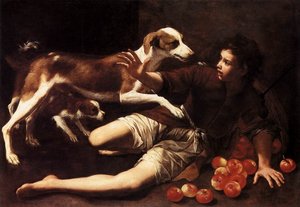
Villavicencio’s oeuvre, while not extensive, is rich in quality and offers a fascinating glimpse into 17th-century Spanish society. Niño espulgando a un perro (Boy Cleaning a Dog), housed in the Hermitage Museum in Saint Petersburg, exemplifies his ability to capture both the innocence of childhood and the subtle interplay of light and texture. The painting’s dynamic composition and realistic depiction of the boy and dog are particularly striking.
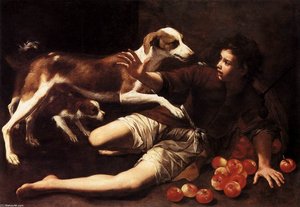
Other notable works include Saint Anne, the Virgin and Child, completed in 1677 for the Museo de Bellas Artes de Valencia, which showcases his skill in religious iconography, and Boy Attacked by a Dog at the Museum of Fine Arts in Budapest—a scene brimming with energy and emotion. His Juegos infantiles (Children’s Games) from 1686, now in the Prado Museum, is a delightful depiction of youthful exuberance, capturing the carefree spirit of childhood.
Villavicencio's contributions extended beyond his paintings. He actively participated in establishing artistic institutions and fostering a sense of community among artists in Seville. His travels between Spain and Italy facilitated an exchange of ideas and styles, enriching the cultural landscape of both countries. Though he passed away in 1700, his legacy endures through his captivating works—testaments to a life dedicated to capturing the beauty and complexity of the human experience.
Historical Significance: A Bridge Between Styles
Pedro Núñez de Villavicencio occupies a unique position within the history of Spanish Baroque painting. He wasn’t simply a follower of Murillo or Preti; he was a skilled synthesist, capable of absorbing diverse influences and forging his own distinct artistic voice. His paintings offer valuable insights into the social customs, religious beliefs, and everyday life of 17th-century Spain.
He represents a bridge between the earlier, more idealized forms of Baroque art and the later, more realistic styles that would emerge in the following century.
- His mastery of tenebrism
- his focus on capturing genuine emotion
- and his ability to depict scenes of daily life with remarkable realism
pedro núñez de villavicencio
1644 - 1695 , Spain
Quick Facts
- Artistic Movement Or Style: Baroque painting
- Artists Who Influenced This Artist:
- Murillo
- Mattia Preti
- Date Of Birth: 1635
- Date Of Death: 1700
- Full Name: Pedro Núñez de Villavicencio
- Nationality: Spanish
- Notable Artworks:
- Boy Attacked by a Dog
- Saint Anne, the Virgin and Child
- Juegos infantiles
- Niño espulgando a un perro
- Place Of Birth: Seville, Spain
Related Articles

The Golden Age Reforged: Dramatic Realism & Religious Zeal in Spanish Baroque Art
Explore the dramatic world of Spanish Baroque art! Discover masters like Zurbarán & the powerful influence of religious zeal on painting techniques – a guide for collectors and enthusiasts.

The Dramatic Flourish: Exploring the Baroque Movement's Enduring Legacy in Art History
Explore the dramatic world of Baroque art! Discover iconic artists like Caravaggio & Rubens, defining techniques, and its lasting impact on art history. Expert insights for collectors & enthusiasts at ArtsDot.

Baroque Drama: Bringing Opulence & Emotion into Contemporary Interiors
Explore the opulent world of Baroque interior design! Discover key elements, modern applications & how to bring dramatic elegance into your home with 's authentic reproductions.

Baroque Masterpieces: 10 Paintings That Defined an Era |
Journey through the drama & grandeur of Baroque art! Explore 10 masterpieces by Caravaggio, Rembrandt, Rubens & more. Discover stunning oil paintings, rich colors & timeless stories. Find museum-quality reproductions at .

The Enduring Power of Painting: A Historical & Contemporary Exploration of Form and Emotion
Explore the rich history & enduring techniques of oil painting with ArtsDot. Discover masterpieces, learn about art collecting, and find authentic handmade reproductions crafted by skilled artists.