Preview
 Send
Send Share
Share
 Details

 Download
 Similars
 X-Ray
X-Ray Diaporama
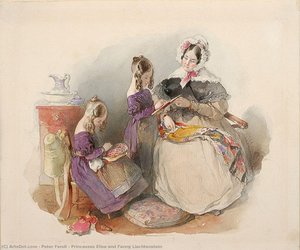
Princesses Elise and Fanny Liechtenstein


 Read More
Hand Made Oil Reproduction
Hand-painted oil on canvas in your size and frame, made to order by our artists. ( Buy Print Buy Image)




P118B $10

P118H $10

P118W $10

P438Z $10

P508JH $12

P508YH $12

P805H $10

P805Z $10

P919BZ $10

P919G $10

P919XJ $10

P959ZH $10

P968JZ $12

W106C $8

W218G $10

W218JH $8

W218Y $10

W307PJ $10

W316G $10

W316PJ $8

W316Y $10

W398PJ $8

W4111J $10

W500HY $15

W500JH $15

W692G $12

W849H $8

W940BG $15

W953PJ $8




Pick from our preset sizes that match the artwork's original proportions.

You may enter your own dimensions to fit a specific frame or space. If your selected size does not match the original image's proportions, we will either crop the artwork or extend the painting with additional hand-painted elements. A digital mockup will be sent for your approval before production begins.
Please note that the on-screen preview does not reflect the actual cropping or extension. Only the mockup will accurately show the final composition.
While custom sizes are available, we recommend selecting a dimension from the predefined list to preserve the original proportions.
After order, ArtsDot.com team will email client for instructions and provide a mockup preview
Worldwide Delivery () in 3/4 weeks instead of standard 5 weeks. (27 August). No compromise on quality.

Free Worldwide Express Shipping

High-Quality Linen Canvas

Full Shipping Insurance

Customs Tax Refund Guarantee

True Color Matching Guarantee

60-Day Return Policy (Defects Only)

100% Money-Back Guarantee

Bulk Discount Offer
 Glass option is only available in size under 110 CM

Princesses Elise and Fanny Liechtenstein
Reproduction Medium
Reproduction Size
-


Total Price
$ 313
Artwork Description
A Glimpse of a Victorian Salon
Peter Fendi’s “Princesses Elise and Fanny Liechtenstein,” painted in 1838, isn't merely a portrait; it’s a meticulously crafted tableau vivant – a snapshot of a specific moment within the opulent yet intimate world of early 19th-century aristocratic life. The watercolor, now residing in the Albertina Museum in Vienna, transports us to a refined salon, bathed in the soft glow of diffused light, where three women are deeply engaged in the quiet ritual of needlework. Fendi masterfully captures not just appearances but also an atmosphere of gentle industry and familial connection, offering a rare glimpse into the domestic sphere of a wealthy Victorian household.
The composition is remarkably balanced, drawing our eye to the central figures – an older woman, likely a matriarch, and two younger girls. Their postures are relaxed yet purposeful, their hands deftly manipulating needles and thread. The arrangement suggests a shared activity, a moment of connection amidst the responsibilities of managing a household and upholding social standing. The elevated perspective subtly invites us into this private world, fostering a sense of intimacy and observation as if we’ve become silent witnesses to a cherished family tradition.
The Language of Watercolor: Technique and Detail
Fendi's skill lies not just in his subject matter but also in his masterful use of watercolor. The medium lends itself beautifully to capturing the delicate textures of fabric, the subtle sheen of hair, and the diffused light that permeates the room. Notice how he builds up tones through layers of translucent washes – a technique known as glazing – creating a luminous quality that seems to emanate from within the painting. The lines are fluid and graceful, reflecting the artist’s confident hand and his deep understanding of the medium's potential.
- Color Palette: Dominated by muted purples, browns, creams, and grays, the palette evokes a sense of understated elegance and quiet sophistication.
- Texture: Fendi skillfully renders textures through layering washes, creating a palpable softness in the clothing and hair.
- Light & Shadow: The subtle play of light and shadow adds depth and dimension to the scene, enhancing the feeling of realism and intimacy.
Historical Context: Biedermeier and the Domestic Ideal
“Princesses Elise and Fanny Liechtenstein” is a quintessential example of Biedermeier art – a style that flourished in Austria during the early to mid-19th century. Biedermeier, meaning “furnished room,” reflected a shift away from the grandiosity of Neoclassicism towards a more intimate and domestic focus. Artists like Fendi sought to depict scenes of everyday life, often centered around family and home, capturing a sense of comfort, security, and quiet dignity.
The painting speaks to Victorian ideals of femininity – emphasizing industry, diligence, and the importance of women’s roles within the household. It's a celebration of familial bonds and the rituals that sustained social order. The scene subtly reinforces the notion of a woman’s value being found in her domestic skills and her contribution to the family unit.
Symbolism and Emotional Resonance
Beyond its realistic depiction, the painting carries symbolic weight. The act of needlework itself represents more than just a pastime; it symbolizes industry, patience, and the creation of beauty within the confines of domestic life. The shared activity among the women suggests a strong sense of connection and mutual support. The overall mood is one of serenity and contentment – a quiet affirmation of family values and the simple pleasures of home.
“Princesses Elise and Fanny Liechtenstein” offers a poignant reminder of a bygone era, inviting us to contemplate the enduring themes of family, tradition, and the beauty found in everyday moments. It’s a captivating work that continues to resonate with viewers today, offering a window into the heart of Victorian society.
Related Artworks
Artist Biography
Peter Fendi: A Pioneer of Viennese Biedermeier
Peter Fendi, born in Vienna’s heart on September 4th, 1796, was more than just a painter; he was a pivotal figure in the development of Austrian art during the Biedermeier period. His life, marked by an early physical challenge – a fall from a changing table as an infant that left him with lasting spinal issues – ironically fueled a remarkable talent for drawing and ultimately shaped his artistic vision. His father, a schoolmaster, recognized this innate ability, enrolling young Peter at the prestigious St. Anna’s Academy of Fine Art in 1810. There, under the tutelage of esteemed artists like Johann Martin Fischer, Hubert Maurer, and Johann Baptist von Lampi the Elder, Fendi honed his skills, laying the foundation for a prolific career spanning oil paintings, watercolors, prints, etchings, lithographs, and even wood carving. Fendi’s early professional life began at the Imperial Gallery of Coins and Antiquities in 1818, where he served as a draughtsman and engraver under Joseph Barth, an influential art collector and the personal ophthalmologist to Emperor Joseph II. This position provided invaluable access to artistic circles and exposed him to the meticulous detail demanded by imperial commissions. A significant milestone arrived in 1821 when Fendi received a gold medal for his oil painting *Vilenica*, solidifying his reputation within the Viennese art scene. This recognition led to election as a member of the Academy of Fine Arts Vienna in 1836, further cementing his standing amongst his peers.A Dutch Influence and Venetian Inspiration
Fendi’s artistic style was deeply influenced by two distinct yet complementary sources: the Dutch masters and the Italian Renaissance. The realism and genre scenes prevalent in the works of artists like Adriaen Brouwer, Adriaen van Ostade, and Rembrandt resonated profoundly with Fendi, shaping his depictions of everyday life – bustling marketplaces, tavern scenes, and intimate domestic moments. These paintings are characterized by a keen observation of human behavior, often imbued with a subtle sense of humor or social commentary. Simultaneously, Fendi’s journey to Venice in 1821 proved transformative. Immersed in the opulent art collections of Giovanni Bellini, Tintoretto, Titian, and Paolo Veronese, he absorbed their dramatic compositions, rich colors, and masterful use of light – elements that would later infuse his own work with a sense of grandeur and theatricality.Lithographic Innovation and Portraiture
Beyond traditional painting techniques, Fendi was a true innovator in the field of lithography. His multicolored prints, particularly those produced in the 1830s and 40s, were groundbreaking for their time, demonstrating remarkable technical skill and artistic sensitivity. These prints weren’t merely reproductions; they were independent works of art, often depicting scenes from Viennese life with a vibrant palette and dynamic composition. Furthermore, Fendi was a highly sought-after portraitist, capturing the likenesses of both nobles and commoners alike. His portraits are notable for their psychological depth and ability to convey the personality of his subjects – a testament to his keen eye and understanding of human character. Notably, he engraved a series of five Austrian banknotes issued in 1841, showcasing his versatility as an engraver.Legacy and Artistic Significance
Peter Fendi’s legacy extends far beyond the individual artworks that bear his signature. He played a crucial role in shaping the Biedermeier aesthetic – characterized by its intimate scale, realistic depiction of everyday life, and subtle social commentary. His influence can be seen in the works of subsequent generations of Austrian artists. His meticulous attention to detail, combined with his innovative approach to lithography, cemented his place as one of the most important figures of the Biedermeier period. Today, Fendi’s paintings are preserved in prestigious collections such as the Albertina Museum, the Belvedere Gallery, and the Prince of Liechtenstein's collection in Vaduz, ensuring that his artistic contributions continue to be appreciated and studied for generations to come. His work offers a valuable glimpse into 19th-century Austrian society, capturing both its beauty and its complexities with remarkable skill and sensitivity.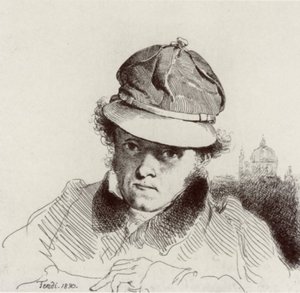
Peter Fendi
1796 - 1842 , Austria
Quick Facts
- Artistic Movement Or Style: Biedermeier
- Artists Or Movements Influenced By This Artist:
- Dutch painters
- Italian Renaissance
- Artists Who Influenced This Artist:
- Rembrandt
- Adriaen Brouwer
- Giovanni Bellini
- Date Of Birth: September 4, 1796
- Date Of Death: August 28, 1842
- Full Name: Peter Fendi
- Nationality: Austrian
- Notable Artworks:
- Princesses Elise & Fanny Liechtenstein
- The rise
- The Sad Message
- Place Of Birth: Vienna, Austria
Related Articles

Watercolor Wonders: 10 Masterpieces That Redefined Art History | ArtsDot
Journey through 10 legendary watercolor masterpieces by Sargent, Turner & Homer! Explore iconic landscapes, portraits & floral art that redefined history. Find museum-quality reproductions and curated decor ideas at ArtsDot.com.

Ephemeral Visions: Exploring the Artistic Legacy & Contemporary Practice of Watercolor Painting
Explore the captivating world of watercolor painting! Discover its rich history, essential techniques, influential artists & collecting tips. A comprehensive guide for art enthusiasts from ArtsDot.

Ephemeral Visions: Exploring the History & Emotional Resonance of Watercolor Painting
Explore the captivating history of watercolor painting, from ancient techniques to modern masters like Kandinsky & Blake. Discover essential artists, collecting tips & the emotional power of this luminous medium. Expert insights for art enthusiasts.
Ephemeral Visions: Exploring the Artistic Legacy & Nuances of Watercolor Painting
Explore the captivating world of watercolor painting! Discover its rich history, essential techniques, influential artists & collecting tips from art experts. A comprehensive guide for enthusiasts.
The Enduring Appeal of Watercolor: History, Techniques & Contemporary Practice
Explore the captivating world of watercolor painting! Discover its rich history, essential techniques, influential artists, and collecting tips. A comprehensive guide for art enthusiasts.