 Preview
 Send
Send Share
Share
 Details

 Download
 Similars
 X-Ray
X-Ray Diaporama
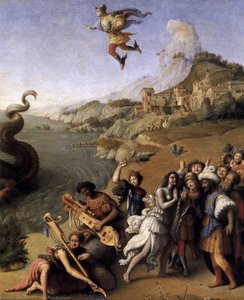
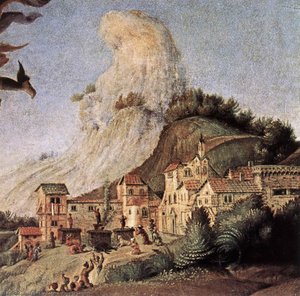
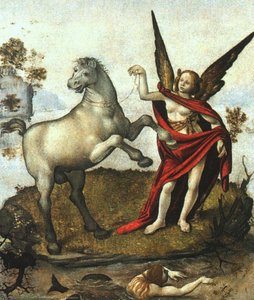
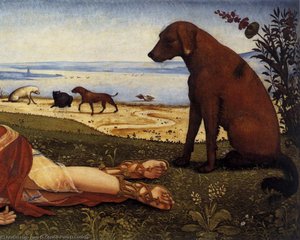
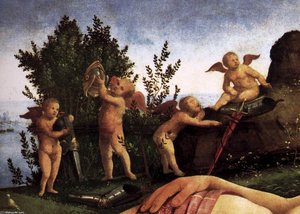
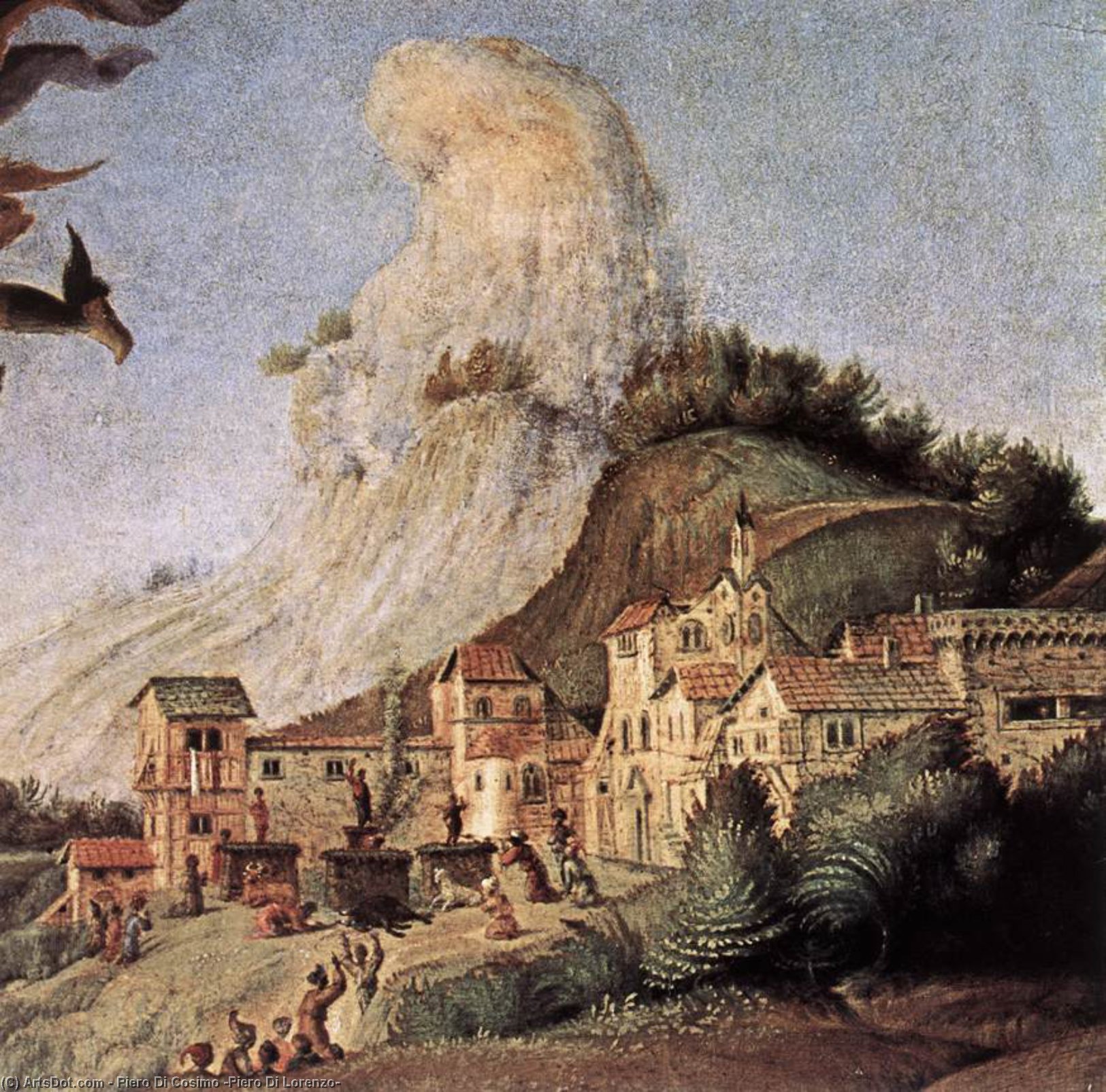
Perseus Frees Andromeda (detail) (8)
 Oil On Canvas
- WallArt
- Renaissance
 1515
1515 70.0 x 123.0 cm
 Galleria degli Uffizi
 Read More
Hand Made Oil Reproduction
Hand-painted oil on canvas in your size and frame, made to order by our artists. ( Buy Print Buy Image)




P118B $10

P118H $10

P118W $10

P438Z $10

P508JH $12

P508YH $12

P805H $10

P805Z $10

P919BZ $10

P919G $10

P919XJ $10

P959ZH $10

P968JZ $12

W106C $8

W218G $10

W218JH $8

W218Y $10

W307PJ $10

W316G $10

W316PJ $8

W316Y $10

W398PJ $8

W4111J $10

W500HY $15

W500JH $15

W692G $12

W849H $8

W940BG $15

W953PJ $8




Pick from our preset sizes that match the artwork's original proportions.

You may enter your own dimensions to fit a specific frame or space. If your selected size does not match the original image's proportions, we will either crop the artwork or extend the painting with additional hand-painted elements. A digital mockup will be sent for your approval before production begins.
Please note that the on-screen preview does not reflect the actual cropping or extension. Only the mockup will accurately show the final composition.
While custom sizes are available, we recommend selecting a dimension from the predefined list to preserve the original proportions.
After order, ArtsDot.com team will email client for instructions and provide a mockup preview
Worldwide Delivery () in 3/4 weeks instead of standard 5 weeks. (16 August). No compromise on quality.

Free Worldwide Express Shipping

High-Quality Linen Canvas

Full Shipping Insurance

Customs Tax Refund Guarantee

True Color Matching Guarantee

60-Day Return Policy (Defects Only)

100% Money-Back Guarantee

Bulk Discount Offer
 Glass option is only available in size under 110 CM

Perseus Frees Andromeda (detail) (8)
Reproduction Medium
Reproduction Size
-


Total Price
$ 263
Artwork Description
Perseus Frees Andromeda: A Renaissance Masterpiece of Myth and Majesty
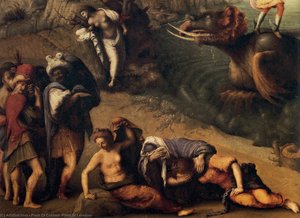
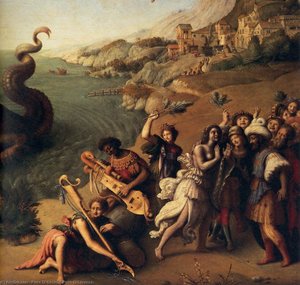
Piero di Cosimo’s “Perseus Frees Andromeda” – a detail from the larger painting, currently housed in the Uffizi Gallery in Florence – is more than just a depiction of a classical myth; it's a vibrant testament to the burgeoning humanist spirit of 16th-century Italy. Completed around 1515, this oil on panel work encapsulates the era’s fascination with both the grandeur of antiquity and the innovative possibilities of artistic representation. The scene unfolds with dramatic intensity, capturing not just the heroic rescue but also the underlying currents of power, beauty, and fate that define the narrative.
At first glance, the painting presents a dynamic tableau: Perseus, clad in gleaming armor and wielding his sword, is poised to deliver the final blow to the monstrous Cetus, the sea serpent sent by Poseidon to claim Andromeda as its prize. Below, Andromeda, rendered with exquisite detail – her flowing hair, the despair etched on her face – awaits rescue from her rocky perch. The figures of Cepheus and Cassiopeia, King and Queen of Ethiopia, stand in a state of horrified anticipation, their postures conveying both grief and relief. Yet, it’s within the details that Cosimo's genius truly shines. Note the meticulous rendering of the sea foam, the texture of Perseus’s shield, and the subtle expressions on each character’s face – all hallmarks of his masterful technique.
A Symphony of Color and Composition
Cosimo masterfully employs a pyramidal composition, drawing the viewer's eye from the base of the mountain to the apex of Perseus’s action. The color palette is rich and vibrant, dominated by deep blues and greens for the turbulent sea, contrasted with the warm golds and reds of the figures’ garments. The artist utilizes *sfumato*, a technique perfected by Leonardo da Vinci, to create soft transitions between light and shadow, lending an ethereal quality to the scene. The use of perspective is particularly noteworthy; the receding mountain landscape establishes a sense of depth and scale, immersing the viewer within the dramatic setting.
The painting’s execution reveals Cosimo's deep understanding of anatomy and drapery. He doesn’t simply depict figures; he sculpts them with light and shadow, conveying their weight, movement, and emotional state. The details are astonishing – from the individual scales on Cetus to the intricate folds in Andromeda’s gown – demonstrating a level of observation and skill rarely seen at the time.
Symbolism and Medici Patronage
Beyond its narrative power, “Perseus Frees Andromeda” is laden with symbolism. The myth itself speaks to themes of courage, divine intervention, and the triumph of good over evil. The presence of the Medici family within the composition – subtly integrated into the scene as onlookers – underscores their growing influence in Florence. The emblem of the Medici, a “broncone” (a stylized laurel branch), is cleverly incorporated into the landscape, hinting at the family’s ambition and legacy.
Furthermore, the painting reflects the Renaissance fascination with classical philosophy and mythology. Cosimo's depiction aligns closely with Ovid’s *Metamorphoses*, a cornerstone of humanist education. The inclusion of figures like Mercury, Minerva, and Jupiter – gods associated with wisdom, strategy, and justice – reinforces this connection to antiquity.
A Timeless Vision
“Perseus Frees Andromeda” is more than just a beautiful painting; it’s a window into the artistic and intellectual world of Renaissance Florence. Its dramatic composition, masterful technique, and rich symbolism continue to captivate viewers centuries later. Reproductions of this iconic work offer an opportunity to bring this timeless vision into your own space, adding a touch of classical grandeur and narrative power to any setting. Consider commissioning a hand-painted reproduction – a faithful recreation that honors the artistry of Piero di Cosimo and ensures that this legendary tale endures for generations to come.
Related Artworks
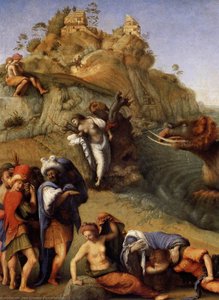
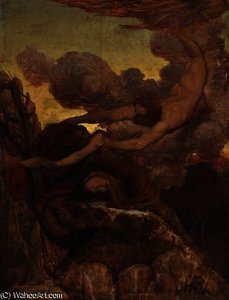
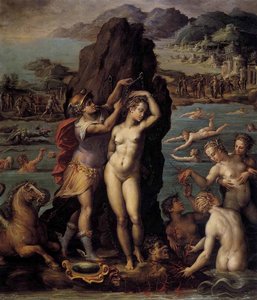
Artist Biography
Piero di Cosimo (1462-1522): Bridging Fantasy and Realism in Florentine Renaissance Painting
Piero di Cosimo, born Piero di Lorenzo Battista around 1462 in Florence, Italy, stands as a singular figure within the vibrant tapestry of the Florentine Renaissance. Unlike many of his contemporaries who adhered rigidly to classical ideals, Cosimo possessed an imaginative spirit that infused his artwork with fantastical elements alongside meticulous observation of nature—a distinctive blend that cemented his reputation as one of the era’s most innovative painters. His artistic journey unfolded against a backdrop of burgeoning humanist thought and artistic experimentation, mirroring the broader cultural transformations reshaping Europe during this period.- Early Life & Training: Precise biographical details surrounding Cosimo's formative years remain elusive, primarily relying on fragmentary references in Vasari’s Lives of Artists. He apprenticed under Andrea del Verrocchio, a renowned sculptor and painter whose workshop served as a crucible for artistic talent. This association exposed Cosimo to the techniques of fresco painting and sculpture, shaping his foundational skillset.
- Influences & Artistic Style: Cosimo’s style was profoundly impacted by Botticelli and Giovanni Battista Van Eyck—artists who championed both beauty and psychological depth. Botticelli's graceful lines and ethereal figures instilled in Cosimo a penchant for elegance and idealized representation, while Van Eyck’s mastery of oil paint encouraged him to explore nuanced tonal gradations and textural richness. These influences combined to produce an artistic idiom characterized by luminous colors, delicate brushwork, and a captivating fusion of mythological narratives with realistic landscapes.
Notable Works & Artistic Achievements
Cosimo’s oeuvre comprises a remarkable collection of paintings that showcase his exceptional talent and imaginative vision. Among his most celebrated creations are “Vulcan and Aeolus,” a monumental circular oil painting depicting the mythological confrontation between Zeus's son and Poseidon—a testament to Cosimo’s ability to convey dramatic emotion within a carefully constructed composition. Similarly, "Madonna and Sleeping Christ Child with the Infant St John the Baptist" exemplifies his meticulous attention to detail and profound understanding of religious iconography. Furthermore, “Adoration of the Child,” another circular masterpiece, embodies the serene beauty and spiritual contemplation characteristic of Early Renaissance art.Legacy & Historical Significance
Piero di Cosimo’s contribution to Florentine painting transcends mere stylistic innovation; he represents a pivotal moment in artistic history. By rejecting the constraints of strict academic convention and embracing imaginative storytelling alongside realistic depiction, Cosimo paved the way for subsequent generations of artists—including Raphael and Michelangelo—to explore new expressive possibilities. His work continues to inspire admiration for its harmonious blend of fantasy and realism, securing his place as an enduring symbol of Renaissance creativity and artistic genius. He is remembered not only for his individual masterpieces but also for shaping the broader trajectory of European art.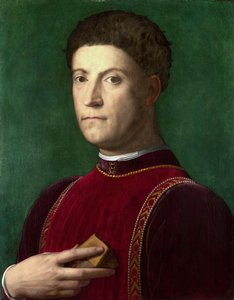
piero di cosimo (piero di lorenzo)
1462 - 1522 , Italy
Quick Facts
- Artistic Movement Or Style: Renaissance art
- Artists Who Influenced This Artist:
- Botticelli
- van der Goes
- Date Of Birth: 1462
- Full Name: Piero di Lorenzo
- Nationality: Italian
- Notable Artworks:
- Vulcan and Aeolus
- Madonna and Sleeping Christ Child with the Infant St John the Baptist
- Adoration of the Child
- Place Of Birth: Florence, Italy
Related Articles

Giotto's Masterpieces: 25 Renaissance Artworks for Your Home | ArtsDot
Explore 25 breathtaking artworks by Giotto di Bondone, a Renaissance master. Discover the stories behind iconic frescoes & paintings like the Scrovegni Chapel cycle. Find museum-quality Giotto reproductions and elevate your home decor with ArtsDot.com.
Echoes of Olympus: Mythological Narratives in Western Art Through the Ages
Explore the captivating history of mythological narratives in Western art! From ancient Greece to modern masterpieces, discover iconic artworks & symbolism. Expert analysis and high-quality reproductions at ArtsDot.
Proto-Renaissance Masters: 10 Artworks That Changed History | ArtsDot
Journey back to the dawn of Renaissance art! Explore 10 iconic Proto-Renaissance masterpieces by Giotto, Cimabue & Duccio. Discover their stories, techniques & lasting impact. Find museum-quality reproductions for your home at ArtsDot.com
La Biennale's Masterpieces: 25 Artworks to Inspire Your Home | ArtsDot
Explore 25 iconic artworks from La Biennale di Venezia! Discover the stories behind masterpieces of Italian art, modernism & Renaissance paintings. Find museum-quality reproductions and elevate your home decor with ArtsDot.com. Explore the full collection online.
Piero della Francesca: Renaissance Perspective, Divine Proportion & the Pursuit of Ideal Form
Explore the revolutionary art of Piero della Francesca – master of perspective, divine proportion & Renaissance humanism. Discover his iconic paintings & lasting influence on art history.