 Preview
 Send
Send Share
Share
 Details

 Download
 Similars
 X-Ray
X-Ray Diaporama
The Seven Acts of Charity (also known as The Seven Acts of Mercy)
 Oil On Panel
- Northern Renaissance
 1617
1617- Early Modern
 42.0 x 58.0 cm
 Read More
Hand Made Oil Reproduction
Hand-painted oil on canvas in your size and frame, made to order by our artists. ( Buy Print Buy Image)




































Pick from our preset sizes that match the artwork's original proportions.

You may enter your own dimensions to fit a specific frame or space. If your selected size does not match the original image's proportions, we will either crop the artwork or extend the painting with additional hand-painted elements. A digital mockup will be sent for your approval before production begins.
Please note that the on-screen preview does not reflect the actual cropping or extension. Only the mockup will accurately show the final composition.
While custom sizes are available, we recommend selecting a dimension from the predefined list to preserve the original proportions.
After order, ArtsDot.com team will email client for instructions and provide a mockup preview
Worldwide Delivery () in 3/4 weeks instead of standard 5 weeks. (16 August). No compromise on quality.

Free Worldwide Express Shipping

High-Quality Linen Canvas

Full Shipping Insurance

Customs Tax Refund Guarantee

True Color Matching Guarantee

60-Day Return Policy (Defects Only)

100% Money-Back Guarantee

Bulk Discount Offer
 Glass option is only available in size under 110 CM

The Seven Acts of Charity (also known as The Seven Acts of Mercy)
Reproduction Medium
Reproduction Size
-


Total Price
$ 263
Artwork Description
A Tapestry of Compassion: Rediscovering The Seven Acts of Charity
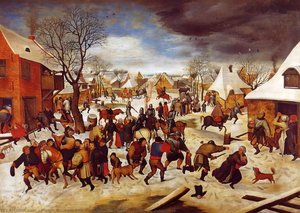
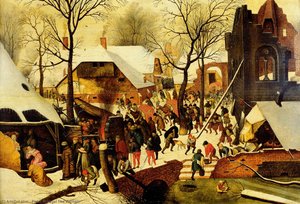
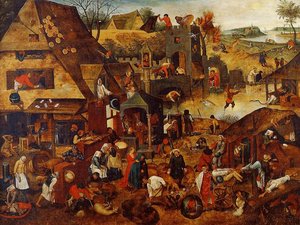
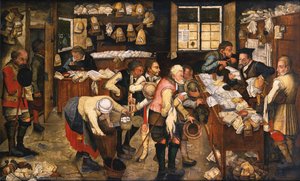
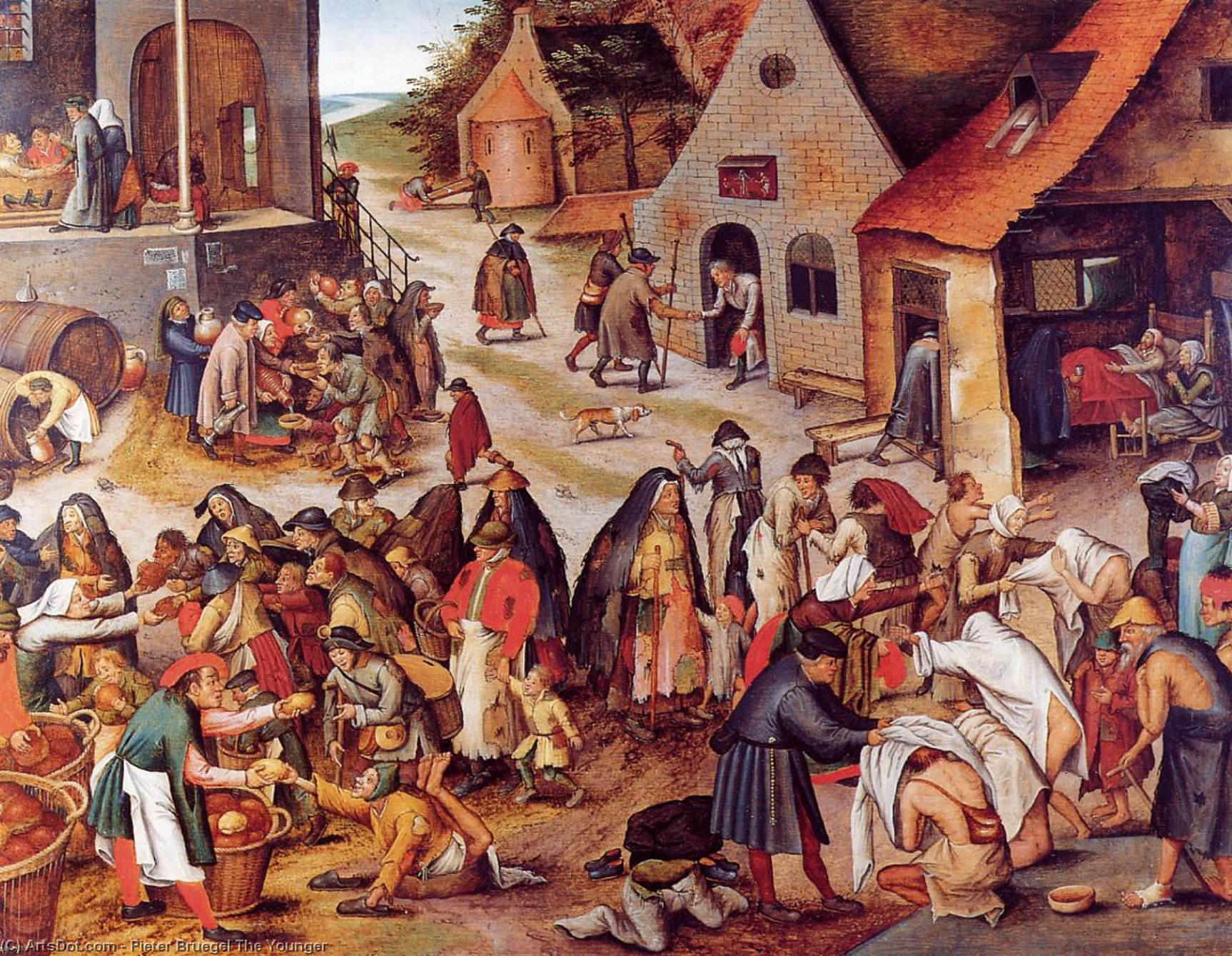
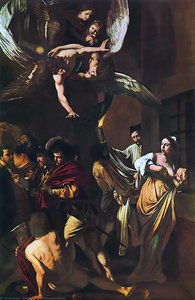
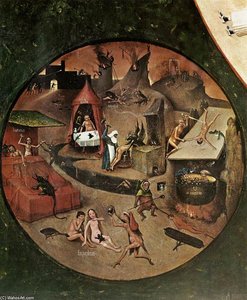
In the heart of the Flemish Golden Age, Pieter Bruegel the Younger breathed life into the moral fabric of his era through a masterful display of communal virtue. His 1617 masterpiece, The Seven Acts of Charity, serves as more than just a window into the past; it is an immersive narrative that invites the viewer to step into a bustling village where every gesture of kindness is etched with profound intention. The painting captures a lively, rhythmic movement of souls, where at least fourteen figures are woven into a complex tapestry of human connection. Through his expert use of light and shadow, Bruegel creates a sense of three-dimensional depth that pulls the observer into the very center of this charitable assembly, making the earthy tones and rustic textures feel almost tangible to the touch.
The composition is a brilliant study in organized chaos, a hallmark of the Northern Renaissance tradition. As one wanders through the scene, the eye is led from the quiet corners of village buildings to the central figures engaged in acts of mercy. A solitary dog rests near the center-left, adding a touch of domestic realism, while scattered bowls and humble furniture ground the spiritual themes in the grit of everyday existence. This technique—blending the divine with the mundane—is what makes Brue el's work so enduringly captivating for modern collectors. The artist does not merely depict religious duty; he celebrates the vitality of life itself, using a palette of warm, organic hues to evoke a sense of warmth and communal stability that resonates deeply in any curated space.
Symbolism and the Art of Living
Beyond its visual splendor, the painting functions as a moral compass, illustrating the profound impact of selfless service. Each element within the frame—from the way a hand reaches out to offer sustenance to the subtle placement of objects—servates as a symbol of the interconnectedness of humanity. For the interior designer or art enthusiast, this piece offers a sophisticated layer of storytelling. It is not merely a decorative object but a conversation starter that explores themes of empathy and social responsibility. The interplay of light across the village landscape suggests a dawn of hope, reinforcing the idea that even the smallest act of charity can illuminate the darkest corners of society.
Owning a high-quality reproduction of this work allows for the infusion of historical gravity and soulful warmth into a contemporary environment. Whether placed in a grand library or a quiet study, The Seven Acts of Charity brings with it the legacy of the Antwerp painters' guild and the meticulous craftsmanship of the 17th century. It stands as a testament to the enduring power of Flemish art to capture the essence of the human spirit, offering a timeless aesthetic that transcends generations and continues to inspire awe in all who behold its intricate details.
Related Artworks
Artist Biography
early life and training
pieter bruegel the younger, a prominent figure in the northern renaissance, was born in belgium around 1525. although his birth date is not documented, it is inferred that he entered the antwerp painters' guild in 1551, suggesting he was between 20 to 25 years old at the time. bruegel's master was pieter coecke van aelst, an antwerp painter.artistic career and innovations
bruegel's artistic career can be characterized by his innovative choices of subject matter, which marked a significant departure from the traditional religious themes prevalent during that time. he was one of the first generation of artists to grow up when non-religious subjects became more acceptable in art. notably, bruegel did not paint portraits, another common theme in netherlandish art.- between 1545 and 1550, bruegel worked as a pupil of pieter coecke, who passed away on december 6, 1550.
- before his training, bruegel was documented working in mechelen between september 1550 and october 1551, assisting peeter baltens on an altarpiece (now lost).
notable works and style
bruegel's famous paintings, which he produced over a decade before his early death in 1569, include:- the shepard (northern renaissance)
- the good shepherd (northern renaissance)
- the beater (northern renaissance)
museums and collections
bruegel's work can be found in various museums, including the groeninge museum, which is part of musea brugge, a network of museums and cultural institutions in bruges. the museum features an impressive collection of flemish and belgian paintings spanning six centuries. groeninge museum, bruges, belgiumlegacy
pieter bruegel the younger's influence on dutch golden age painting and later painting in general is undeniable. his innovative choices of subject matter paved the way for future generations of artists. as a significant figure in the northern renaissance, his work continues to inspire art lovers and scholars alike. explore more of pieter bruegel the younger's works on ArtsDot.com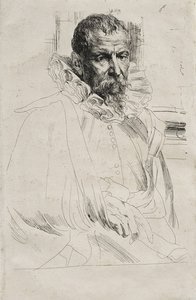
pieter bruegel the younger
1525 - 1569 , Belgium
Quick Facts
- Artistic Movement Or Style: Northern Renaissance
- Artists Or Movements Influenced By This Artist: ['Dutch Golden Age']
- Artists Who Influenced This Artist: ['Pieter Coecke van Aelst']
- Date Of Birth: c. 1525
- Date Of Death: 1569
- Full Name: Pieter Bruegel the Younger
- Nationality: Belgian
- Notable Artworks:
- The Shepherd
- The Good Shepherd
- Place Of Birth: Brussels, Belgium
Related Articles
Earthy Hues & Masterpieces: Top 10 Paintings with 'Mushroom' Tones |
Explore 10 iconic paintings with captivating 'mushroom' tones! Discover Van Gogh, Monet & Rembrandt’s masterpieces—earthy palettes, rich history & artistic techniques. Find museum-quality art reproductions and curated decor ideas at
Earthy Tones & Emotional Resonance: Exploring the Vibe of Grounded Artworks
Explore the emotional power of earthy tones in art history! Discover how artists use color to evoke feelings & create grounded spaces. Expert advice on selecting artwork for your home – plus custom reproductions at ArtsDot.
David Teniers II: Master of Flemish Genre & Social Commentary
Explore the captivating world of David Teniers II, a leading Flemish Baroque painter renowned for his lively genre scenes & insightful social commentary. Discover his masterpieces and legacy with ArtsDot.
Jan Brueghel the Elder: A Master of Flemish Landscape & Allegory – Exploring Innovation & Influence
Explore the captivating world of Jan Brueghel the Elder, a Flemish Baroque master renowned for his stunning landscapes & allegorical paintings. Discover his collaborations with Rubens and lasting artistic legacy.
Arthur Lismer: A Pioneer of Canadian Modernism & the Group of Seven's Visionary Spirit
Explore the life & art of Arthur Lismer, a pivotal figure in Canadian Modernism and founding member of the Group of Seven. Discover his landscapes, teaching legacy & lasting influence on Canadian art history.