 Preview
 Send
Send Share
Share
 Details

 Download
 Similars
 X-Ray
X-Ray Diaporama
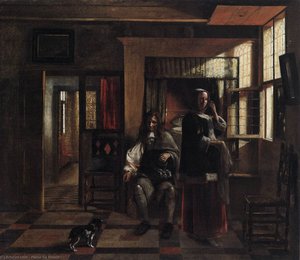
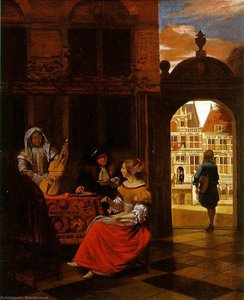
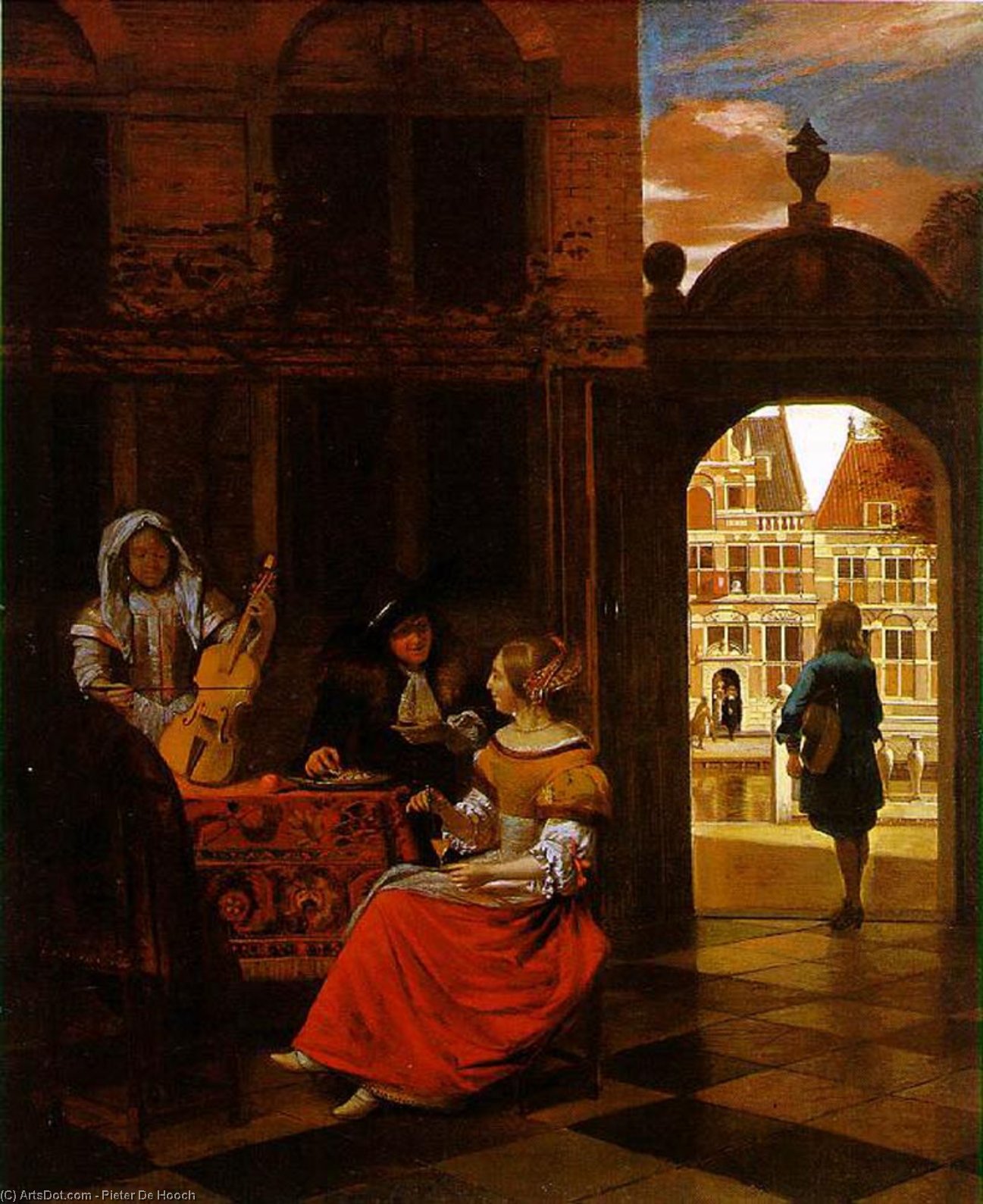
Musical Party in a Courtyard
 Oil
Oil- WallArt
- Baroque Interior Scene
 1677
1677- Early Modern
 83.0 x 68.0 cm
 National Gallery
 Read More
Giclée / Art Print
Museum-quality giclée or canvas print with fast production and flexible finish options. ( Buy Hand Made Painting Buy Image)




P118B $10

P118H $10

P118W $10

P438Z $10

P508JH $12

P508YH $12

P805H $10

P805Z $10

P919BZ $10

P919G $10

P919XJ $10

P959ZH $10

P968JZ $12

W106C $8

W218G $10

W218JH $8

W218Y $10

W307PJ $10

W316G $10

W316PJ $8

W316Y $10

W398PJ $8

W4111J $10

W500HY $15

W500JH $15

W692G $12

W849H $8

W940BG $15

W953PJ $8




Pick from our preset sizes that match the artwork's original proportions.

You may enter your own dimensions to fit a specific frame or space. If your selected size does not match the original image's proportions, we will either crop the artwork or extend the image with a mirrored or solid-fill edge. A digital mockup will be sent for your approval before production begins.
Please note that the on-screen preview does not reflect the actual cropping or extension. Only the mockup will accurately show the final composition.
While custom sizes are available, we recommend selecting a dimension from the predefined list to preserve the original proportions.
Worldwide Delivery () in 2 weeks instead of standard 4/5 weeks. (23 August)

Free Worldwide Express Shipping

High-Quality Linen Canvas

Full Shipping Insurance

Customs Tax Refund Guarantee

True Color Matching Guarantee

60-Day Return Policy (Defects Only)

100% Money-Back Guarantee

Bulk Discount Offer
 Glass option is only available in size under 110 CM

Musical Party in a Courtyard
Giclée / Art Print
Reproduction Size
-


Total Price
$ 63
Collectible Description
A Symphony of Light and Leisure
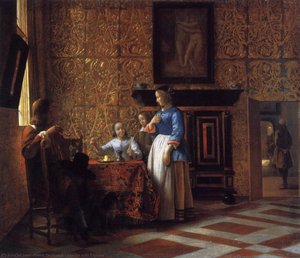
In the quiet corners of the Dutch Golden Age, few artists possessed the ability to transform a mundane afternoon into a timeless masterpiece quite like Pieter de Hooch. His 1677 work, "Musical Party in a Courtyard," serves as an exquisite window into the domestic soul of seventeenth-century Rotterdam. As one gazes upon this serene tableau, the bustle of the urban world seems to fade, replaced by the gentle, rhythmic pulse of a private gathering. The scene is not merely a depiction of people in a space; it is a carefully orchestrated dance of light and shadow, where the soft, diffused sunlight filters through the courtyard to illuminate a moment of profound social harmony. For the collector or the lover of fine art, this painting offers more than just visual beauty; it provides an invitation to step into a world where every glance and every note played on a violin carries the weight of quiet elegance.
The composition is a masterclass in controlled depth and atmospheric intimacy. De Hooch employs a shallow field of view that draws the viewer inward, making us feel less like distant observers and more like uninvited guests standing just at the edge of the courtyard. Within this space, five figures are woven into a tapestry of human connection. A gentleman engaged in earnest conversation, a woman lost in her own contemplative thoughts, and a violinist providing the melodic heartbeat of the afternoon—all exist within a meticulously rendered environment. The presence of a simple bench and a clock hanging upon the wall serves as a poignant memento mori, a subtle reminder of the fleeting nature of time. In an era of burgeoning commerce and intellectual expansion, De Hooch captures the preciousness of these transient, peaceful intervals amidst the inevitable march of progress.
The Artistry of the Dutch Golden Age
Technically, "Musical Party in a Courtyard" stands as a testament to De Hooch’s profound dialogue with the masters of his time, most notably Johannes Vermeer. While he shares Vermeer’s legendary preoccupation with the way light interacts with interior and semi-outdoor spaces, De Hooch brings a distinctively grounded realism to his work. His palette is restrained and sophisticated, utilizing muted earth tones, creamy highlights, and subtle blues to evoke the authentic atmosphere of a Dutch courtyard. There is no theatrical exaggeration here; instead, there is a devotion to the truth of textures—the grain of the wooden table, the weight of the fabric in a sleeve, and the way light softens the edges of the architecture.
For those looking to bring the prestige of classical art into a contemporary interior, this piece offers unparalleled versatility. The painting’s ability to evoke a sense of calm and sophisticated nostalgia makes it an ideal centerpiece for a curated collection or a refined living space. A high-quality reproduction of this work does not merely decorate a wall; it anchors a room with historical gravity and emotional depth. It speaks to a lifestyle that values contemplation, the beauty of the everyday, and the enduring power of culture. To possess such an image is to hold a fragment of history, a beautifully preserved echo of a time when music, light, and companionship converged in perfect, silent harmony.
Related Artworks

Artist Biography
early life and training
pieter de hooch, a prominent figure in the dutch golden age, was born on december 20, 1629, in rotterdam, netherlands. he was the eldest of five children to hendrick hendricksz de hooch, a bricklayer, and annetge pieters, a midwife. little is known about his early life, but it is believed that he worked in rotterdam, delft, and amsterdam. de hooch's artistic training took place in haarlem under the landscape painter nicolaes berchem, alongside jacob ochtervelt. this period laid the foundation for his future success as a painter of quiet domestic scenes with an open doorway.artistic style and themes
de hooch's work is characterized by its attention to detail, naturalism, and use of light. his paintings often featured everyday life, reflecting the values and aspirations of the emerging middle class. a notable example of this style is "the courtyard of a house in delft" (1658), which showcases his ability to capture the mundane details of everyday life. de hooch's work also shares themes and compositions with emanuel de witte, but his focus on people and their relationships sets him apart. this is evident in "woman nursing" (1658) and "woman with a baby on her lap" (1658), which demonstrate his interest in domestic scenes.notable works and legacy
some of de hooch's most notable works include:- "the merry drinker" (c. 1650)
- "cardplayers in a sunlit room" (1658)
- "a woman preparing bread and butter for a boy" (1661)
museums and collections
de hooch's work can be found in various museums, including the koninklijk museum voor schone kunsten in antwerp, belgium, which features a vast collection of european art from the 15th to the 20th centuries. discover more about pieter de hooch and his works on ArtsDot: [https://ArtsDot.com/@/pieter-de-hooch](https://ArtsDot.com/@/pieter-de-hooch) /en/art/show/art-d3b4kt-en/ (discover the masterpieces of koninklijk museum voor schone kunsten, belgium) note: the provided links are from ArtsDot and are relevant to the topic. no external links were added as per the instructions.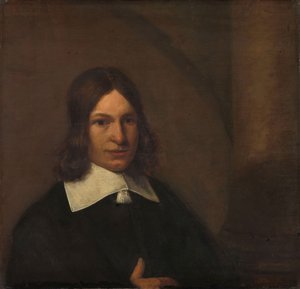
Pieter de Hooch
1629 - 1694 , Netherlands
Quick Facts
- Artistic Movement Or Style: Delft School, Dutch Golden Age
- Artists Or Movements Influenced By This Artist: ['Jan Vermeer']
- Artists Who Influenced This Artist: ['Nicolaes Berchem']
- Date Of Birth: December 20, 1629
- Full Name: Pieter Hendricksz de Hooch
- Nationality: Dutch
- Notable Artworks:
- The Empty Glass
- Woman Reading a Letter
- Cardplayers in a sunlit room
- A woman preparing bread and butter
- Place Of Birth: Rotterdam, Netherlands
Related Articles
Pieter de Hooch: Illuminating Dutch Domestic Life & Golden Age Charm
Explore the captivating world of Pieter de Hooch, a master of Dutch Golden Age painting. Discover his innovative use of light, intimate domestic scenes, and lasting influence on art history. Learn more at ArtsDot.

Dutch Masters: 10 Golden Age Paintings That Still Inspire |
Journey into the Dutch Golden Age! Explore 10 iconic paintings by Rembrandt, Vermeer & Hals. Discover the stories behind these Baroque masterpieces and find museum-quality art reproductions to elevate your home decor on .
Willem van de Velde the Elder: Master of Maritime Painting & Chronicler of the Dutch Golden Age
Discover the captivating maritime paintings of Willem van de Velde the Elder, a master chronicler of the Dutch Golden Age. Explore his unparalleled realism and lasting influence on naval art history.

Golden Age Reflections: Dutch Baroque Painting & Cultural Innovation
Explore the Dutch Golden Age of painting! Discover key artists like Vermeer & ter Borch, their innovative techniques, and the rich cultural context behind these Baroque masterpieces. Learn about collecting & appreciating this iconic art period.

Illuminating Innovation: Exploring the Dutch Golden Age of Painting
Explore the Dutch Golden Age of painting with ArtsDot. Discover Rembrandt, Vermeer & other Masters. Learn about key characteristics, iconic artworks, and lasting influence. Expert insights for collectors & enthusiasts.