 Preview
 Send
Send Share
Share
 Details

 Download
 Similars
 X-Ray
X-Ray Diaporama
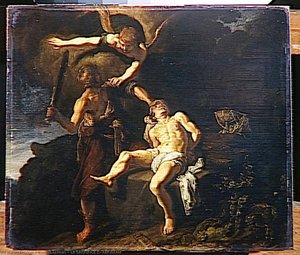
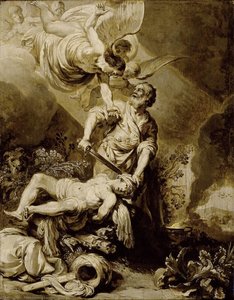
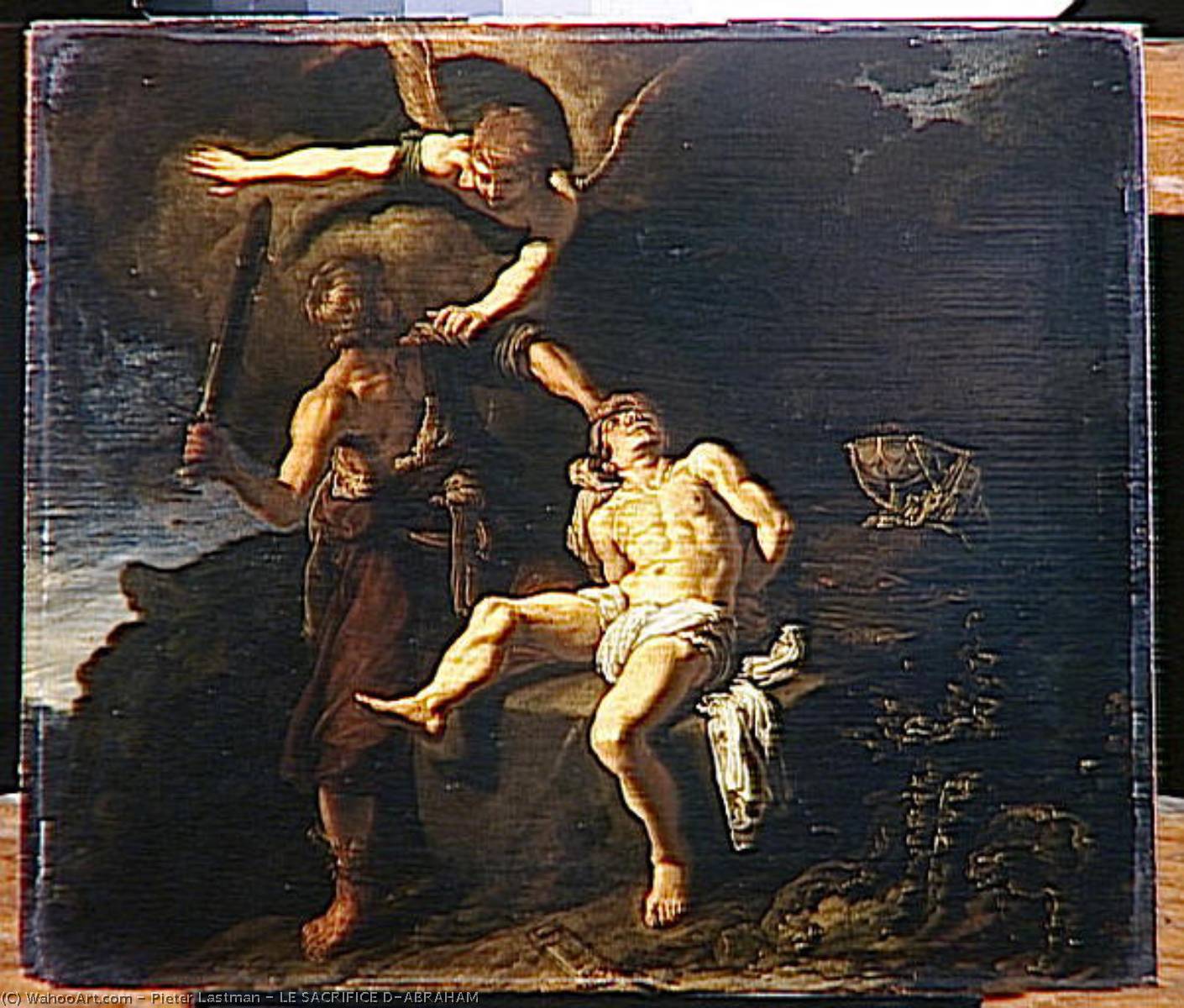
LE SACRIFICE D'ABRAHAM


 Read More
Hand Made Oil Reproduction
Hand-painted oil on canvas in your size and frame, made to order by our artists. ( Buy Print Buy Image)




P118B $10

P118H $10

P118W $10

P438Z $10

P508JH $12

P508YH $12

P805H $10

P805Z $10

P919BZ $10

P919G $10

P919XJ $10

P959ZH $10

P968JZ $12

W106C $8

W218G $10

W218JH $8

W218Y $10

W307PJ $10

W316G $10

W316PJ $8

W316Y $10

W398PJ $8

W4111J $10

W500HY $15

W500JH $15

W692G $12

W849H $8

W940BG $15

W953PJ $8




Pick from our preset sizes that match the artwork's original proportions.

You may enter your own dimensions to fit a specific frame or space. If your selected size does not match the original image's proportions, we will either crop the artwork or extend the painting with additional hand-painted elements. A digital mockup will be sent for your approval before production begins.
Please note that the on-screen preview does not reflect the actual cropping or extension. Only the mockup will accurately show the final composition.
While custom sizes are available, we recommend selecting a dimension from the predefined list to preserve the original proportions.
After order, ArtsDot.com team will email client for instructions and provide a mockup preview
Worldwide Delivery () in 3/4 weeks instead of standard 5 weeks. (17 August). No compromise on quality.

Free Worldwide Express Shipping

High-Quality Linen Canvas

Full Shipping Insurance

Customs Tax Refund Guarantee

True Color Matching Guarantee

60-Day Return Policy (Defects Only)

100% Money-Back Guarantee

Bulk Discount Offer
 Glass option is only available in size under 110 CM

LE SACRIFICE D'ABRAHAM
Reproduction Medium
Reproduction Size
-


Total Price
$ 313
Artwork Description
A Dramatic Testament to Faith: Pieter Lastman’s “Le Sacrifice d'Abraham”
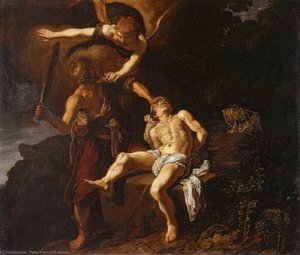
Pieter Pietersz Lastman’s “Le Sacrifice d’Abraham,” a monumental oil painting executed around 1612, stands as a powerful and profoundly moving depiction of the biblical narrative. More than simply illustrating a familiar story, it offers a visceral exploration of faith, sacrifice, and divine intervention – a testament to the artist's skill in capturing both the raw emotion of the scene and the stylistic influences of his time. The painting’s dark palette, dynamic composition, and masterful use of chiaroscuro immediately draw the viewer into its dramatic world, inviting contemplation on themes of obedience, mercy, and the weight of moral choice.
Composition and Technique: A Caravaggistic Influence
Lastman’s approach to this iconic scene is deeply rooted in the artistic currents of his era. The composition is strikingly asymmetrical, drawing our eye diagonally from the lower left corner – where Isaac kneels awaiting his fate – towards the upper right, dominated by the angel’s outstretched hand halting Abraham's raised knife. This deliberate imbalance creates a sense of unease and urgency, mirroring the precariousness of the moment. The figures are clustered on the left side of the canvas, creating a visual darkness that contrasts sharply with the lighter tones illuminating Isaac and the angel, emphasizing their vulnerability and divine protection. The artist’s technique is characterized by bold, visible brushstrokes – a hallmark of his style and indicative of a relatively rapid execution. These strokes contribute to a sense of immediacy and energy, capturing the drama unfolding before us with remarkable intensity. The influence of Caravaggio is particularly evident in the dramatic use of light and shadow, creating a chiaroscuro effect that heightens the emotional impact of the scene.
Symbolism and Narrative Depth
Beyond its immediate depiction of Abraham’s willingness to sacrifice his son Isaac, “Le Sacrifice d'Abraham” is rich in symbolic meaning. The angel, a figure of profound mercy and intervention, represents God’s grace and the prevention of human cruelty. His outstretched hand isn’t merely stopping an action; it embodies divine compassion, offering a path away from destruction. Isaac, youthful and vulnerable, symbolizes innocence and faith – his future inextricably linked to the outcome of this agonizing test. Abraham himself, rendered with a stoic intensity, represents unwavering obedience and the profound burden of moral responsibility. The rocky landscape beneath them serves as a stage for this epic drama, grounding the narrative in a harsh yet unforgiving reality. The inclusion of details like Isaac’s sheathed sword and the angel's wings further amplify the painting’s symbolic weight.
Historical Context and Artistic Legacy
Pieter Lastman was a pivotal figure in the Dutch Golden Age, bridging the gap between Renaissance ideals and the burgeoning dynamism of the Baroque. His work often explored biblical themes with a dramatic intensity rarely seen before him, reflecting the turbulent religious landscape of 17th-century Holland. Influenced by Italian masters like Caravaggio, Lastman developed a distinctive style characterized by powerful figures, dynamic compositions, and a masterful use of light and shadow. “Le Sacrifice d'Abraham” exemplifies this approach, solidifying his reputation as one of the most compelling storytellers in Dutch art. The painting’s enduring appeal lies not only in its technical brilliance but also in its ability to resonate with viewers across centuries – prompting reflection on universal themes of faith, sacrifice, and the complexities of human morality.
A Timeless Masterpiece: Reproduction Possibilities
Reproductions of “Le Sacrifice d’Abraham” offer a remarkable opportunity to bring this powerful artwork into any setting. ArtsDot.com provides high-quality, hand-painted reproductions that faithfully capture the painting's dramatic intensity and nuanced details. Whether adorning a grand salon or a more intimate space, this iconic image will undoubtedly serve as a focal point of conversation and contemplation – a timeless reminder of one of art’s most enduring narratives.
Related Artworks
Artist Biography
A Pioneer of Dutch Narrative: Pieter Lastman’s Enduring Legacy
Pieter Pietersz Lastman, born in Amsterdam in 1583, occupies a fascinating and pivotal position within the history of Dutch Golden Age painting. For too long overshadowed by his most celebrated pupil, Rembrandt van Rijn, Lastman was not merely a teacher but a groundbreaking artist in his own right—a pioneer who revitalized historical painting in the Netherlands and laid the foundations for the dramatic narratives that would come to define the era. His life, though relatively short, was marked by artistic ambition, a significant sojourn in Italy, and an unwavering commitment to storytelling through vivid imagery. Lastman’s early life provided a fertile ground for his burgeoning talent; his father, Pieter Segersz, while dismissed from his position as town-beadle due to religious convictions, instilled a sense of civic duty, and his mother, Barber Jacobsdr, possessed a keen eye for art as an appraiser of paintings and goods. This familial environment fostered an appreciation for both the visual arts and the world beyond the canvas. He began his artistic training under Gerrit Pietersz Sweelinck, brother to the renowned composer Jan Pieterszoon Sweelinck, receiving a solid foundation in technique before embarking on a transformative journey to Italy around 1604.The Italian Influence and Return to Amsterdam
Lastman’s time in Italy proved crucial in shaping his artistic vision. Immersed in the vibrant art scene of Rome, he encountered the works of Caravaggio and Adam Elsheimer—artists who profoundly impacted his approach to painting. Unlike the prevailing Mannerist style, Caravaggio's naturalism and dramatic use of light resonated deeply with Lastman, while Elsheimer’s meticulous detail and focus on historical subjects provided a new direction for his own narrative ambitions. He adopted the Italian practice of signing his works as “Pietro,” demonstrating his embrace of the cultural milieu. Upon returning to Amsterdam in 1607, Lastman became a leading figure in the city's artistic community. He established himself as a history painter—a genre that had been somewhat neglected in Dutch art—and quickly gained recognition for his innovative compositions and compelling storytelling. His studio soon attracted talented apprentices, most notably Rembrandt van Rijn, who spent six formative months under Lastman’s tutelage in 1625.A Master of Biblical Narrative
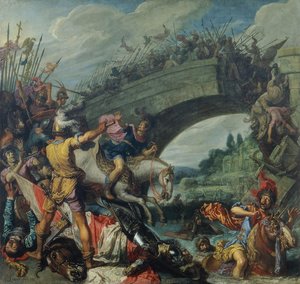
Lastman's paintings are characterized by their dramatic intensity, meticulous attention to detail, and a keen psychological insight into his subjects. He favored biblical scenes, often choosing lesser-known narratives that allowed him to explore complex themes of faith, betrayal, and redemption. Works like “The Battle of Constantine” exemplify his ability to create dynamic compositions filled with movement and emotion. The scene is not merely a depiction of historical events but a powerful exploration of human conflict and divine intervention. Similarly, paintings such as "David Gives Uriah a Letter for Joab" showcase Lastman’s willingness to tackle challenging subjects—depicting moments of moral ambiguity and psychological tension. He paid particular attention to the faces, hands, and feet of his figures, imbuing them with expressive detail that conveyed their inner turmoil. His use of color was bold and vibrant, further enhancing the emotional impact of his scenes.Lastman’s Legacy: Shaping a Generation
The influence of Pieter Lastman extended far beyond his own artistic output. As a teacher, he played a pivotal role in shaping the next generation of Dutch painters. Rembrandt van Rijn, undoubtedly his most famous pupil, absorbed many of Lastman's techniques and narrative approaches—particularly his dramatic use of light and shadow, his focus on psychological realism, and his penchant for biblical subjects. Jan Lievens also benefited from Lastman’s guidance, developing a similar style characterized by intense emotion and dynamic compositions. Beyond these prominent figures, Lastman mentored several other artists who contributed to the flourishing of Dutch Golden Age painting. He was instrumental in establishing Amsterdam as a center for history painting, paving the way for the artistic innovations that would define the 17th century. Although he died relatively young in 1633, his impact on Dutch art remains profound—a testament to his vision, skill, and unwavering commitment to storytelling through paint.Rediscovering Lastman: A Growing Appreciation
For centuries, Pieter Lastman’s contributions were often overshadowed by the brilliance of Rembrandt. However, recent scholarship has begun to redress this imbalance, recognizing him as a pivotal figure in Dutch art history. As more attention is paid to his individual works and his influence on other artists, a fuller appreciation for his unique talents is emerging. Museums around the world are re-evaluating their collections, showcasing Lastman’s paintings alongside those of his pupils, allowing viewers to appreciate the direct connection between his work and the masterpieces that followed. The rediscovery of Lastman is not merely an academic exercise but a vital step in understanding the complex evolution of Dutch Golden Age painting—acknowledging the contributions of a true pioneer who laid the foundations for one of the most celebrated periods in art history.
pieter pietersz lastman
1583 - 1633 , Netherlands
Quick Facts
- Artistic Movement Or Style: Dutch Golden Age painting
- Artists Or Movements Influenced By This Artist:
- Rembrandt
- Jan Lievens
- Artists Who Influenced This Artist:
- Caravaggio
- Adam Elsheimer
- Date Of Birth: 1583
- Date Of Death: 1633
- Full Name: Pieter Pietersz Lastman
- Nationality: Dutch
- Notable Artworks:
- The Battle of Constantine
- Annunciation
- David Gives Uriah a Letter
- Place Of Birth: Amsterdam, Netherlands
Related Articles
Abraham Hulk Senior: Pioneering Maritime Topography of the Dutch Golden Age
Explore the captivating seascapes of Abraham Hulk Senior, a leading Anglo-Dutch marine painter of the 19th century. Discover his signature style, family legacy & collectable artworks at ArtsDot.
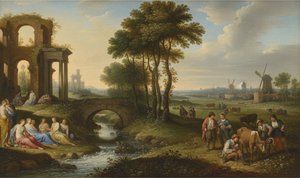
Cornelis van Poelenburch: Bridging Mannerism & the Dutch Baroque Landscape
Discover Cornelis van Poelenburch, a pivotal Dutch Baroque landscape painter bridging Mannerism & Italianate styles. Explore his life, key works, and lasting influence on 17th-century art with ArtsDot.
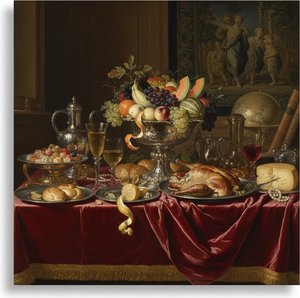
Abraham Hendricksz van Beyeren: Pioneering Dutch Still Life & the Banquet Tradition
Explore the captivating world of Dutch Golden Age still life with Abraham van Beyeren. Discover his innovative techniques, symbolic banquet scenes & lasting influence on art history. Learn about collecting these masterpieces.

Golden Age Reflections: Dutch Baroque Painting & Cultural Innovation
Explore the Dutch Golden Age of painting! Discover key artists like Vermeer & ter Borch, their innovative techniques, and the rich cultural context behind these Baroque masterpieces. Learn about collecting & appreciating this iconic art period.
Illuminating Realism: Exploring the Dutch Golden Age of Painting (1600-1700)
Explore the Dutch Golden Age of painting (1600-1700) with ArtsDot. Discover Rembrandt, Vermeer & other masters. Learn about techniques, history & find museum-quality reproductions.