 Preview
 Send
Send Share
Share
 Details

 Download
 Similars
 X-Ray
X-Ray Diaporama
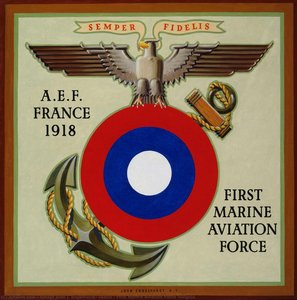
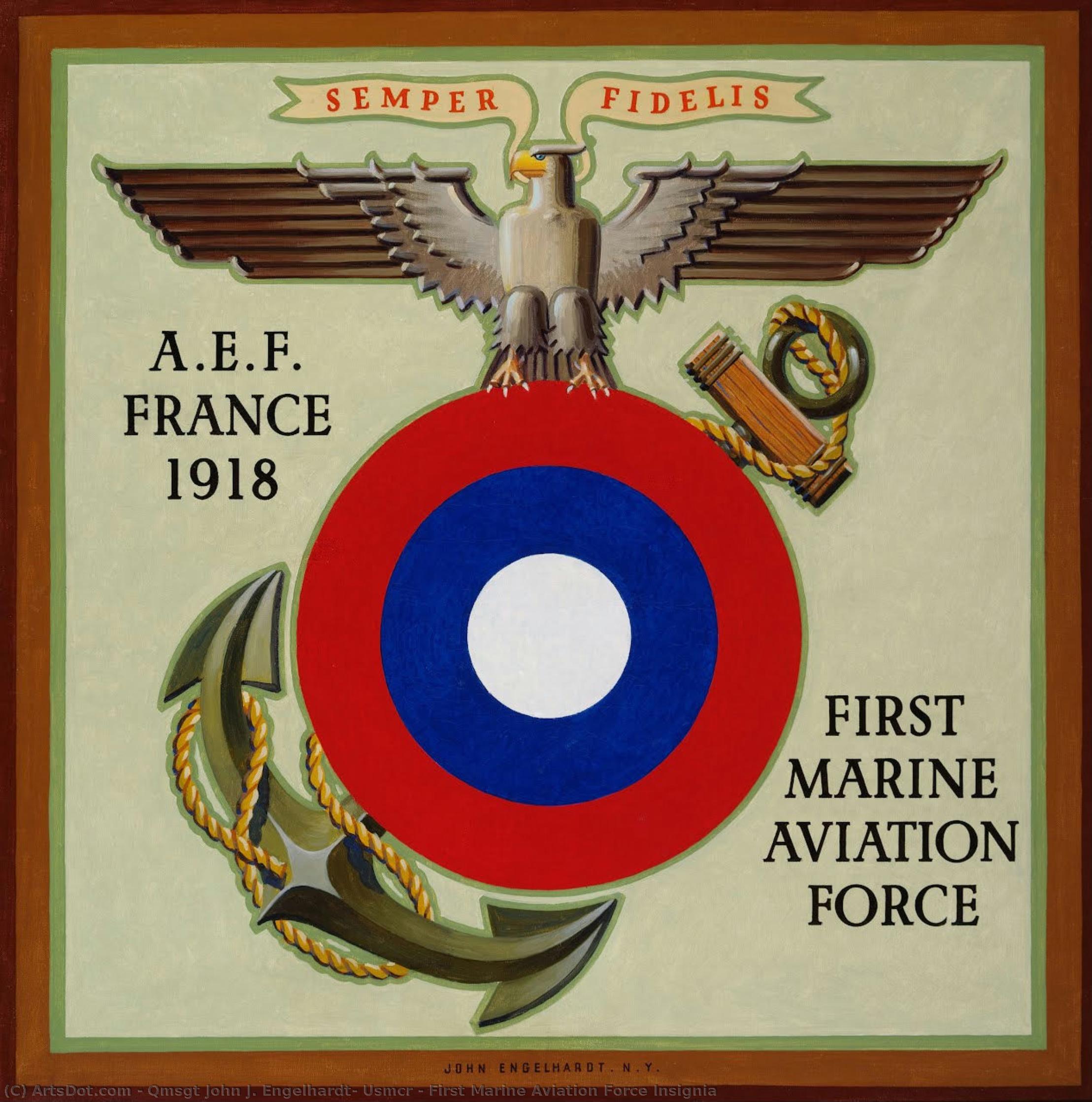
First Marine Aviation Force Insignia


 Read More
Hand Made Oil Reproduction
Hand-painted oil on canvas in your size and frame, made to order by our artists. ( Buy Print Buy Image)




P118B $10

P118H $10

P118W $10

P438Z $10

P508JH $12

P508YH $12

P805H $10

P805Z $10

P919BZ $10

P919G $10

P919XJ $10

P959ZH $10

P968JZ $12

W106C $8

W218G $10

W218JH $8

W218Y $10

W307PJ $10

W316G $10

W316PJ $8

W316Y $10

W398PJ $8

W4111J $10

W500HY $15

W500JH $15

W692G $12

W849H $8

W940BG $15

W953PJ $8




Pick from our preset sizes that match the artwork's original proportions.

You may enter your own dimensions to fit a specific frame or space. If your selected size does not match the original image's proportions, we will either crop the artwork or extend the painting with additional hand-painted elements. A digital mockup will be sent for your approval before production begins.
Please note that the on-screen preview does not reflect the actual cropping or extension. Only the mockup will accurately show the final composition.
While custom sizes are available, we recommend selecting a dimension from the predefined list to preserve the original proportions.
After order, ArtsDot.com team will email client for instructions and provide a mockup preview
Worldwide Delivery () in 3/4 weeks instead of standard 5 weeks. (22 August). No compromise on quality.

Free Worldwide Express Shipping

High-Quality Linen Canvas

Full Shipping Insurance

Customs Tax Refund Guarantee

True Color Matching Guarantee

60-Day Return Policy (Defects Only)

100% Money-Back Guarantee

Bulk Discount Offer
 Glass option is only available in size under 110 CM

First Marine Aviation Force Insignia
Reproduction Medium
Reproduction Size
-


Total Price
$ 263
Artwork Description
A Symbol of Valor: Examining John Engelhardt’s First Marine Aviation Force Insignia
The artwork presents a striking commemorative insignia commemorating the First Marine Aviation Force during World War I, specifically designed for deployment in France. More than just a decorative emblem, it embodies the spirit of patriotism and military dedication characteristic of the era—a testament to the ingenuity of John J. Engelhardt, a commercial artist enlisted in the Marine Corps Reserve who served as the Force’s “camoufleur,” tasked with crafting innovative camouflage solutions. This piece stands out not only for its aesthetic qualities but also for its significance as one of the earliest officially approved unit insignia in U.S. naval aviation history.- Subject Matter & Context: The insignia depicts a stylized eagle emblem centered within a rectangular frame—a deliberate choice reflecting the broader heraldic traditions prevalent during World War I, where symbols served as powerful tools for conveying national pride and bolstering morale amongst servicemen.
- Style & Technique: Engelhardt’s design exemplifies Art Deco influences, characterized by geometric forms – circles, rectangles – combined with organic shapes from the eagle's wings and anchors. The artwork was executed in oil paint or a similar medium, resulting in smooth surfaces and rich colors that capture the grandeur of the occasion.
- Symbolism: Beyond its visual appeal, the insignia is laden with symbolic meaning. The eagle represents strength and freedom—values deeply ingrained in American ideals—while the anchor symbolizes naval power and stability. Surrounding these emblems are laurel wreaths signifying victory and commemorating the successful conclusion of the war effort.
- Composition & Presentation: The artwork’s symmetrical composition emphasizes formality and precision, mirroring the disciplined ethos of the Marine Corps during that period. Careful attention was paid to lighting—even and diffused—avoiding dramatic shadows to ensure clarity and focus on conveying a sense of authority.
The Artist's Vision: John J. Engelhardt’s Contribution
John J. Engelhardt, born in Brooklyn in 1918, brought a unique perspective to the artistic endeavor. His early life was marked by familial hardship—the tragic loss of his sister due to congenital syphilis—influencing his artistic sensibilities and fostering a preoccupation with mortality that permeated his work. Following enlistment in the Marine Corps Reserve and assignment to Miami Flying Field, Engelhardt honed his skills as a “camoufleur,” demonstrating creativity and adaptability crucial for military service. His continued involvement in commercial art through 1940 solidified his reputation as a versatile artist committed to both artistic expression and practical application.Historical Significance & Artistic Legacy
Engelhardt’s insignia isn't merely an aesthetically pleasing design; it represents a pivotal moment in U.S. naval aviation history—the earliest known officially approved unit insignia. It stands as a tangible reminder of the sacrifices made during World War I and embodies the artistic spirit of its time, blending heraldic conventions with Art Deco sensibilities to create a powerful visual statement. Reproductions offer an opportunity to appreciate this remarkable piece of military art and connect with the enduring values of courage, resilience, and national unity.Related Artworks
Artist Biography
Egon Schiele: A Life Forged in Shadow and Intensity
Egon Schiele (1890-1918) remains one of the most intensely personal and unsettling figures in 20th-century art. His brief, tragically curtailed life produced a body of work characterized by raw emotion, distorted forms, and an unflinching exploration of human vulnerability—particularly themes of sexuality, death, and self-doubt. Born in Tulln, Austria, into a family marked by illness and loss, Schiele’s early experiences profoundly shaped his artistic vision, imbuing his paintings with a palpable sense of anxiety and alienation.
Schiele's father, Adolf Schiele, was the station master at Tulln, a position inherited through generations. However, the family history was shadowed by illness; his older sister, Elvira, died young from congenital syphilis, an event that deeply affected Egon and fueled a lifelong preoccupation with mortality. His father’s own struggle with syphilis, contracted during a honeymoon in Trieste, further contributed to this atmosphere of fragility and unspoken dread. This early exposure to disease and suffering became a recurring motif in his work, manifesting as skeletal figures, decaying flesh, and expressions of profound despair.
Despite his family's reservations, Schiele pursued his artistic ambitions with unwavering determination. He enrolled at the Vienna Academy of Fine Arts but quickly grew disillusioned with its conservative approach. Rejecting the academic tradition, he formed a group of like-minded artists—the “Neukunstgruppe”—and, along with Klimt and others, famously issued a protest letter that effectively expelled them from the institution. This act of rebellion marked a pivotal moment in Schiele’s career, signaling his departure from established norms and his commitment to forging his own unique artistic path.
The Influence of Klimt and the Rise of Expressionism
Schiele's early work was undeniably influenced by Gustav Klimt, the celebrated Austrian Symbolist painter. Initially, he adopted Klimt’s opulent style, employing rich colors, decorative patterns, and a focus on sensuality—a period often referred to as his “Silver Klimt” phase. However, this stylistic imitation proved temporary. By 1910, Schiele dramatically shifted his approach, abandoning the decorative elements of Klimt's work in favor of a more raw and emotionally charged style that would come to define his artistic legacy.
This transformation coincided with the emergence of Expressionism—a movement characterized by its subjective emotional expression and distortion of reality. Schiele is considered one of the earliest exponents of this style, utilizing exaggerated lines, flattened perspectives, and a palette dominated by dark, unsettling hues. His self-portraits, in particular, are intensely revealing, capturing his own anxieties, insecurities, and profound sense of isolation.
The influence of Oskar Kokoschka, another Viennese painter known for his emotionally expressive portraits, also played a significant role in Schiele’s development. Kokoschka's emphasis on psychological depth and the use of line to convey emotion paved the way for Schiele’s own exploration of the inner landscape of the human psyche.
Themes of Sexuality, Death, and Self-Portraiture
Schiele’s art is relentlessly preoccupied with themes of sexuality, death, and self-identity. His depictions of the nude female figure are particularly striking—often characterized by a sense of vulnerability, eroticism, and underlying sadness. He frequently portrayed women in states of emotional turmoil, capturing their anxieties, desires, and fears with unflinching honesty.
Death is another recurring motif in Schiele’s work. His paintings often feature skeletal figures, decaying bodies, and images of mourning—a reflection of his own awareness of mortality and the fragility of human existence. The prevalence of self-portraits further underscores this preoccupation with death, as Schiele repeatedly confronted his own image, attempting to capture his essence and grapple with his identity.
His self-portraits are not merely representations of his physical appearance; they are profound explorations of the artist’s psyche—a window into his inner world filled with doubt, longing, and a desperate search for meaning. The twisted poses, intense gazes, and often unsettling expressions in these portraits reveal a deeply complex and troubled individual.
A Tragic End and Lasting Legacy
Egon Schiele’s life was tragically cut short at the age of 28 by typhoid fever in October 1918—barely a month after the end of World War I. His untimely death, coupled with his controversial subject matter and unconventional artistic style, contributed to his posthumous fame and cult following.
Despite facing censorship and criticism during his lifetime, Schiele’s work has since been recognized as a seminal contribution to Expressionism and modern art. His intensely personal and emotionally charged paintings continue to resonate with viewers today, offering a powerful glimpse into the anxieties, desires, and vulnerabilities of the human condition. His legacy lies in his uncompromising honesty, his willingness to confront difficult subjects, and his ability to capture the essence of human experience with unparalleled intensity.
His work is held in major museums worldwide, including the Albertina Museum in Vienna, the Kunsthaus in Graz, and the Metropolitan Museum of Art in New York City. His paintings continue to be studied and admired for their unique blend of psychological insight, technical skill, and emotional power.

qmsgt john j. engelhardt, usmcr
1918 - , United States of America
Quick Facts
- Artistic Movement Or Style: Expressionism
- Artists Who Influenced This Artist: ['Gustav Klimt],\n "Artists or movements influenced by this artist": ["Kokoschka"]\n}']
- Date Of Birth: June 12, 1890
- Date Of Death: October 31, 1918
- Full Name: Egon Leo Adolf Ludwig Schiele
- Nationality: Austrian
- Notable Artworks:
- Seated Woman with Bent Knees
- Cardinal and Nun
- Death and the Maiden
- The Family
- Place Of Birth: Tulln, Austria
Related Articles

John Singer Sargent's 25 Masterpieces: Portraits & Beyond | ArtsDot
Explore 25 iconic John Singer Sargent paintings – from dazzling portraits to Impressionist landscapes. Discover the stories behind Madame X, El Jaleo & more! Find museum-quality art reproductions and elevate your home decor with ArtsDot.com.

John Constable's Masterpieces: Explore 25 Iconic Landscapes for Your Home
Journey through John Constable's 25 most celebrated landscapes. Explore Romanticism, Dedham Vale & his masterful use of light in iconic paintings like 'Hay Wain'. Find museum-quality art reproductions and elevate your home decor on ArtsDot.com.
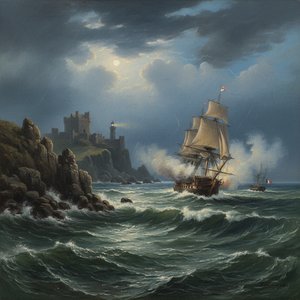
John Wilson Carmichael: Evoking Scottish Identity Through Dramatic Marine Painting
Explore the dramatic marine paintings of John Wilson Carmichael (1800-1868), a Victorian master renowned for his realistic seascapes and historical naval scenes. Discover his life, style & available hand-painted reproductions at ArtsDot.
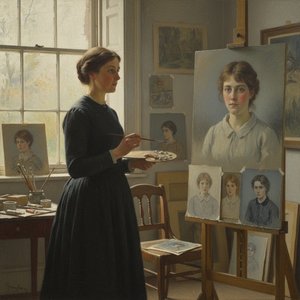
Gwen John: Intimacy, Modernity & the Quiet Power of Welsh Portraiture
Explore the captivating world of Gwen John, a pioneering Welsh artist renowned for her intimate portraits & subtle style. Discover her life, legacy, and how to bring her timeless beauty into your home with ArtsDot.
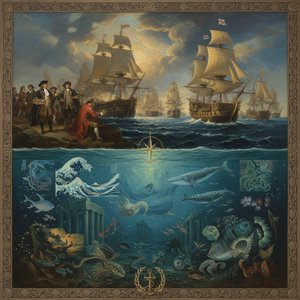
Navigating the Depths of Representation: A Historical Exploration of Marine Painting
Explore the rich history of marine painting with ArtsDot. Discover Dutch Masters, Romantic seascapes & renowned artists like Wyllie and Harris. Expert guidance for collectors & custom reproductions.