 Preview
 Send
Send Share
Share
 Details

 Download
 Similars
 X-Ray
X-Ray Diaporama
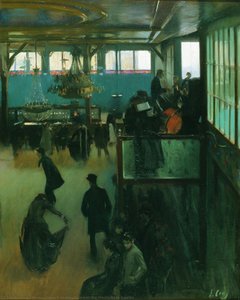
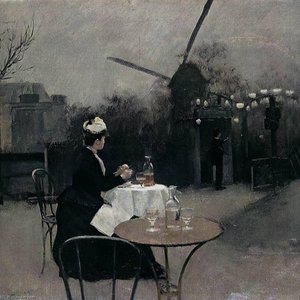
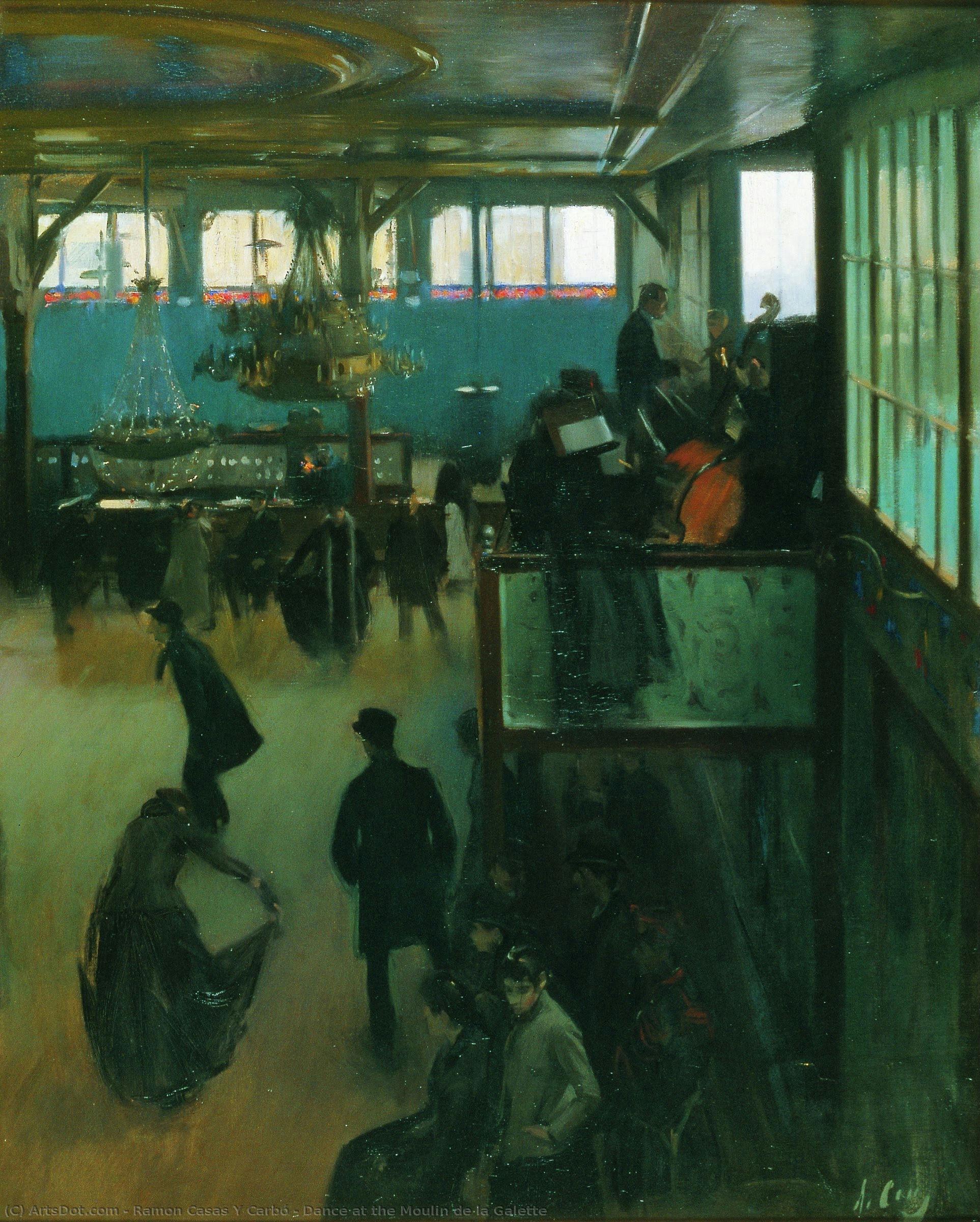
Dance at the Moulin de la Galette
 Oil On Canvas
- WallArt
- Modernisme Movement
Modernisme
 1890
1890 103.0 x 81.0 cm
 Cau Ferrat Museum
 Read More
Giclée / Art Print
Museum-quality giclée or canvas print with fast production and flexible finish options. ( Buy Hand Made Painting Buy Image)




P118B $10

P118H $10

P118W $10

P438Z $10

P508JH $12

P508YH $12

P805H $10

P805Z $10

P919BZ $10

P919G $10

P919XJ $10

P959ZH $10

P968JZ $12

W106C $8

W218G $10

W218JH $8

W218Y $10

W307PJ $10

W316G $10

W316PJ $8

W316Y $10

W398PJ $8

W4111J $10

W500HY $15

W500JH $15

W692G $12

W849H $8

W940BG $15

W953PJ $8




Pick from our preset sizes that match the artwork's original proportions.

You may enter your own dimensions to fit a specific frame or space. If your selected size does not match the original image's proportions, we will either crop the artwork or extend the image with a mirrored or solid-fill edge. A digital mockup will be sent for your approval before production begins.
Please note that the on-screen preview does not reflect the actual cropping or extension. Only the mockup will accurately show the final composition.
While custom sizes are available, we recommend selecting a dimension from the predefined list to preserve the original proportions.
Worldwide Delivery () in 2 weeks instead of standard 4/5 weeks. (24 August)

Free Worldwide Express Shipping

High-Quality Linen Canvas

Full Shipping Insurance

Customs Tax Refund Guarantee

True Color Matching Guarantee

60-Day Return Policy (Defects Only)

100% Money-Back Guarantee

Bulk Discount Offer
 Glass option is only available in size under 110 CM

Dance at the Moulin de la Galette
Giclée / Art Print
Reproduction Size
-


Total Price
$ 63
Collectible Description
Dance at the Moulin de la Galette – A Snapshot of Parisian Modernisme
Ramon Casas i Carbó’s “Dance at the Moulin de la Galette” (1890) is more than just a charming depiction of a Sunday afternoon; it's a vibrant embodiment of Catalan Modernisme’s fascination with capturing fleeting moments of everyday life. Painted during a period of intense artistic experimentation in Paris, this work showcases Casas’s ability to synthesize Realist observation with the Impressionistic pursuit of light and atmosphere, resulting in a scene brimming with energy and social commentary. The painting transports us directly into the heart of Montmartre, offering a glimpse into the leisure activities of Parisian society – a world of artists, intellectuals, and fashionable patrons enjoying themselves at the iconic Moulin de la Galette.
Subject Matter and Composition
- The scene unfolds within the bustling interior of the Moulin de la Galette, a popular dance hall frequented by prominent figures in Parisian artistic circles.
- Casas masterfully employs a shallow depth of field, drawing our eye to the foreground figures engaged in conversation and movement.
- At least thirteen individuals populate the canvas, each rendered with remarkable detail – from the gentleman sporting a meticulously tied cravat to the young woman lost in animated discussion.
- The composition is dynamic, capturing the spontaneity of the gathering through overlapping forms and varied poses.
Technique and Style – A Fusion of Influences
Casas’s technique reveals a sophisticated understanding of both Realism and Impressionism. He utilizes loose brushstrokes to convey movement and light, particularly evident in the dappled reflections on the floor and walls, mimicking the effect of sunlight filtering through the numerous windows of the Moulin. The color palette is rich and vibrant, dominated by warm tones – ochres, reds, and yellows – reflecting the atmosphere of a lively social gathering. The influence of Spanish masters like Joaquín Sorolla, known for his luminous depictions of light and water, is subtly present in Casas’s handling of color and brushwork. This blending of styles defines Casas's unique artistic voice within the broader context of Modernisme.
Symbolism and Historical Context
"Dance at the Moulin de la Galette" offers a window into the social fabric of late 19th-century Paris. The painting captures a moment of relative freedom and artistic experimentation, reflecting the spirit of Modernisme’s challenge to traditional academic conventions. The presence of artists and intellectuals within the scene underscores the importance of artistic patronage and the role of Montmartre as a hub for creative innovation. The inclusion of figures dressed in fashionable attire speaks to the growing emphasis on aesthetics and social status during this era.
Emotional Impact and Artistic Legacy
Casas’s work resonates with an undeniable sense of joy and vitality. The painting's energy is palpable, inviting the viewer to become part of the scene. “Dance at the Moulin de la Galette” remains a testament to Casas’s artistic skill and his ability to capture the essence of a particular moment in time. It exemplifies the Modernisme movement’s commitment to portraying contemporary life with honesty and passion, solidifying Casas's place as a pivotal figure in Catalan art history.
Related Artworks

Artist Biography
Ramon Casas i Carbó: A Catalan Modernisme Pioneer
Ramon Casas i Carbó (January 4, 1866 – February 5, 1932) was a prominent Spanish painter and decorator of the Modernisme movement. Born in Barcelona, Spain, he is celebrated for his portraits, genre scenes, and depictions of Catalan life, blending elements of Realism and Impressionism into a distinctive style.
Early Life, Training, and Artistic Beginnings
- Birth and Family: Casas was born into a wealthy family; his father had amassed considerable fortune in Cuba, while his mother hailed from a well-established Catalan lineage.
- Artistic Education: Recognizing his artistic inclinations early on, at the age of 11 (in 1877), Casas abandoned formal schooling to study art under Joan Vicens, marking the commencement of his dedicated artistic journey.
- Early Works and Recognition: His initial works primarily focused on portraits and caricatures of members of the Catalan, Spanish, and French elite. The painting Self-portrait as a Flamenco Dancer (1883) garnered significant attention, leading to an invitation for him to join the Societé d'Artistes Français.
- Early Successes: Corrida de Toros (1884), showcasing his ability to capture dynamic crowd scenes, further solidified his reputation. His work Intérieur du Moulin de la Galette (1891) earned him a medal at the Berlin International Exposition, demonstrating his growing artistic maturity.
Development and Key Artistic Themes
- Influence of Impressionism and Realism: Casas’s style was heavily influenced by both Impressionist techniques – evident in his use of light and color – and Realistic portrayals of everyday life and individuals.
- Catalan Identity: A recurring theme in Casas' work was the depiction of Catalan culture, society, and landscapes. He frequently portrayed scenes of daily life, festivals, and portraits of prominent figures within Catalonia.
- Collaboration with Santiago Rusiñol: In 1889, Casas embarked on a significant artistic journey alongside fellow artist Santiago Rusiñol, traveling through Catalonia and documenting their experiences in sketches and paintings. This collaboration fostered his understanding of Catalan identity and rural life.
- Association with the Societé d'Artistes Français: Becoming an associate of this prestigious society allowed Casas to exhibit his work at their salon without undergoing jury selection, providing him with greater exposure and recognition within the Parisian art world.
Major Achievements and Notable Works
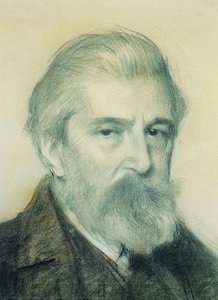
- Portraits: Casas was renowned for his insightful and expressive portraits, capturing not only physical likeness but also the character and personality of his subjects. Examples include Portrait of Mr. Domínguez (1899) which showcases his skill in pencil drawing.
- Genre Scenes: His genre paintings offered vivid glimpses into Catalan life, depicting scenes from bullfights (Corrida de Toros), cafes, and social gatherings.
- Self-portrait as a Flamenco Dancer (1883): This early work established his unique style and demonstrated his ability to blend portraiture with theatrical flair.
- Depictions of Celebrated Figures: Casas created portraits of prominent figures such as composer Isaac Albéniz, poet Jaume Massó, and writer Albert Bernís, solidifying his reputation as a sought-after portraitist.
Legacy and Historical Significance
Ramon Casas i Carbó left an indelible mark on Catalan art and the broader Modernisme movement. His work is celebrated for its vibrant depictions of Catalan life, insightful portraits, and skillful blending of Realism and Impressionism. Today, his paintings are housed in prestigious museums including the Cau Ferrat Museum (Sitges) and the Museu d'Art Contemporani de Barcelona, ensuring that his artistic legacy continues to inspire and captivate audiences.
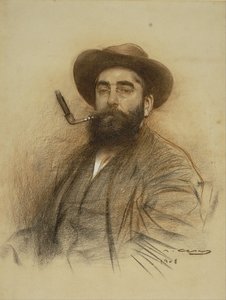
Ramon Casas i Carbó
1866 - 1932 , Spain
Quick Facts
- Artistic Movement Or Style: Catalan Modernisme
- Date Of Birth: January 4, 1866
- Date Of Death: 1932
- Full Name: Ramon Casas i Carbó
- Nationality: Spanish
- Notable Artworks:
- Self-portrait as a flamenco dancer
- Corrida de toros
- Intérieur du moulin de la galette
- Portrait of Mr. Domíngez
- Place Of Birth: Barcelona, Spain
Related Articles

Goya's Masterpieces: Explore 25 Iconic Paintings & Art Prints | ArtsDot
Delve into the world of Francisco Goya with ArtsDot. Explore 25 iconic paintings – from 'The Third of May' to his haunting Black Paintings. Discover the stories, techniques & emotions behind these Spanish masterpieces. Find museum-quality art reproductions for your home at ArtsDot.com!

About Us
Discover our story! We bring world-class art into your life through expert curation, personalized creations, and free previews. Trusted by individuals and businesses since 2000.
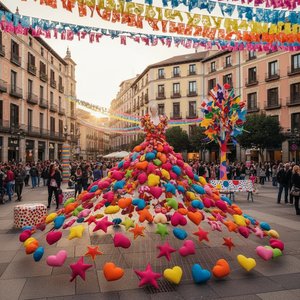
Águeda Ruiz de la Prada: A Study of Eclecticism & Emotional Resonance in Contemporary Spanish Painting
Discover the vibrant world of Ágatha Ruiz de la Prada, a leading figure in contemporary Spanish art. Explore her eclectic style, emotional depth & legacy – a must-read for discerning collectors.
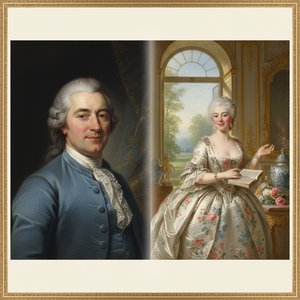
Maurice Quentin de La Tour: Light, Shadow & the Rococo Portrait
Explore the captivating world of Maurice Quentin de La Tour, a master of Rococo portraiture. Discover his innovative pastel techniques, intimate depictions of French aristocracy, and lasting artistic legacy. Learn more at ArtsDot.
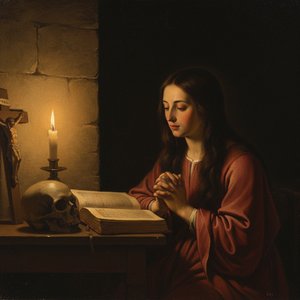
Georges de La Tour: Luminosity, Spirituality & Realism in Baroque Painting
Discover the captivating world of Georges de La Tour, a Baroque master renowned for his dramatic chiaroscuro & spiritual realism. Explore key works, influences, and his remarkable rediscovery. Learn more at ArtsDot.