 Preview
 Send
Send Share
Share
 Details

 Download
 Similars
 X-Ray
X-Ray Diaporama
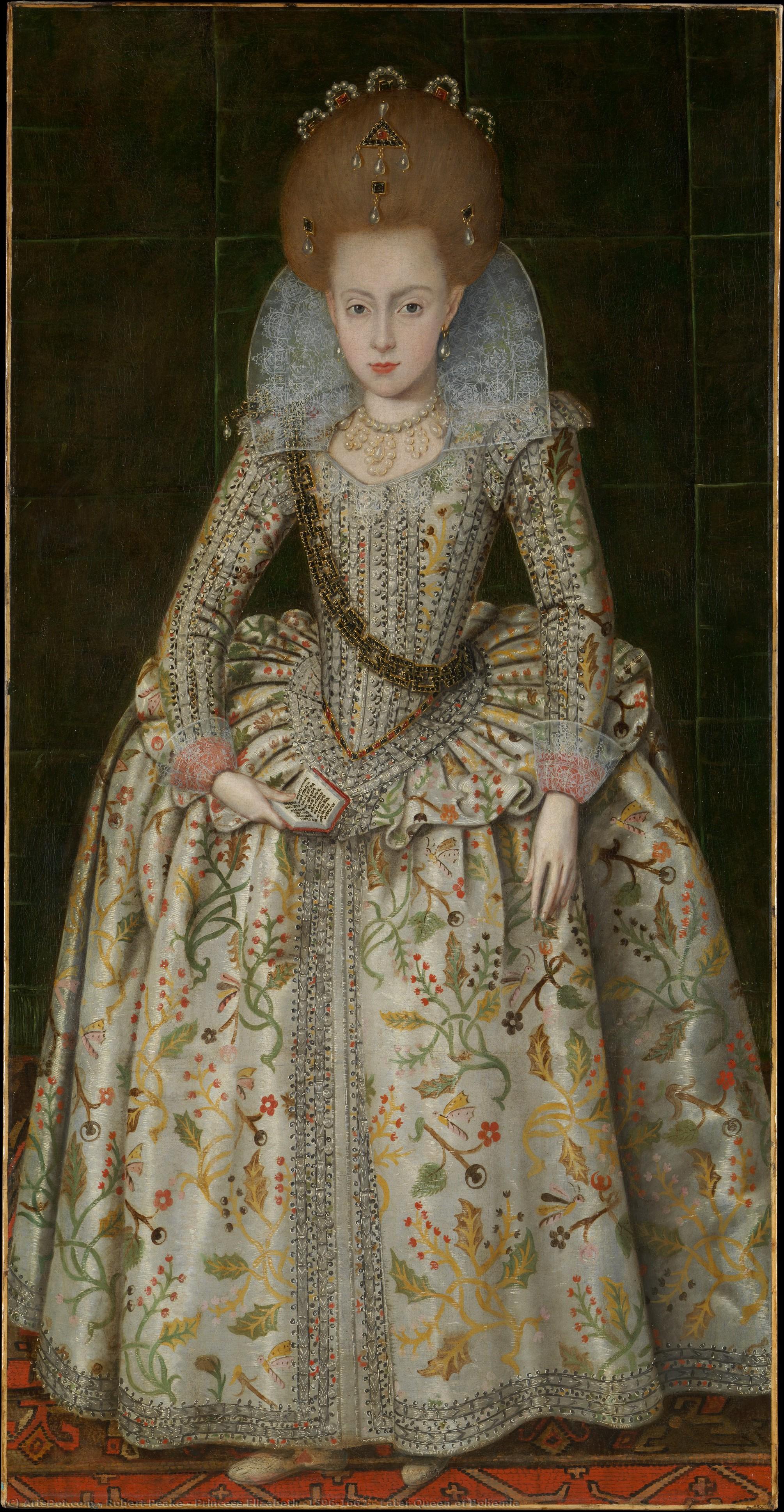
Princess Elizabeth (1596–1662), Later Queen of Bohemia
 Elizabethan Portraiture
 1606
1606 154.0 x 79.0 cm
 Metropolitan Museum of Art
 Read More
Giclée / Art Print
Museum-quality giclée or canvas print with fast production and flexible finish options. ( Buy Hand Made Painting Buy Image)




P118B $10

P118H $10

P118W $10

P438Z $10

P508JH $12

P508YH $12

P805H $10

P805Z $10

P919BZ $10

P919G $10

P919XJ $10

P959ZH $10

P968JZ $12

W106C $8

W218G $10

W218JH $8

W218Y $10

W307PJ $10

W316G $10

W316PJ $8

W316Y $10

W398PJ $8

W4111J $10

W500HY $15

W500JH $15

W692G $12

W849H $8

W940BG $15

W953PJ $8




Pick from our preset sizes that match the artwork's original proportions.

You may enter your own dimensions to fit a specific frame or space. If your selected size does not match the original image's proportions, we will either crop the artwork or extend the image with a mirrored or solid-fill edge. A digital mockup will be sent for your approval before production begins.
Please note that the on-screen preview does not reflect the actual cropping or extension. Only the mockup will accurately show the final composition.
While custom sizes are available, we recommend selecting a dimension from the predefined list to preserve the original proportions.
Worldwide Delivery () in 2 weeks instead of standard 4/5 weeks. (24 August)

Free Worldwide Express Shipping

High-Quality Linen Canvas

Full Shipping Insurance

Customs Tax Refund Guarantee

True Color Matching Guarantee

60-Day Return Policy (Defects Only)

100% Money-Back Guarantee

Bulk Discount Offer
 Glass option is only available in size under 110 CM

Princess Elizabeth (1596–1662), Later Queen of Bohemia
Giclée / Art Print
Reproduction Size
-


Total Price
$ 63
Collectible Description
Related Artworks
Artist Biography
A Courtly Brush: The Life and Art of Robert Peake the Elder
Robert Peake the Elder, a name resonating with the opulence and political intrigue of late Elizabethan and early Jacobean England, stands as a pivotal figure in the development of English portraiture. Born around 1551, his life unfolded against a backdrop of shifting power dynamics, religious tensions, and an evolving artistic landscape. While details of his early training remain somewhat elusive—apprenticed to a London goldsmith in 1565—it’s clear that Peake quickly gravitated towards the decorative arts, finding employment at court as early as 1576. This initial foray into royal service would prove foundational, shaping not only his career trajectory but also the very style for which he became renowned. He wasn't merely a painter; he was a craftsman of image, tasked with constructing and disseminating carefully curated representations of power and status.The Rise to Prominence: Serving Two Monarchs
Peake’s ascent within the courtly hierarchy accelerated under both Elizabeth I and James I. In 1604, he was appointed Principal Picture Maker to Henry, Prince of Wales, a role that thrust him into the spotlight. This commission wasn't simply about creating likenesses; it was about cultivating an image—presenting the young prince as a vigorous, capable heir, embodying the hopes and aspirations of the nation. He specialized in full-length “costume pieces,” vibrant portraits showcasing the Prince on horseback, engaged in aristocratic pursuits like hunting or displaying his martial prowess. These weren’t intimate psychological studies; they were statements—bold declarations of lineage, wealth, and future authority. In 1607, Peake further solidified his position with the appointment as Serjeant Painter to King James I, a post he shared with John de Critz. This dual role allowed him to navigate the complex artistic demands of both the royal family and the wider courtly circle. His workshop became a hub of activity, producing portraits that reflected not just physical appearance but also social standing and political allegiance.A Style Defined: Brilliance, Detail, and Collaboration
Peake’s distinctive style is characterized by its dazzling use of color, meticulous attention to detail—particularly in the rendering of fabrics and jewels—and a somewhat formal, idealized approach to representation. He was not alone in this aesthetic; he worked closely with other prominent artists like Marcus Gheeraerts the Younger and Isaac Oliver, forming a collaborative network that defined English portraiture during this period. Attributing specific works definitively to Peake can be challenging, as workshops often involved multiple hands and assistants. However, his influence is undeniable—a shared emphasis on elaborate costumes, flattened perspectives, and symbolic details permeates the work of these artists. His portraits weren’t simply about capturing a face; they were about constructing an identity, layering meaning onto every element of the composition. The bright colors, while visually striking, also served a practical purpose: to convey wealth and status in a society where clothing was a potent symbol of social rank.Family Legacy and Historical Significance
Robert Peake’s influence extended beyond his own artistic output; he established a family dynasty of painters and print sellers. His son, William Peake, followed in his footsteps as a painter, while his grandson, Sir Robert Peake, became a prominent figure in the printing trade—even serving as a royalist during the English Civil War. This familial continuity underscores the importance of workshop traditions and the transmission of artistic knowledge within early modern England. Peake’s work provides invaluable insight into the courtly culture of Elizabeth I and James I, offering a glimpse into the values, aspirations, and political machinations of the era. His portraits weren't merely decorative objects; they were powerful tools of propaganda, used to shape public perception and reinforce royal authority. His legacy lies not only in his technical skill but also in his ability to capture the spirit of an age—an age defined by ambition, spectacle, and a relentless pursuit of power. He remains a crucial figure for understanding the development of English portraiture and its role in shaping national identity.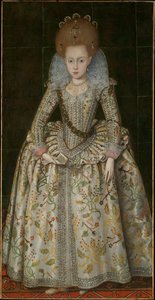
Quick Facts
- Artistic Movement Or Style: Elizabethan portraits
- Artists Who Influenced This Artist: ['Nicholas Hilliard']
- Date Of Birth: c. 1551
- Date Of Death: 1619
- Full Name: Robert Peake the Elder
- Nationality: English
- Notable Artworks:
- Peake Princess Elizabeth
- Prince Henry & Essex
Related Articles

David Roberts: A Scottish Pioneer of Topographical Art & Orientalist Vision
Explore the captivating world of David Roberts, a pioneering Scottish painter renowned for his detailed Orientalist scenes & stunning Egyptian landscapes. Discover his legacy and find museum-quality reproductions at ArtsDot.
Hubert Robert: Picturing Ruins, Preserving Memory – A Study of Romantic Antiquarianism & Artistic Innovation
Explore the captivating world of Hubert Robert, master of Romantic landscape painting & 'capriccio' ruins. Discover his historical context, artistic innovations, and collecting insights with ArtsDot.
Masterpieces of the 17th Century: Art, History & Decor Inspiration | ArtsDot
Journey through 17th century art with masterpieces by Rembrandt, Vermeer & Caravaggio. Explore Baroque paintings, Dutch Golden Age techniques & timeless beauty. Find museum-quality reproductions and elevate your home decor on ArtsDot.com.
Charles Robert Leslie: Navigating Romantic Ideals & Academic Tradition
Explore the life & art of Charles Robert Leslie, a key figure bridging Romantic ideals with Victorian academic tradition. Discover his captivating portraits, literary scenes, and enduring legacy as Constable’s biographer.
Robert Havell Sr.: Botanical Precision & the Rise of Colour Plate Publishing
Explore the life & work of Robert Havell Sr., a pioneer of botanical illustration and key collaborator with Audubon. Discover his stunning aquatint engravings, artistic techniques, and lasting impact on 19th-century art.