 Preview
 Send
Send Share
Share
 Details

 Download
 Similars
 X-Ray
X-Ray Diaporama
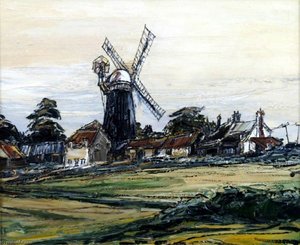
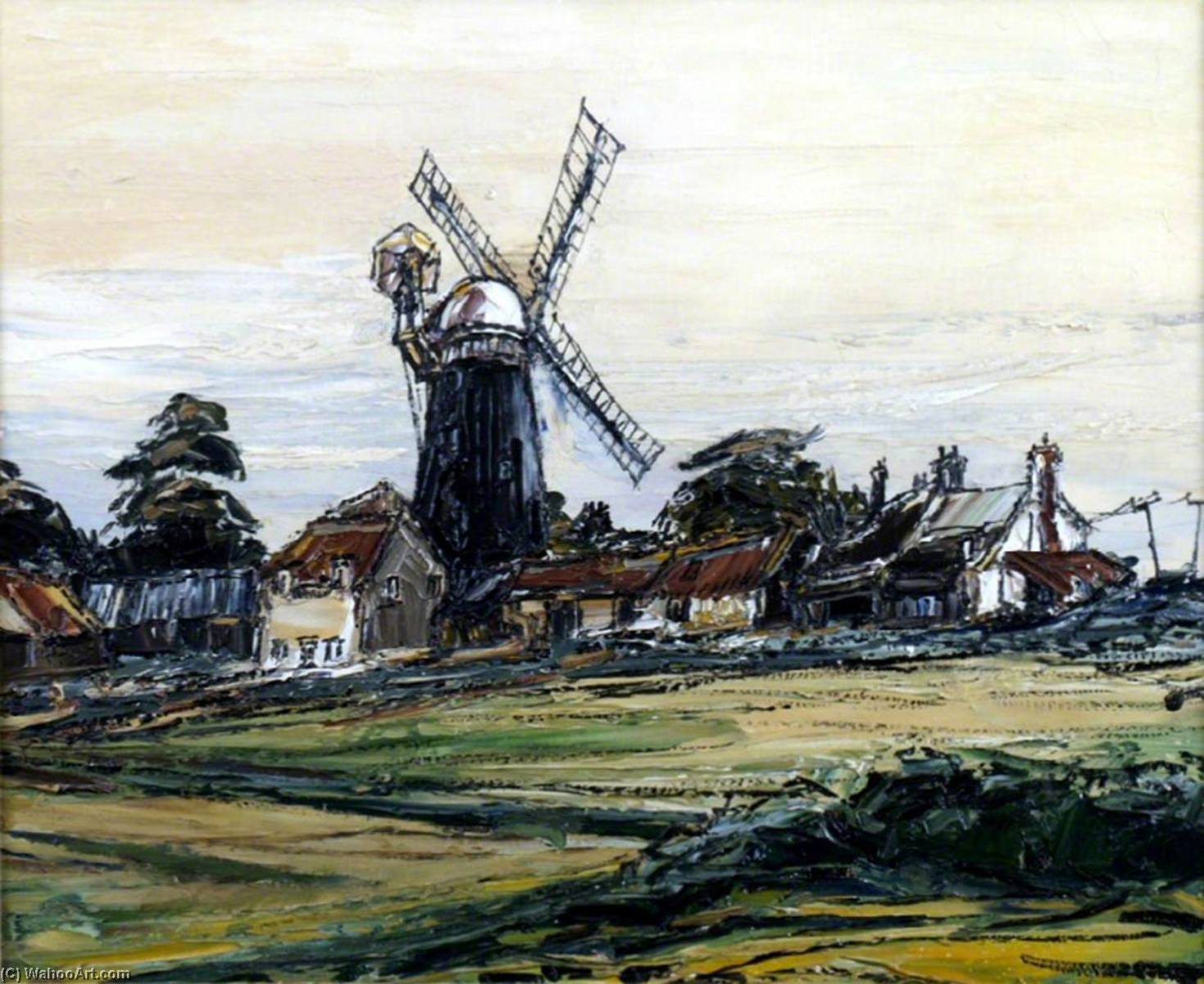
East Anglian Windmill
 Impressionism
 41.0 x 50.0 cm
 Read More
Giclée / Art Print
Museum-quality giclée or canvas print with fast production and flexible finish options. ( Buy Hand Made Painting Buy Image)




































Pick from our preset sizes that match the artwork's original proportions.

You may enter your own dimensions to fit a specific frame or space. If your selected size does not match the original image's proportions, we will either crop the artwork or extend the image with a mirrored or solid-fill edge. A digital mockup will be sent for your approval before production begins.
Please note that the on-screen preview does not reflect the actual cropping or extension. Only the mockup will accurately show the final composition.
While custom sizes are available, we recommend selecting a dimension from the predefined list to preserve the original proportions.
Worldwide Delivery () in 2 weeks instead of standard 4/5 weeks. (23 August)

Free Worldwide Express Shipping

High-Quality Linen Canvas

Full Shipping Insurance

Customs Tax Refund Guarantee

True Color Matching Guarantee

60-Day Return Policy (Defects Only)

100% Money-Back Guarantee

Bulk Discount Offer
 Glass option is only available in size under 110 CM

East Anglian Windmill
Giclée / Art Print
Reproduction Size
-


Total Price
$ 63
Collectible Description
A Glimpse of Rural England: Robert W. Hill's "East Anglian Windmill"
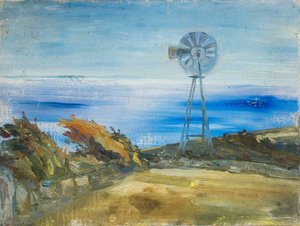
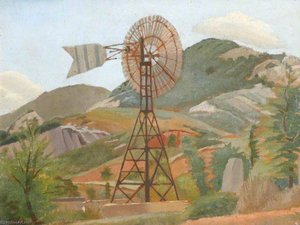
This captivating landscape painting by Robert W. Hill offers a tranquil view of rural East Anglia, showcasing a quintessential English windmill nestled within a charming village setting. Executed in an impressionistic style, the artwork transports viewers to a peaceful countryside scene, evoking feelings of nostalgia and serenity. The slightly elevated perspective allows for a comprehensive view of the composition, drawing the eye from the grassy foreground towards the focal point – the majestic windmill dominating the background. Hill masterfully captures the essence of the English countryside through his skillful use of color and light.Impressionistic Technique and Atmospheric Perspective
Hill’s technique is firmly rooted in Impressionism, evident in the loose, expressive brushstrokes that define the shapes of buildings, trees, and the windmill itself. The palette is dominated by earthy tones – greens, browns, ochres – punctuated by touches of blue and grey, creating a harmonious and naturalistic feel. Thick impasto brushwork adds texture to the sky and foliage, lending a tactile quality to the painting. Notably, Hill employs atmospheric perspective; distant objects are rendered with less detail and paler colors, simulating the effect of distance and enhancing the sense of depth within the scene. This technique prioritizes capturing the overall feeling and atmosphere rather than strict realism, characteristic of the Impressionist movement. The diffused lighting suggests an overcast day, further contributing to the painting's tranquil mood.Symbolism and Cultural Significance
Beyond its aesthetic appeal, "East Anglian Windmill" carries symbolic weight. The windmill itself represents industry and agriculture – vital components of rural life in East Anglia. It stands as a testament to traditional methods and a connection to the land. The surrounding buildings evoke a sense of community and history, hinting at generations who have lived and worked within this landscape. The painting celebrates the enduring beauty of the English countryside and its cultural heritage.Robert W. Hill: An American Impressionist
While depicting an East Anglian scene, Robert W. Hill (1932-1990) was an American artist celebrated for his detailed depictions of nature and rural life within the framework of American Impressionism. Though details about his personal life remain scarce, his artistic legacy lies in his ability to capture the essence of landscapes with a keen eye for detail and atmospheric nuance. This work exemplifies his talent for portraying scenes that are both visually striking and emotionally resonant, inviting viewers to appreciate the simple beauty of the natural world. His paintings often reflect a peacefulness and nostalgia, qualities beautifully embodied in "East Anglian Windmill."Related Artworks
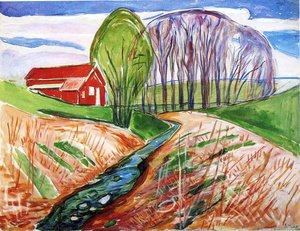
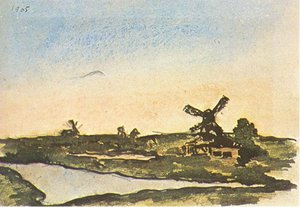
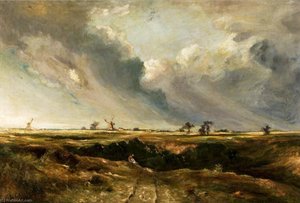
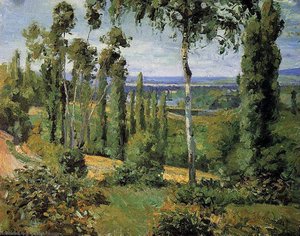
Artist Biography
Robert W. Hill: A Master of American Impressionism
Robert W. Hill (1932-1990) emerged as a significant figure in the landscape and wildlife painting traditions of mid-20th century America, quietly establishing himself as a master of observation and evocative detail. Born in Watford, Hertfordshire, England, in 1932, his early life instilled within him a deep appreciation for the natural world – an influence that would profoundly shape his artistic vision. He later relocated to Dallas, Texas, where he spent much of his career, developing a distinctive style characterized by meticulous rendering and a profound connection to the American West’s diverse ecosystems. Hill's work isn't defined by grand gestures or dramatic compositions; rather, it resides in the subtle shifts of light, the textures of bark and feathers, and the quiet dignity of animals within their habitats.Early Life and Artistic Training
Hill’s artistic journey began with formal training at Watford School of Art and later at the Royal Academy Schools in London during the 1950s. His teachers, including Henry Rushbury, Peter Greenham, and Bernard Fleetwood-Walker, provided him with a rigorous foundation in draughtsmanship and color theory. These early influences instilled in him a commitment to accuracy and a respect for traditional artistic techniques. Notably, he won several prestigious scholarships, including the David Murray Scholarship in landscape painting, demonstrating his exceptional talent from an early age. This period of training laid the groundwork for his later development as a keen observer of nature, meticulously documenting its intricacies with remarkable skill.A Distinctive Style: Observation and Detail
Hill’s artistic style is often described as American Impressionism, though he developed a unique approach that transcended simple mimicry. He wasn't interested in capturing fleeting moments or atmospheric effects; instead, he focused on detailed representations of wildlife and landscapes, rendered with an almost photographic precision. His paintings are characterized by a deep understanding of anatomy – particularly evident in his depictions of animals – combined with a sensitive awareness of texture and light. He spent considerable time studying his subjects, patiently observing their behavior and meticulously recreating their forms and surroundings. This dedication to observation is perhaps the key to the enduring appeal of his work; it’s not merely a representation of nature but an intimate portrait of its inhabitants.Themes and Subjects: The American West
Hill's artistic focus gradually shifted towards the landscapes and wildlife of the American West, a region that captivated him with its vastness, rugged beauty, and diverse fauna. His paintings frequently depict scenes from the Southwest – mesas, canyons, deserts, and the animals that call these environments home: deer, elk, rabbits, foxes, and various birds. He wasn’t simply recording these subjects; he was conveying a sense of reverence for the natural world and its delicate balance. Many of his works evoke a feeling of solitude and contemplation, inviting the viewer to share in the quiet beauty of the wilderness. His depictions of cattle studies are particularly notable, showcasing an incredible understanding of animal form and movement.Legacy and Recognition
While Robert W. Hill may not be as widely celebrated as some of his contemporaries, his work has gained increasing recognition over time. He was a member of several prominent art organizations, including the Royal Oversea League, the United Artists, and the National Audubon Society, demonstrating his commitment to artistic excellence and conservation. His paintings are held in numerous public collections across the United States, testament to their enduring quality and appeal. His legacy lies not only in the beauty of his individual works but also in his dedication to meticulous observation and his profound respect for the natural world – qualities that continue to inspire artists today. Further research into his work reveals a prolific artist who left an important mark on American landscape painting, quietly demonstrating a mastery of detail and a deep connection to the wild spaces he so faithfully depicted.
robert w hill
1932 - 1990
Quick Facts
- Artistic Movement Or Style: American Impressionism
- Artists Or Movements Influenced By This Artist: ['None specified']
- Artists Who Influenced This Artist:
- Henry Rushbury
- Peter Greenham
- Date Of Birth: 1932
- Date Of Death: 1990
- Full Name: Robert W. Hill
- Nationality: British
- Notable Artworks:
- Cattle Studies
- Robert Hills Portrait
- Place Of Birth: Watford, Hertfordshire
Related Articles

John Constable's Masterpieces: Explore 25 Iconic Landscapes for Your Home
Journey through John Constable's 25 most celebrated landscapes. Explore Romanticism, Dedham Vale & his masterful use of light in iconic paintings like 'Hay Wain'. Find museum-quality art reproductions and elevate your home decor on ArtsDot.com.

Cultivating Visions: A Historical Journey Through Rural Landscapes in Art
Explore the rich history of rural landscape painting with ArtsDot. Discover Impressionist masterpieces, key artists & movements. Find your perfect serene artwork and bring nature's beauty home.
Alfred East: Pioneering Plein Air & Evoking Atmospheric Landscapes
Explore the life & work of Alfred East, a pioneer of British plein air painting. Discover his techniques for capturing atmospheric landscapes, Barbizon influences, and lasting legacy. Learn more at ArtsDot.

Cézanne's Masterpieces: 25 Iconic Artworks to Transform Your Space
Journey through 25 iconic artworks by Paul Cézanne – a master of Impressionism and Post-Impressionism. Explore his landscapes, still lifes, and the stories behind these timeless masterpieces. Discover museum-quality reproductions & curated decor at ArtsDot.com.
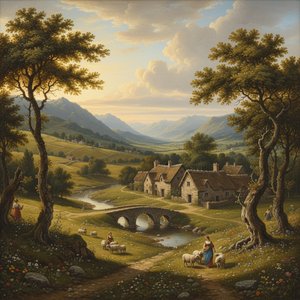
Evoking Arcadia: A Historical & Aesthetic Exploration of Rural Landscape Art
Explore the rich history of pastoral landscape art, from classical Arcadia to Impressionism & beyond. Discover key artists, movements, and how to collect serene rural scenes for your home. Expert insights at ArtsDot.