 Preview
 Send
Send Share
Share
 Details

 Download
 Similars
 X-Ray
X-Ray Diaporama
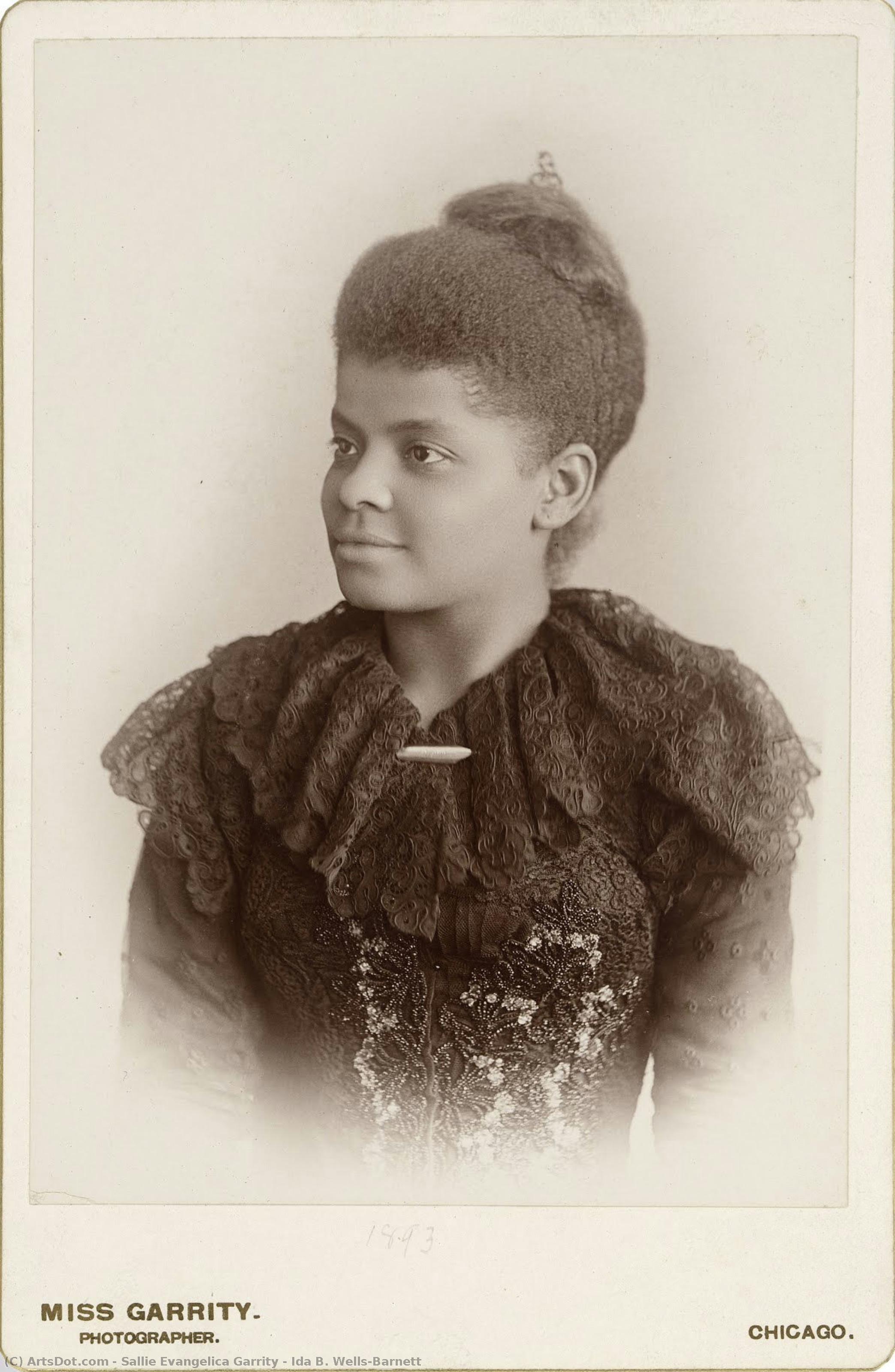
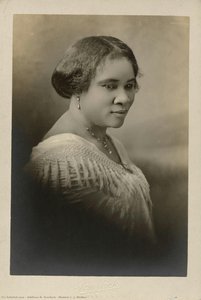
Ida B. Wells-Barnett
 Oil On Paper
 1893
1893- 19th Century
 9.0 x 13.0 cm
 National Portrait Gallery
 Read More
Hand Made Oil Reproduction
Hand-painted oil on canvas in your size and frame, made to order by our artists. ( Buy Print Buy Image)




P118B $10

P118H $10

P118W $10

P438Z $10

P508JH $12

P508YH $12

P805H $10

P805Z $10

P919BZ $10

P919G $10

P919XJ $10

P959ZH $10

P968JZ $12

W106C $8

W218G $10

W218JH $8

W218Y $10

W307PJ $10

W316G $10

W316PJ $8

W316Y $10

W398PJ $8

W4111J $10

W500HY $15

W500JH $15

W692G $12

W849H $8

W940BG $15

W953PJ $8




Pick from our preset sizes that match the artwork's original proportions.

You may enter your own dimensions to fit a specific frame or space. If your selected size does not match the original image's proportions, we will either crop the artwork or extend the painting with additional hand-painted elements. A digital mockup will be sent for your approval before production begins.
Please note that the on-screen preview does not reflect the actual cropping or extension. Only the mockup will accurately show the final composition.
While custom sizes are available, we recommend selecting a dimension from the predefined list to preserve the original proportions.
After order, ArtsDot.com team will email client for instructions and provide a mockup preview
Worldwide Delivery () in 3/4 weeks instead of standard 5 weeks. (22 August). No compromise on quality.

Free Worldwide Express Shipping

High-Quality Linen Canvas

Full Shipping Insurance

Customs Tax Refund Guarantee

True Color Matching Guarantee

60-Day Return Policy (Defects Only)

100% Money-Back Guarantee

Bulk Discount Offer
 Glass option is only available in size under 110 CM

Ida B. Wells-Barnett
Reproduction Medium
Reproduction Size
-


Total Price
$ 263
Artwork Description
A Portrait of Unyielding Spirit: Ida B. Wells-Barnett
To gaze upon this portrait of Ida B. Wells-Barnett is to encounter not merely a likeness captured in time, but the very embodiment of fierce intellectual courage. Painted by Sallie Evangelica Garrity and dating from 1893, this work transcends the boundaries of simple portraiture. It arrests the viewer with its solemn dignity, presenting a woman whose life story became inextricably linked with the struggle for civil rights and truth in America. The composition itself speaks volumes; the sitter is presented with a poised grace that belies the revolutionary spirit she harbored within. One senses the weight of history resting upon her shoulders, yet also the unwavering strength required to bear it.
Historical Resonance and Artistic Context
The year 1893 places this artwork at a fraught and pivotal moment in American history. Ida B. Wells-Barnett’s life was defined by confronting systemic injustice—from the indignity of segregated railcars to the brutal reality of lynching. This painting, therefore, functions as more than just a commemorative piece; it is a visual testament to burgeoning activism. Garrity, working within the established traditions of portraiture, managed to imbue the depiction with a modern resonance. The black and white quality, characteristic of early photography and portraiture from that era, lends an air of timeless gravitas, suggesting that the issues Wells fought—dignity, justice, and voice—are perennial human concerns.
Technique and Visual Allure
While the original medium is a painting capturing a photographic moment, the execution by Garrity showcases a masterful handling of form. The details in her attire, particularly the bow adorning her hair, suggest careful attention to presentation, perhaps for an important public appearance or sitting. The artist has rendered the texture of the fabric and the subtle contours of the face with palpable skill. For those considering a reproduction for their home or gallery, understanding this technical finesse is key; it allows one to appreciate how Garrity managed to capture both the ephemeral quality of a photograph and the permanence of painted artistry.
Symbolism of Steadfast Presence
The symbolism within this portrait is deeply rooted in resilience. Wells-Barnett’s gaze, if one can perceive it through the canvas, seems directed outward, past the viewer, toward an unseen horizon of justice. Her bearing suggests a mind constantly at work—a mind that would later produce groundbreaking investigative treatises like Southern Horrors. The portrait thus becomes a symbol of intellectual fortitude; it is the visual representation of speaking truth to power when the cost was immense. It invites contemplation on the enduring power of narrative and documented evidence.
A Piece for Contemplation
To own this piece is to curate more than just decoration; it is to acquire a conversation starter, a quiet monument to bravery. Whether placed in a study where deep thought occurs or a drawing-room meant for thoughtful gathering, the presence of this portrait anchors a space with profound meaning. It serves as an elegant reminder that art can be a powerful vehicle not only for beauty but also for bearing witness to history’s most challenging moments.
Related Artworks




Artist Biography
Gustav Klimt: A Rebel of Form and Emotion
Born in Vienna in 1862, Gustav Klimt emerged as a pivotal figure in the late 19th-century art world, a time of rapid change and burgeoning artistic experimentation. His life, tragically cut short at the age of 56 in 1918, was marked by both immense success and profound personal struggles – experiences that inextricably shaped his distinctive style and enduring legacy. Klimt’s work wasn't merely decorative; it was a bold assertion of individual expression, a rejection of academic constraints, and a deeply felt exploration of the human psyche.
Klimt’s early artistic training provided him with a solid foundation in classical techniques, studying architecture at the Vienna School of Arts and Crafts. However, he quickly recognized the limitations of this traditional approach, yearning for a means to convey his own unique vision. Initially, Klimt embraced a more conventional style, producing portraits and historical scenes that demonstrated technical skill but lacked a discernible personal voice. It was only after encountering the works of Japanese prints – particularly those by Hiroshige and Hokusai – that he began to develop the aesthetic principles that would define his mature work: rich color palettes, intricate patterns, and a fascination with symbolism.
The 1880s witnessed Klimt’s artistic evolution. He experimented with various styles, including Symbolism and Art Nouveau, but it was his involvement in the Secession movement – a group of artists who broke away from the conservative Vienna Academy of Fine Arts in 1897 – that truly unleashed his creative potential. The Secession aimed to establish an independent artistic space, rejecting academic norms and embracing innovation. Klimt became one of its leading figures, alongside artists like Egon Schiele and Richard Wagner. This movement provided him with a platform to develop his signature style: opulent gold backgrounds, stylized female figures adorned in elaborate costumes, and recurring motifs such as circles, spirals, and geometric patterns.
The Portraiture of Adele Bloch-Bauer
Perhaps Klimt’s most iconic work is *Portrait of Adele Bloch-Bauer* (1907), a monumental painting that exemplifies his artistic achievements. Commissioned by the wealthy textile merchant Adele Bloch-Bauer, the portrait transcends mere likeness; it becomes a complex exploration of female beauty, power, and mystery. Klimt employed a lavish use of gold leaf, creating a shimmering surface that reflects both the sitter’s wealth and her enigmatic aura. The stylized background, filled with intricate patterns and symbolic elements, further enhances the painting's visual richness and psychological depth.
The portrait is not simply a representation of Adele Bloch-Bauer; it’s an embodiment of Klimt’s artistic vision. He deliberately distorted her features, creating a mask-like quality that suggests both vulnerability and strength. The use of gold symbolizes wealth, divinity, and the eternal nature of beauty – themes central to Klimt's work. The painting has been studied extensively for its symbolism, with interpretations ranging from representations of fertility to reflections on the role of women in society.
Love, Loss, and Artistic Transformation
Klimt’s personal life was marked by tragedy and profound emotional upheaval. The deaths of his father and brother Ernst in 1891 deeply affected him, triggering a period of intense introspection and artistic transformation. These losses fueled a shift away from the more overtly decorative aspects of his earlier work towards a greater emphasis on psychological depth and symbolic representation. His relationship with Emilie Flöge, his sister-in-law, provided a source of solace and inspiration, influencing several of his later paintings.
The influence of these personal experiences is evident in works such as *Judith I* (1901), which depicts the biblical heroine Judith slaying Holofernes with a hauntingly beautiful and unsettling intensity. The painting’s stark contrasts, dramatic lighting, and symbolic imagery convey a sense of both triumph and despair – reflecting Klimt's own emotional state at the time.
Legacy and Influence
Despite his relatively short career, Gustav Klimt left an indelible mark on the art world. His innovative use of color, pattern, and symbolism paved the way for subsequent generations of artists, including the Expressionists and Surrealists. His work continues to captivate audiences with its sensual beauty, psychological complexity, and profound emotional resonance.
Klimt’s influence extends beyond painting; his distinctive style has been widely imitated in fashion, design, and popular culture. The shimmering gold backgrounds of his paintings have become synonymous with luxury and sophistication, while his stylized female figures continue to inspire artists and designers today. Gustav Klimt remains one of the most recognizable and beloved figures in art history – a testament to the enduring power of his artistic vision.

sallie evangelica garrity
1862 - 1907 , United States of America
Quick Facts
- Artistic Movement Or Style: Portraiture, landscapes
- Artists Or Movements Influenced By This Artist: ["Flagler's St. Augustine art"]
- Artists Who Influenced This Artist: ['Academic history painters']
- Date Of Birth: 1862
- Date Of Death: 1891
- Full Name: Robert S German
- Nationality: German
- Notable Artworks: ['At Binsey, near Oxford']
- Place Of Birth: Berlin, Germany
Related Articles

19th Century Masterpieces: 10 Paintings That Defined an Era | ArtsDot
Journey through 19th century art with ArtsDot! Explore 10 iconic paintings – from Monet & Renoir to Courbet – and discover the stories behind Romanticism, Realism & Impressionism. Find museum-quality reproductions for your home decor. Explore the full collection online!

Cultivating Serenity: An Exploration of Art's Role in Biophilic Design for Spa and Wellness Environments
Discover how biophilic design transforms spa & wellness spaces into havens of tranquility. Expert insights on natural materials, art, light & ROI for enhanced guest well-being. Learn more!

The Refined Aesthetic of Victorian Illustration: A Study in Narrative & Technique
Explore the captivating world of Victorian illustration! Discover Pre-Raphaelite influences, key artists like Rossetti & Stephens, and the era's rich narrative detail. A deep dive for art enthusiasts.
William Powell Frith: Narratives of Victorian Society & the Rise of Realist Painting
Explore the life & works of William Powell Frith, the 'greatest British painter of social scenes.' Discover his iconic Victorian genre paintings and learn about his lasting impact on realist art. Hand-painted reproductions available.

The Evocative Realm of Symbolism: Exploring Meaning & Mysticism in Late 19th-Century Art
Explore the captivating world of Symbolism art! Discover key artists, defining themes & its lasting influence on modern movements. A deep dive into late 19th-century masterpieces.