 Preview
 Send
Send Share
Share
 Details

 Download
 Similars
 X-Ray
X-Ray Diaporama
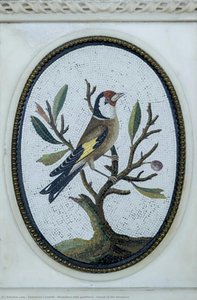
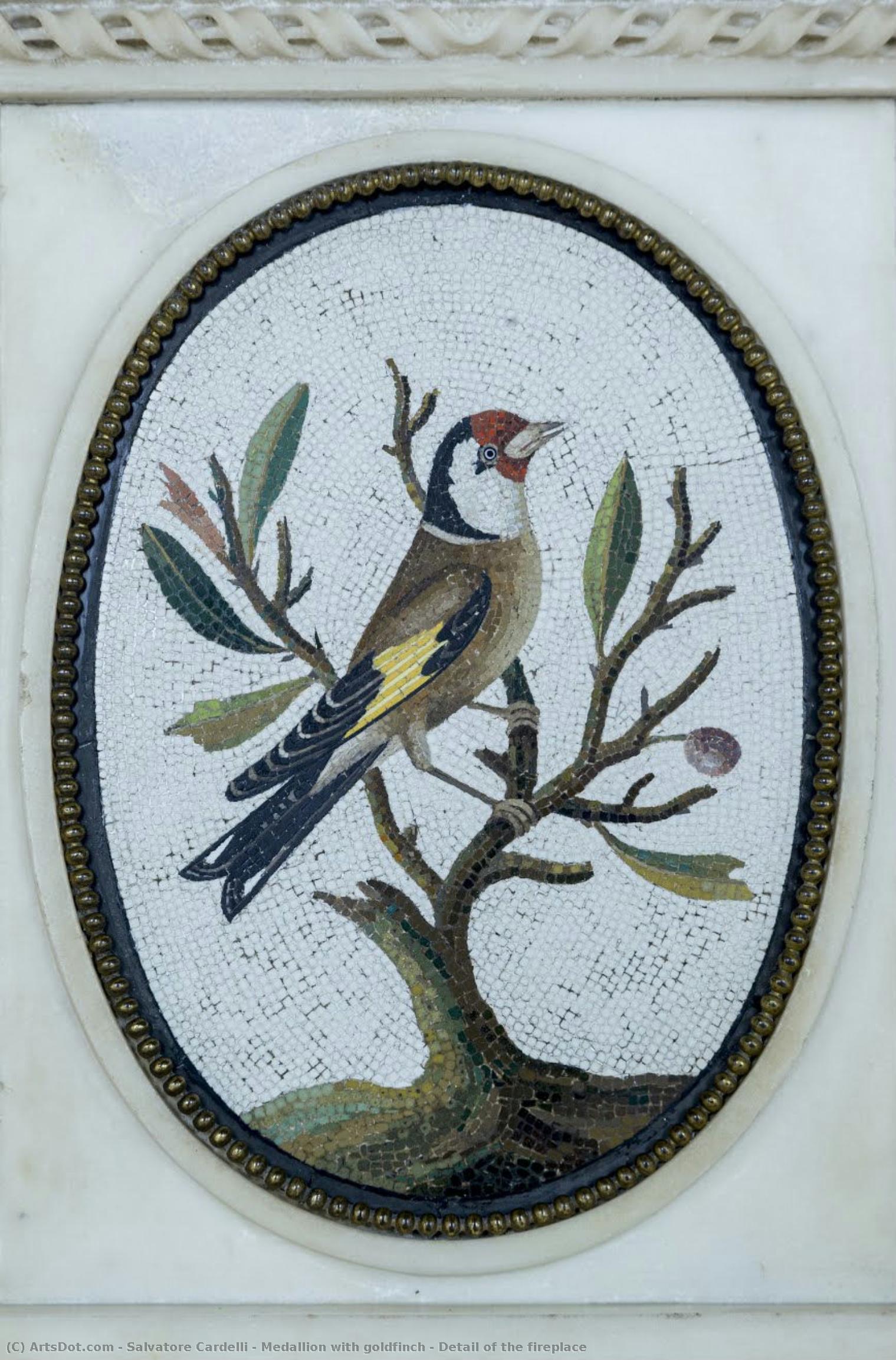
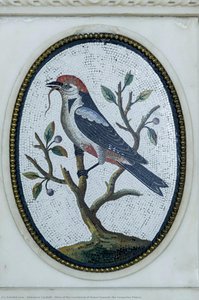
Medallion with goldfinch - Detail of the fireplace


 Read More
Hand Made Oil Reproduction
Hand-painted oil on canvas in your size and frame, made to order by our artists. ( Buy Print Buy Image)




































Pick from our preset sizes that match the artwork's original proportions.

You may enter your own dimensions to fit a specific frame or space. If your selected size does not match the original image's proportions, we will either crop the artwork or extend the painting with additional hand-painted elements. A digital mockup will be sent for your approval before production begins.
Please note that the on-screen preview does not reflect the actual cropping or extension. Only the mockup will accurately show the final composition.
While custom sizes are available, we recommend selecting a dimension from the predefined list to preserve the original proportions.
After order, ArtsDot.com team will email client for instructions and provide a mockup preview
Worldwide Delivery () in 3/4 weeks instead of standard 5 weeks. (16 August). No compromise on quality.

Free Worldwide Express Shipping

High-Quality Linen Canvas

Full Shipping Insurance

Customs Tax Refund Guarantee

True Color Matching Guarantee

60-Day Return Policy (Defects Only)

100% Money-Back Guarantee

Bulk Discount Offer
 Glass option is only available in size under 110 CM

Medallion with goldfinch - Detail of the fireplace
Reproduction Medium
Reproduction Size
-


Total Price
$ 263
Related Artworks

Artist Biography
Salvatore Cardelli: Bridging Enlightenment and Romanticism in Marble
Born in Rome in 1760, Salvatore Cardelli’s life and career unfolded against the backdrop of a pivotal transition in European art – the waning influence of the Enlightenment giving way to the burgeoning spirit of Romanticism. Initially trained in the classical traditions of Roman sculpture, Cardelli ultimately carved out a unique space for himself, becoming a significant figure in 18th and early 19th-century Italian art, particularly renowned for his contributions to architecture and decorative arts. His work stands as a fascinating bridge between these two influential artistic movements, characterized by a remarkable naturalism tempered with an increasingly expressive sensibility.
Cardelli’s early life remains somewhat shrouded in mystery, though it is known he received his initial training in Rome. This foundational period exposed him to the established principles of Neoclassicism – the revival of classical forms and ideals championed by artists like Antonio Canova. However, a pivotal move to Saint-Petersbourg in 1796 marked a dramatic shift in his artistic trajectory. He found employment within the Russian Imperial court, a position that profoundly shaped his style and subject matter. The patronage of Catherine the Great provided Cardelli with unprecedented opportunities, allowing him to experiment with scale, material, and narrative complexity. His time in Russia wasn't merely a period of service; it was a crucible where he absorbed influences from both Western European artistic trends and the distinctly Russian aesthetic sensibility.
The Fireplace at Alexander VII’s Gallery: A Masterpiece of Marble
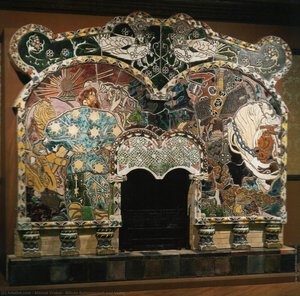
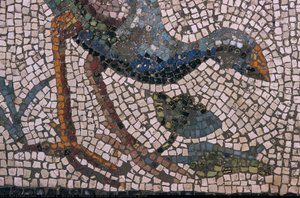
Cardelli’s most celebrated achievement undoubtedly lies in his work on the fireplace within the Alexander VII Gallery of the Quirinal Palace in Rome. Completed in 1812, this monumental marble panel – often referred to as “Medallion with Goldfinch” – is a testament to his technical skill and artistic vision. The piece depicts a pastoral scene featuring a goldfinch amidst lush foliage, rendered with astonishing detail and realism. The intricate tesserae (small pieces of colored stone) create a shimmering surface that captures the light beautifully, transforming the fireplace into a miniature work of art. This project exemplifies Cardelli’s ability to seamlessly blend classical techniques with a heightened sense of naturalism – a hallmark of his style.
The “Medallion with Goldfinch” is not merely a decorative element; it's considered by many scholars to be a watershed moment in Italian art. It demonstrates a shift away from the purely formal concerns of Neoclassicism and towards a more emotionally resonant depiction of nature, anticipating the Romantic ideals that would soon dominate European artistic circles. The delicate rendering of the bird, the vibrant colors, and the overall sense of tranquility reflect a growing interest in capturing subjective experience and evoking emotional responses in the viewer.
Beyond Rome: Sculpture and Architectural Commissions
While the Alexander VII fireplace cemented Cardelli’s reputation, his artistic output extended far beyond this single masterpiece. He undertook numerous commissions for both public and private clients, showcasing his versatility as a sculptor and designer. His “View of the Courtyard of Honor towards the Gregorian Palace,” housed at the Quirinal Palace in Rome, provides another compelling example of his talent for capturing architectural spaces with remarkable precision and detail. The work demonstrates an acute understanding of perspective, light, and shadow, creating a convincing illusion of depth and space.
Furthermore, Cardelli’s “Gladiator Borghèse,” now residing in the Louvre Museum in Paris, reveals a shift towards greater dramaticism and narrative complexity. This sculpture, depicting a Roman gladiator, showcases his ability to imbue stone with movement and emotion – a characteristic that distinguishes his later work from his earlier Neoclassical pieces. The dynamic pose of the figure, combined with the realistic depiction of musculature and expression, suggests a growing influence of Romantic ideals.
Legacy and Historical Significance
Salvatore Cardelli’s legacy is one of innovation and transition. He was not simply a follower of established artistic conventions; he actively shaped them, pushing the boundaries of Neoclassicism while simultaneously embracing elements of Romanticism. His work served as a crucial link between these two influential movements, demonstrating their interconnectedness and mutual influence. His impact on Russian architecture is particularly noteworthy, where his designs contributed to the development of a distinctly Russian style that blended Western European influences with local traditions.
Cardelli’s works are now exhibited in prestigious museums across Europe and beyond, including the National Museum of Fine Arts in Valletta, Malta, and the National War Museum in Malta. His sculptures and decorative panels continue to captivate viewers with their beauty, technical skill, and emotional resonance, solidifying his place as a significant figure in Italian art history.
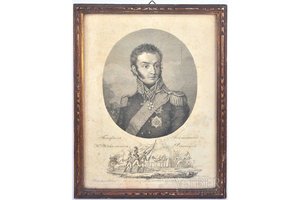
salvatore cardelli
1760 - 1819 , Italy
Quick Facts
- Artistic Movement Or Style: Neoclassical & Romanticism
- Artists Or Movements Influenced By This Artist: ['Russian Architecture']
- Artists Who Influenced This Artist: ['']
- Date Of Birth: 1760
- Date Of Death: 1819
- Full Name: Salvatore Cardelli
- Nationality: Italian
- Notable Artworks:
- Gregorian Palace view
- Gladiator Borghèse
- Place Of Birth: Rome, Italy
Related Articles
Neoclassical Art: 10 Masterpieces That Shaped History |
Explore 10 defining Neoclassical masterpieces by David, Ingres & Canova. Discover the history, symbolism & artistry behind these iconic paintings and sculptures. Find museum-quality art reproductions at – elevate your home with timeless beauty.
Mario Sironi: A Poetic of Modern Italian Identity Through Symbolism & Social Commentary
Explore the profound works of Mario Sironi, a key figure in Italian Modernism. Discover his evolution from Futurism to Metaphysical painting and his powerful social commentary. Learn about his legacy at ArtsDot.
Giovanni Fattori: Realism, Identity & the Tuscan Landscape – A Macchiaioli Master
Explore the life & art of Giovanni Fattori, a leading figure of the Macchiaioli movement. Discover his revolutionary realism, captivating Tuscan landscapes, and lasting impact on Italian painting. Learn more at ArtsDot.
Carlo Carrà: Futurist Visions & Metaphysical Transformations in Early 20th-Century Italian Painting
Explore the artistic journey of Carlo Carrà, a pivotal figure in Italian Futurism & Metaphysical painting. Discover his dynamic compositions, collaborations with de Chirico, and lasting influence on modern art history.
Civic Virtue and Artistic Rivalry: Patronage and Innovation in the Italian Renaissance Republics, 1400–1600
Explore the Italian Renaissance! Discover how competitive patronage & humanist ideals fueled artistic innovation in republics like Florence & Venice. Expert insights for art lovers and collectors.