 Preview
 Send
Send Share
Share
 Details

 Download
 Similars
 X-Ray
X-Ray Diaporama
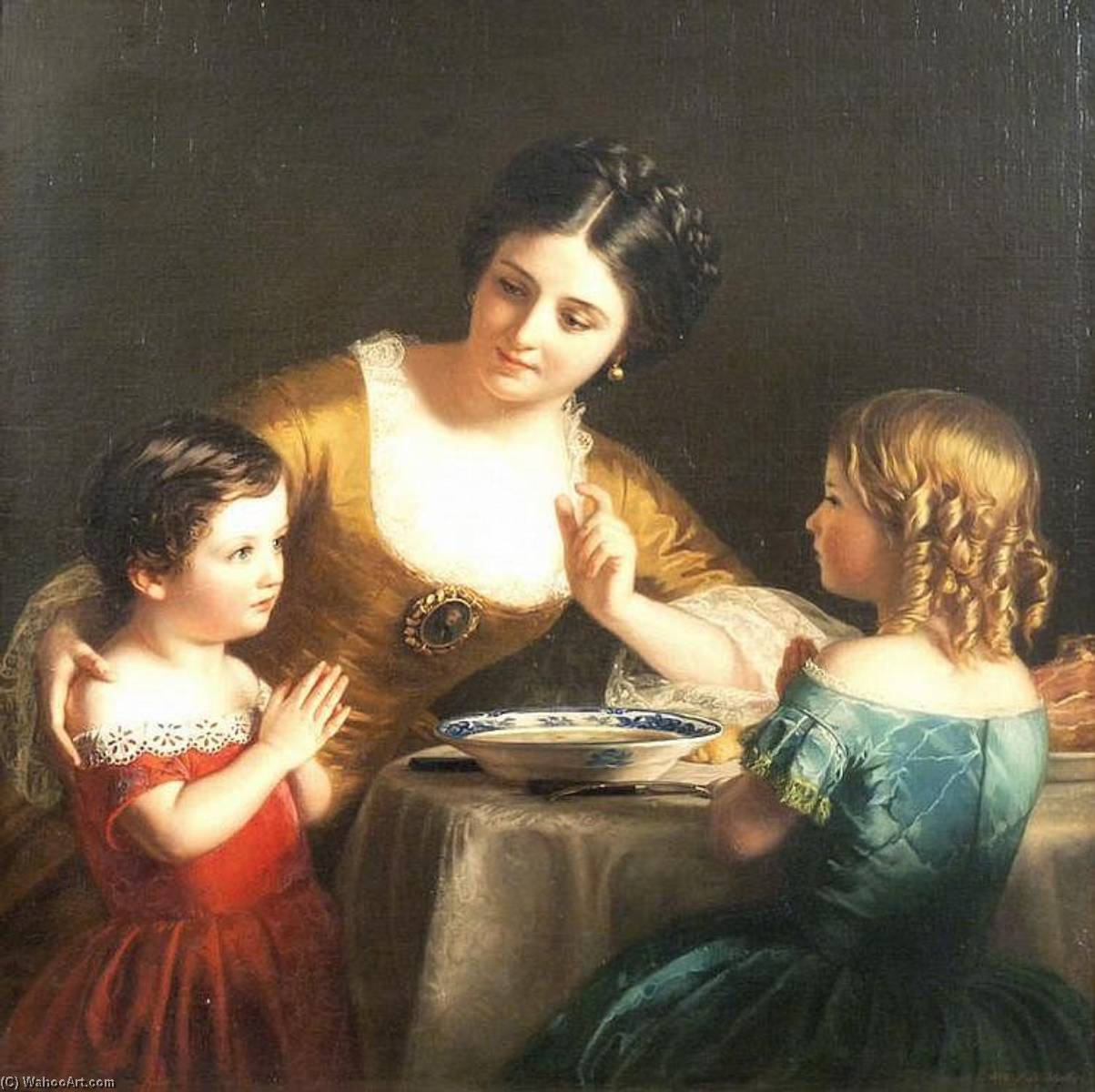
Grace Before Meal


 Read More
Hand Made Oil Reproduction
Hand-painted oil on canvas in your size and frame, made to order by our artists. ( Buy Print Buy Image)




































Pick from our preset sizes that match the artwork's original proportions.

You may enter your own dimensions to fit a specific frame or space. If your selected size does not match the original image's proportions, we will either crop the artwork or extend the painting with additional hand-painted elements. A digital mockup will be sent for your approval before production begins.
Please note that the on-screen preview does not reflect the actual cropping or extension. Only the mockup will accurately show the final composition.
While custom sizes are available, we recommend selecting a dimension from the predefined list to preserve the original proportions.
After order, ArtsDot.com team will email client for instructions and provide a mockup preview
Worldwide Delivery () in 3/4 weeks instead of standard 5 weeks. (17 August). No compromise on quality.

Free Worldwide Express Shipping

High-Quality Linen Canvas

Full Shipping Insurance

Customs Tax Refund Guarantee

True Color Matching Guarantee

60-Day Return Policy (Defects Only)

100% Money-Back Guarantee

Bulk Discount Offer
 Glass option is only available in size under 110 CM

Grace Before Meal
Reproduction Medium
Reproduction Size
-


Total Price
$ 263
Related Artworks
Artist Biography
A Life Immersed in Narrative: The World of Samuel Baruch Halle
Samuel Baruch Halle, a name resonating with quiet power within the circles of 17th and 18th-century British art, remains an artist whose life details are often overshadowed by the compelling stories woven into his canvases. While biographical specifics remain elusive – a common fate for artists operating outside the immediate orbit of courtly patronage – Halle’s work speaks volumes about his sensibilities, his technical prowess, and his deep engagement with the moral and domestic concerns of his time. He was not an artist who sought grand fame or prolific output; rather, he cultivated a focused practice centered on biblical scenes and intimate portrayals of everyday life, primarily within the Lancashire region of England. His paintings offer a fascinating window into the lives and values of a burgeoning merchant class and the enduring power of religious narrative in shaping personal identity.The Painterly Language of Piety and Domesticity
Halle’s artistic style is characterized by a remarkable blend of realism and emotional depth. He wasn't driven by flamboyant Baroque flourishes or the airy grace of Rococo; instead, his paintings possess a grounded quality, a sense of tangible presence that draws viewers into the scenes he depicts. His figures are rendered with careful attention to detail – the texture of fabrics, the play of light on skin, the subtle expressions conveying inner thoughts and feelings. This meticulous approach is particularly evident in his biblical works, where Halle eschews dramatic spectacle in favor of quiet contemplation. Scenes like those depicting moments from the lives of Old Testament figures are imbued with a sense of solemnity and moral weight. However, it’s perhaps in his depictions of domestic life that Halle truly shines. These paintings aren't merely portraits; they are narratives frozen in time, offering glimpses into the routines, relationships, and aspirations of families. He captures the warmth of hearth and home, the quiet dignity of labor, and the subtle complexities of human interaction. The interiors he creates are richly detailed, filled with objects that speak to the material comforts and social standing of his sitters – a testament to the growing prosperity of the English middle class. His palette is typically warm and earthy, dominated by browns, ochres, and reds, creating an atmosphere of intimacy and realism.Influences and Artistic Development
Pinpointing Halle’s direct artistic influences proves challenging given the limited documentation surrounding his career. However, scholars suggest a connection to the Dutch Golden Age painters, particularly those specializing in genre scenes and biblical subjects. The influence of artists like Johannes Vermeer and Pieter de Hooch is discernible in Halle's meticulous attention to detail, his use of light and shadow, and his ability to imbue everyday scenes with a sense of psychological depth. Furthermore, the artistic climate of Lancashire itself likely played a significant role in shaping Halle’s development. The region was home to a thriving community of artists and craftsmen, many of whom were influenced by continental European styles. It is plausible that Halle received training from local masters or through exposure to imported paintings and engravings. His work also reflects an awareness of contemporary British portraiture, although he consistently diverged from the more formal and aristocratic conventions prevalent in London circles. He seems to have deliberately chosen a path focused on representing the lives of ordinary people, rather than catering to the tastes of the elite.Major Achievements and Lasting Legacy
While Halle may not have achieved widespread recognition during his lifetime, his paintings are now highly valued for their historical significance and artistic merit. His most notable achievement lies in his ability to capture the spirit of a particular time and place – 18th-century Lancashire – with remarkable sensitivity and detail. The collection housed at Hall i’ Th' Wood Museum provides an unparalleled insight into his oeuvre, showcasing a range of biblical scenes and domestic portraits that offer a compelling portrait of English society during this period. Samuel Crompton, the inventor of the spinning mule, was one of Halle’s patrons, commissioning several works that depict his family and home life. These paintings are particularly significant as they provide valuable documentation of Crompton's personal life and social environment. Beyond these commissions, Halle’s work stands as a testament to the power of art to preserve memory, celebrate everyday life, and explore enduring themes of faith, family, and community. His legacy is one of quiet artistry, offering a poignant glimpse into a world often overlooked by grand historical narratives. His paintings continue to resonate with viewers today, inviting us to contemplate the lives and values of those who came before us.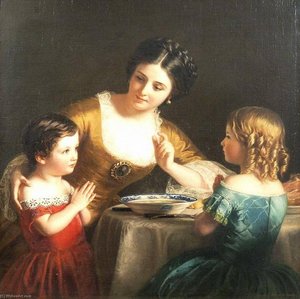
Related Articles

The Enduring Legacy of Oil on Canvas: Technique, History & Aesthetic Impact
Explore the rich history & techniques of oil painting – from Renaissance masters to Impressionism. Discover pigments, layering methods, and why this timeless medium endures. Expert insights for artists & art enthusiasts.

Oil on Canvas: A Historical & Technical Exploration of a Timeless Artistic Medium
Explore the rich history & enduring techniques of oil painting on canvas. Discover the science behind its longevity, conservation practices, and contemporary relevance. Expert insights for art enthusiasts.

The Enduring Legacy of Family Portraiture: A Historical & Artistic Exploration
Explore the rich history of family portraiture with ArtsDot. Discover artistic styles, symbolism & collecting insights. Commission a custom oil painting or appraise your existing artwork today!

Evolving Portraits: Personalized Art as a Chronicle of Family Life Across Generations
Create a timeless family legacy with custom portraits! ArtsDot connects you with skilled artists for heirloom-quality paintings & prints. Explore styles, commission your unique artwork today.

19th Century Masterpieces: 10 Paintings That Defined an Era | ArtsDot
Journey through 19th century art with ArtsDot! Explore 10 iconic paintings – from Monet & Renoir to Courbet – and discover the stories behind Romanticism, Realism & Impressionism. Find museum-quality reproductions for your home decor. Explore the full collection online!