 Preview
 Send
Send Share
Share
 Details

 Download
 Similars
 X-Ray
X-Ray Diaporama
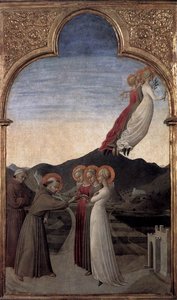
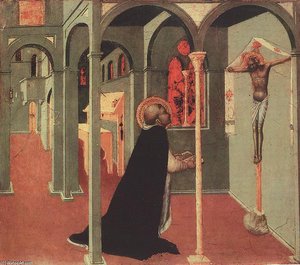
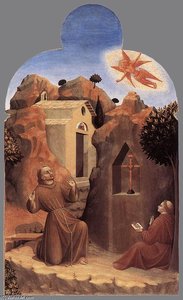
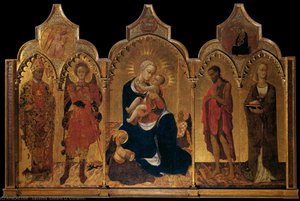
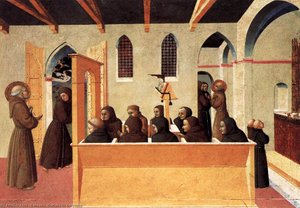
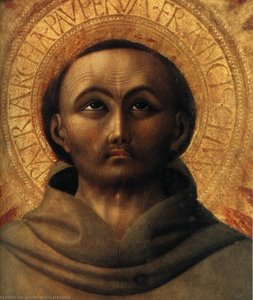
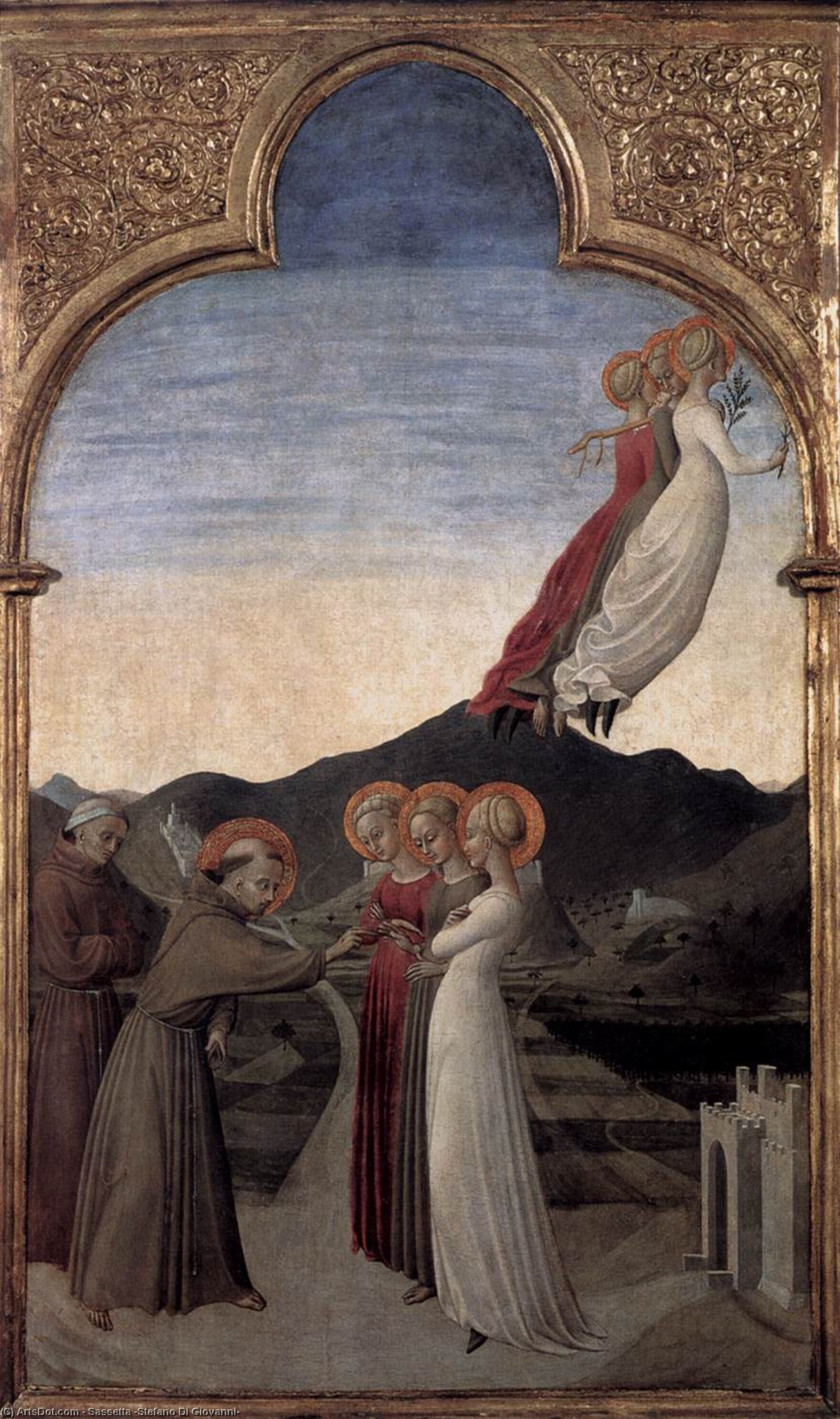
Marriage of St Francis to Lady Poverty
 Acrylic On Canvas
- WallArt
- Early Renaissance
 1437
1437 88.0 x 52.0 cm
 Condé Museum
 Read More
Giclée / Art Print
Museum-quality giclée or canvas print with fast production and flexible finish options. ( Buy Hand Made Painting Buy Image)




P118B $10

P118H $10

P118W $10

P438Z $10

P508JH $12

P508YH $12

P805H $10

P805Z $10

P919BZ $10

P919G $10

P919XJ $10

P959ZH $10

P968JZ $12

W106C $8

W218G $10

W218JH $8

W218Y $10

W307PJ $10

W316G $10

W316PJ $8

W316Y $10

W398PJ $8

W4111J $10

W500HY $15

W500JH $15

W692G $12

W849H $8

W940BG $15

W953PJ $8




Pick from our preset sizes that match the artwork's original proportions.

You may enter your own dimensions to fit a specific frame or space. If your selected size does not match the original image's proportions, we will either crop the artwork or extend the image with a mirrored or solid-fill edge. A digital mockup will be sent for your approval before production begins.
Please note that the on-screen preview does not reflect the actual cropping or extension. Only the mockup will accurately show the final composition.
While custom sizes are available, we recommend selecting a dimension from the predefined list to preserve the original proportions.
Worldwide Delivery () in 2 weeks instead of standard 4/5 weeks. (2 September)

Free Worldwide Express Shipping

High-Quality Linen Canvas

Full Shipping Insurance

Customs Tax Refund Guarantee

True Color Matching Guarantee

60-Day Return Policy (Defects Only)

100% Money-Back Guarantee

Bulk Discount Offer
 Glass option is only available in size under 110 CM

Marriage of St Francis to Lady Poverty
Giclée / Art Print
Reproduction Size
-


Total Price
$ 63
A Moment Frozen in Time: Sassetta’s Marriage of Saint Francis and Lady Poverty
Stefano di Giovanni, known universally as Sassetta, stands as a pivotal figure in the burgeoning artistic landscape of Siena during the Quattrocento – a period marked by an unprecedented confluence of innovation and patronage. His masterpiece, “Marriage of St Francis to Lady Poverty,” painted circa 1437-1444, transcends mere depiction; it embodies the spirit of its era and continues to resonate with viewers today as a testament to humanist ideals intertwined with profound religious symbolism.
- Subject Matter: The painting captures a pivotal biblical narrative – the symbolic union between Saint Francis of Assisi and Lady Poverty, representing humility and spiritual devotion. This scene wasn’t simply about marriage; it was a visual proclamation of faith’s triumph over earthly desires.
- Style & Technique: Sassetta deftly blends Gothic elegance with Florentine realism, demonstrating an astute awareness of artistic developments spearheaded by masters like Masaccio. His meticulous attention to detail—evident in the drapery folds and expressive faces—is characteristic of the International Gothic style, yet infused with a newfound naturalism that foreshadows the Renaissance’s embrace of observation and anatomical accuracy.
- Historical Context: Commissioned for the church of San Francesco at Borgo San Sepolcro monastery, “Marriage of St Francis to Lady Poverty” reflects the fervent piety of Siena during this transformative period. The altarpiece was conceived as a powerful visual aid for conveying theological concepts—the reconciliation between asceticism and compassion—and served as an emblem of Franciscan spirituality.
The Polyptych’s Significance: Beyond Individual Panels
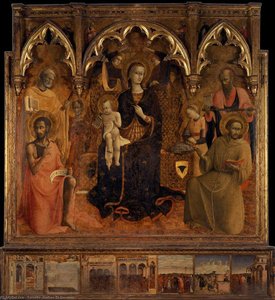
It's crucial to understand that Sassetta’s “Marriage of St Francis” wasn’t conceived as a standalone artwork but rather as part of a monumental polyptych – a complex devotional tableau consisting of sixty panels. This ambitious undertaking underscored the importance of visual storytelling within religious art and cemented Sassetta’s reputation as one of Siena's foremost artists.
The panel itself is particularly noteworthy for its depiction of Lady Poverty, portrayed with serene dignity and grace—a deliberate contrast to the worldly concerns of Saint Francis. The artist skillfully employs perspective to create a sense of depth and atmosphere, drawing inspiration from Florentine innovations while maintaining the stylistic conventions of Gothic art.
Symbolism: Virtues Embodied
The painting’s symbolism is rich with theological references. Chastity and Obedience flank Saint Francis as he approaches Lady Poverty, representing virtues essential to Christian faith. The three birds—one soaring above Lady Poverty, two perched atop the frame—are interpreted as symbols of divine providence and spiritual aspiration. Sassetta's masterful use of color contributes to the overall emotional impact, conveying a sense of solemn beauty and contemplative reverence.
A Legacy Enduring Through Reproduction
Today, high-quality reproductions of “Marriage of St Francis to Lady Poverty” allow admirers worldwide to experience the artistry and spiritual depth of Sassetta’s vision. Whether adorning a home interior or serving as inspiration for artistic endeavors, this iconic image continues to captivate audiences with its timeless elegance and profound message—a testament to Sassetta's enduring contribution to the history of art.
Related Artworks
Artist Biography
Lorenzo Ghiberti: The Sculptor of Florentine Light
Born in Pelago, near Florence, in 1378, Lorenzo di Cione Ghiberti’s life was a testament to the burgeoning artistic spirit of Renaissance Italy. His early training as a goldsmith under his father, Bartoluccio, laid the foundation for a career that would ultimately redefine the possibilities of sculpture and profoundly influence generations of artists. More than simply a craftsman, Ghiberti possessed an innate understanding of human form, light, and space—qualities he meticulously honed through relentless experimentation and a deep engagement with classical ideals.
Ghiberti’s early years were marked by both opportunity and challenge. Florence in the late 14th and early 15th centuries was a crucible of artistic innovation, fueled by the patronage of wealthy families like the Medici and the ambition of guilds seeking to enhance their prestige. Ghiberti's apprenticeship within the Silk and Gold Guild provided him with invaluable experience, but it also exposed him to the competitive pressures of the Florentine art market. His relocation to Rimini in 1400, prompted by a devastating plague, offered a crucial period of artistic development, allowing him to study under the renowned sculptor Andrea del Verrocchio—a master whose workshop served as a breeding ground for some of Florence’s most celebrated artists.
The Gates of Paradise: A Revolutionary Vision
Ghiberti's rise to prominence began with his triumph in the 1401 competition to design the north doors of the Baptistery of Florence. Against formidable rivals like Filippo Brunelleschi and Jacopo della Quercia, Ghiberti’s innovative approach—characterized by a masterful manipulation of perspective and an unprecedented naturalism—secured him the coveted commission. These doors, collectively known as the “Gates of Paradise,” represent a watershed moment in Renaissance sculpture. Unlike the predominantly Gothic style prevalent at the time, Ghiberti embraced a more open, airy aesthetic, drawing inspiration from classical models and employing techniques that created a remarkable illusion of depth and volume.
The sheer scale and complexity of the project demanded years of dedicated labor. Ghiberti’s meticulous attention to detail—from the delicate folds of drapery to the subtle expressions on the faces of his figures—is breathtaking. Each panel within the doors depicts scenes from the Old Testament, rendered with a vibrant palette and an almost photographic realism. The use of *chiaroscuro* – the interplay of light and shadow – further enhances the sense of three-dimensionality, imbuing the sculptures with a palpable sense of life.
Beyond the Baptistery: Expanding Horizons
Following his success with the Gates of Paradise, Ghiberti continued to receive prestigious commissions that showcased his versatility and artistic ambition. In 1412, he was entrusted with creating a monumental bronze statue of John the Baptist for the Orsanmichele, a civic monument in Florence. This ambitious undertaking required not only sculptural skill but also architectural expertise, as Ghiberti designed the surrounding niches and oversaw the construction of the entire structure. The statue itself—a powerful depiction of the prophet’s solemnity and spiritual intensity—became an instant icon.
Throughout his career, Ghiberti remained a prolific innovator, constantly pushing the boundaries of sculptural technique. He explored new methods of modeling, casting, and finishing bronze, refining his skills with each project. His work extended beyond monumental sculptures to include stained-glass windows for the Florence Cathedral and intricate relief panels adorning guildhalls and private residences. His influence can be seen in the works of numerous artists who followed him, including Donatello and Masaccio.
Legacy and Influence
Lorenzo Ghiberti’s legacy extends far beyond his individual masterpieces. He fundamentally altered the course of Renaissance sculpture by introducing a new emphasis on naturalism, perspective, and emotional expression. His pioneering use of *chiaroscuro* and his masterful manipulation of space created an unprecedented sense of realism that captivated audiences and inspired generations of artists. Ghiberti’s work stands as a testament to the transformative power of artistic innovation and the enduring beauty of Florentine art.
Ghiberti died in Florence in 1455, leaving behind a body of work that continues to inspire awe and admiration. His sculptures are housed in museums around the world, serving as reminders of his genius and his pivotal role in shaping the artistic landscape of the Renaissance.
sassetta (stefano di giovanni)
1392 - 1450 , Italy
Quick Facts
- Artistic Movement Or Style: Early Renaissance
- Artists Or Movements Influenced By This Artist: ['Leon Battista Alberti']
- Artists Who Influenced This Artist: ['Alhazen']
- Date Of Birth: 1378
- Date Of Death: 1455
- Full Name: Lorenzo di Cione Ghiberti
- Nationality: Italian
- Notable Artworks:
- Gates of Paradise
- Baptistery Doors
- Place Of Birth: Pelago, Italy
Related Articles
Francis Bacon's Masterpieces: Exploring 25 Iconic Paintings | ArtsDot
Delve into the haunting world of Francis Bacon with ArtsDot. Explore 25 iconic paintings, from his visceral portraits to powerful triptychs. Discover the stories behind these masterpieces & find museum-quality art reproductions for your home. Explore the full collection online!
The Hague School: Realism, Atmosphere & the Dawn of Dutch Impressionism
Explore the Hague School's pivotal role in Dutch art history. Discover realism, atmospheric landscapes & its influence on Impressionism. Learn about key artists like Mauve & Maris with ArtsDot.
Francis Cotes: Elegance, Portraiture & the Rise of a Georgian Aesthetic
Explore the elegant world of Francis Cotes, pioneer of English pastel painting & celebrated Georgian portraitist. Discover his captivating portraits, artistic techniques, and lasting influence on 18th-century art.

Hudson River School: 10 Masterpieces That Capture America's Wild Beauty | ArtsDot
Journey through America's breathtaking landscapes with our guide to the Top 10 Hudson River School masterpieces. Explore Thomas Cole, Frederic Church & more! Find museum-quality art reproductions and elevate your home decor at ArtsDot.com.

John Francis Sartorius II: Equestrian Elegance & the Rise of British Portraiture
Explore the captivating world of Francis Sartorius II (1734-1804), a leading British painter renowned for his exquisite equestrian portraits and hunting scenes. Discover his life, techniques & enduring legacy.