 Preview
 Send
Send Share
Share
 Details

 Download
 Similars
 X-Ray
X-Ray Diaporama
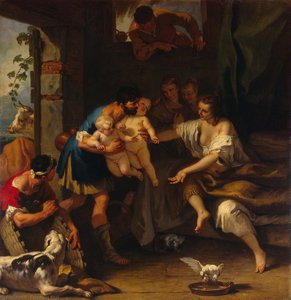
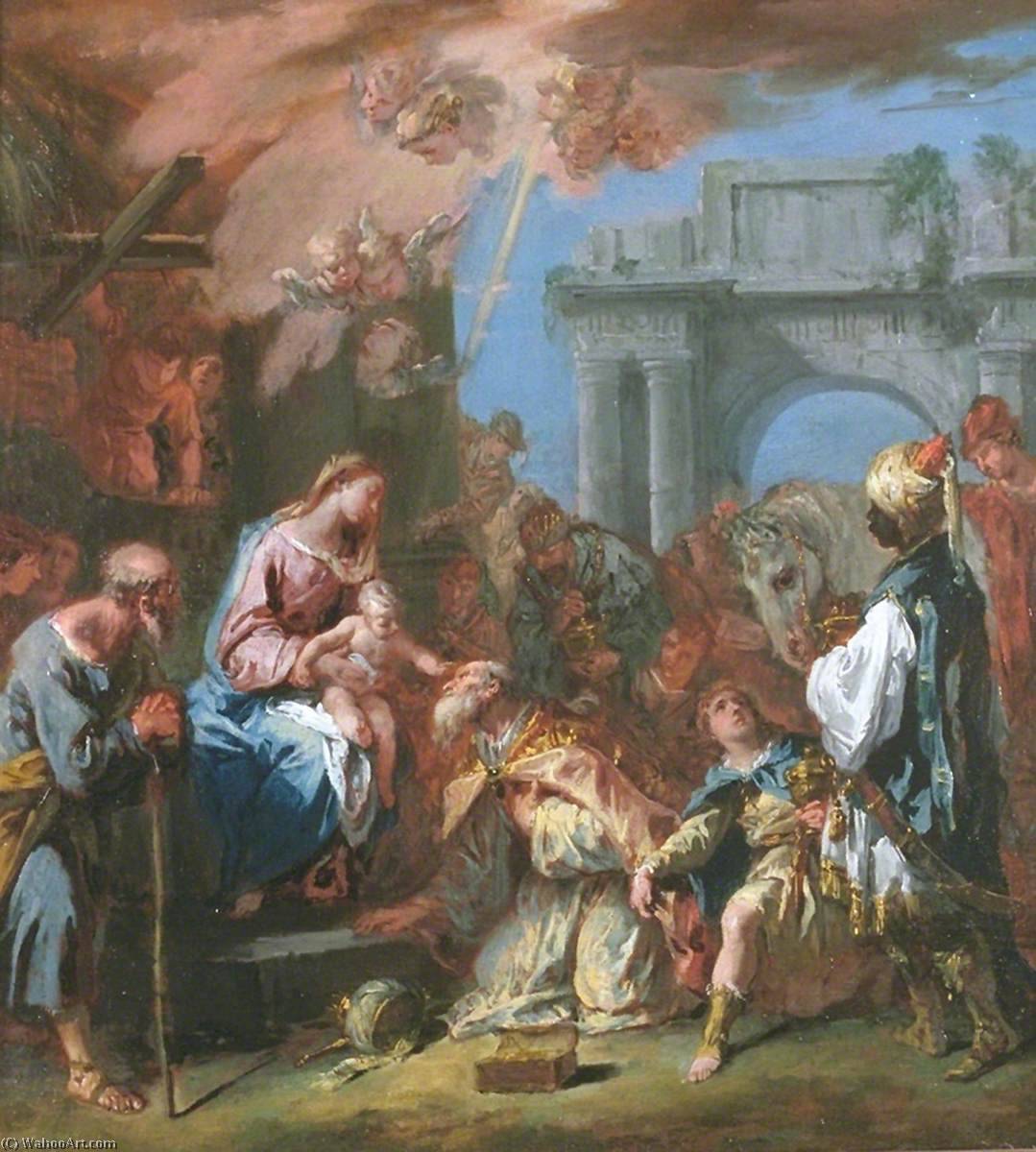
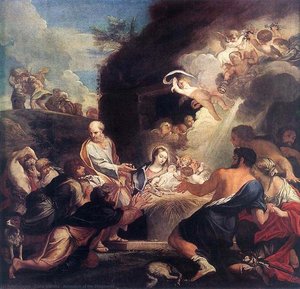
Adoration of the Magi
 Acrylic On Canvas
- WallArt
- Baroque Illusionism
 1726
1726 51.0 x 48.0 cm
 Courtauld Gallery
 Read More
Hand Made Oil Reproduction
Hand-painted oil on canvas in your size and frame, made to order by our artists. ( Buy Print Buy Image)




P118B $10

P118H $10

P118W $10

P438Z $10

P508JH $12

P508YH $12

P805H $10

P805Z $10

P919BZ $10

P919G $10

P919XJ $10

P959ZH $10

P968JZ $12

W106C $8

W218G $10

W218JH $8

W218Y $10

W307PJ $10

W316G $10

W316PJ $8

W316Y $10

W398PJ $8

W4111J $10

W500HY $15

W500JH $15

W692G $12

W849H $8

W940BG $15

W953PJ $8




Pick from our preset sizes that match the artwork's original proportions.

You may enter your own dimensions to fit a specific frame or space. If your selected size does not match the original image's proportions, we will either crop the artwork or extend the painting with additional hand-painted elements. A digital mockup will be sent for your approval before production begins.
Please note that the on-screen preview does not reflect the actual cropping or extension. Only the mockup will accurately show the final composition.
While custom sizes are available, we recommend selecting a dimension from the predefined list to preserve the original proportions.
After order, ArtsDot.com team will email client for instructions and provide a mockup preview
Worldwide Delivery () in 3/4 weeks instead of standard 5 weeks. (23 August). No compromise on quality.

Free Worldwide Express Shipping

High-Quality Linen Canvas

Full Shipping Insurance

Customs Tax Refund Guarantee

True Color Matching Guarantee

60-Day Return Policy (Defects Only)

100% Money-Back Guarantee

Bulk Discount Offer
 Glass option is only available in size under 110 CM

Adoration of the Magi
Reproduction Medium
Reproduction Size
-


Total Price
$ 263
Artwork Description
Sebastiano Ricci’s ‘Adoration of the Magi’: A Symphony of Light and Faith
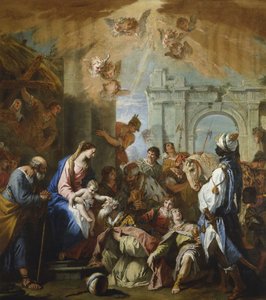
The painting “Adoration of the Magi,” executed in 1726 by Sebastiano Ricci, stands as a cornerstone of Venetian Baroque art—a testament to the opulent grandeur and spiritual fervor that characterized the era. More than just a depiction of biblical narrative, it’s an immersive experience crafted with meticulous detail and infused with profound symbolism, offering viewers a glimpse into the artistic sensibilities of its time. Ricci's masterful handling of light and color elevates this scene beyond mere representation, transforming it into a luminous meditation on piety and divine majesty.A Masterful Blend of Style and Technique
Ricci’s signature style—often termed “grand manner”—is immediately recognizable through its monumental scale and dramatic composition. Unlike the Rococo movement's playful asymmetry, Ricci favored a deliberate balance achieved through careful architectural framing and precise anatomical rendering. The artist employed oil paint on canvas, utilizing glazing techniques to build up layers of color that create an illusionistic depth—a hallmark of Baroque painting aimed at captivating the senses and transporting the viewer into the depicted space. Observe how Ricci skillfully employs chiaroscuro – the interplay between light and shadow – to sculpt the figures and heighten the emotional intensity of the scene. This technique is particularly evident in the radiant glow emanating from Jesus’s face, symbolizing divine grace and illuminating the reverence of the Magi.Historical Context: Venice at Its Zenith
Venice during Ricci's lifetime was a dominant maritime republic and a cultural powerhouse—a beacon of artistic innovation fueled by papal patronage and burgeoning mercantile wealth. The Baroque period witnessed an explosion of creativity across various disciplines, from architecture to sculpture to painting, reflecting the Counter-Reformation’s desire for grandeur and emotional engagement. Ricci’s commission for “The Adoration of the Magi” underscores this cultural climate, demonstrating the importance placed on religious iconography as a means of conveying spiritual truths and reinforcing papal authority. The painting reflects the Venetian preoccupation with portraying biblical narratives in an emotionally resonant manner—a deliberate contrast to earlier Renaissance approaches that prioritized intellectual contemplation.Symbolism: Reverence and Divine Revelation
The scene itself is laden with symbolic significance. The Magi – Melchior, Caspar, and Balthazar – represent the Wise Men from Persia, East Anglia, and Arabia who traveled to Bethlehem to venerate Jesus’s birth—a pivotal event in Christian theology. Their kneeling posture signifies humility and submission before God's divine majesty. Mary, depicted with serene dignity, embodies maternal piety and spiritual purity. The infant Jesus is presented as radiant light—symbolizing Christ’s divinity and offering salvation to humanity. Ricci’s careful positioning of the figures within the architectural setting reinforces these themes, creating a visual hierarchy that directs the viewer’s gaze toward the central figure – Jesus – and emphasizing the profound spiritual message conveyed by the artwork.Emotional Impact: A Moment Frozen in Time
“Adoration of the Magi” transcends mere visual representation; it aspires to evoke an emotional response from the observer. Ricci achieves this through his masterful use of color—primarily earthy tones accented with shimmering gold—creating a warm and inviting atmosphere that fosters contemplation. The expressive faces of the Magi convey genuine emotion – awe, reverence, and devotion—capturing a fleeting moment of spiritual ecstasy. Ultimately, Ricci’s masterpiece invites viewers to contemplate the mysteries of faith and divine grace, leaving an indelible impression on anyone who encounters its luminous beauty.Related Artworks

Artist Biography
biography of a vigorous and luminous painter
sebastiano ricci, an italian painter from belluno, was born on august 1, 1659, and passed away on may 15, 1734. he was a prominent figure in the late baroque school of venice, known for his grand manner fresco painting style.
early life and training
ricci's artistic journey began at a young age. in 1671, he was apprenticed to federico cervelli of venice. however, some sources claim that his first master was sebastiano mazzoni.
notable works and commissions
* bacchus and ariadne (national gallery, london, united kingdom), a painting showcasing ricci's mastery of the baroque style. * memorial to admiral sir clowdisley shovell (oil on canvas), a testament to his ability to capture the essence of a moment. * the decoration of the oratory of the madonna of the seraglio (1685-1687) in collaboration with ferdinando galli-bibiena, receiving a payment of 4,482 lira.
artistic style and influences
ricci's work was influenced by giovanni gioseffo dal sole's style during his time in bologna. his paintings often featured grand, luminous, and vigorous themes, making him a representative of the late baroque school of venice.
legacy and later life
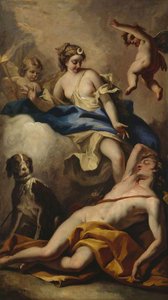
ricci's artistic career was marked by periods of turmoil, including imprisonment and scandals. however, he continued to produce notable works, such as venus takes leave from adonis, which showcased his skill in capturing heavenly depictions. he ultimately accepted foreign patronage in london, working on a commission for lord burlington.
- view sebastiano ricci's artwork on ArtsDot.com
- explore more about the baroque school of venice and its influences on wikipedia
- discover other notable artists from the same period, such as luigi bonazza, on ArtsDot.com
important: this article is based on the available information from ArtsDot.com and may be subject to change as more data becomes available.
Sebastiano Ricci
1659 - 1734 , Italy
Quick Facts
- Artistic Movement Or Style: Late Baroque
- Artists Or Movements Influenced By This Artist: ['Marco Ricci']
- Artists Who Influenced This Artist: ['Giovanni Gioseffo dal Sole']
- Date Of Birth: August 1, 1659
- Date Of Death: May 15, 1734
- Full Name: Sebastiano Ricci
- Nationality: Italian
- Notable Artworks:
- Bacchus and Ariadne
- Venus takes leave
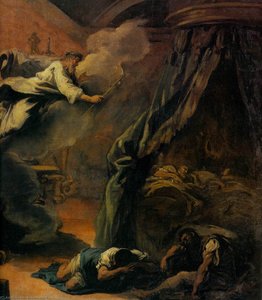
- Dream of Aesculapius
- Place Of Birth: Belluno, Italy
Related Articles
Sebastiano Ricci: Venetian Master of Baroque Illusionism & Rococo Grace
Explore the captivating world of Sebastiano Ricci, a leading Venetian Baroque painter renowned for his luminous frescoes & illusionistic masterpieces. Discover his life, techniques, and lasting influence on art history.

The Dramatic Flourish: Exploring the Baroque Movement's Enduring Legacy in Art History
Explore the dramatic world of Baroque art! Discover iconic artists like Caravaggio & Rubens, defining techniques, and its lasting impact on art history. Expert insights for collectors & enthusiasts at ArtsDot.

Jacopo Tintoretto's Masterpieces: 25 Paintings That Define Venetian Drama | ArtsDot
Explore 25 breathtaking masterpieces by Jacopo Tintoretto, the Venetian master of drama and light. Discover the stories behind iconic Renaissance paintings & find museum-quality art reproductions to elevate your home decor on ArtsDot.com.
Sebastiano del Piombo: Bridging Venetian Colorism & Roman Grand Manner Portraiture
Explore the captivating art of Sebastiano del Piombo, a Renaissance master bridging Venetian colorism & Roman grandeur. Discover his iconic portraits and lasting influence on art history. Learn more at ArtsDot.

Baroque Masterpieces: 10 Paintings That Defined an Era |
Journey through the drama & grandeur of Baroque art! Explore 10 masterpieces by Caravaggio, Rembrandt, Rubens & more. Discover stunning oil paintings, rich colors & timeless stories. Find museum-quality reproductions at .