 Preview
 Send
Send Share
Share
 Details

 Download
 Similars
 X-Ray
X-Ray Diaporama
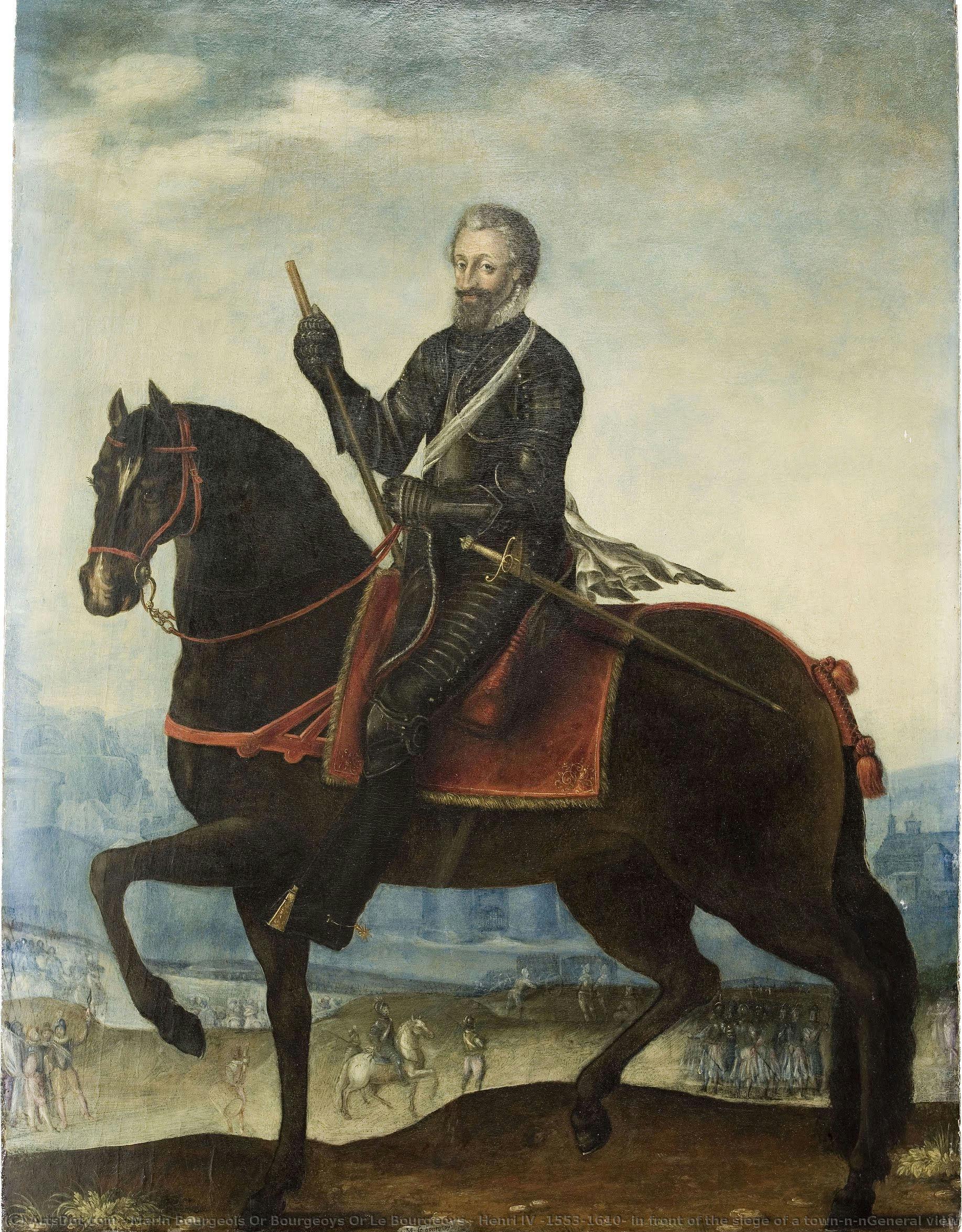
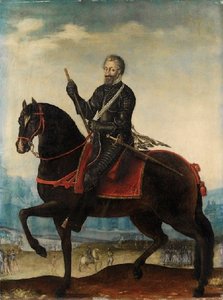
Henri IV (1553–1610) in front of the siege of a town\n\nGeneral view


 Read More
Hand Made Oil Reproduction
Hand-painted oil on canvas in your size and frame, made to order by our artists. ( Buy Print Buy Image)




P118B $10

P118H $10

P118W $10

P438Z $10

P508JH $12

P508YH $12

P805H $10

P805Z $10

P919BZ $10

P919G $10

P919XJ $10

P959ZH $10

P968JZ $12

W106C $8

W218G $10

W218JH $8

W218Y $10

W307PJ $10

W316G $10

W316PJ $8

W316Y $10

W398PJ $8

W4111J $10

W500HY $15

W500JH $15

W692G $12

W849H $8

W940BG $15

W953PJ $8




Pick from our preset sizes that match the artwork's original proportions.

You may enter your own dimensions to fit a specific frame or space. If your selected size does not match the original image's proportions, we will either crop the artwork or extend the painting with additional hand-painted elements. A digital mockup will be sent for your approval before production begins.
Please note that the on-screen preview does not reflect the actual cropping or extension. Only the mockup will accurately show the final composition.
While custom sizes are available, we recommend selecting a dimension from the predefined list to preserve the original proportions.
After order, ArtsDot.com team will email client for instructions and provide a mockup preview
Worldwide Delivery () in 3/4 weeks instead of standard 5 weeks. (2 September). No compromise on quality.

Free Worldwide Express Shipping

High-Quality Linen Canvas

Full Shipping Insurance

Customs Tax Refund Guarantee

True Color Matching Guarantee

60-Day Return Policy (Defects Only)

100% Money-Back Guarantee

Bulk Discount Offer
 Glass option is only available in size under 110 CM

Henri IV (1553–1610) in front of the siege of a town\n\nGeneral view
Reproduction Medium
Reproduction Size
-


Total Price
$ 263
A Portrait of Power: Marin Le Bourgeoys’ Vision of Henri IV
The equestrian portrait of Henri IV, executed by Marin Le Bourgeois around 1594, stands as a singular testament to the artistic fervor and military ambition characterizing France during Henry IV's reign. More than merely a depiction of royalty, it embodies the spirit of a nation striving for stability amidst religious discord and asserting dominance on European soil—a narrative powerfully conveyed through meticulous craftsmanship and symbolic resonance. This artwork isn’t simply observed; it’s felt – an immersive experience reflecting the anxieties and aspirations of its time.- Subject Matter: The painting portrays Henri IV, King of France, mounted upon a black horse, symbolizing leadership and martial prowess. He wears blackened armor devoid of helmet, a deliberate choice highlighting his vulnerability while simultaneously emphasizing his unwavering commitment to defense—a visual declaration of resilience against external threats.
- Style & Technique: Le Bourgeoys’ style aligns with the burgeoning Renaissance tradition of equestrian portraits, inheriting influences from earlier depictions of condottieri – Italian mercenary captains celebrated for their bravery and military skill. The artist employs a masterful blend of realism and idealized representation, capturing the physicality of Henri IV while elevating him to heroic stature.
- Historical Context: Created during the tumultuous religious wars between Catholics and Huguenots (Protestants), the portrait reflects the broader political landscape of France. The siege of Rouen—a pivotal moment in Henry IV’s efforts to consolidate royal authority—served as a backdrop for this artwork, symbolizing the ongoing struggle for national unity and reinforcing Henri IV's image as a protector of Christendom.
Symbolism: Armor, Sash & Baton – Layers of Meaning
The armor itself speaks volumes about Henri IV’s dedication to duty and preparedness. Its blackened hue signifies the hardships endured during wartime—a solemn reminder of sacrifice and vigilance. Crucially, the white sash worn around his waist represents the allegiance of Catholic nobles to Henry IV, demonstrating a strategic alliance designed to quell dissent and bolster royal legitimacy. Finally, the baton of command held aloft underscores Henri IV’s role as supreme commander – an emblem of authority and decisive action intended to inspire confidence in his troops and solidify his position as ruler.Emotional Impact: Triumph Amidst Adversity
Beyond its formal elements, the painting evokes a profound emotional response. The posture of Henri IV—confident yet resolute—communicates unwavering determination amidst perilous circumstances. He embodies not only military strength but also spiritual fortitude – qualities vital for navigating the complexities of religious conflict and securing France’s future. Le Bourgeoys' skillful depiction captures this essence, transforming a historical scene into an enduring symbol of courage and leadership.Technical Considerations: Detail & Texture
Le Bourgeoys’ technique demonstrates exceptional attention to detail—a hallmark of Renaissance artistry. The artist meticulously renders the textures of armor, horse hide, and fabric, creating a palpable sense of realism that draws viewers into the scene. Furthermore, subtle shading techniques imbue the painting with depth and luminosity, enhancing its visual impact and conveying the grandeur of Henry IV’s reign. This meticulous craftsmanship ensures that any reproduction captures not only the likeness of Henri IV but also the spirit of his era—a legacy worthy of admiration.Related Artworks
Artist Biography
The Renaissance Polymath: The Dual Legacy of Marin Le Bourgeoys
In the grand tapestry of the French Renaissance, few figures possess a legacy as strikingly dualistic as Marin Le Bourgeoys. Born in the historic environs of Lisieux, Normandy, around 1550, Le Bourgeoys was far more than a mere craftsman; he was a true polymath whose intellect bridged the gap between the delicate aesthetics of fine art and the rugged precision of military engineering. While history often remembers him through the lens of his revolutionary mechanical inventions, his early life was deeply rooted in the traditions of the artisan, where the hands that would later refine the flintlock mechanism were first trained to master the subtle nuances of painting and sculpture. This foundational period of artistic training, likely nurtured under the prestigious patronage of François de Bourbon, comte de Montpensier, instilled in him a profound understanding of form, texture, and visual narrative—elements that would eventually infuse his mechanical designs with a unique sense of structural elegance.
The trajectory of Le Bourgeoys’ life took a monumental turn when his extraordinary talents caught the eye of King Henry IV. In 1594, he was appointed as Valet de Chambre to the monarch, a position of immense prestige that brought him into the very heart of the French Royal Court. This era of royal service was not merely a period of professional stability but a golden age of creative and scientific exploration. The King, recognizing the breadth of Le Boursebous's genius, even granted him living quarters within the Grand Gallery of the Louvre. Within these hallowed halls, the boundaries between art and science dissolved; Le Bourgeoys moved seamlessly from producing evocative artworks to developing complex instruments such as air guns, crossbows, and movable globes. His ability to serve both the aesthetic desires and the strategic needs of the crown solidified his status as an indispensable figure in the burgeoning French state.
A Masterpiece of Engineering: The Flintlock Revolution
While his paintings captured the regal splendor of the era, it was Le Bourgeoys’ contribution to weaponry that would fundamentally alter the course of human history. Before his intervention, firearms were notoriously temperamental and perilous devices, often prone to accidental discharge. Between 1610 and 1615, Le Bourgeoys achieved a breakthrough that would dominate European warfare for over two centuries: the perfection of the flintlock mechanism. By introducing a "half-cocked" position, he created a safety feature that allowed a weapon to be loaded without the immediate risk of firing—a leap in engineering that prioritized the lives of soldiers as much as the accuracy of their shots. This innovation was not merely a technical adjustment but a profound shift in the reliability of gunpowder technology, spreading rapidly across the continent and establishing a standard of excellence that defined the era of musketry.
This mechanical brilliance was mirrored in his most celebrated visual achievement, the equestrian portrait of Henri IV before the siege of a town. In this work, Le Bourgeoys utilized his deep understanding of military reality to create something far more profound than a simple royal likeness. The painting serves as a visceral window into the anxieties and triumphs of a nation navigating religious discord. Through the use of meticulous detail—the sheen of blackened armor, the powerful stance of the black horse, and the atmospheric tension of the siege—he captured the very essence of leadership and resilience. His style, which drew inspiration from the heroic condottieri portraits of Italy, blended a gritty realism with an idealized grandeur, ensuring that his subjects were seen not just as men, but as symbols of national stability.
An Enduring Influence on Art and Industry
The life of Marin Le Bourgeoys concluded in 1634, yet the echoes of his work continued to resonate through the centuries. His ability to synthesize the disparate worlds of the studio and the workshop left an indelible mark on the development of European industry and the evolution of military art. He remains a singular figure who proved that the precision required for engineering is not so different from the precision required for a brushstroke; both demand an intimate understanding of how components—be they pigments or iron springs—interact to create a functional and beautiful whole.
To reflect on his multifaceted career is to witness the true spirit of the Renaissance:
- Artistic Mastery: His ability to capture the psychological depth of monarchs through painting and sculpture.
- Scientific Innovation: The creation of the flintlock mechanism, a cornerstone of modern firearm history.
- Royal Service: A distinguished career at the Louvre, serving both Henry IV and Louis XIII.
- Versatility: An unparalleled range of skills spanning from luthier and sculptor to engineer and inventor.
marin bourgeois or bourgeoys or le bourgeoys
1550 - 1634 , France
Quick Facts
- Artistic Movement Or Style: Renaissance Art
- Artists Or Movements Influenced By This Artist: ['Flintlock Mechanism']
- Date Of Birth: c. 1550
- Date Of Death: 1634
- Full Name: Marin Le Bourgeoys
- Nationality: Normandy
- Notable Artworks: ['Henri IV (1553–1610) in front of the siege of a town General view']
- Place Of Birth: Lisieux, France
Related Articles
Henri Matisse's Masterpieces: Explore 25 Iconic Paintings & Art Decor Ideas
Journey through Henri Matisse's 25 most iconic paintings! Explore Fauvism, vibrant colors & the stories behind masterpieces like 'The Dance'. Find museum-quality art reproductions and curated decor ideas to elevate your space. Discover all masterpieces on ArtsDot.com.
Fauvism's Boldest Visions: 10 Masterpieces That Revolutionized Modern Art | ArtsDot
Explore 10 Fauvist masterpieces by Matisse, Derain & Vlaminck that ignited Modern Art! Discover bold colors, expressionist landscapes & the history of this revolutionary movement. Find museum-quality prints at ArtsDot.com.

Henri-Joseph Harpignies: Capturing the Poetic Essence of the French Landscape
Explore the serene landscapes of Henri-Joseph Harpignies, a master of the Barbizon School. Discover his atmospheric paintings, recurring themes & enduring legacy in 19th-century French art. Learn more at ArtsDot.
Henri Martin: A Synthesis of Impressionism & Symbolism in the French Landscape Tradition
Explore the captivating world of Henri Martin, a French Post-Impressionist bridging Impressionism & Symbolism. Discover his unique style, influential landscapes, and lasting legacy with ArtsDot.
Robert Henri & the Spirit of American Realism: A Legacy of Urban Life and Artistic Independence
Explore the life & legacy of Robert Henri, a pivotal figure in American Realism. Discover his captivating portraits, influence on the Ashcan School, and enduring impact on art history. Learn more at ArtsDot.