

 Preview
 Send
Send Share
Share
 Details

 Download
 Similars
 X-Ray
X-Ray Diaporama
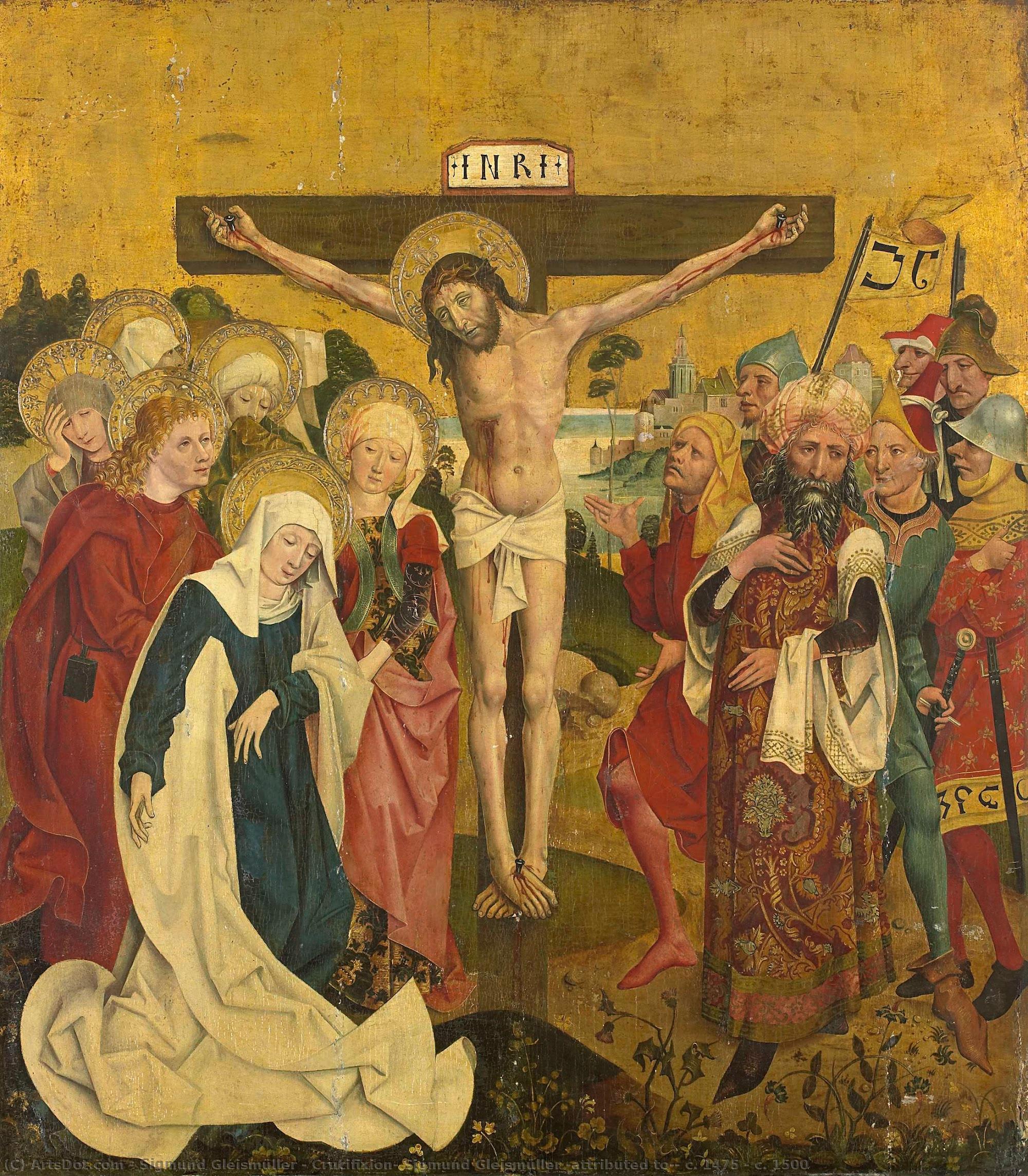
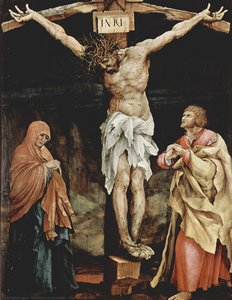
Crucifixion, Sigmund Gleismüller (attributed to), c. 1475 - c. 1500
 Early Renaissance
 1500
1500 124.0 x 108.0 cm
 Read More
Hand Made Oil Reproduction
Hand-painted oil on canvas in your size and frame, made to order by our artists. ( Buy Print Buy Image)




P118B $10

P118H $10

P118W $10

P438Z $10

P508JH $12

P508YH $12

P805H $10

P805Z $10

P919BZ $10

P919G $10

P919XJ $10

P959ZH $10

P968JZ $12

W106C $8

W218G $10

W218JH $8

W218Y $10

W307PJ $10

W316G $10

W316PJ $8

W316Y $10

W398PJ $8

W4111J $10

W500HY $15

W500JH $15

W692G $12

W849H $8

W940BG $15

W953PJ $8




Pick from our preset sizes that match the artwork's original proportions.

You may enter your own dimensions to fit a specific frame or space. If your selected size does not match the original image's proportions, we will either crop the artwork or extend the painting with additional hand-painted elements. A digital mockup will be sent for your approval before production begins.
Please note that the on-screen preview does not reflect the actual cropping or extension. Only the mockup will accurately show the final composition.
While custom sizes are available, we recommend selecting a dimension from the predefined list to preserve the original proportions.
After order, ArtsDot.com team will email client for instructions and provide a mockup preview
Worldwide Delivery () in 3/4 weeks instead of standard 5 weeks. (20 August). No compromise on quality.

Free Worldwide Express Shipping

High-Quality Linen Canvas

Full Shipping Insurance

Customs Tax Refund Guarantee

True Color Matching Guarantee

60-Day Return Policy (Defects Only)

100% Money-Back Guarantee

Bulk Discount Offer
 Glass option is only available in size under 110 CM

Crucifixion, Sigmund Gleismüller (attributed to), c. 1475 - c. 1500
Reproduction Medium
Reproduction Size
-


Total Price
$ 263
Artwork Description
Related Artworks
Artist Biography
The Enigmatic Vision of Sigmund Gleismüller
Sigmund Gleismüller remains a somewhat shadowy figure in the landscape of late 15th-century German art, yet his surviving works—particularly the compelling ‘Crucifixion’ attributed to him—offer a poignant glimpse into the devotional sensibilities and artistic currents of the period. Born sometime around the mid-15th century, Gleismüller's life details are frustratingly sparse; historical records offer little beyond the existence of this talented painter who flourished during a time of significant transition in religious art. He is believed to have been active primarily in Southern Germany, though pinpointing his exact geographical center remains elusive. This lack of biographical certainty only adds to the mystique surrounding his oeuvre, inviting speculation and deeper contemplation of the emotional power embedded within his paintings.A Master of Late Gothic Devotion
Gleismüller’s artistic style is firmly rooted in the late Gothic tradition, characterized by its emphasis on detailed realism, vibrant color palettes, and a profound sense of religious fervor. However, he wasn't merely a replicator of established forms; within this framework, Gleismüller demonstrated a unique ability to convey raw emotion and psychological depth. His figures are not simply representations of biblical characters but rather intensely human portrayals grappling with faith, suffering, and redemption. The ‘Crucifixion,’ his most well-known work, exemplifies this perfectly. The composition is dynamic, the scene filled with a palpable sense of grief and anguish. Christ’s body, rendered with meticulous anatomical accuracy, hangs heavy on the cross, while surrounding figures—Mary Magdalene, John the Evangelist, and other mourners—express their sorrow through expressive gestures and deeply etched facial features.Influences and Artistic Development
Tracing Gleismüller’s influences is a complex undertaking given the limited scope of his known works. Scholars suggest connections to the broader artistic milieu of Upper Rhine painting, particularly the influence of artists like Hans Holbein the Elder and Martin Schongauer. The meticulous detail in his work echoes the Northern Renaissance masters' preoccupation with realism, while the emotional intensity aligns with the devotional fervor prevalent in Southern German art of the period. It’s likely that Gleismüller benefited from a workshop environment, absorbing techniques and stylistic elements from various sources before forging his own distinctive voice. His development appears to have focused on refining his ability to depict human anatomy and emotion, moving beyond purely decorative or symbolic representations towards a more psychologically nuanced approach.The ‘Crucifixion’ and Lasting Significance
The attributed ‘Crucifixion,’ dating from approximately 1475-1500, stands as Gleismüller's most significant surviving achievement. This altarpiece is not merely a depiction of a biblical event; it’s an immersive experience designed to evoke empathy and spiritual contemplation in the viewer. The painting’s power lies in its ability to convey both the physical suffering of Christ and the profound emotional impact of his sacrifice on those who witnessed it. The use of color is particularly striking, with rich reds, blues, and golds creating a visually arresting composition that draws the eye and amplifies the scene's dramatic intensity. The work’s historical significance lies in its representation of a pivotal moment in religious art—the transition from the stylized forms of the Gothic period to the more naturalistic depictions of the Renaissance. While Gleismüller may not be as widely recognized as some of his contemporaries, his ‘Crucifixion’ serves as a testament to his skill and artistic vision, offering a compelling glimpse into the devotional world of late medieval Germany. It is a work that continues to resonate with viewers today, reminding us of the enduring power of faith, suffering, and redemption.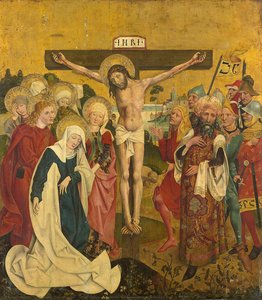
Quick Facts
- Artistic Movement Or Style: Renaissance
- Date Of Death: Living
- Full Name: Sigmund Gleismüller
- Notable Artworks: ['Crucifixion (attributed)']
Related Articles

The Enduring Legacy of Oil on Canvas: Technique, History & Aesthetic Impact
Explore the rich history & techniques of oil painting – from Renaissance masters to Impressionism. Discover pigments, layering methods, and why this timeless medium endures. Expert insights for artists & art enthusiasts.

Oil on Canvas: A Historical & Technical Exploration of a Timeless Artistic Medium
Explore the rich history & enduring techniques of oil painting on canvas. Discover the science behind its longevity, conservation practices, and contemporary relevance. Expert insights for art enthusiasts.

The Enduring Power of Painting: A Historical & Contemporary Exploration of Form and Emotion
Explore the rich history & enduring techniques of oil painting with ArtsDot. Discover masterpieces, learn about art collecting, and find authentic handmade reproductions crafted by skilled artists.

Timeless Christian Art: Inspiring Sacred Masterpieces to Transform Your Home with Grace and Devotion
Discover the profound beauty of timeless Christian art. From Renaissance tenderness to Baroque grandeur, explore inspiring sacred masterpieces designed to transform your home into a peaceful sanctuary through exquisite hand-painted reproductions and expert art consultation.

The Enduring Legacy of Oil on Canvas: Technique, History & Contemporary Practice
Explore the rich history & enduring techniques of oil painting on canvas. Discover the science behind its longevity, conservation practices, and contemporary relevance. Expert insights for art enthusiasts.

